Full Article
about Esporles
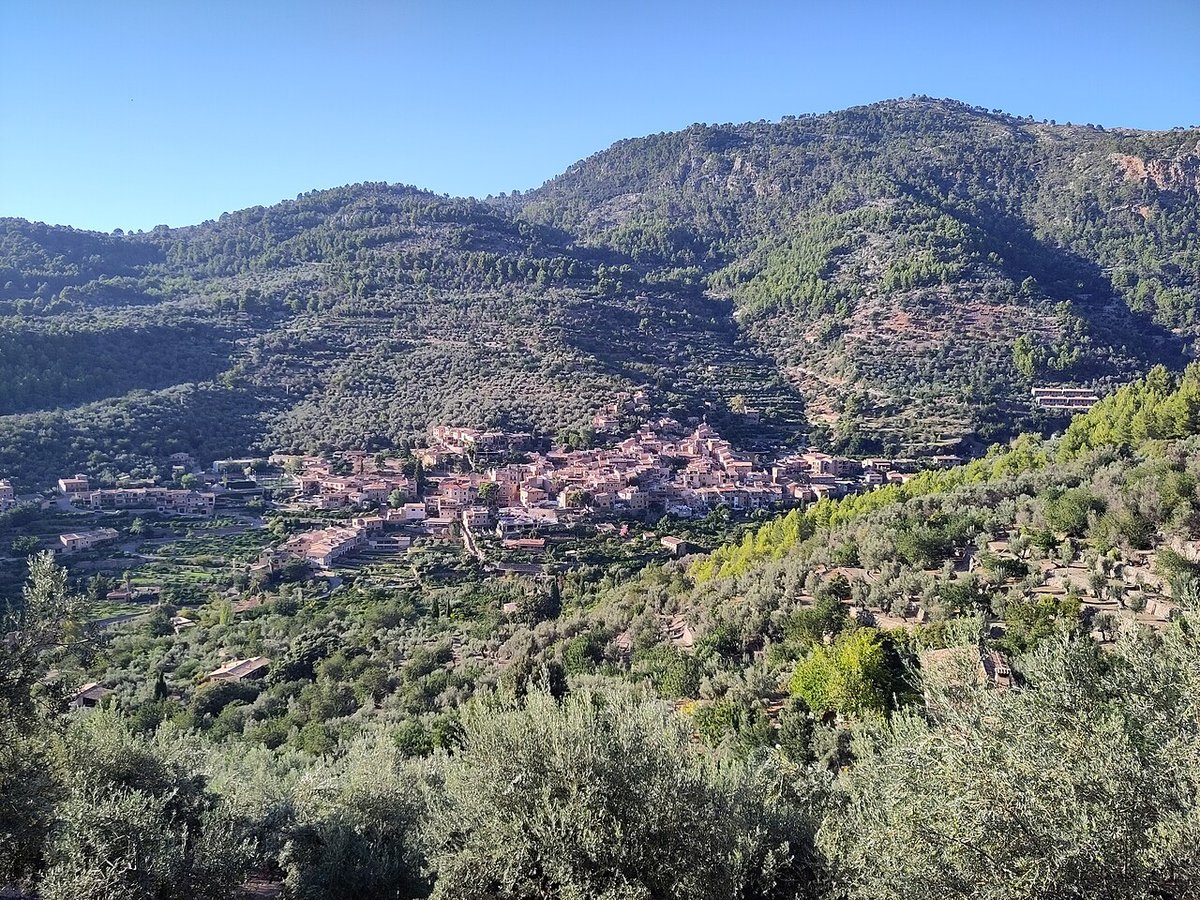
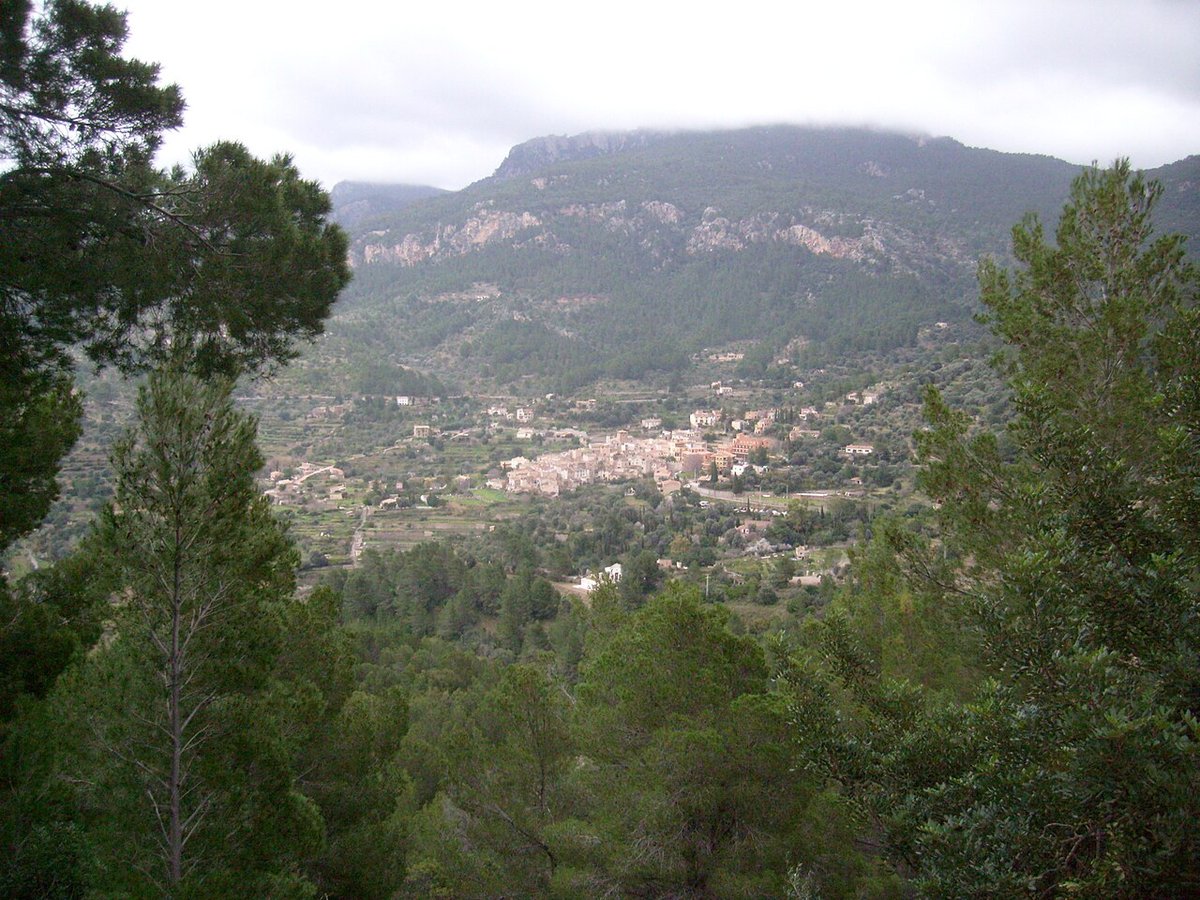
Village in a Tramuntana valley that keeps its rural charm; known for its historic farm museum
Hide article Read full article
A village that began as a farm
The first document that mentions Esporles, dated 1274, does not refer to churches or houses. It speaks of a farm. That detail matters, because much of tourism in Esporles makes more sense when the place is understood as an agricultural origin rather than a built settlement.
This early reference points to the farm of Alpic, linked to the rural organisation that followed the Catalan conquest of the 13th century. It later came under the control of the Cistercian monastery of Santa Maria de la Real. For centuries, the surrounding area was defined by cultivated land, managed water and crops. The church, the Vila Vella and the civic buildings arrived later, once the settlement grew beyond its purely agricultural function.
That background still shapes how Esporles feels today. The layout, the pace of life and even the architecture reflect a place that developed around land use rather than trade or defence.
Water that shapes the valley
Esporles is best understood through the water that flows down from the Tramuntana mountains. The hydraulic system of Font de'n Baster, protected for years, preserves a network of irrigation channels that distribute water across terraces of olive trees, citrus groves and kitchen gardens. It is not just a relic. In many sections, the system still works.
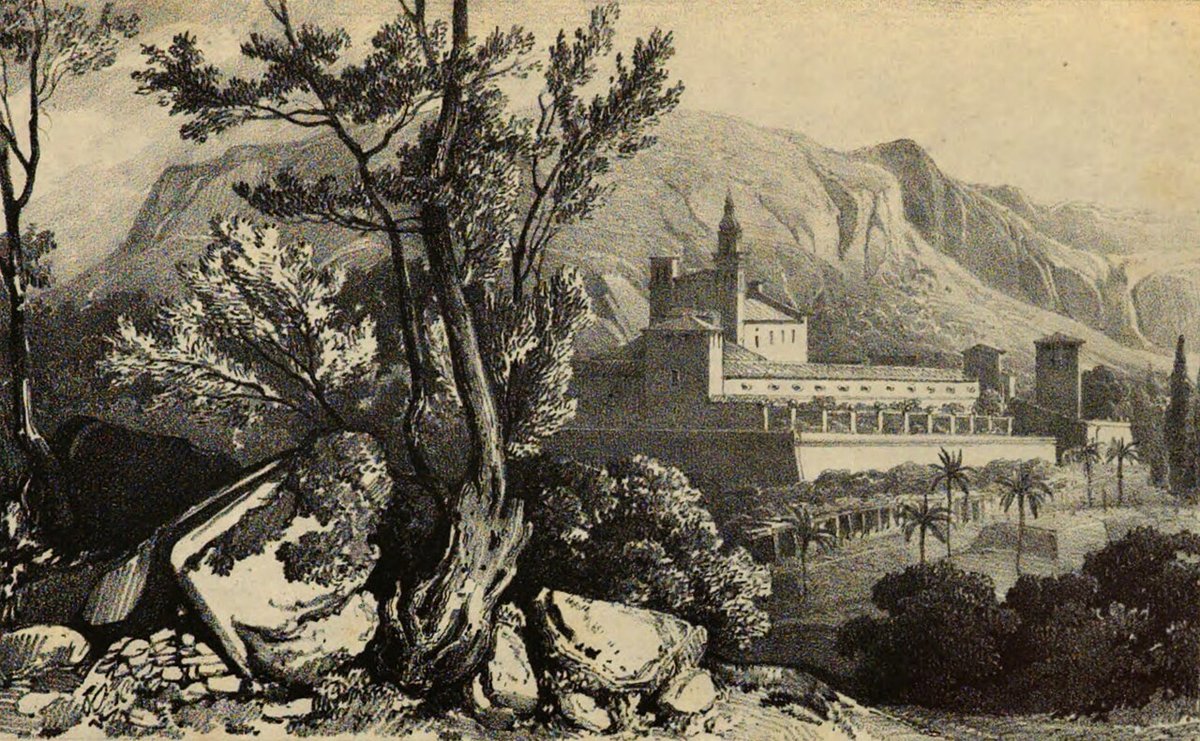
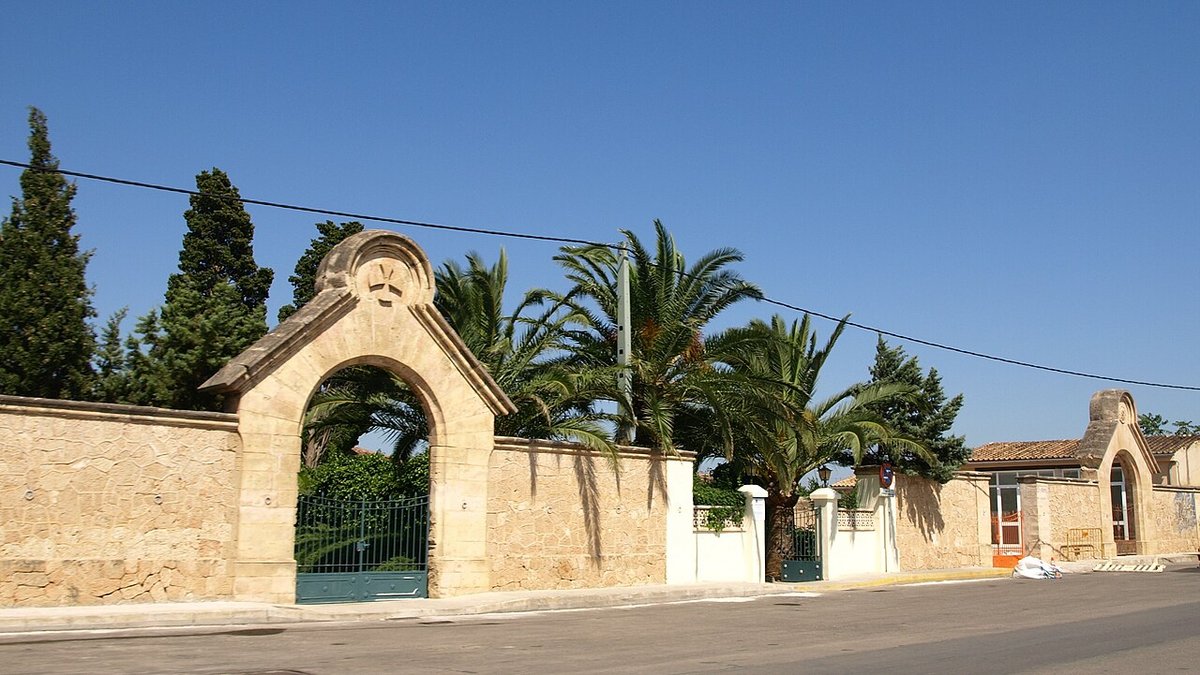
Following the course of this water from the Pont des Badaluc, one of the traditional crossings over the torrent, leads towards Sa Granja. This former Mallorcan estate, known locally as a “possessió”, evolved over time into a manor house with agricultural outbuildings. The complex brings together a main residence, a chapel, cultivated terraces and former working areas.
This combination helps explain how such estates functioned. They were homes, farms and centres for managing the surrounding land, all in one place. The most visible changes date from the 18th century, a period when some estates in the area experienced prosperity linked to cereal production and vineyards.
Travellers in the 19th century already referred to Sa Granja as an example of a Mallorcan estate surrounded by water and orchards. The interest lies less in the building itself than in how daily work was organised. Large kitchens, storage cellars for wine and oil, sheds and courtyards formed part of a system where everything produced on the estate had its place.
Two ways the village grew
Esporles is often read as two distinct areas.
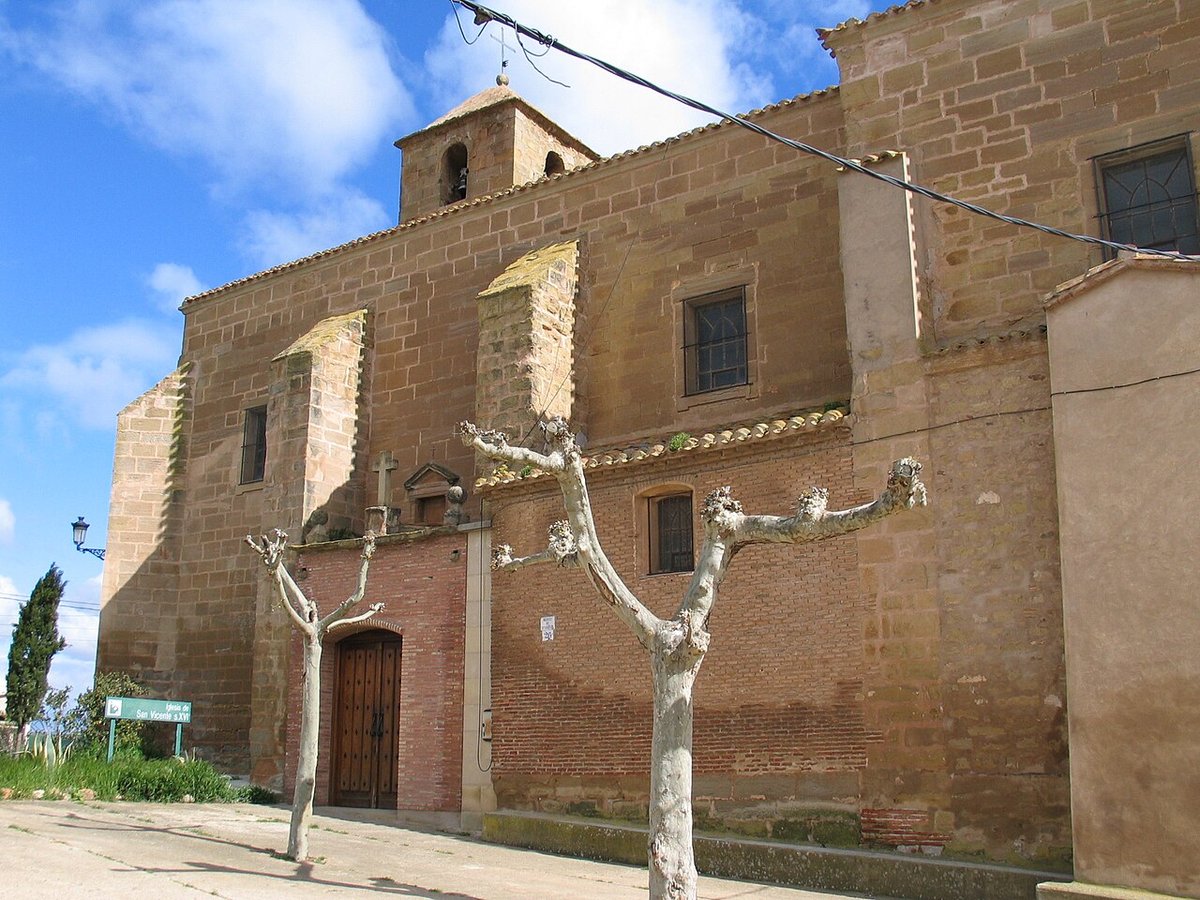
The Vila Vella took shape between the 16th and 17th centuries around the parish church of Sant Pere. Its layout remains irregular, with narrow streets, noticeable slopes and stone houses adapted to the terrain.
From the 18th century onwards, the settlement expanded into what is now known as Vila Nova. Here, the houses begin to change. Facades open up, balconies appear and colour becomes more visible. Some homes still display decorated roof tiles featuring floral motifs, birds or dates. This kind of decoration is not especially common on the island, and in Esporles it survives on several older buildings.
Between these two areas stands the Casa del Poble, built at the beginning of the 20th century by a local workers’ federation. Its exposed brick and restrained design contrast with the traditional stone architecture around it. The building continues to function as a cultural space today.
It also points to another layer of the village’s history. Esporles was not only agricultural. There was also a strong associative movement, along with cooperatives and an active political life that shaped the community in more recent centuries.
Walking through Esporles
Esporles is best explored on foot. The urban area is small, and the main streets can be covered quickly, though it is worth turning off into the lanes that climb towards the Vila Vella.
A typical walk might begin near the Pont des Badaluc, continue along Carrer Major, reach the church of Sant Pere and then move into the older streets before returning towards the torrent. Along the way, ceramic plaques mark street names and offer brief historical notes.
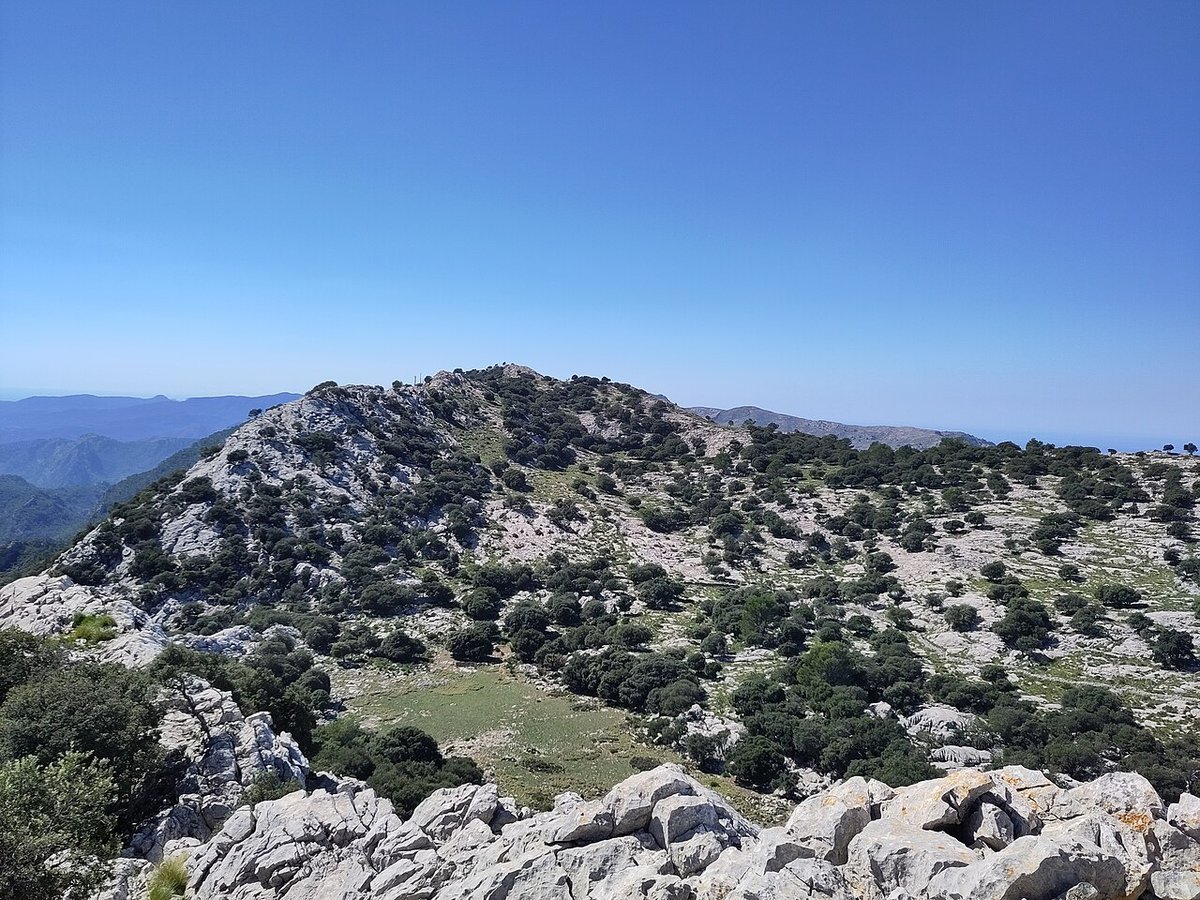
Several paths also lead out from the village towards the mountains. One of the quieter routes follows the irrigation channels in the direction of the ermita de Maristella. Set in a wooded area less than an hour’s walk away, the building is simple, almost like a stone refuge. It is still used for local gatherings and celebrations in spring.
Walking here is less about ticking off sights and more about noticing how the village fits into its surroundings. The slopes, the water channels and the placement of houses all reflect practical decisions shaped over centuries.
When to go
Spring is usually the most pleasant time to walk through the valley, when the gardens are active and water flows more strongly through the irrigation channels. On some weekends there is an agricultural market, and it is common to see cyclists travelling along the road that runs through the Serra de Tramuntana.
Esporles does not revolve entirely around visitors. Daily life continues to follow the rhythms of the valley, with gardens, small shops and neighbours who have known each other for decades. For anyone passing through, the most sensible approach is to take it slowly and pay attention to the small details that explain why the settlement remains where it began: close to water and the land that makes use of it.