Full Article
about Fornalutx
Considered one of Spain’s prettiest villages; cobbled streets and flawless mountain architecture among orange groves.
Hide article Read full article
First impressions in the valley
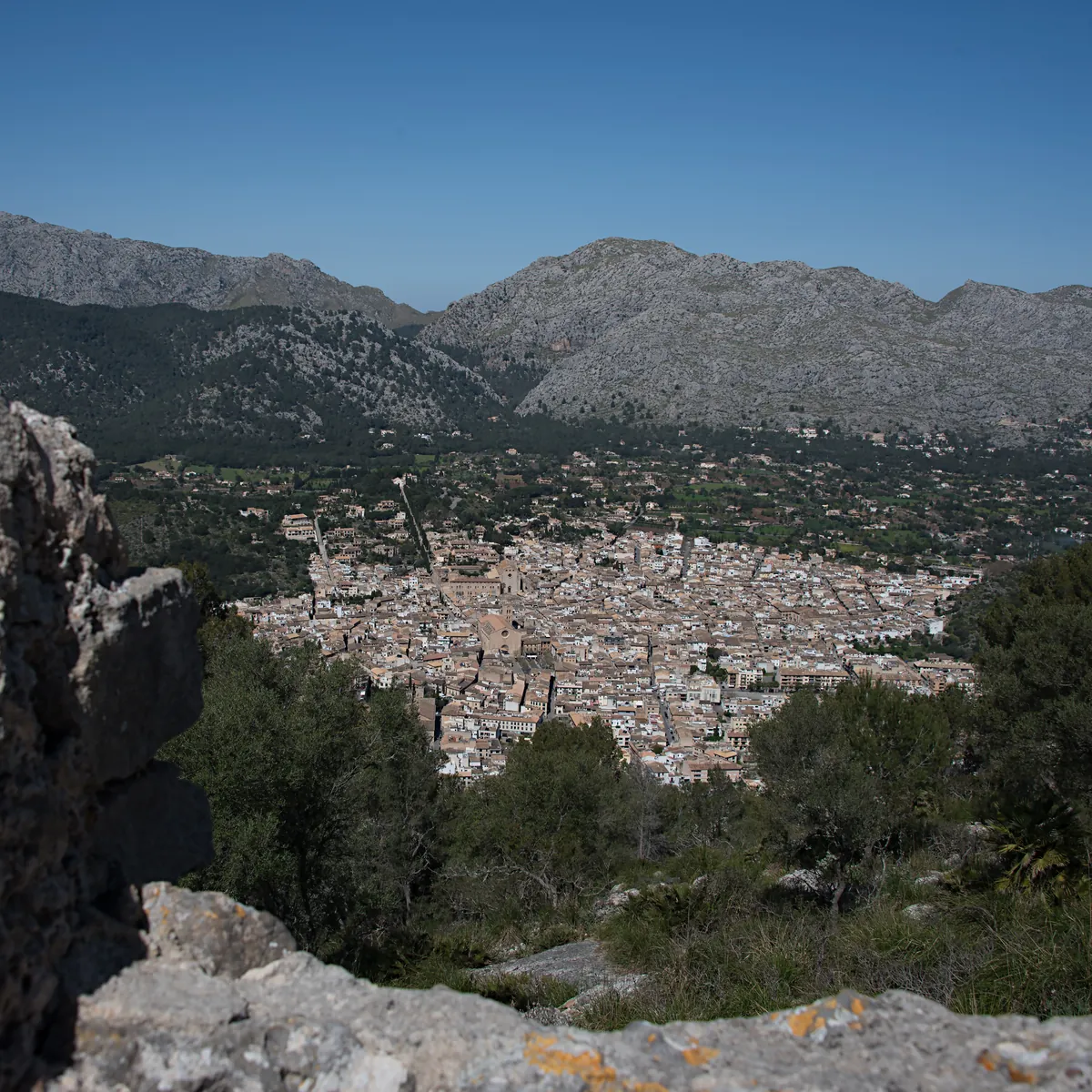
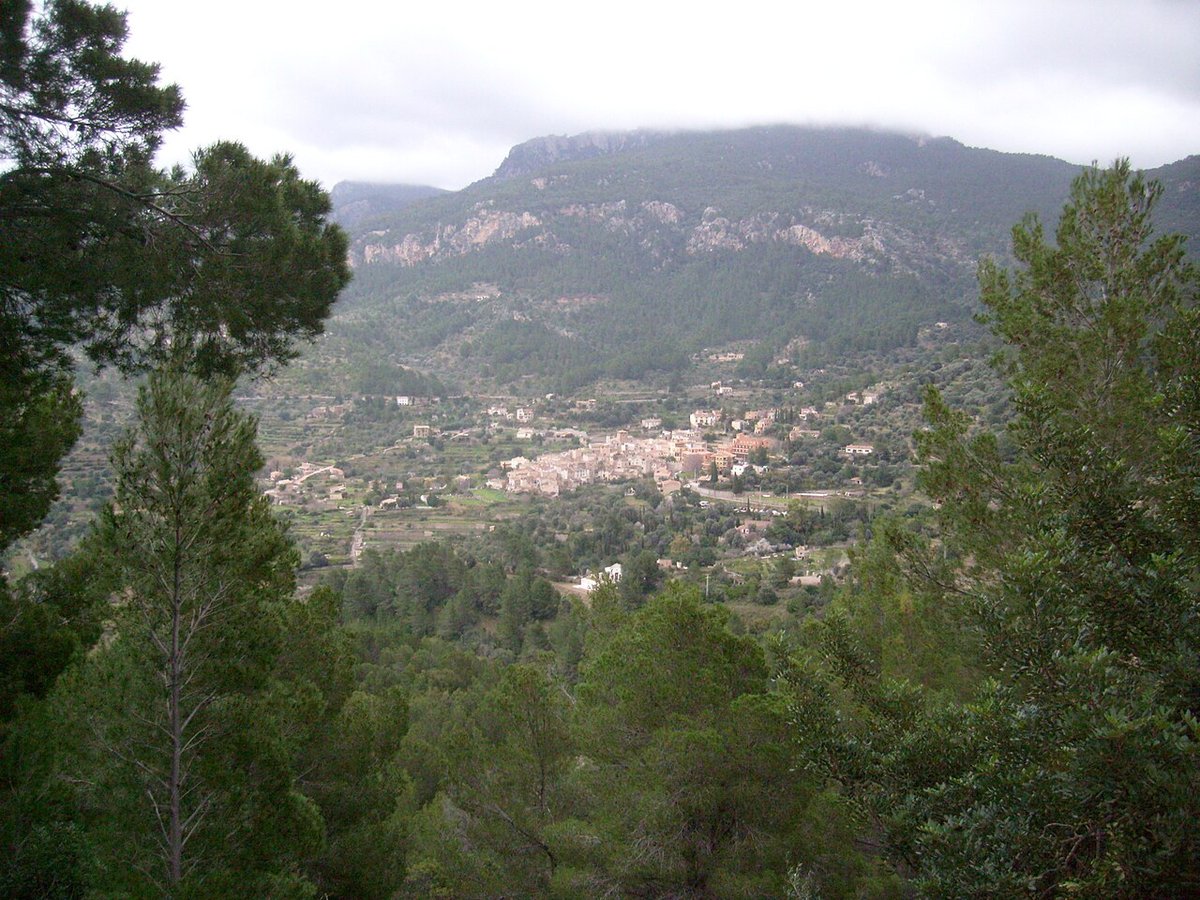
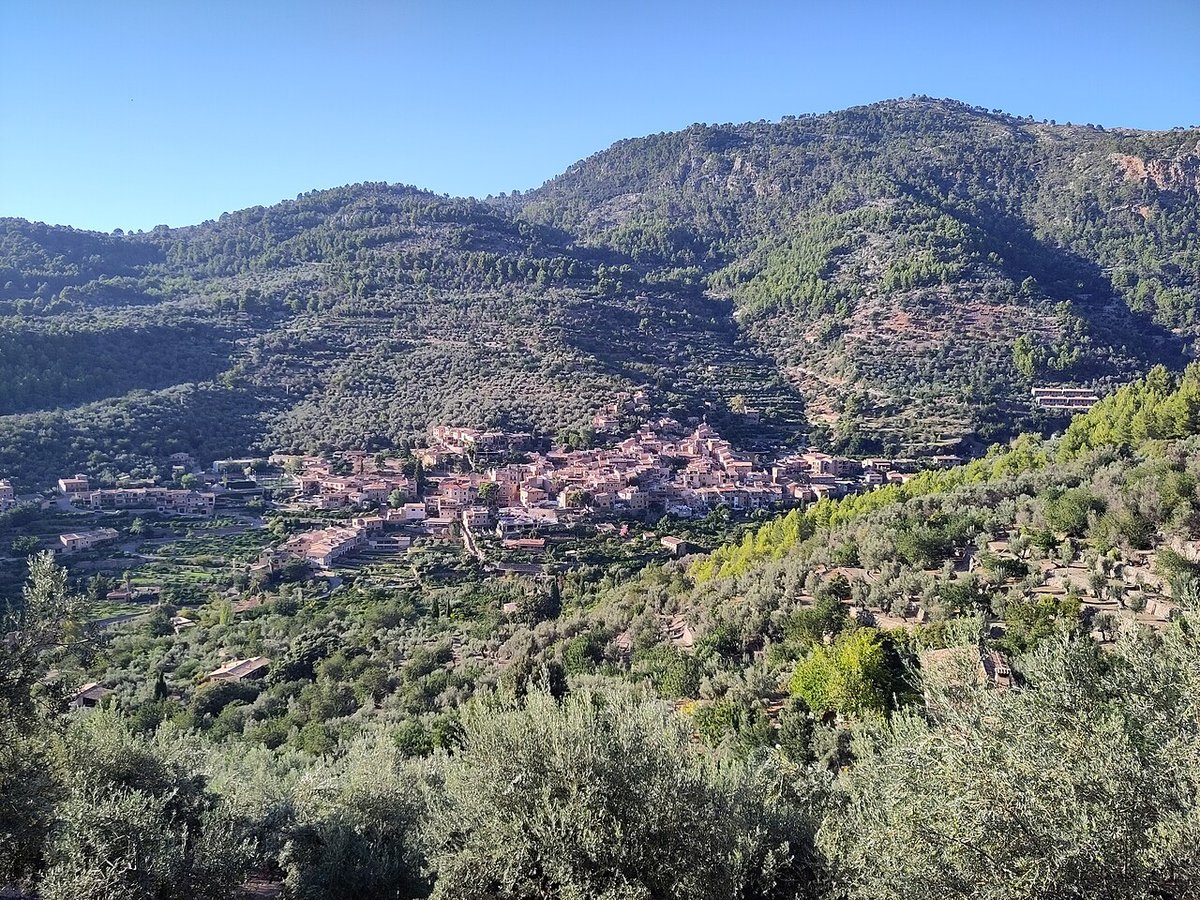
There are places where you arrive and, even before stepping out of the car, something feels unusually well kept. As if, years ago, a quiet agreement was made to look after things properly. That sense appears in Fornalutx, deep in the Serra de Tramuntana on Mallorca.
It is a small village, with only a few hundred residents, set in a valley where citrus groves still shape daily life. Oranges and lemons are not decorative here, they are part of the rhythm of the place. The surrounding landscape is agricultural, and that influence reaches right into the streets.
Those streets are narrow, steep and paved in stone. Their layout is not designed for visitors, it reflects gradual growth along a mountainside. Houses in pale tones sit close together, with enclosed patios and old water channels, known locally as acequias, still carrying water. From time to time, the scent of citrus drifts through. It is also not unusual to hear a tractor making its slow way up towards the orchards.
Through the centre and beyond
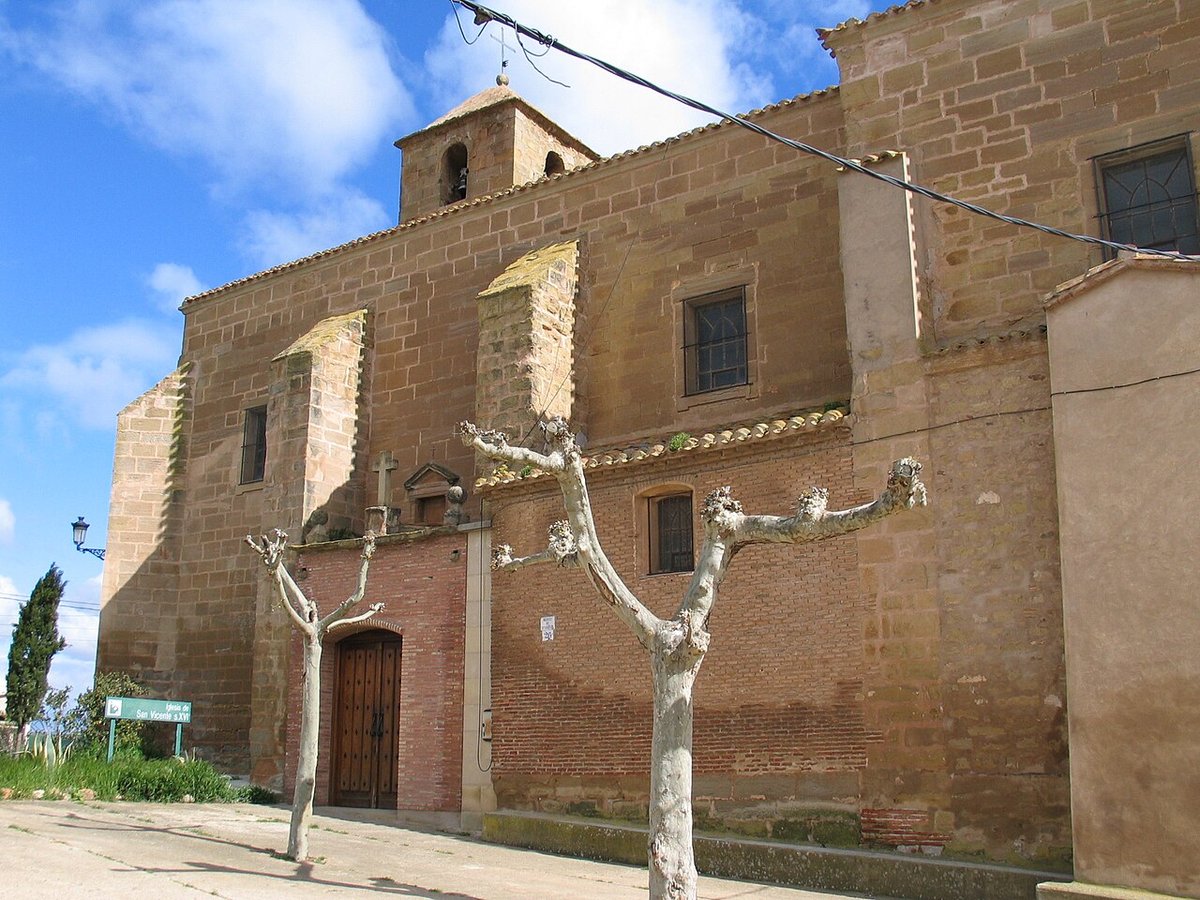
At the centre of the village stands the church of the Nativitat de Nostra Senyora. It is not especially grand, but it works as a clear point of reference. Several streets lead off from here, climbing and dipping between houses with wooden doorways, plant pots set on steps, and windows protected by traditional iron grilles.
A simple way to explore Fornalutx is to walk without paying much attention to the map. The layout invites it. Whichever direction you take, something tends to catch the eye: a staircase turning between two houses, a small archway, or a corner that suddenly opens onto a view of the Sóller valley.
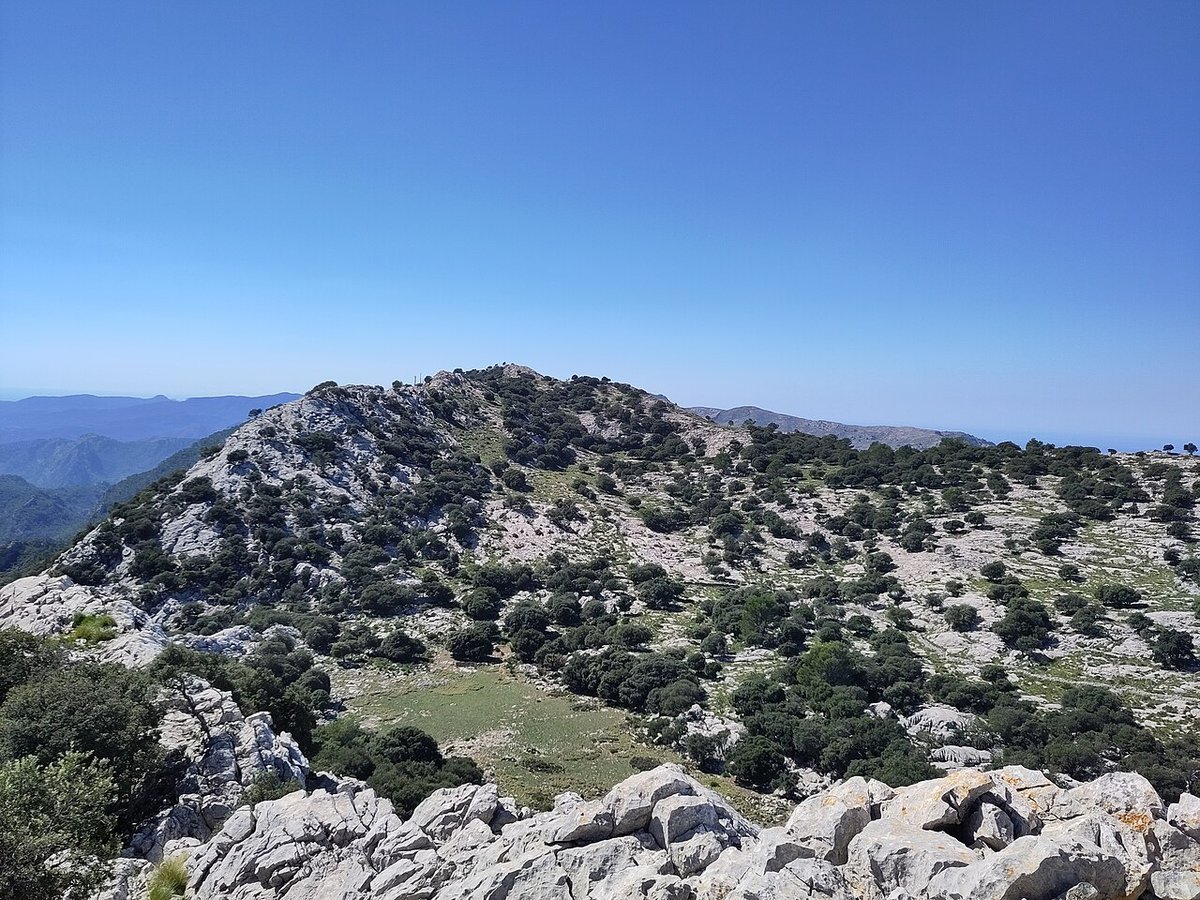
As you head higher, the views begin to widen. Terraced fields come into sight, supported by dry-stone walls that hold the land in place. These terraces are the result of sustained, careful work over time. Their presence is constant, shaping both the scenery and the way the land is used.
The village does not try to impress through scale or spectacle. Its interest lies in how everything fits together, from the paths between houses to the surrounding farmland.
Walking routes and the wider landscape
Fornalutx often appears as a stop for those walking through the Tramuntana. Paths lead out of the village towards nearby settlements and into more rugged mountain areas. Some of these routes are manageable for a relaxed walk, while others require stronger legs and some familiarity with uneven, stony ground.
Cyclists also pass through, though the access road includes sections that can feel long and demanding when climbing on two wheels. It is not out of reach, but it rewards a steady pace. The kind of climb that seems gentle at first, then gradually becomes more testing.
Food in this part of Mallorca follows a clear pattern. Olive oil, citrus fruits and local cured meats appear regularly, alongside simple dishes built around local ingredients. There is no emphasis on novelty. The style of cooking is the same one found in village homes and traditional bars, shaped by what is available nearby and by long-standing habits.
Village life and summer celebrations
The annual festivities in Fornalutx tend to take place towards the end of summer. They are centred around the village’s patron saint, along with other traditional celebrations that extend over several days.
During this time, the tone shifts. Processions move through the streets, music fills public spaces, and residents gather in the square. The atmosphere feels rooted in local life rather than arranged for visitors. It is a chance to see the village at its most active, with more people outside and a stronger sense of shared routine.
Outside these periods, the pace returns to something quieter and more consistent with everyday life in a small mountain village.
A short visit, taken slowly
Fornalutx can be explored in a relatively short time. A couple of hours is enough to walk through it without rushing.
A natural starting point is the area around the church and the main square, where most of the activity is concentrated. From there, the best approach is simply to follow one of the streets that climb towards the upper part of the village. It does not take long to reach points with clear views over the valley and the surrounding terraces.
Afterwards, heading back down along a different route changes the perspective. The network of streets overlaps in a way that makes it easy to end up somewhere new, even within a small area. That sense of gentle disorientation is part of the experience.
There is no need to cover every corner. The village reveals itself gradually, and much of its appeal lies in the small details rather than any single landmark.
Common mistakes to avoid
One of the most frequent issues is arriving by car at a busy time and expecting to park easily. The streets are narrow and space is limited, so it may take a while to find somewhere suitable. In some cases, it makes more sense to leave the car a little further away and continue on foot.
Another common mistake is trying to move through the village too quickly. Fornalutx does not lend itself to a rushed visit. Treating it as a quick stop can leave the impression that there is little to see, when in reality the interest lies in taking time to notice the surroundings.
A final point to keep in mind is the summer heat. Even when there is a light breeze, the sun can be strong. Carrying water, wearing a hat and walking at an unhurried pace makes a noticeable difference. The slopes are not extreme, but they are enough to be felt, especially in warm weather.