Full Article
about Pollença
Cultural and scenic municipality in the north; famous for its music festival
Ocultar artículo Leer artículo completo
The church bell strikes eleven and the only queue in Plaça Major is for the lottery kiosk. No selfie sticks, no foam-coffee chains, just elderly men in rope-soled sandals arguing over dominoes while their wives haggle for tomatoes at the weekly market. That sound you hear is not a Spotify flamenco playlist but the real thing leaking from a half-shuttered bar where builders knock back small glasses of beer before the sun climbs too high. Pollença hasn’t signed up for the theme-park version of itself.
A Town That Still Belongs to Islanders
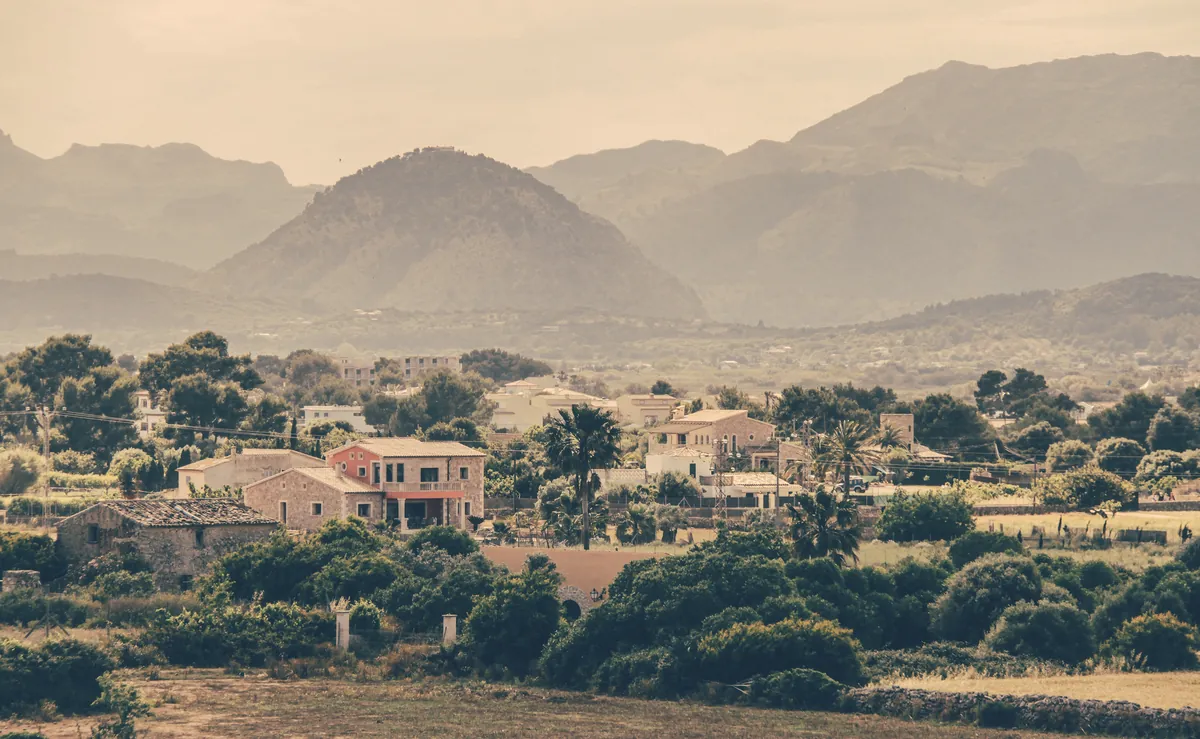
Seventeen thousand people live here year-round, a figure that triples across the municipality once the villas and holiday flats fill up. Yet the old town manages to feel inhabited rather than curated. Laundry hangs from wrought-iron balconies; kids kick footballs between the stone crosses that mark medieval intersections; the bakery shuts at two for siesta and no amount of foot-stamping from overheated tourists will change that. The rhythm is stubbornly local.
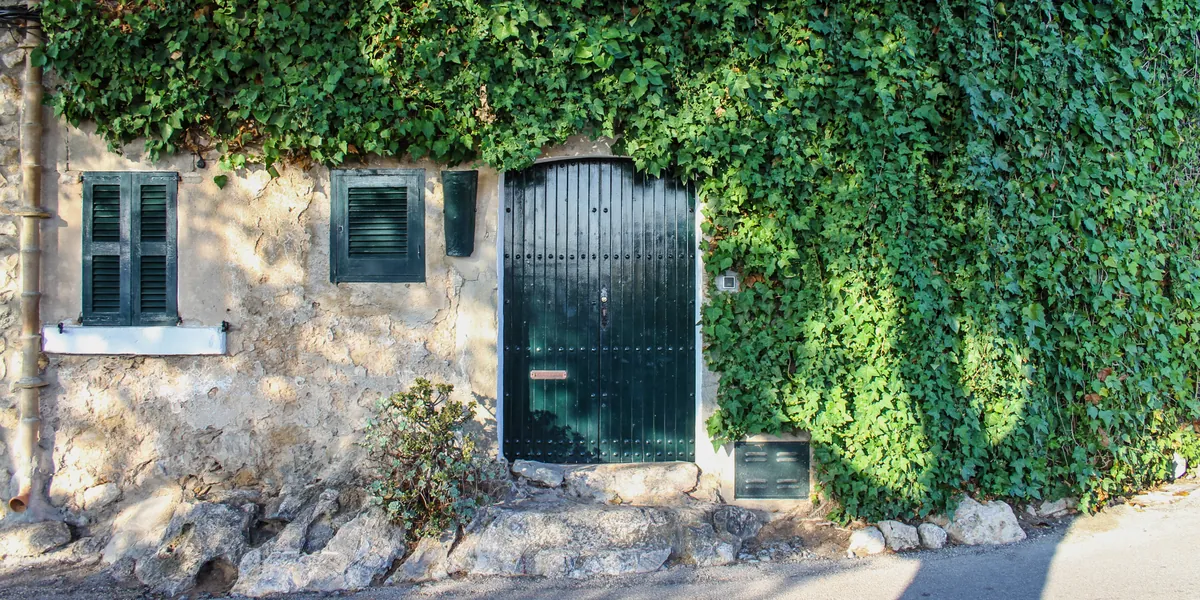
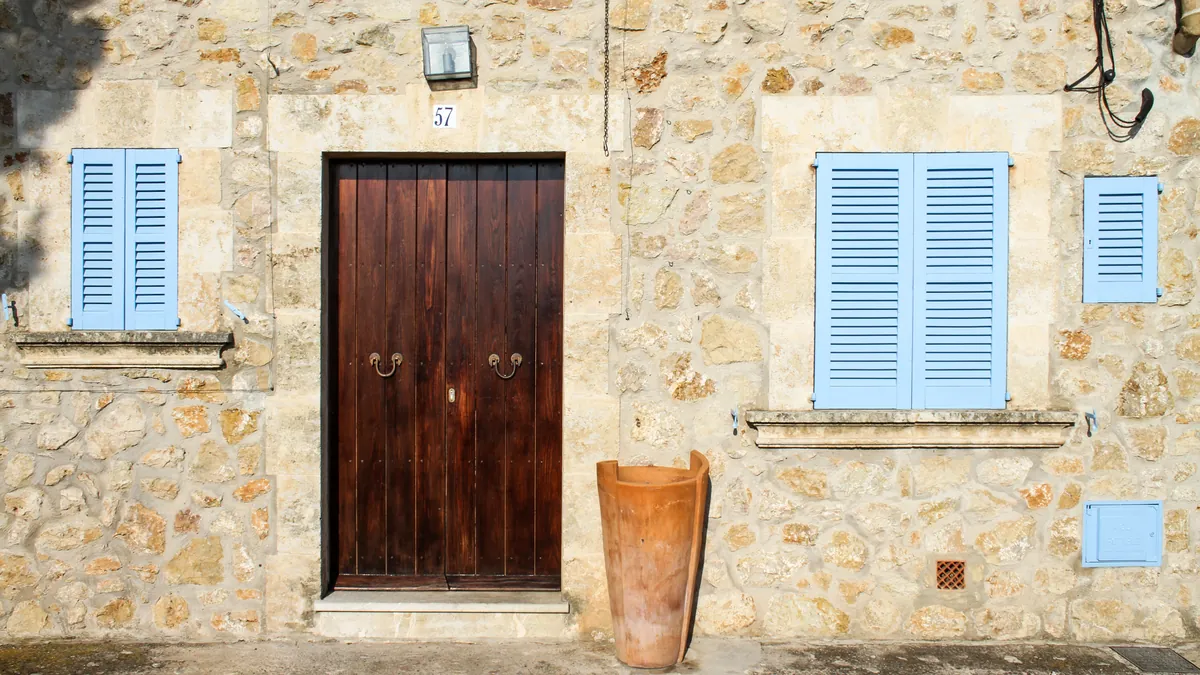
The architecture is the colour of bone – honey-coloured limestone that turns peach at dusk. Streets were laid out long before traffic engineers, so they twist just enough to keep every corner shady. Parking is impossible inside the medieval grid; leave the hire car on the ring road (blue zones are free on the inland side) and walk five minutes. A €90 ticket is the fastest souvenir you’ll acquire if you gamble on squeezing down a lane designed for donkeys.
365 Steps and a View Worth the Sweat
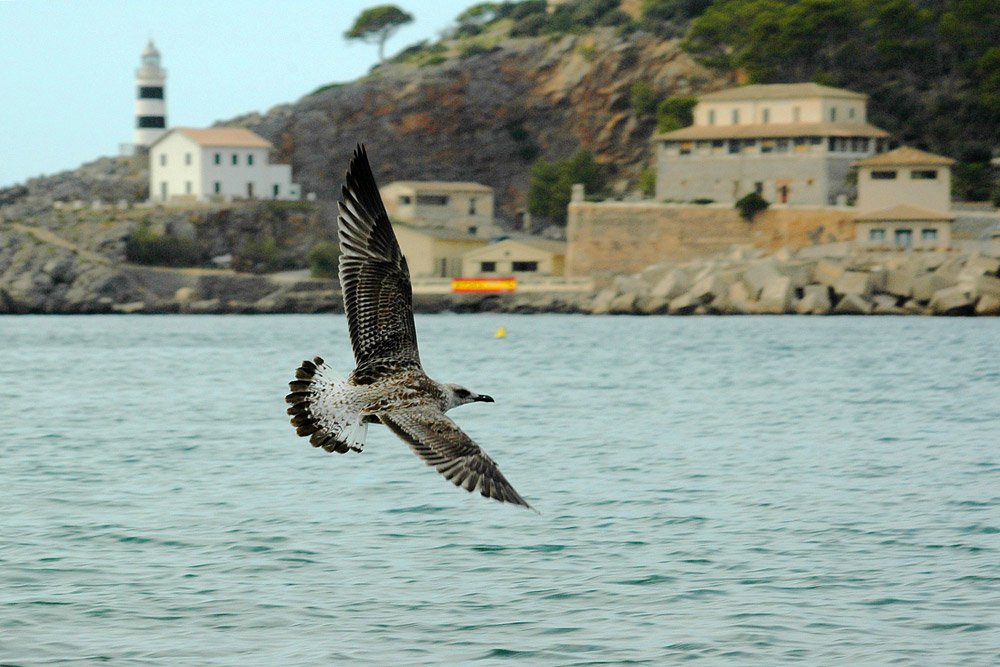
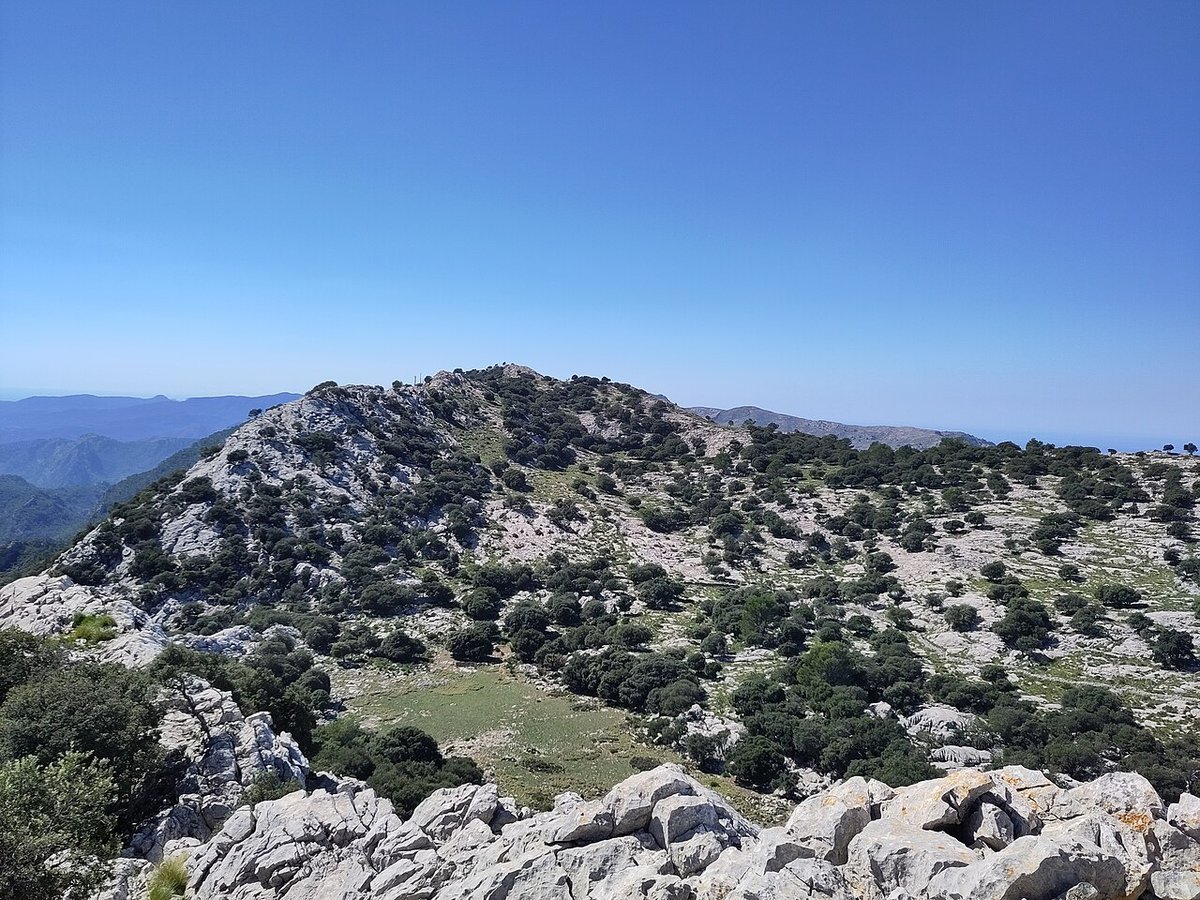
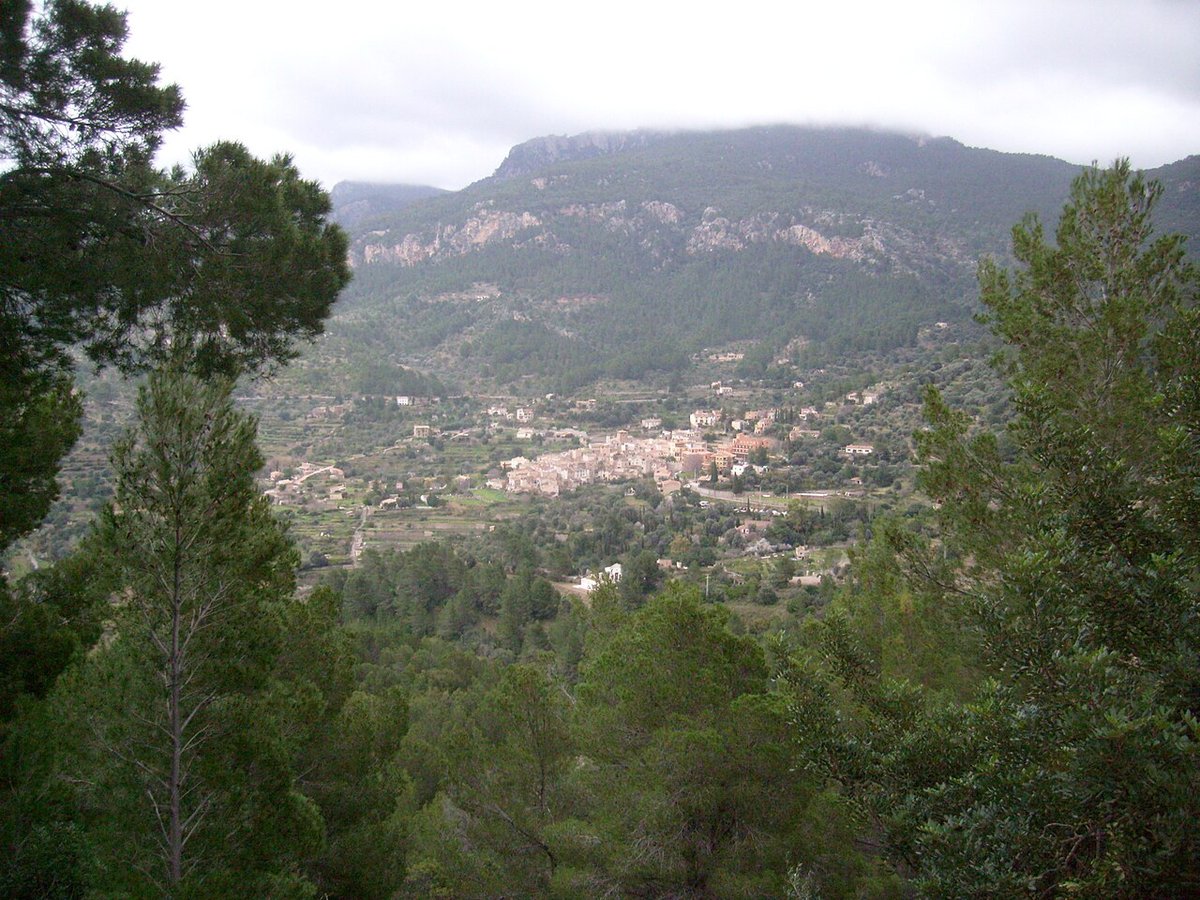
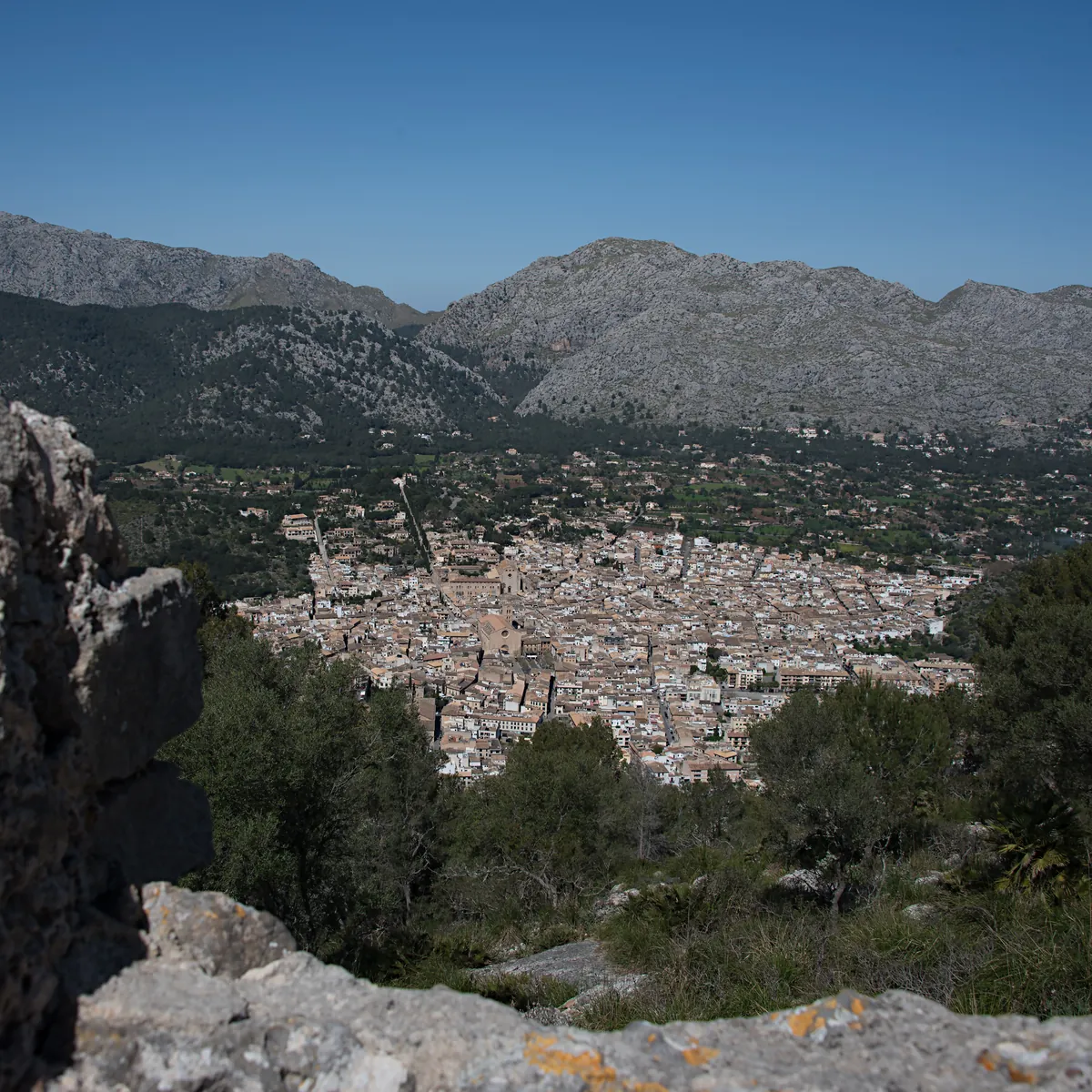
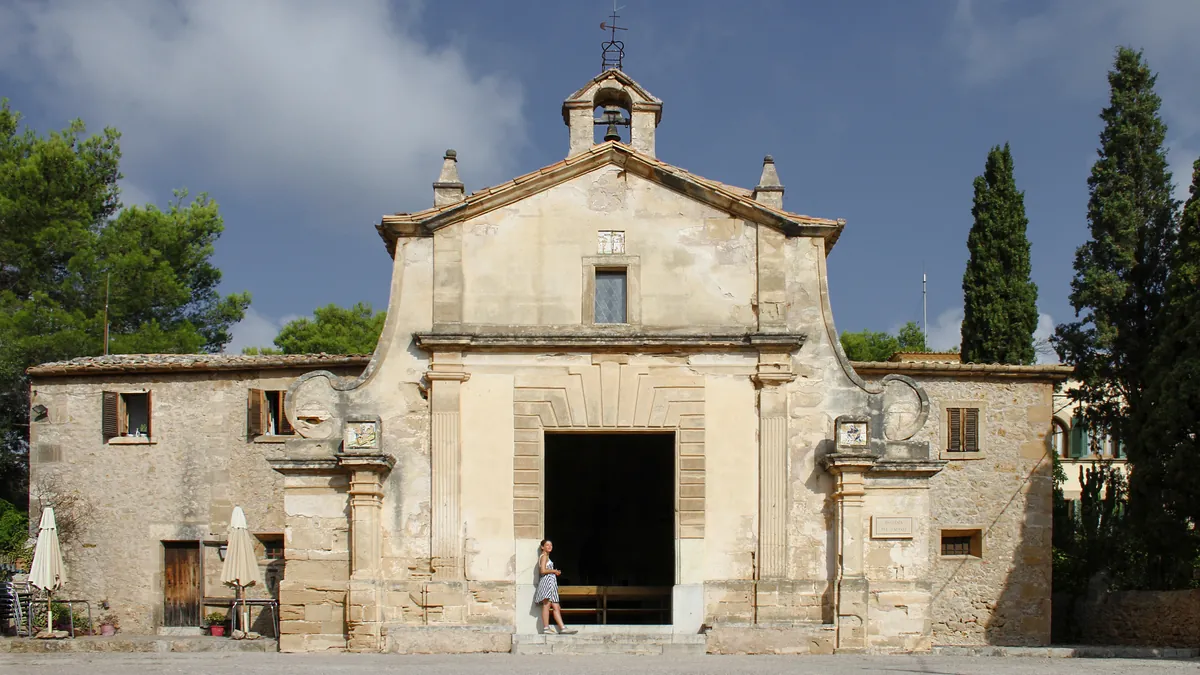
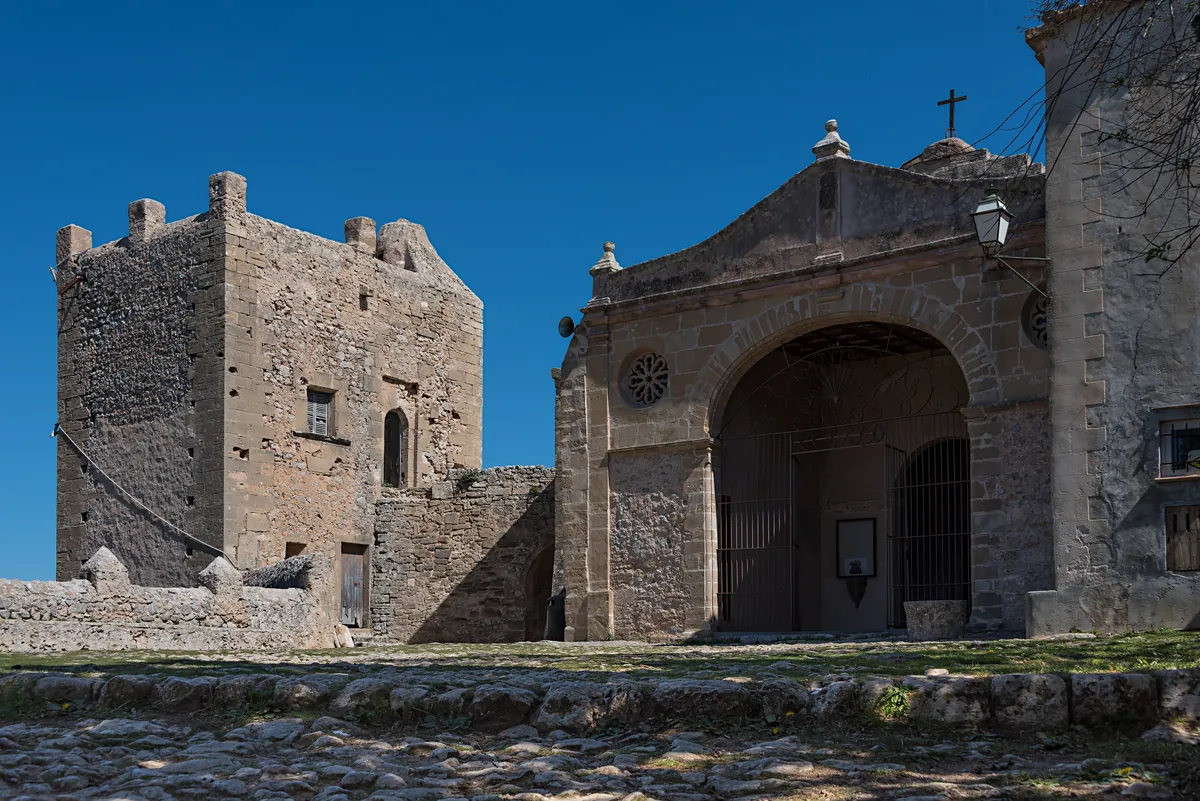
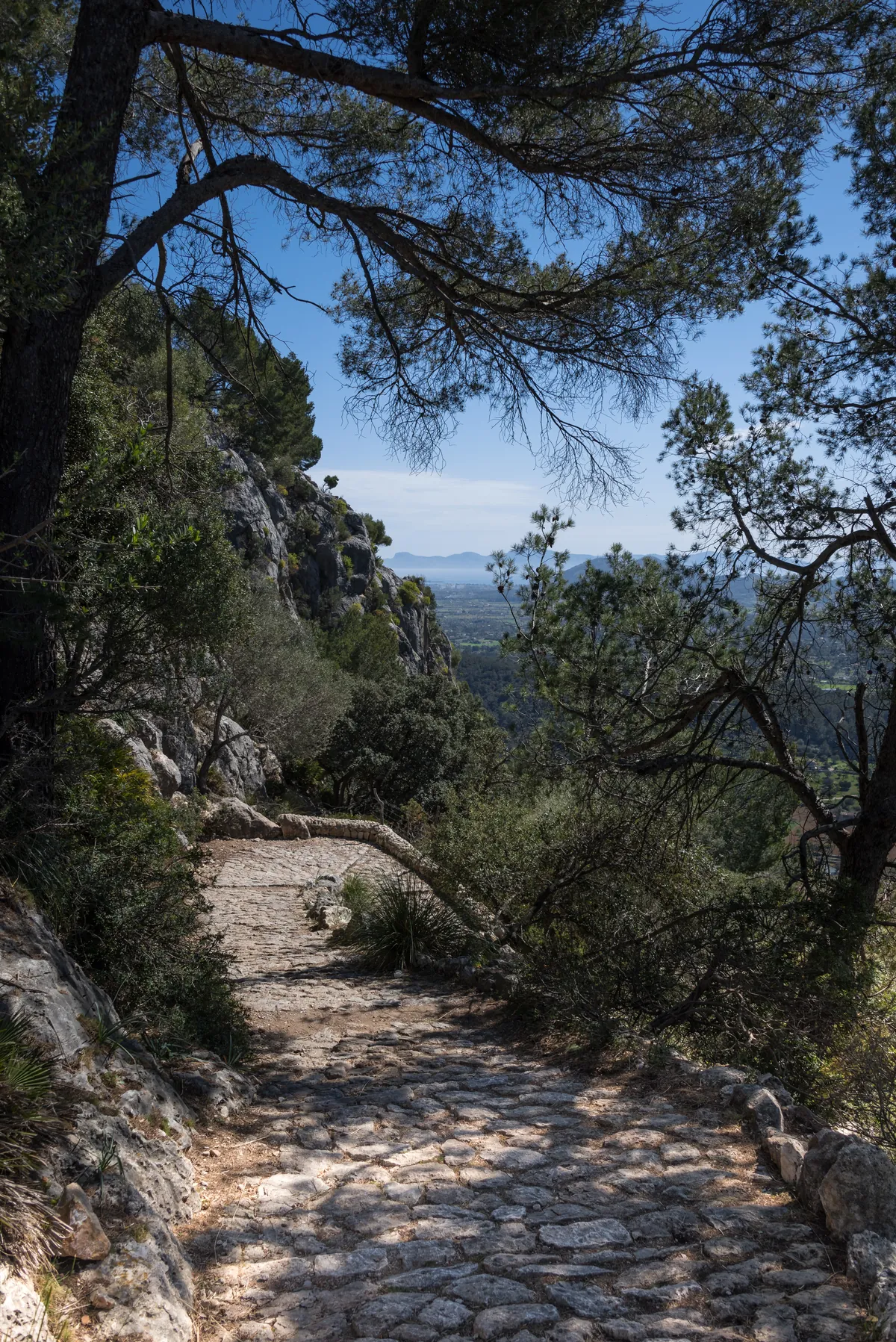
The Calvari stairway starts politely enough beside a florist, then rears up through a tunnel of cypress trees. Each step is numbered on a bronze plaque – a gimmick that becomes less amusing as the temperature rises. August visitors who begin the climb at midday tend to discover British levels of resolve evaporate around step 180. Early morning or the last hour of daylight is kinder; bring water because the only café at the summit keeps erratic hours. At the top, the tiny oratory reveals the town’s true geography: a bowl of green farmland cradled by the Tramuntana ridge, the bay of Pollença glittering four miles north. On very clear days you can pick out the lighthouse at Formentor and, if the wind is right, hear the ferry horns from Alcúdia.
Two Towns for the Price of One
Port de Pollença started life as a fishing hamlet and never quite decided whether to grow up. The result is a waterfront where 1950s hotels sit beside million-pound apartments and the municipal sand-rake still drags the beach at dawn. Pine Walk – a pedestrian path that shadows the bay – is where British voices outnumber Spanish before breakfast. The water shelves gently, so toddlers can paddle without the surf that pounds the west coast, but seaweed drifts in after storms and the council doesn’t always clear it before the first swimmers arrive.
Locals treat the port as their beach annex. They drive down after work, swim, eat an ice-cream, and retreat uphill to sleep where the air is cooler. Visitors often do the reverse, booking sea-view rooms then taking the bus inland for cheap suppers. The distance is barely five kilometres, yet the temperature can drop five degrees by the time you reach the old town square – welcome relief in July when the island turns into a pizza oven.
Eating Without the Performance
Bar Nou looks like nothing special: formica tables, paper tablecloths, waiters who call you “chief” in accented English. Order the fish soup anyway. It arrives rust-coloured, thick with saffron and chunks of merluza that taste sweet rather of the sea. Bread, alioli, a half-bottle of house white and you’re still under €35. For something heartier, La Posada does a lamb shoulder that falls apart at the sight of a fork; ask for it sin especias if chilli heat isn’t your thing. Pudding is often gató, an almond cake so moist it keeps for days – handy if you’ve rented a self-catering finca and fancy breakfast al fresco.
Vegetarians survive but don’t flourish. Most menus offer the reliable trilogy: tortilla, grilled aubergine, goat’s-cheese salad. Vegans should head to the port on Thursday evenings for the street-food market where a Majorcan-Berlin couple serve falafel that would pass muster in Shoreditch. Prices run roughly a third lower than Palma’s Santa Catalina district; a decent menú del día is still €14 if you stray two streets back from the seafront.
When the Island Calendar Takes Over
Easter week means processions that start in darkness and finish at sunrise. Locals reserve pavement space with chairs and string bags; outsiders who barge to the front get stared down with Iberic efficiency. The second of August belongs to La Patrona, a mock battle between Moors and Christians that fills the town with musket smoke and marching drums. By ten pm the square feels like a Roman amphitheatre; arrive before eight if you want a perch on the church steps. September brings the wine fair: one euro tokens, unlimited tastings, and not a Magaluf T-shirt in sight. British regulars book the same flats year after year because the thermometer still reads 28 °C but the Germans have gone home.
Winter is when Pollença breathes out. Museums shut on random weekdays, restaurants trim opening hours, and some cafés simply nail plywood over the door until February. Yet the light softens to honey, rental prices halve, and hikers have the Tramuntana almost to themselves. If you fancy serious walking, the GR-221 long-distance route passes the town outskirts; a circular morning climb to the Puig de Maria monastery takes ninety minutes and delivers espresso at the top for €1.50 – cheaper than the gym back home.
Getting Here, Getting Around
Palma airport sits sixty kilometres south. The hire-car queue in July resembles a departure-lounge refugee camp; pre-book or take the bus. Route 301 costs €2, leaves every half hour, and drops you in Plaça d’Espanya after an hour of almond orchards and furniture warehouses. Taxis want a fixed €90 – cheeky, but after a three-hour delay at Gatwick it can feel like sanity.
Once installed, ditch the car for everyday errands. Local buses link old town and port every twenty minutes until midnight. Cycling is big news: Olympic teams train on the Cap de Formentor hairpins, yet you can also tootle along the flat bay path on a Dutch bike rented for €8 a day. Be warned – the road to the lighthouse is closed to private vehicles between 10 am and 7 pm in high season. A shuttle runs from the port for €6 return and spares you the nerve-shredding bends.
The Honest Verdict
Pollença will not hand you instant wow-factor. There are no infinity-pool beach clubs, no Michelin stars, no queue-round-the-block sights. What you get instead is continuity: bread baked at 5 am in the same oven since 1928, a square where teenagers still meet their grandparents for ice-cream, a hilltop view that hasn’t been sold to a hotel developer. If that sounds dull, stay on the south coast and save yourself the petrol. If it sounds like the Mallorca you suspected still existed, come before the rest of Britain realises the secret is already half-out.