Full Article
about Puigpunyent
Green, leafy valley in the mountains; quiet, eco-friendly municipality ringed by peaks and holm-oak forest.
Hide article Read full article
A valley that feels further away than it is
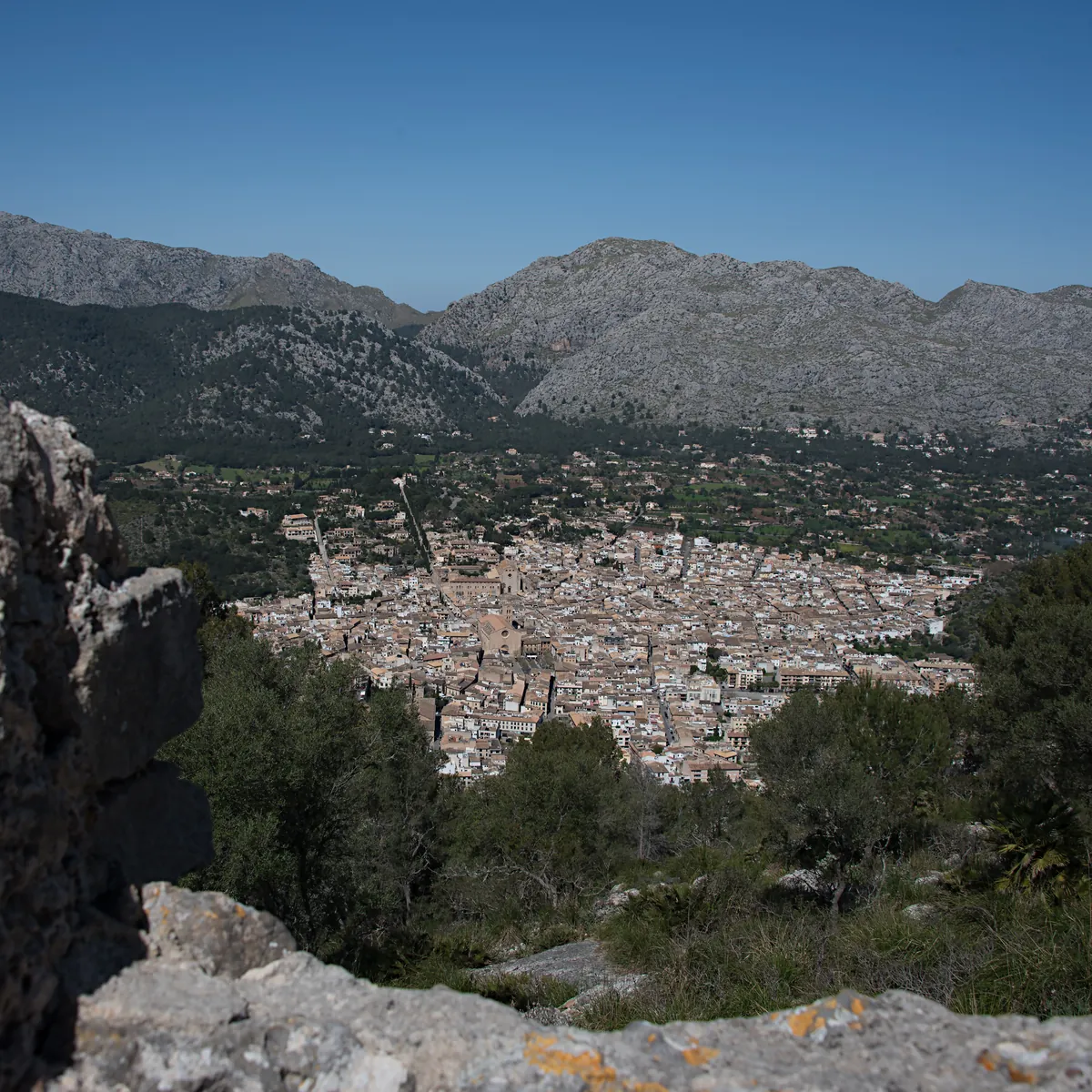
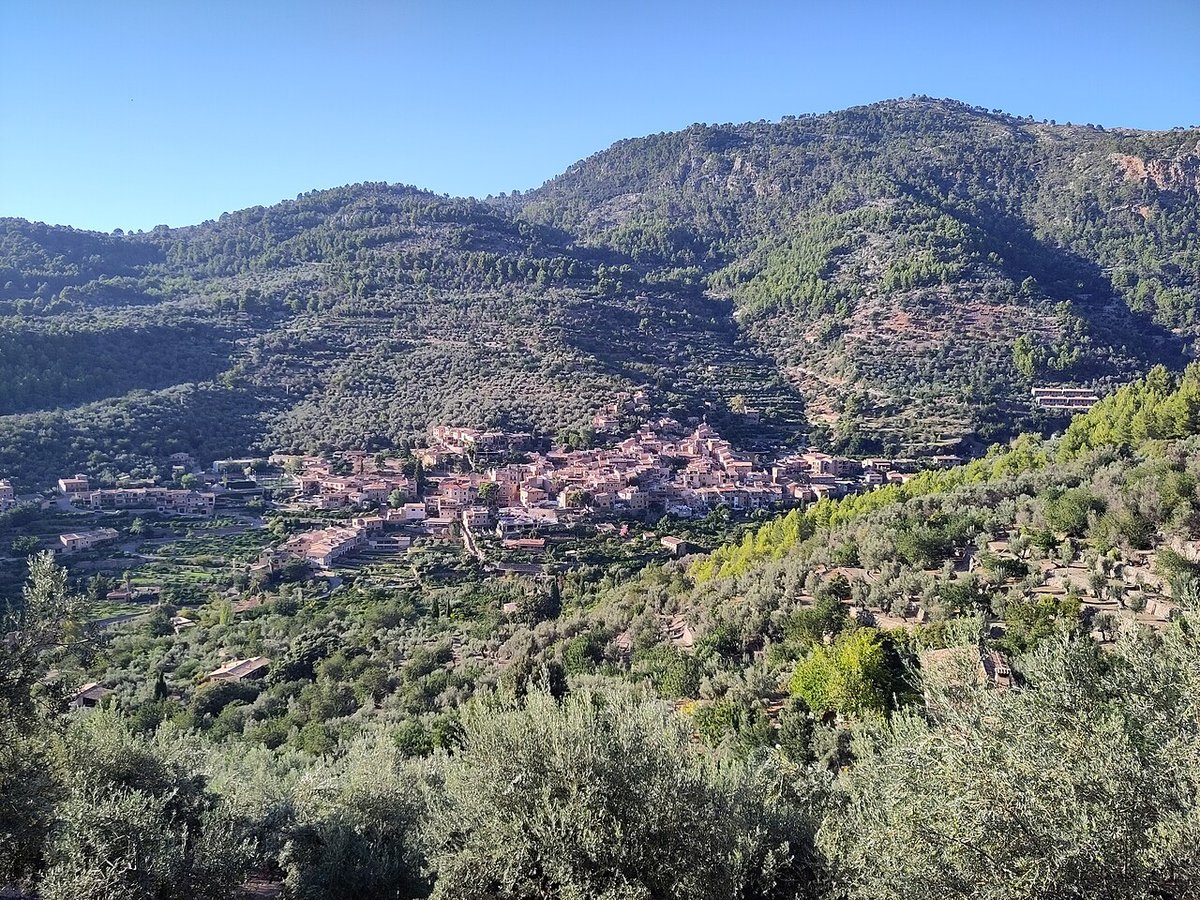
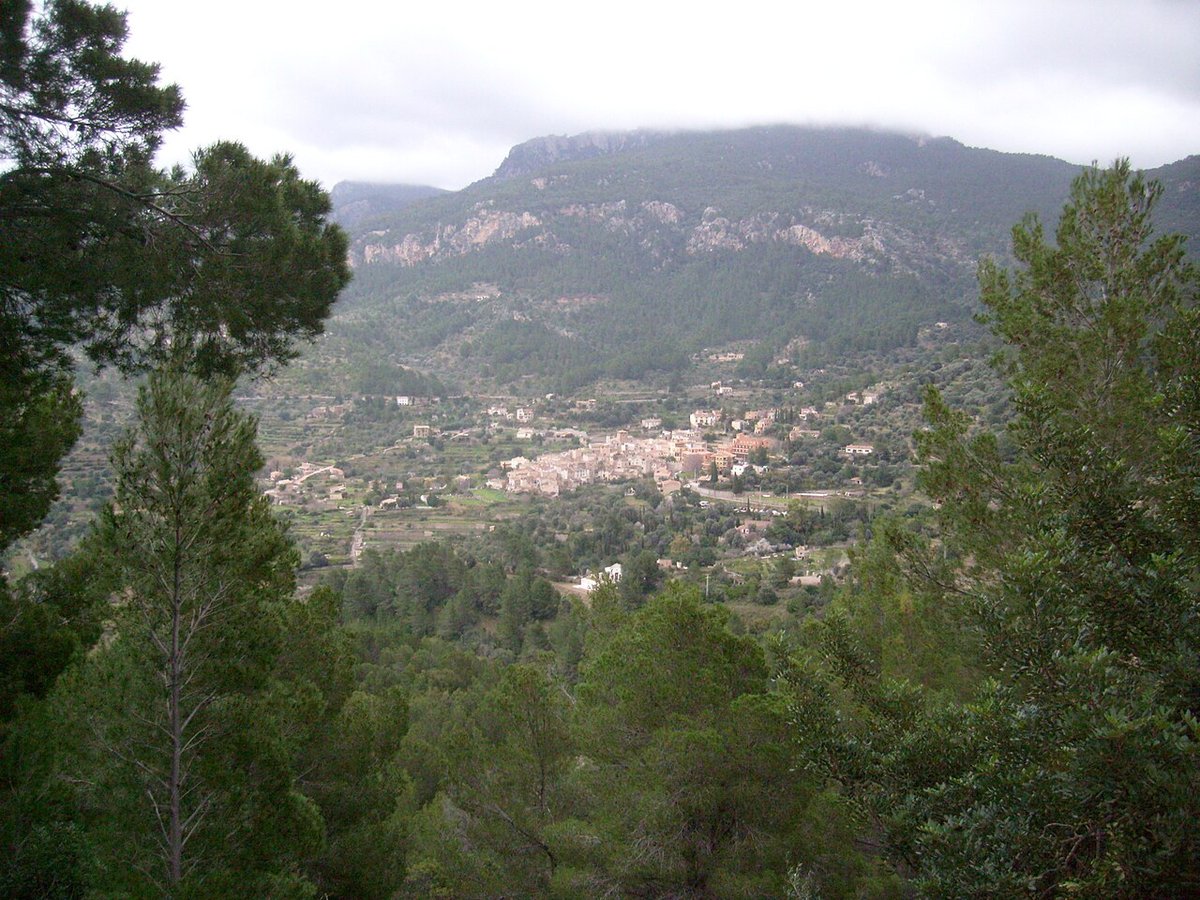
Puigpunyent sits in a fold of the Serra de Tramuntana, a short drive from Palma yet with a sense of distance that goes well beyond what the map suggests. The approach already shifts the mood. Roads narrow, the terrain rises, and the presence of Puig de Galatzó becomes hard to ignore. It stands above the valley with a certain severity, the kind of mountain that seems to quietly assess anyone arriving from sea level.
At certain hours the village feels almost paused. Mid-afternoon can bring half-lowered shutters and quiet streets, as if daily life has stepped aside for a while. It gives a slightly disorienting first impression, but it does not take long to realise that Puigpunyent is not empty. It simply runs at its own pace.
A village that keeps its rhythm
Puigpunyent has not turned into a stage set for visitors, yet it does not shut itself off either. It sits in that middle ground many places aim for and few sustain. This is a small municipality, with areas such as Galilea and Son Serralta, where daily life still follows the rhythm of the valley.
Plaça de la Vila acts as the natural centre. It is modest in size. Within minutes, the layout becomes familiar: the town hall, the church, a few places to sit, and people crossing the square, often stopping to greet one another. Stay a little longer and faces begin to repeat, even for someone who has only just arrived.
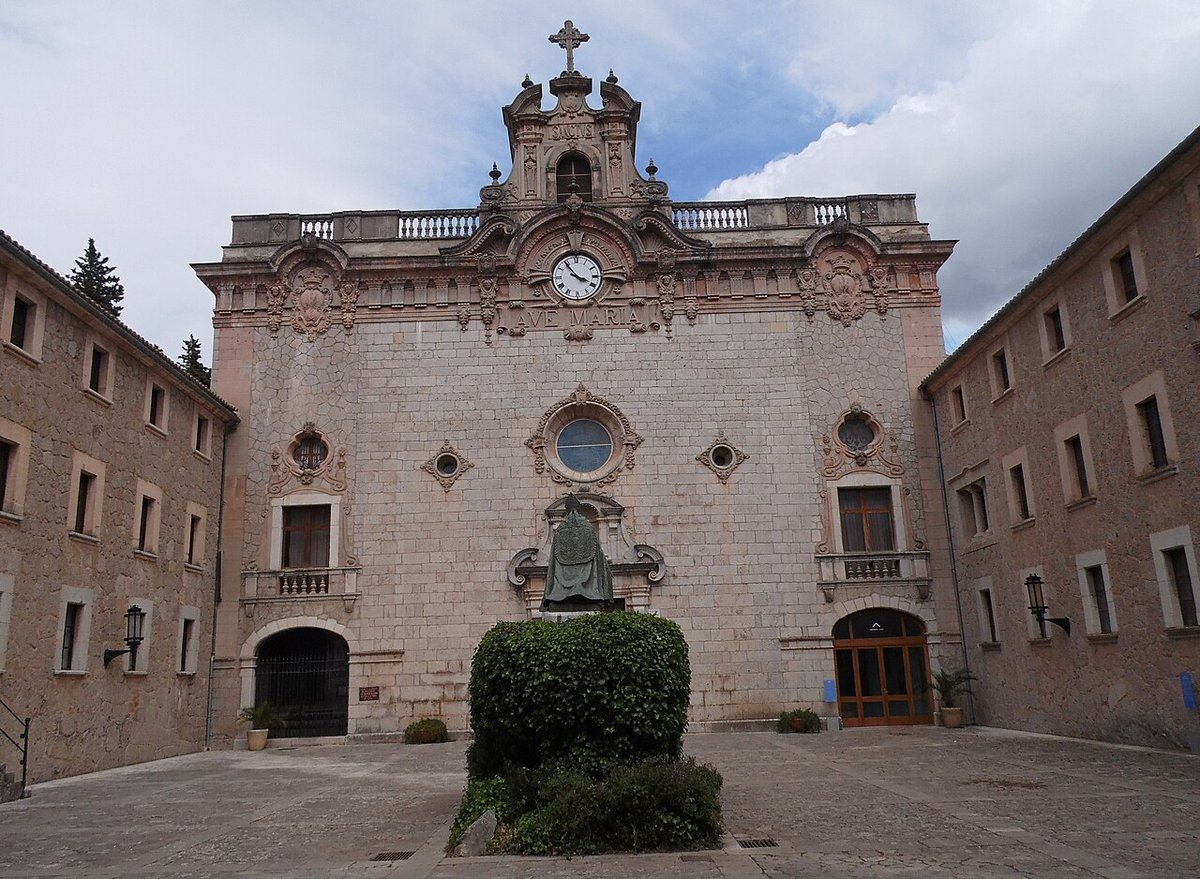
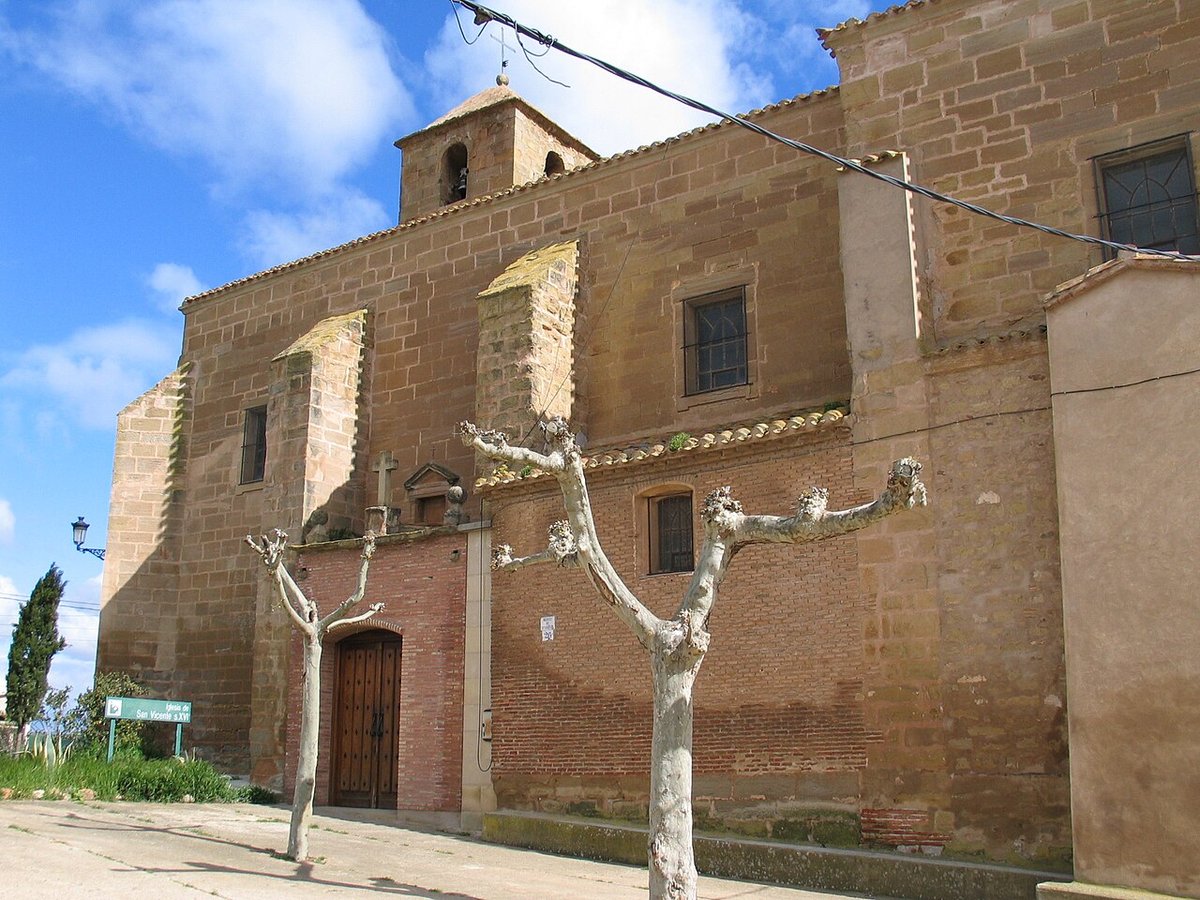
The church of l’Assumpció appears almost without ceremony. It is not grand in scale, yet its history shifts the perspective. The current building dates from the eighteenth century, and that alone invites a second look. The stone has been here longer than most things one might think of, and it shows in the quiet solidity of the structure.
Talayots hidden among the pines
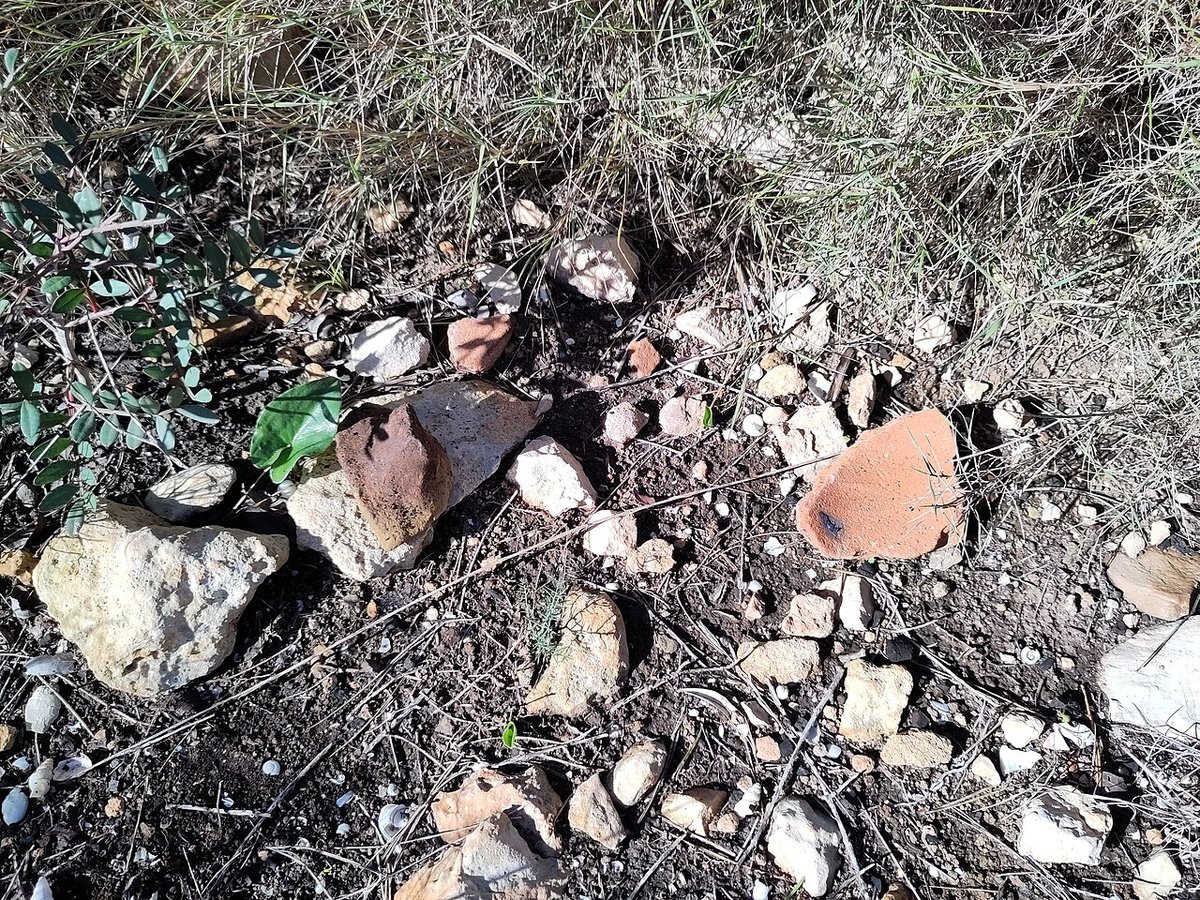
One of the more surprising aspects of Puigpunyent is the number of prehistoric remains scattered across the area. It is often said that there are dozens of talayotic sites here, linked to the ancient culture that once occupied parts of the Balearic Islands. Many of them are tucked away between old terraces and pine woods, not immediately visible unless you know where to look.
The talaïot of Son Serralta is frequently mentioned. A very old bronze sword was discovered there and is now kept in a museum in Palma. Just the idea of that object moving through this same valley thousands of years ago shifts how the landscape feels. It is no longer just a scenic setting but a place layered with long, quiet histories.
Some of these structures can be reached by footpaths leading out towards areas like Esporles. These are not always short strolls, despite how they may appear on a map. Reaching a talaïot often involves a steady walk, sometimes longer than expected. What waits at the end is, in simple terms, a tower of ancient stones. Yet the effort reframes it. After the climb, it becomes a destination rather than just a pile of rock.
Seen through a lighter lens, one visitor once compared these structures to a kind of prehistoric construction set, like Lego without instructions. It is a playful way to describe something that still resists full explanation.
What’s on the plate
Food in Puigpunyent reflects the same grounded character as the landscape. Traditional dishes remain part of everyday cooking, without much need for reinterpretation.
Tumbet is one of the staples. It is a Mallorcan vegetable dish made with potato, aubergine, pepper and tomato. On paper it sounds simple, but each household prepares it slightly differently. In this area, the vegetables are first fried before being baked together, creating a result that feels more substantial than expected. It is the kind of dish that reveals itself gradually, gaining depth with each bite.
Another classic is frit de porc with snails. At first glance, the inclusion of snails may give pause to those unfamiliar with it. Within the dish, however, they do not dominate. Instead, they blend into the overall mix, contributing to a recipe that has likely been cooked here long before the idea of travel guides existed.
These are not dishes presented as culinary showcases. They are part of the routine, prepared in ways that feel consistent rather than performative.
Climbing up to Galatzó
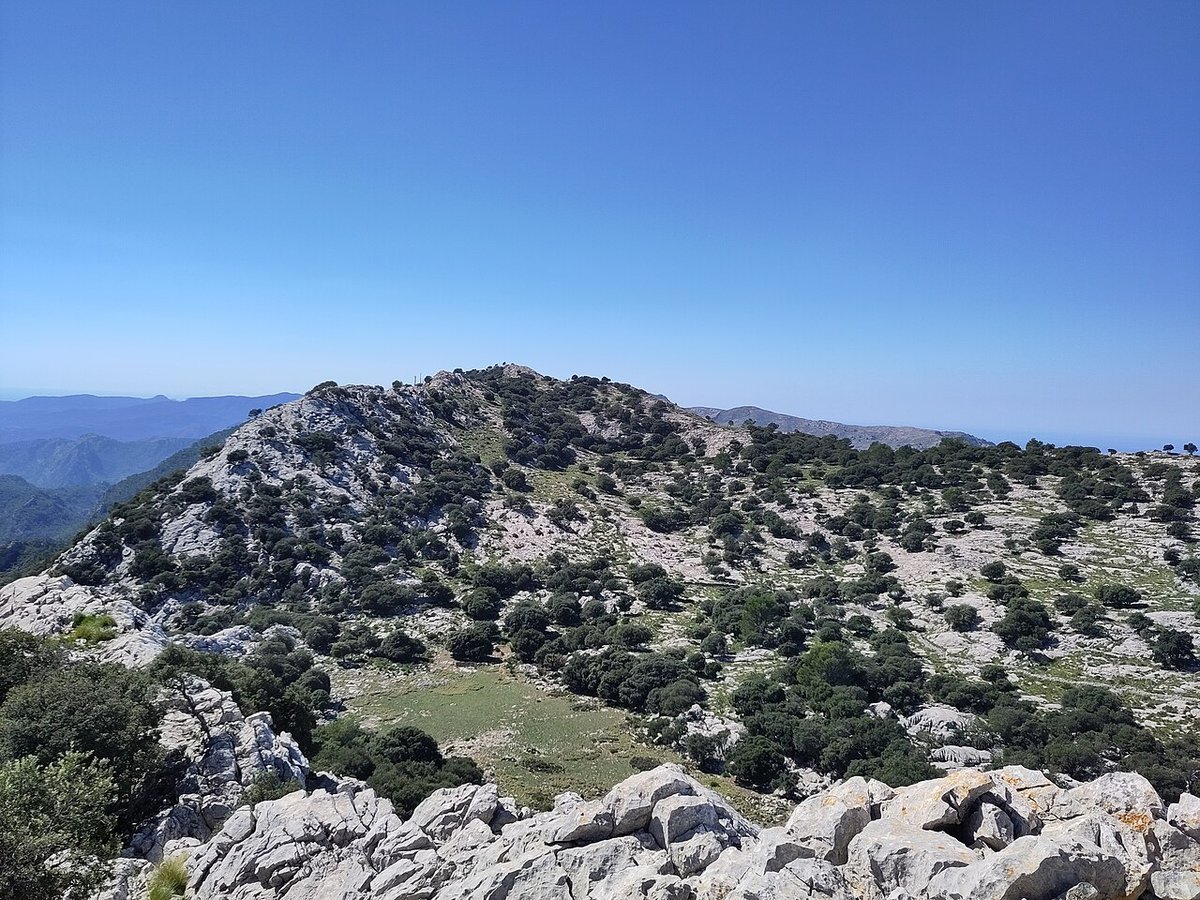
Puig de Galatzó defines the skyline around Puigpunyent. It is visible from almost every point in the valley, and sooner or later the question arises of what the view is like from the top.
The ascent is not brief. There is a noticeable change in elevation, and under strong sun each section of the path can feel longer than the last. What begins with confidence often turns into a steady negotiation with the slope, one bend at a time.
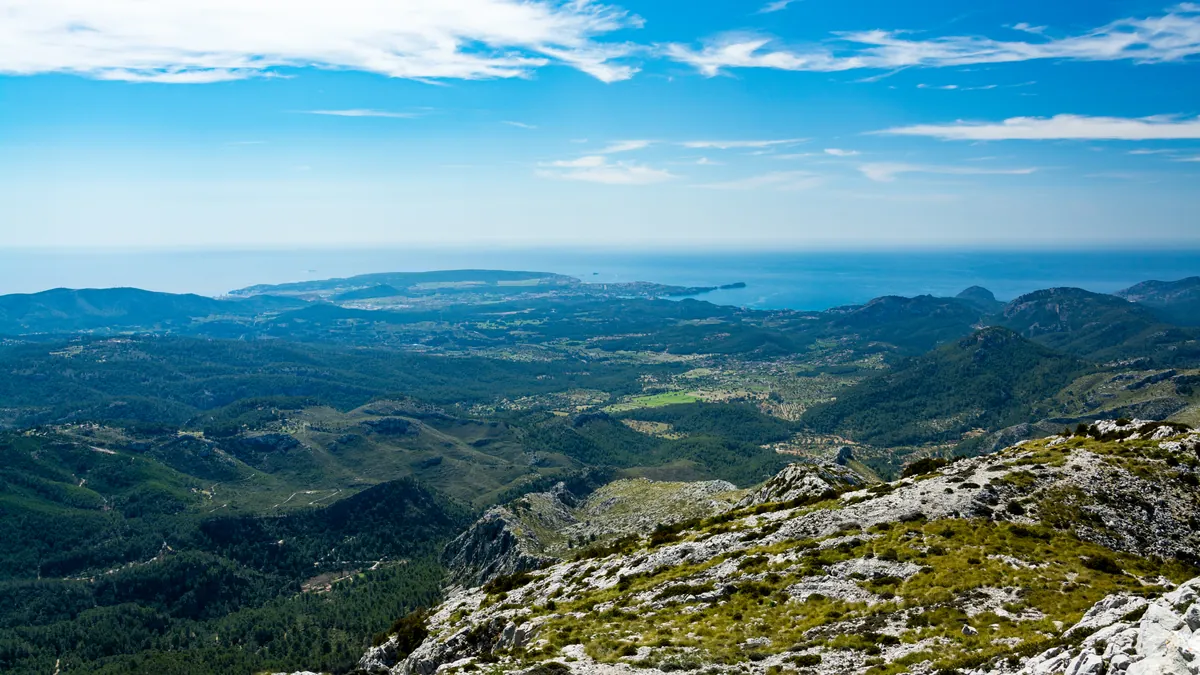
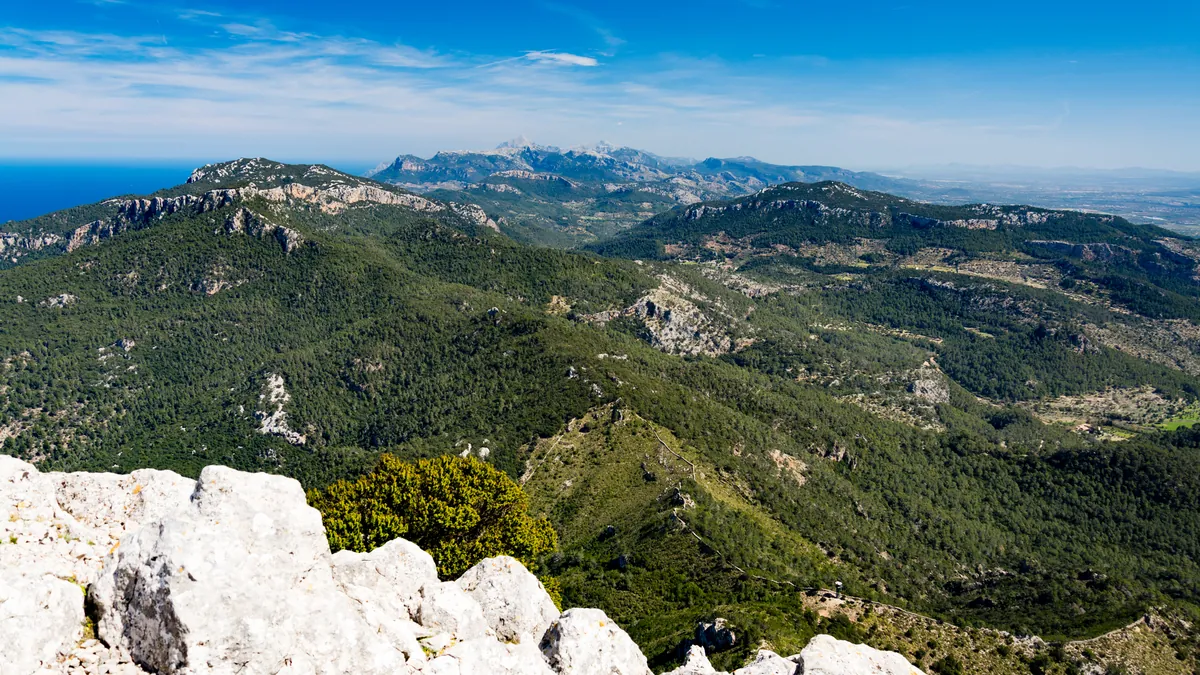
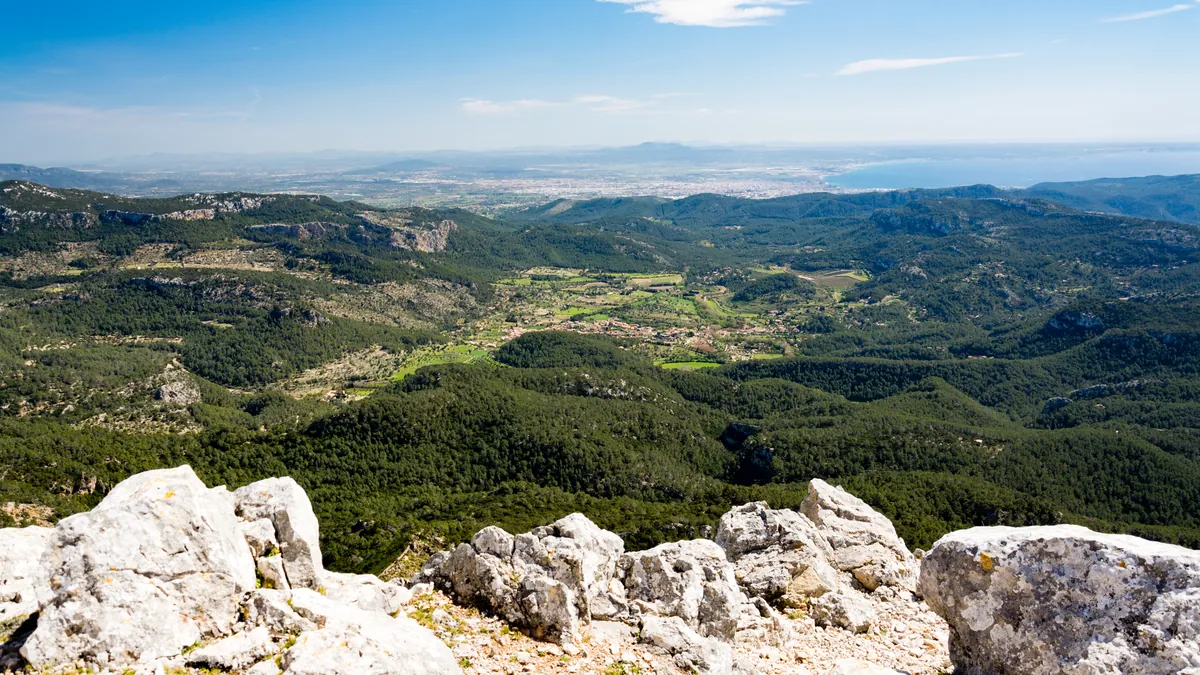
Reaching the summit brings a clear reward. The entire valley opens up, framed by the surrounding mountains, with Palma appearing small in the distance to the south. It is a view that places everything in relation, showing just how enclosed and self-contained Puigpunyent really is.
At the top, there is usually a metal box holding a notebook where visitors leave messages. The entries range from cyclists who have travelled from afar to people marking personal moments such as birthdays. The notes vary in tone, but they all share the same underlying idea: the climb matters, and reaching the summit is something to mark, however simply.
The small details that stay with you
Puigpunyent is not a place designed for ticking off landmarks. There are no major monuments demanding attention, nor streets arranged for quick photographs. What defines it is quieter and less immediate: a valley, a network of paths leading into the mountains, and a village that continues to function on its own terms.
The impression builds through small details. People greeting each other in the street. The stillness that settles in as evening approaches. The sense that rushing serves little purpose here.
The contrast with Palma is striking, especially given how close it is. The physical distance may be short, but the change in atmosphere is much greater than expected. It is a reminder that proximity does not always translate into similarity, and that some places manage to hold on to their own tempo, even when the city is just down the road.