Full Article
about Sóller
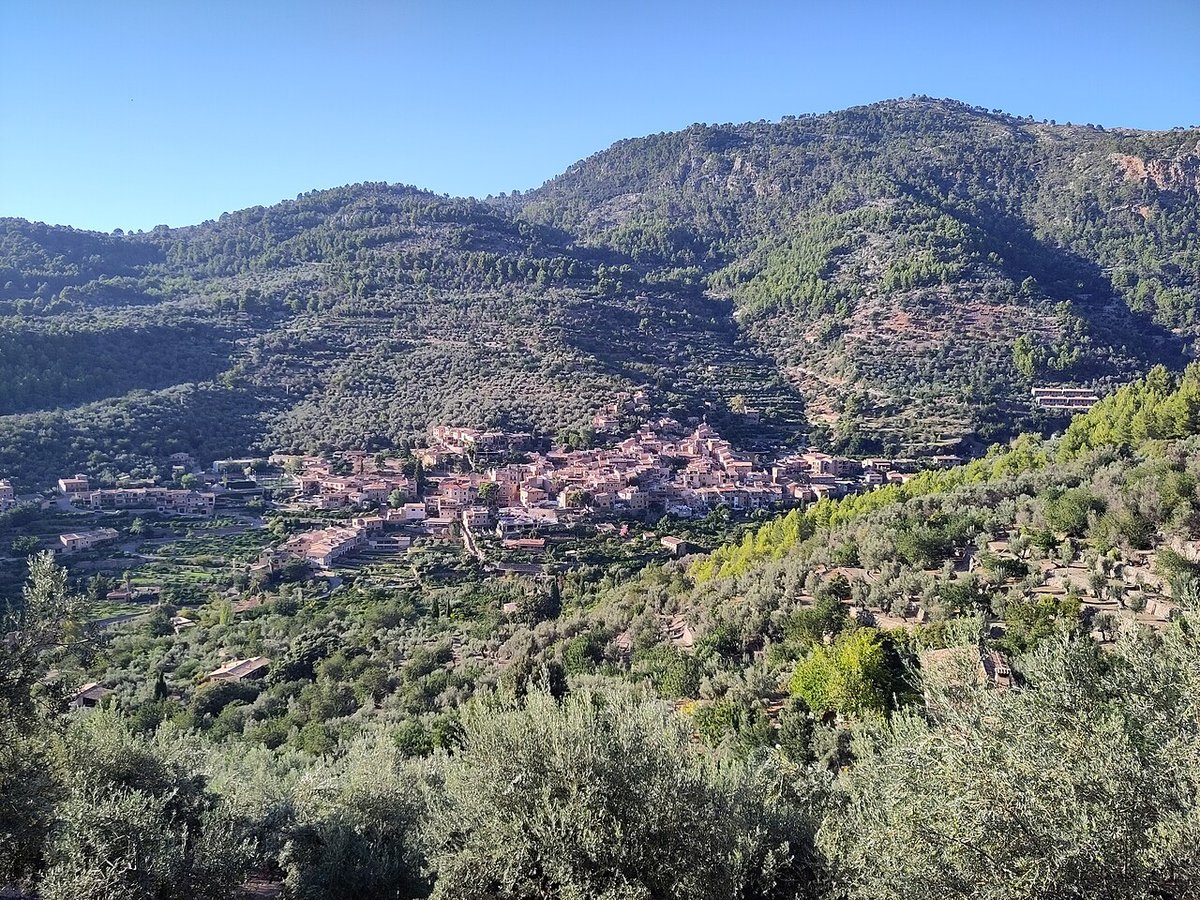
Orange-grove valley ringed by mountains with Art Nouveau buildings; linked by a historic wooden train.
Hide article Read full article
A valley scented before its season
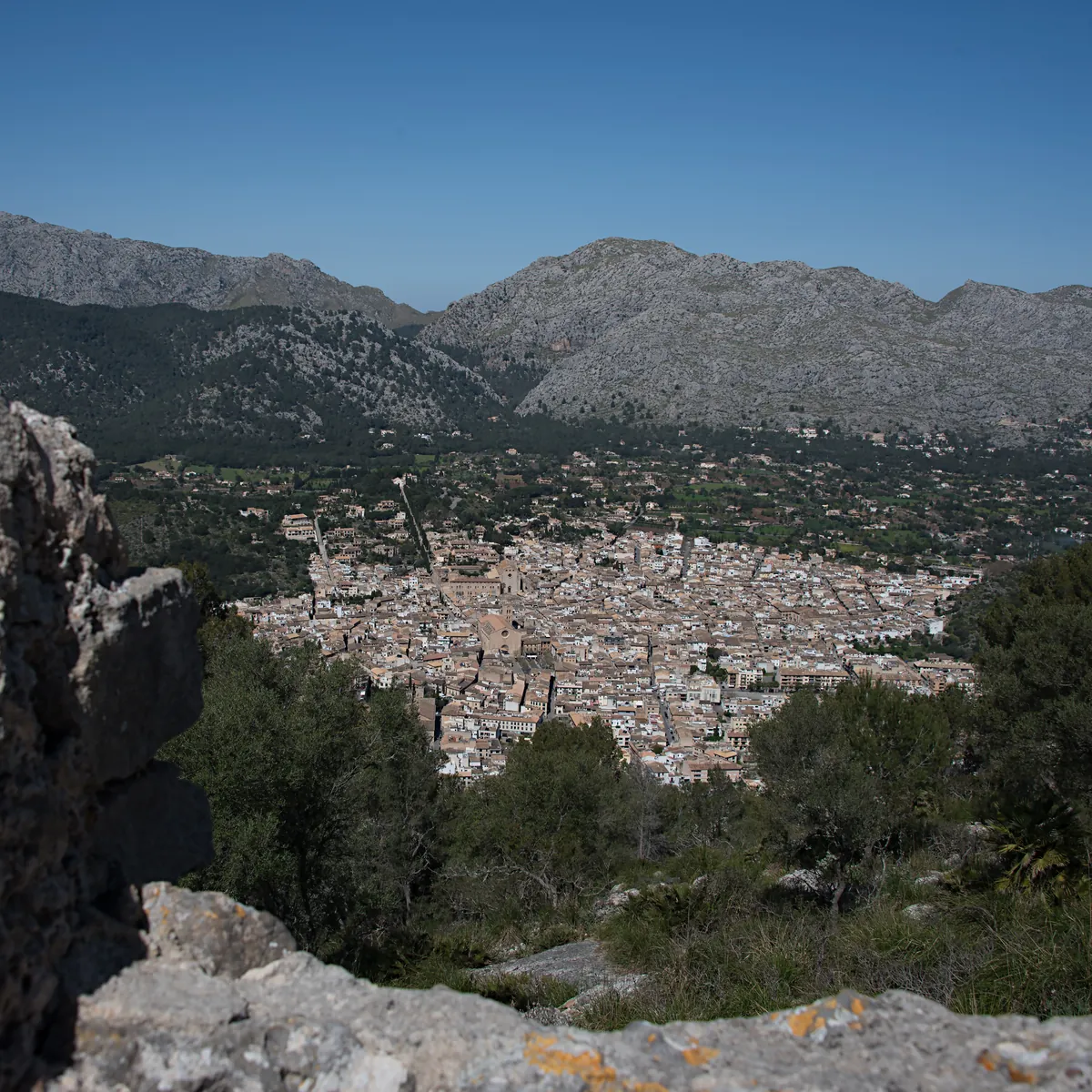
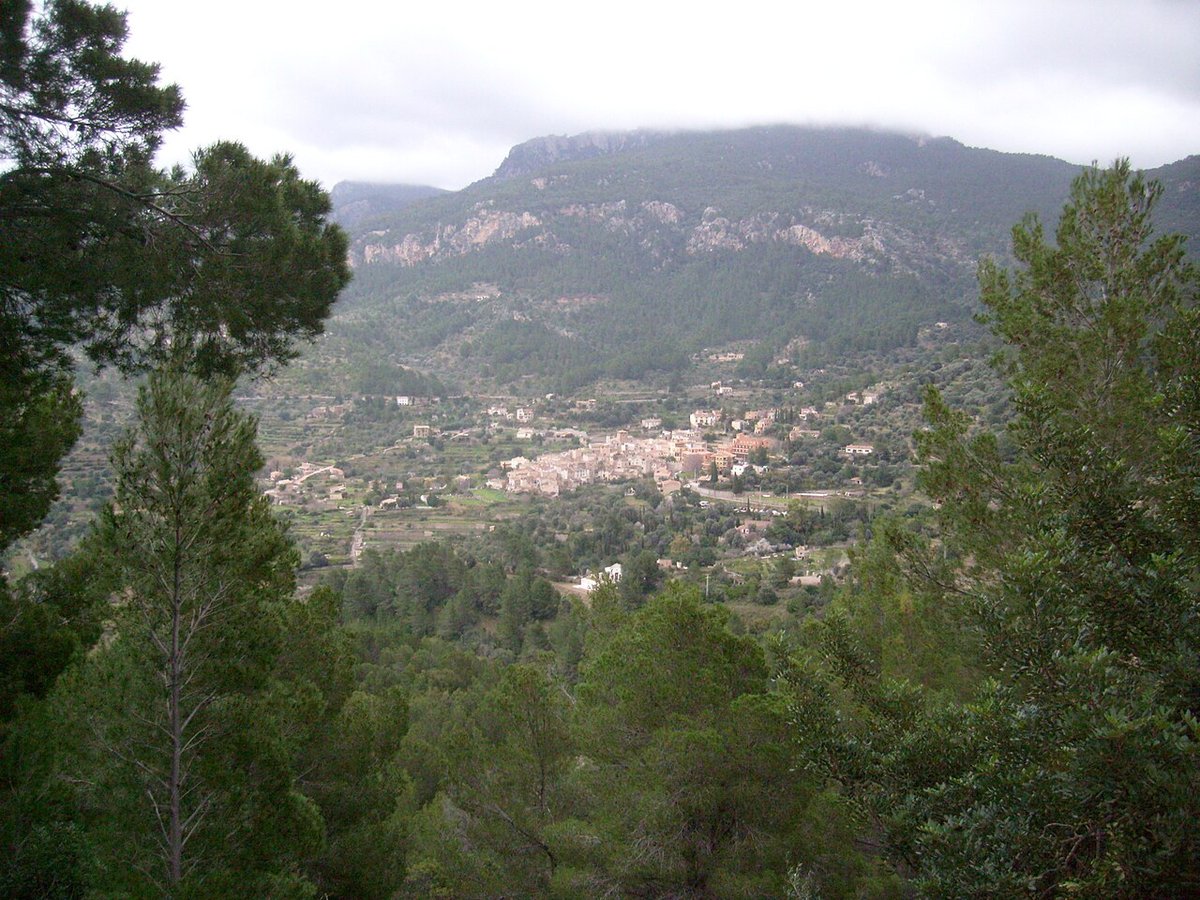
Oranges are picked in winter, yet the valley begins to smell of blossom well before that. By late February, if the weather has been mild, the scent of azahar is already in the air. Early in the morning, as sunlight filters through the gap in the Serra de Tramuntana, it settles over the still-damp orange groves and the town wakes gradually.
From the Mirador de la Cruz, reached with a short climb, the first view of the day often comes with a thin layer of mist suspended over the valley. It lingers for a few minutes like a sheet, and through it the reddish roofs of Sóller appear, pressed up against the mountain. The sense is of a place enclosed by its landscape, shaped by it and moving at its own pace.
When the tram sounds like 1913
The yellow tram has been part of daily life here since the early 20th century. It links the town with the Port de Sóller over roughly five kilometres, running between citrus orchards and small agricultural tracks. As it passes through the centre, its metallic rattle blends with chairs scraping across the square and the sound of wooden shutters opening in the shops.
Early in the day, some locals still use it to travel to and from the port. The journey is unhurried, with tight bends and stretches where branches from lemon trees come so close that they seem within reach from the window.
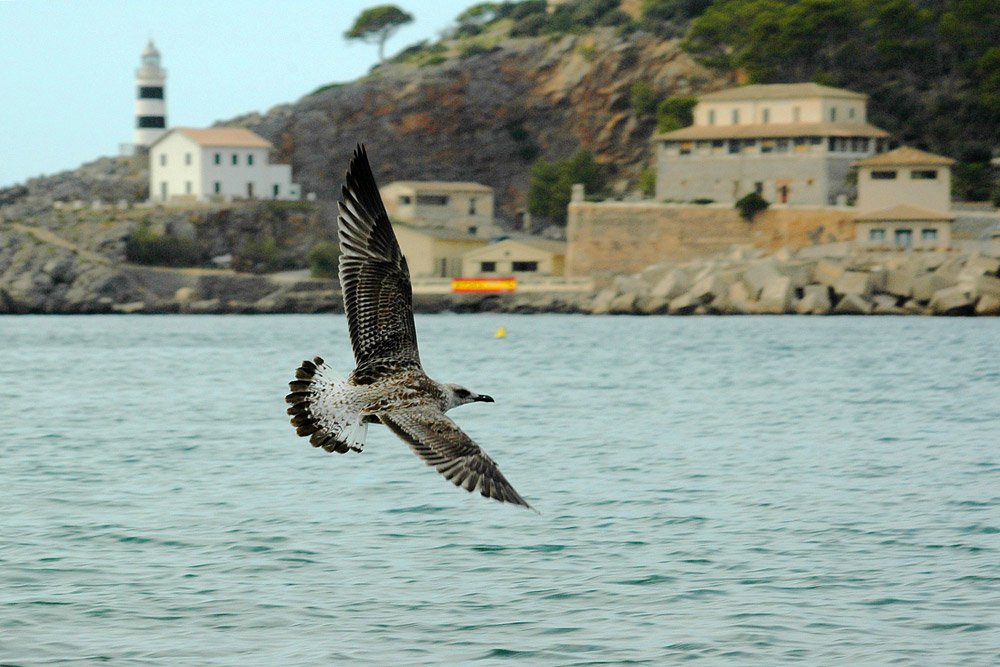
At the Port de Sóller, at that hour when the sea is still fairly flat, it is easy to come across freshly baked bread. The traditional ensaïmada, made with pork lard, has a light texture that breaks apart at the slightest touch. It is sometimes eaten plain with a dusting of icing sugar, sometimes filled, yet always based on the same airy dough prepared the night before.
Sant Bartomeu and the houses of return
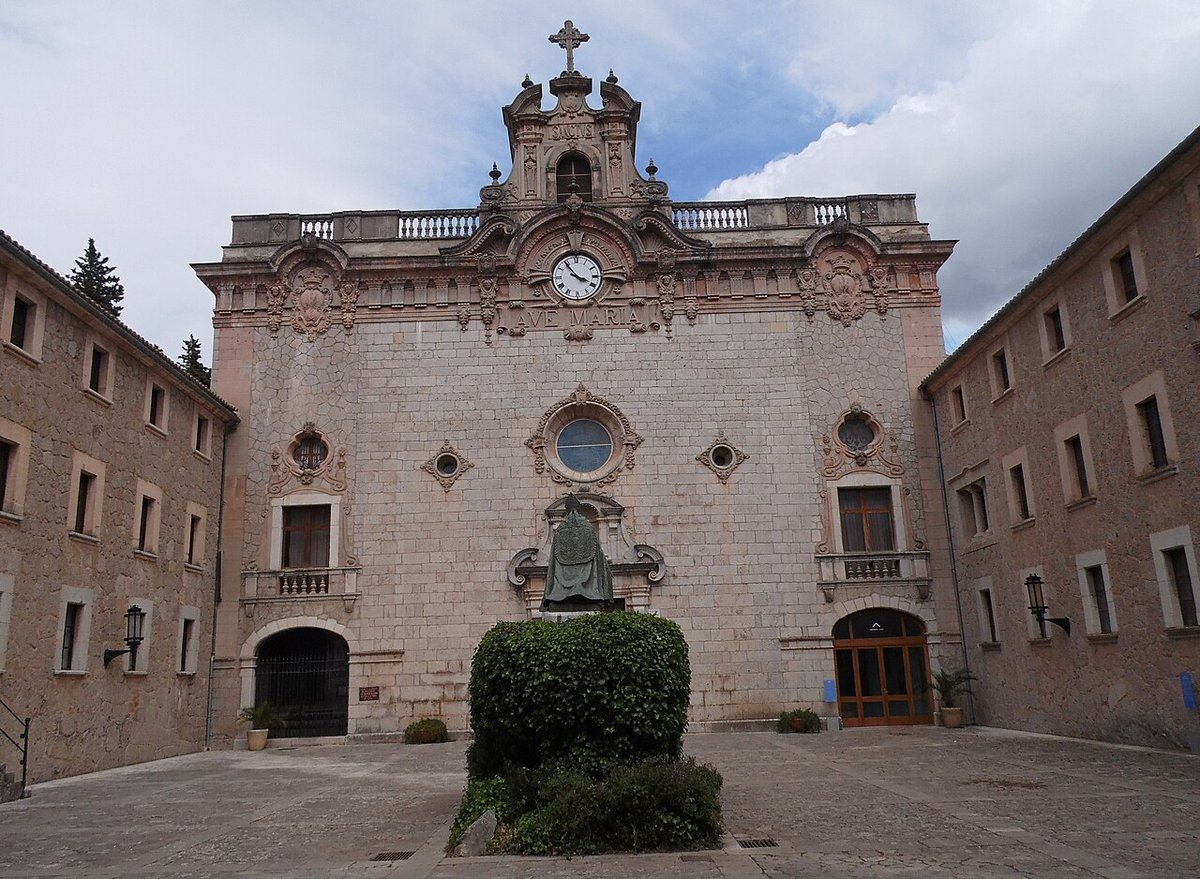
The façade of Sant Bartomeu stands out as soon as you step into the main square. At the start of the 20th century it was remodelled in a modernista style by Joan Rubió, an architect linked to Gaudí’s circle. Behind that façade remains the structure of an earlier church built centuries before.
Inside, there is often a mix of candle wax and the damp scent of stone. In the late afternoon, when the sun enters at a low angle, light from the rose windows falls across the floor, forming patches of violet and red that shift slowly as the light changes.
Around the square and along nearby streets, larger houses appear with wrought iron balconies and highly decorated façades. Many were built when residents who had emigrated to Cuba or France returned with enough money to construct something more ambitious than the older agricultural homes. These buildings still mark that period, giving the centre a distinct architectural layer that contrasts with the rural surroundings.
The path towards Biniaraix
From the square, carrer de sa Lluna climbs steadily uphill past shops and old doorways. As the walk continues, the noise of the centre fades and the setting changes to lower houses, small plots of land and irrigation channels.
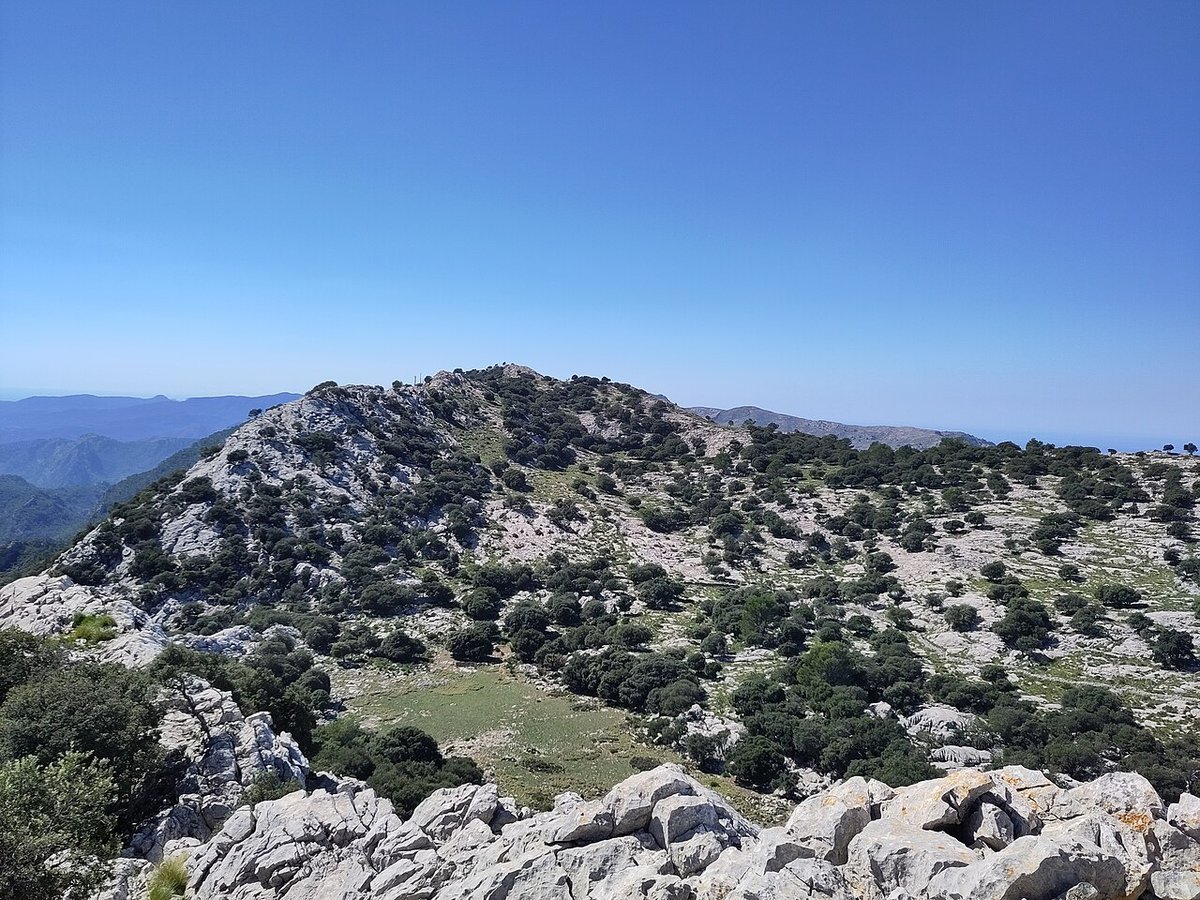
Further up lies Biniaraix, a small settlement tucked against the mountain. From here begins the old stone-paved path that climbs towards the coll de l’Ofre and connects with several walking routes in the Tramuntana range. The stone steps, worn smooth by centuries of use, take on a slight sheen when they have absorbed moisture overnight.
The first stretch passes through very old olive groves, with thick, twisted trunks that show their age. It is only a few kilometres to Fornalutx along rural paths, though it is sensible to carry water and avoid the middle of the day in summer, as shade is not constant.
In spring, the valley hosts the Fira de la Taronja, a fair dedicated to its citrus. During these days, stalls and dishes centred on both bitter and sweet oranges appear throughout the area. It offers a direct sense of how deeply the valley’s life has been tied to these trees.
Timing the visit
March is often one of the most pleasant times to arrive. Orange blossom begins to scent the air, and during the week the valley remains relatively calm.
In May, Sóller holds Es Firó, a historical re-enactment of a 16th-century corsair attack on the town. The days are filled with gunpowder, music and activity in the streets. The town becomes busy, and parking can be difficult.
August brings a complete shift in atmosphere. Coaches arrive in large numbers and the centre grows noticeably louder. For those looking to walk or sit quietly in the square, October tends to work better. The heat eases, the first oranges begin to colour the trees, and the water at the port still allows for a quick swim.
Winter is much quieter across the valley, though the humidity from the Tramuntana is more noticeable. As evening falls, the cold often slips through the narrow streets.
Sóller does not revolve around large beaches or nightlife. What defines it is a valley enclosed by mountains, a tram that still runs through citrus groves, and a square where, as the sun drops, light clings for a few moments to the golden stone of the façades. For many, that is enough to understand the place.