Full Article
about Valldemossa
Stone mountain village filled with flowers; famous for its Cartuja where Chopin once lived and its potato coca.
Hide article Read full article
A village shaped by slope and stone
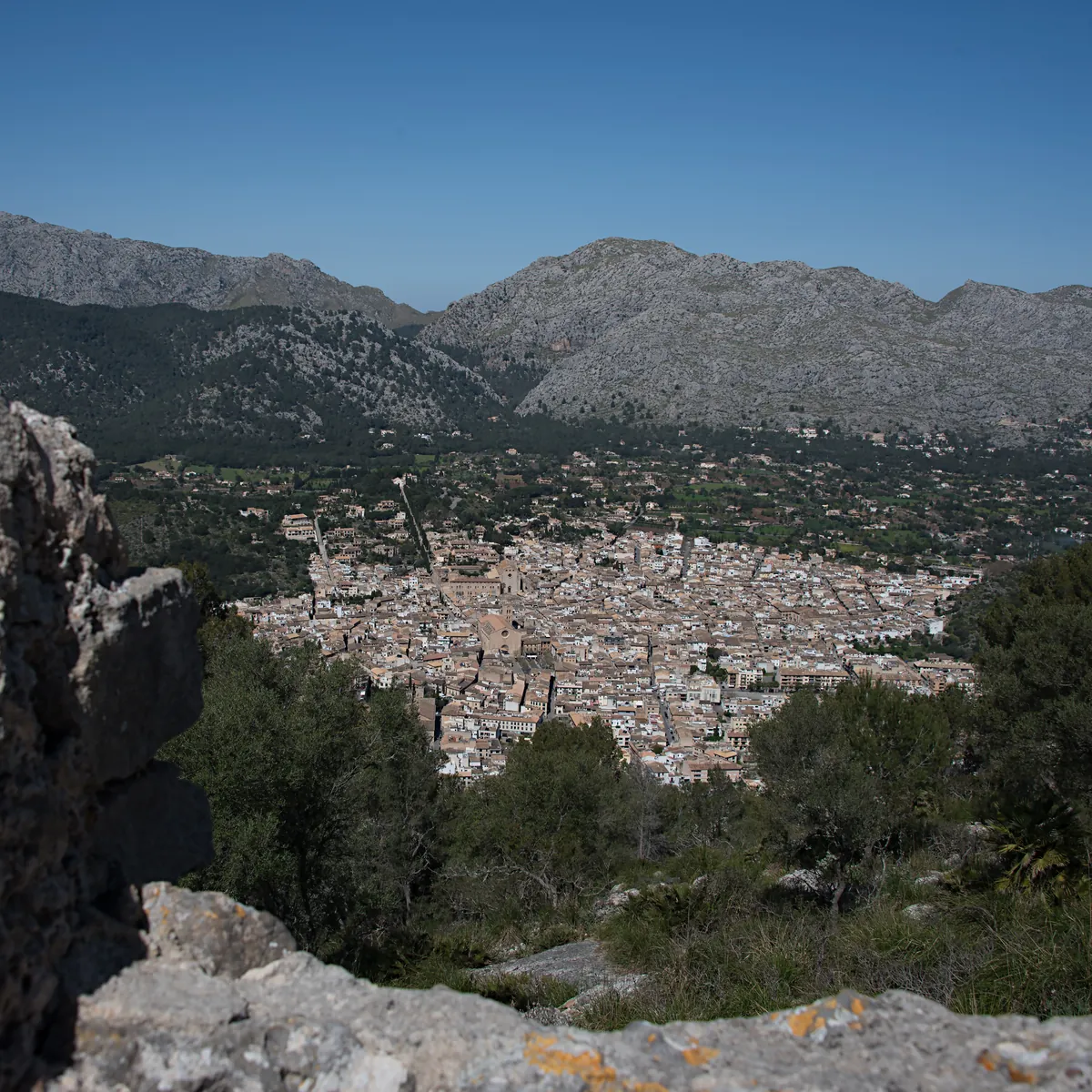
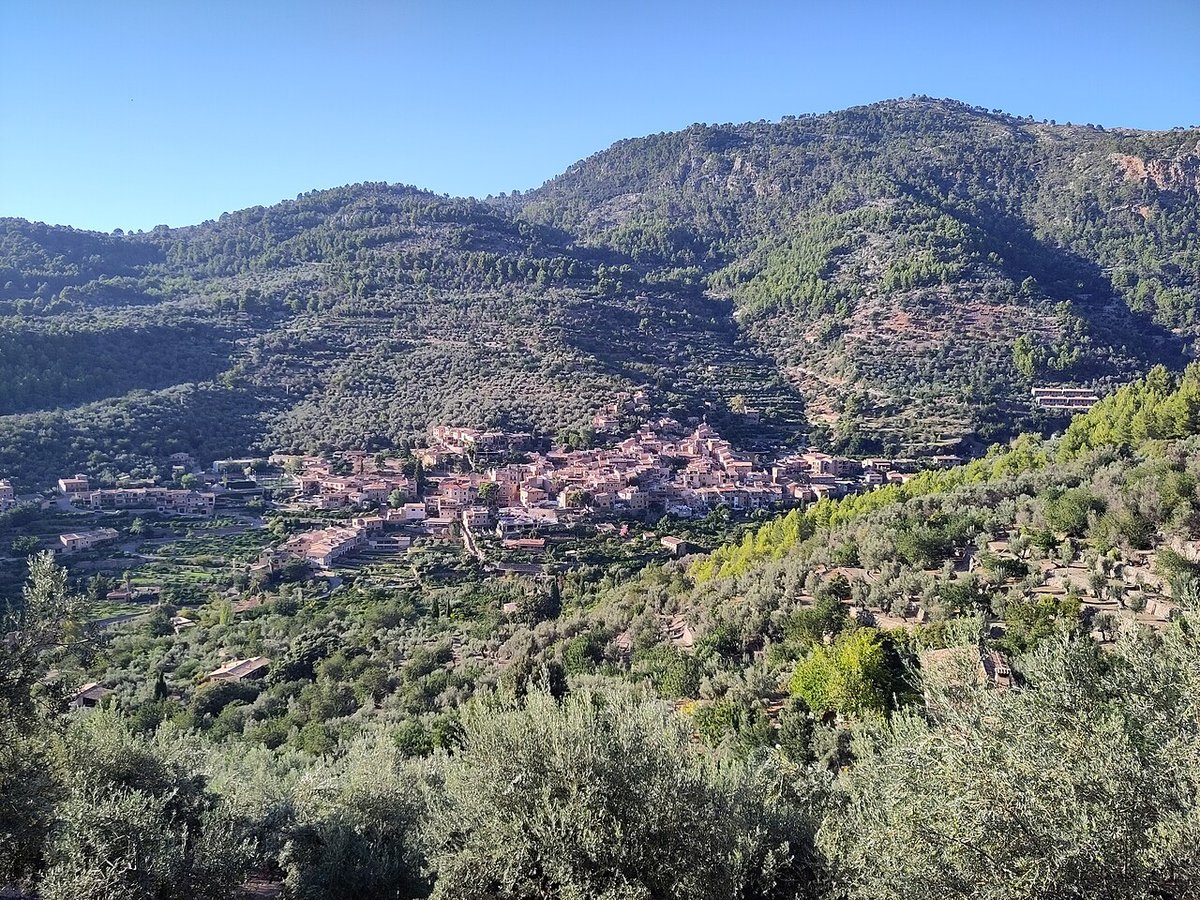
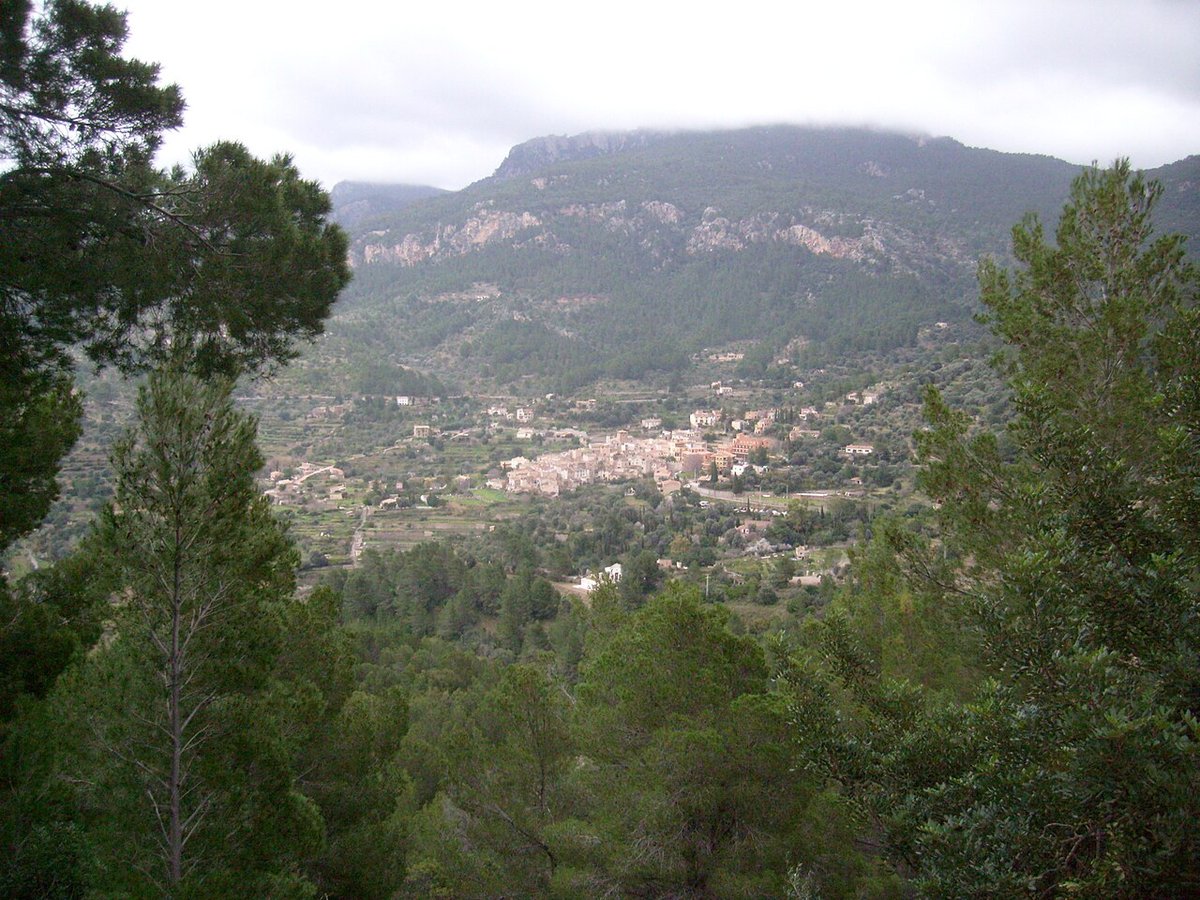
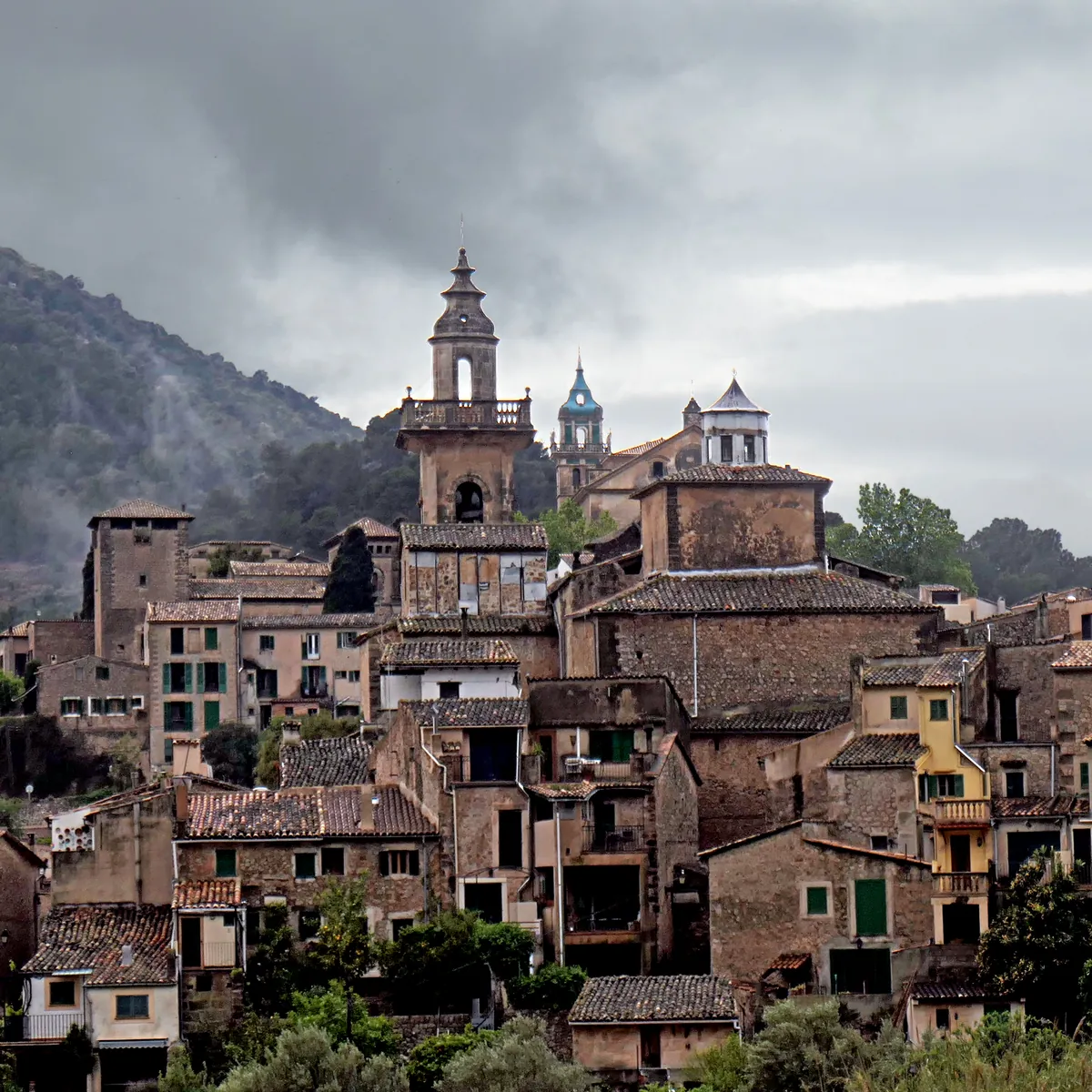
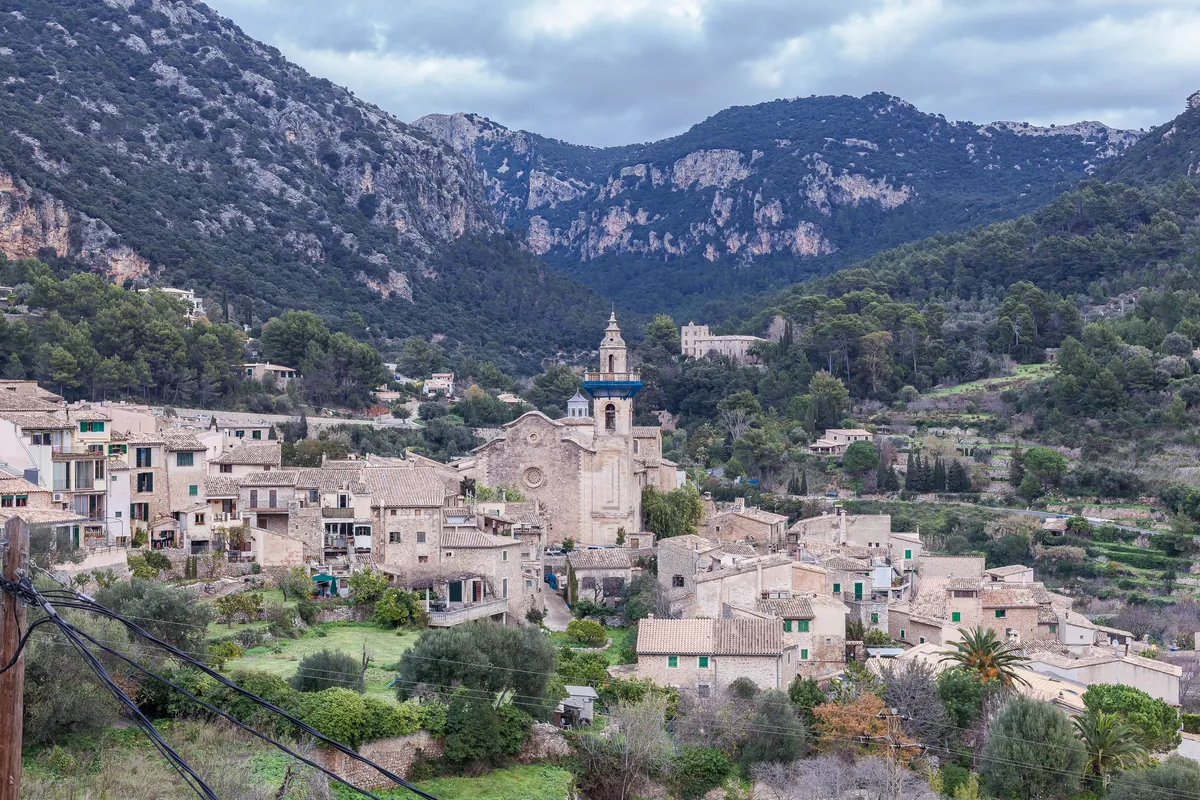
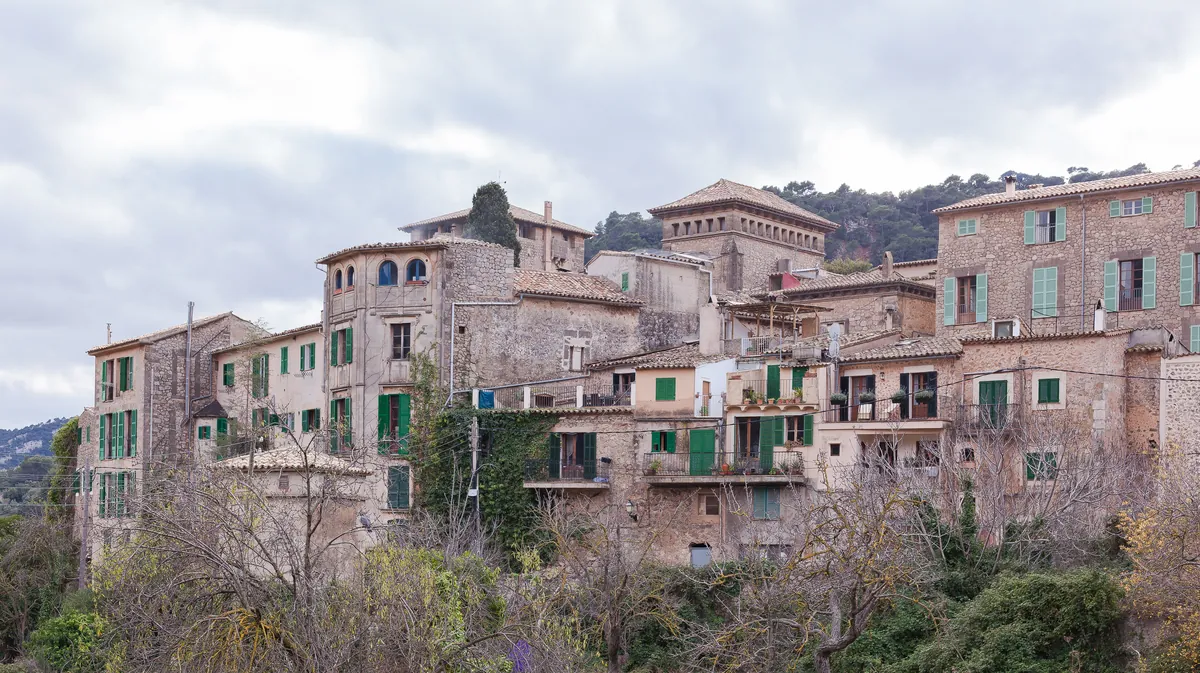
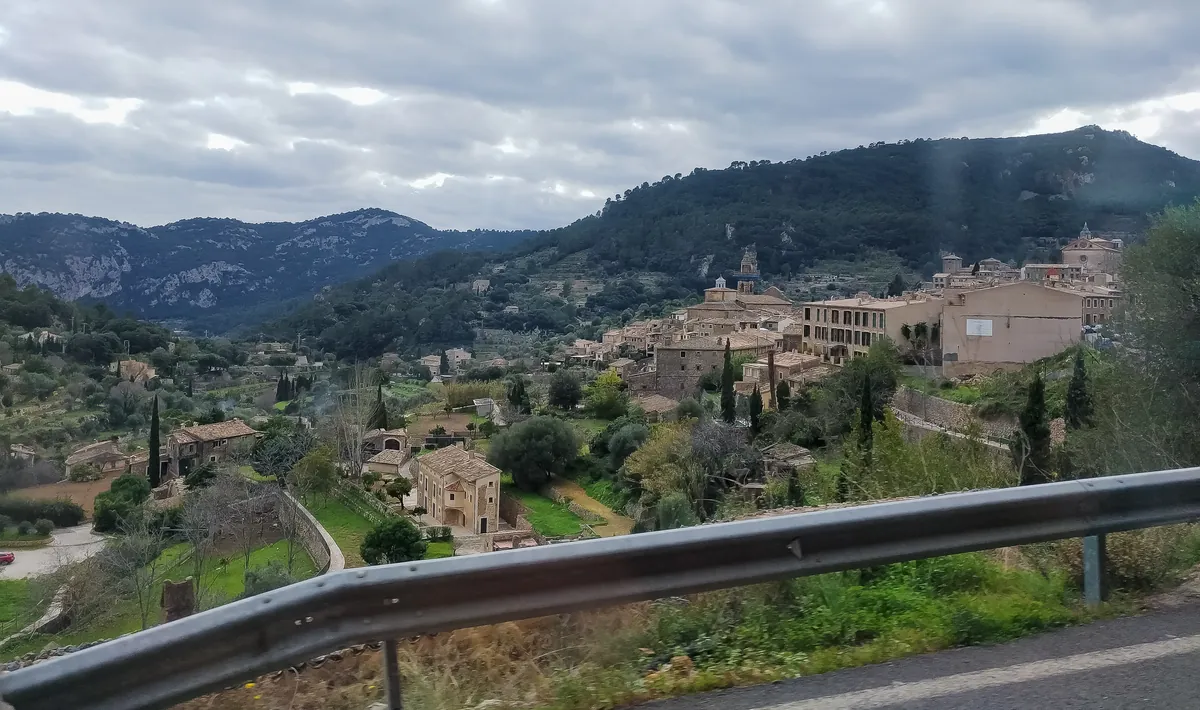
Around 400 metres above sea level, Valldemossa sits on a mountainside where building meant adapting to the land rather than reshaping it. Houses are stacked and fitted together, and the cobbled streets follow the incline rather than any decorative plan. This is a place where the terrain sets the rules. The Serra de Tramuntana surrounds it on almost every side, while the Mediterranean appears only as a distant strip.
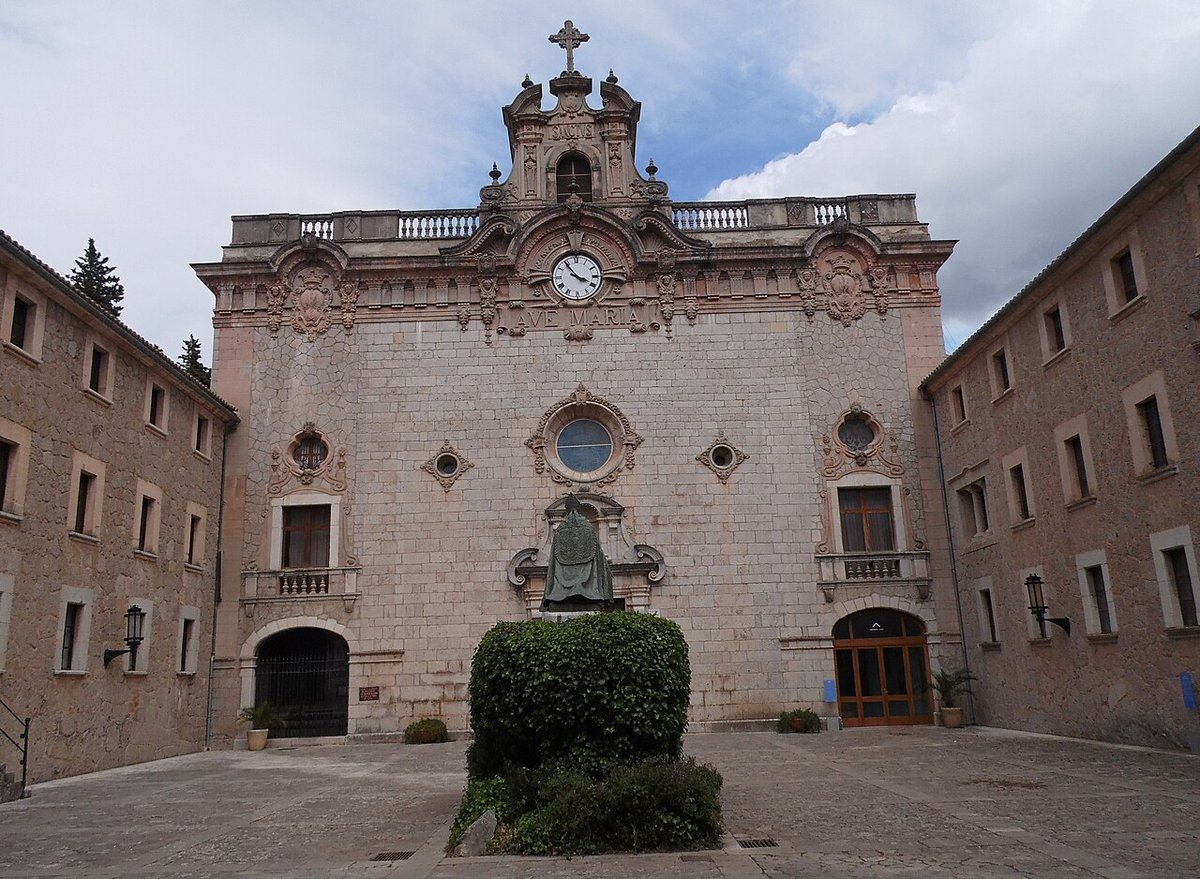
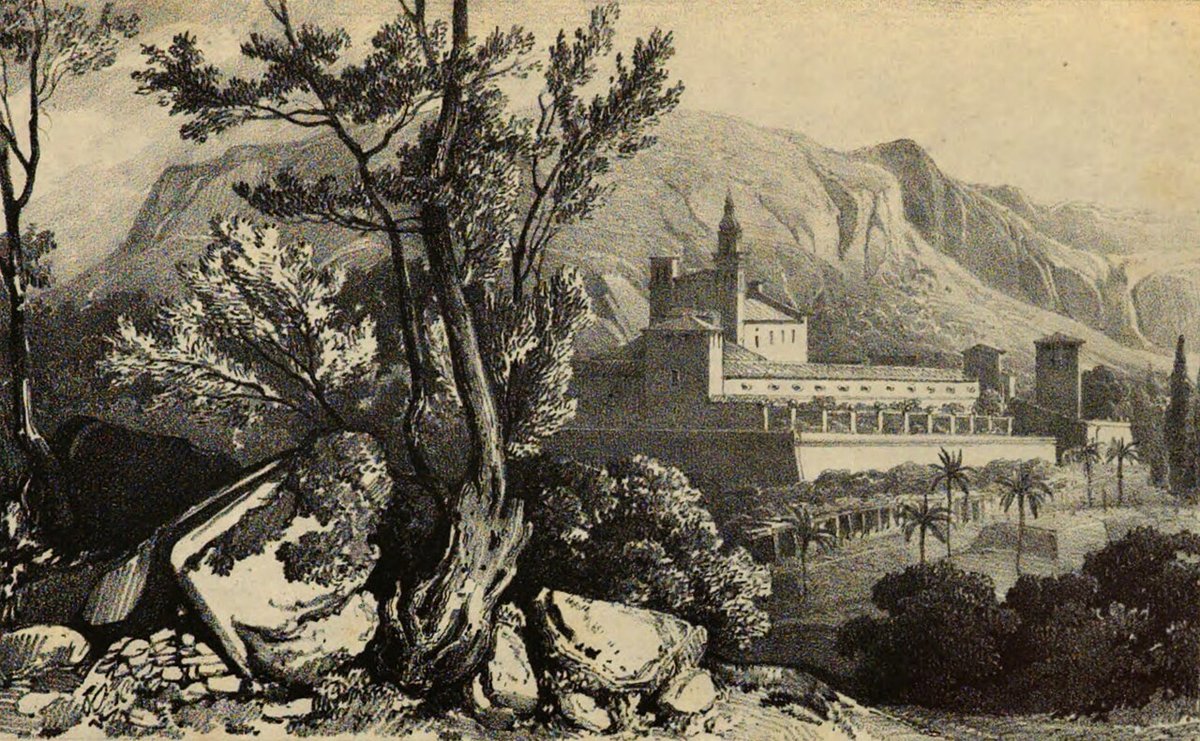
The name Valldemossa is usually linked to an old Islamic alquería associated with a figure called Muça or Musa. After the Catalan conquest, the land passed to Nunó Sanç in the 13th century. In 1309, James II of Mallorca ordered a royal palace to be built here for his son Sancho I. Over time, that building became a Carthusian monastery, the Cartuja, and it ended up shaping the layout and life of the village for centuries.
In the 19th century, the confiscation of church properties forced the monks to leave. The complex was divided into private ownership, and some of the former monastic cells began to be rented out to visitors looking for quiet or a mild climate. One of those cells would soon host a Polish pianist in fragile health and a well-known French writer.
Chopin’s winter in the Cartuja
Frédéric Chopin and George Sand spent the winter of 1838 to 1839 in Valldemossa. The story is often told in romantic terms, but their own writings describe something less idyllic: persistent rain, health problems and a difficult relationship with their surroundings.
During that stay, Chopin worked on the 24 Preludes Op. 28, a central part of his repertoire. In cell number 4 of the Cartuja, which can still be visited, objects from that period are preserved. Among them is a Pleyel piano from 1838, brought from Paris weeks after their arrival. It is said that getting the instrument up to the village was no easy task, a detail that still hints at the effort involved in reaching this mountain setting.
That piano has become a kind of reference point for understanding tourism in Valldemossa. Since the 19th century, visitors have been drawn here without the village losing its character as a small mountain settlement.
Each summer, a piano festival linked to Chopin takes place. Concerts are usually held in the Cartuja’s cloister, a stone space with distinctive acoustics that shapes the sound in a very particular way.
Tiles, devotion and the Beateta
Valldemossa is also closely tied to Catalina Tomàs, born here in 1531 and the only saint from the Balearic Islands. In Mallorca she is widely known as la Beateta. She entered the convent of Santa Margalida in Palma at a young age, and over time her figure grew in popular tradition until her canonisation in the 20th century.
The most visible sign of that devotion appears on the village façades. Dozens of ceramic tiles depict scenes associated with miracles attributed to her. Many were installed during the last century and together they form an informal route through the streets. These small panels were commissioned by residents as a way of expressing their connection to the Beateta, turning the village walls into a kind of collective narrative.
On 28 July, the feast day of Santa Catalina Tomàs, Valldemossa holds its main celebration. Religious brotherhoods take part, along with musicians playing xeremies, the traditional Mallorcan instrument whose sound is closely linked to local festivities.
The archduke and the mountain paths
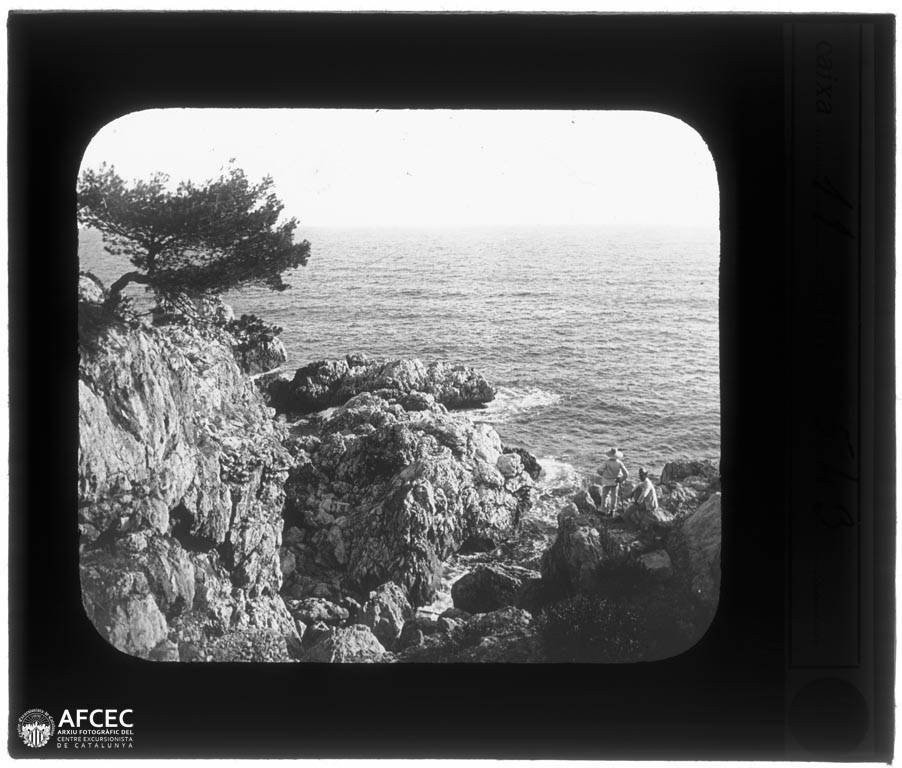
In the second half of the 19th century, Luis Salvador of Austria, an archduke and tireless traveller, arrived in this part of Mallorca and began spending long periods here. He gradually acquired estates along the coast between Valldemossa and Deià, creating a wide network of properties.
His interest was not focused on building a residence in the usual sense, but on observing and understanding the landscape. He promoted the creation of paths, viewpoints and routes through the mountains, many of which are still used today.
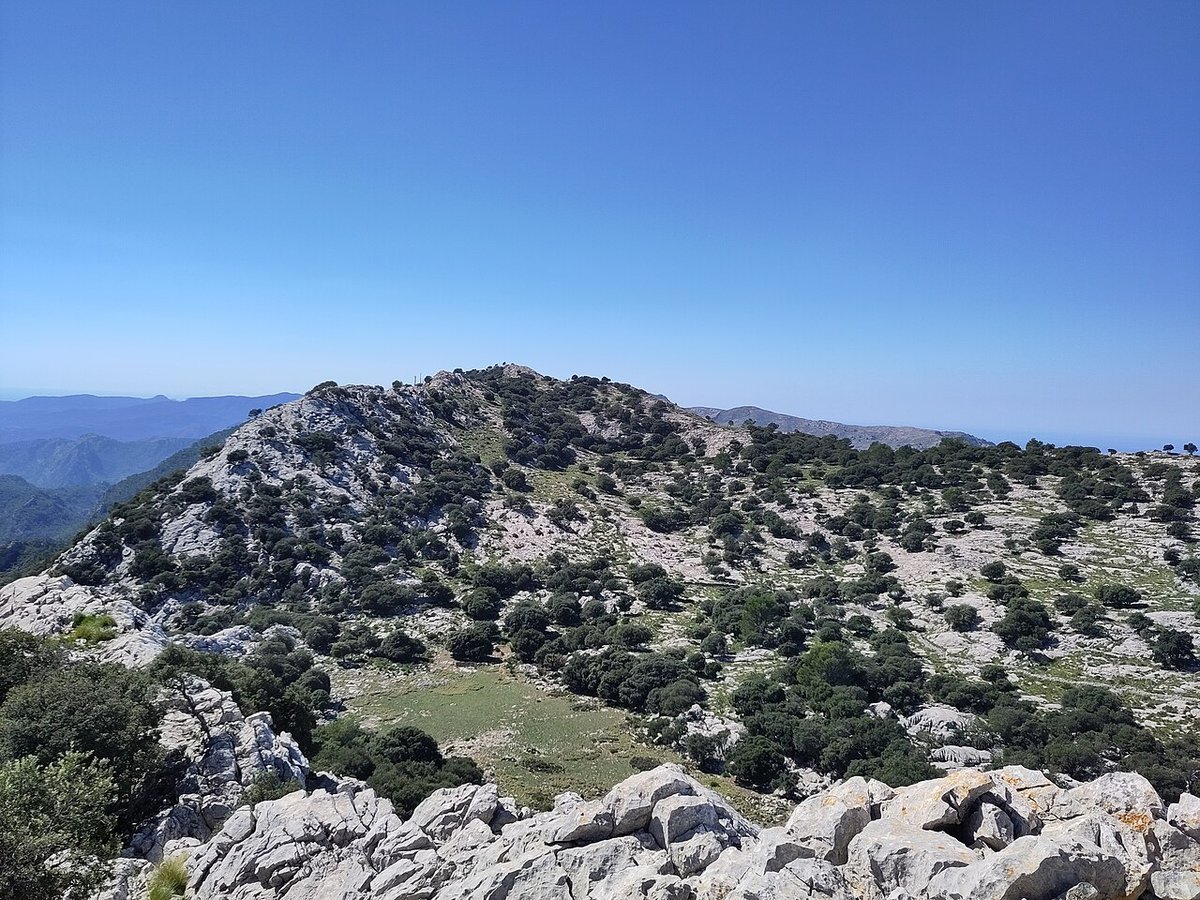
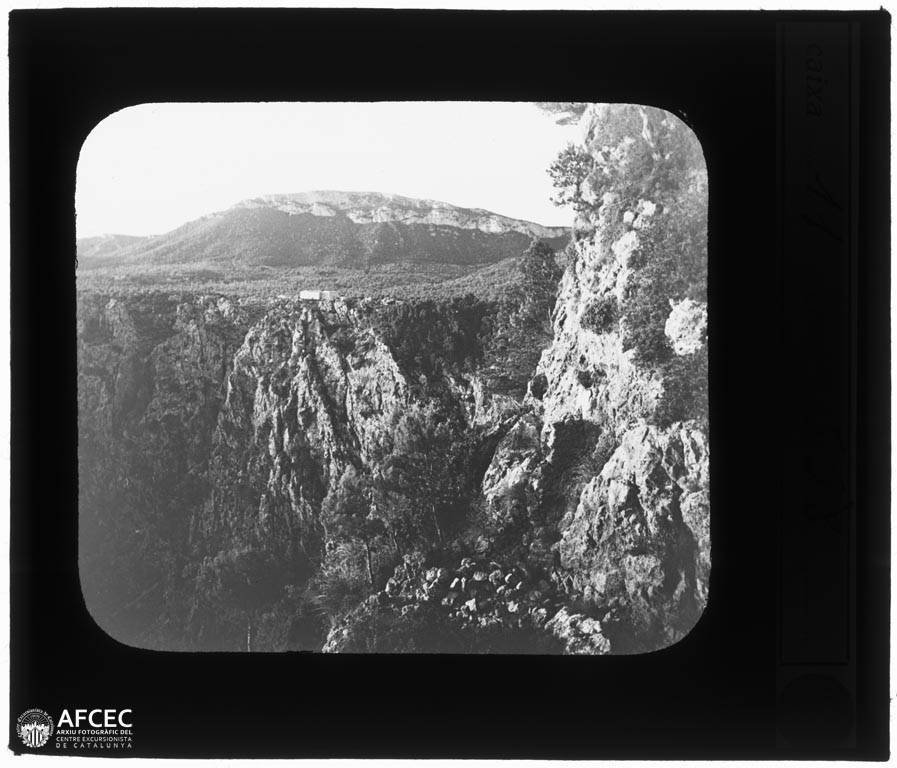
One of the best known is the Camí de s’Arxiduc, a trail that follows the mountain ridge. Walking it offers a clear sense of the geography of the Tramuntana: on one side, the interior of the range; on the other, a steep drop towards the sea. It reflects the archduke’s way of engaging with the territory, moving through it and studying it rather than simply occupying it.
Moving through Valldemossa
Valldemossa lies about 17 kilometres from Palma. The road climbs quickly from the plains into the mountains, marking a clear shift in landscape. At the entrance to the village there are parking areas, and from there the usual way to get around is on foot.
The historic centre can be covered in a relatively short time, although the Cartuja invites a slower visit. Entry is paid, and the complex includes the cloister, former monastic spaces and the rooms associated with Chopin and George Sand.
Seasonal differences are noticeable. In winter, temperatures tend to be lower than on the coast, with the altitude and mountain humidity making themselves felt. In summer, the stone paving absorbs heat, so the middle of the day can be intense.
One of the best-known local sweets is cocas de patata, prepared early each morning in local bakeries. They are part of everyday life in the village rather than something staged for visitors.
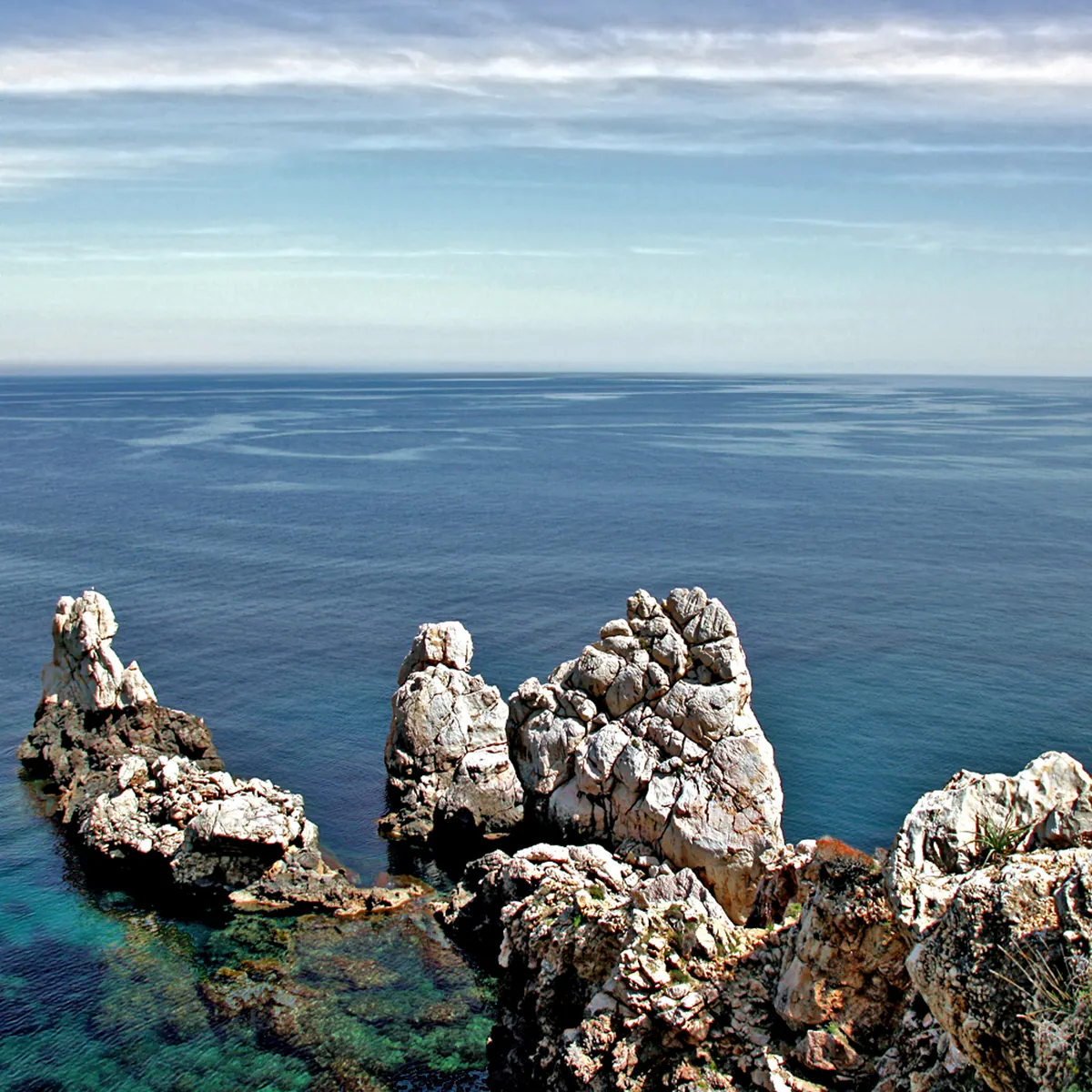
For those heading towards the sea, the Port de Valldemossa lies several kilometres below. It is a small cove reached by a narrow, winding road. The route itself reveals the terrain of the Tramuntana, with clear views that underline how the village sits between mountain and coast, connected to both yet fully belonging to neither.