Full Article
about El Sauzal
Elegant northern town with spectacular views of Teide and the sea; well-kept gardens and leisure areas like Los Lavaderos.
Hide article Read full article
A place that changes with perspective
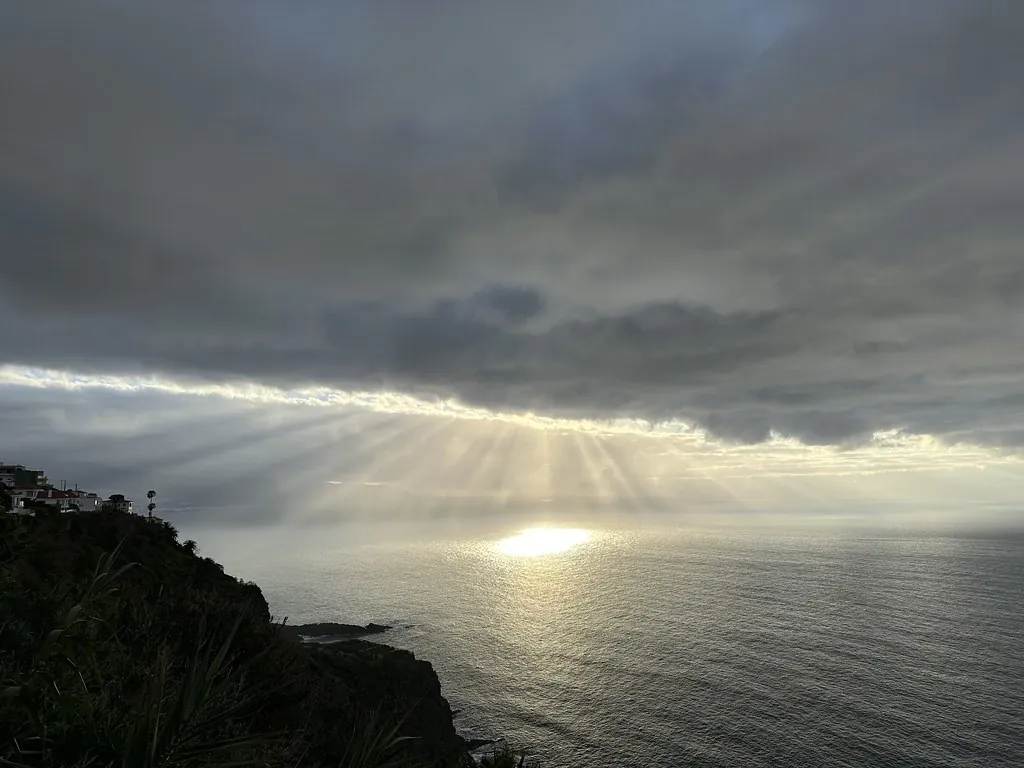
The first sip of wine in El Sauzal can feel underwhelming. A local listán negro served in an ordinary glass might not seem memorable at first. Then the setting shifts. The drop from the town centre to the viewpoint is almost 300 metres, and once there, the Atlantic opens up in front of you as if a curtain has been pulled back. The same wine, now properly served, tastes different: a hint of salt, something mineral, and a soft sweetness that lingers.
That small shift sums up El Sauzal. It’s the kind of place that changes depending on where you stand.
Choosing your own altitude
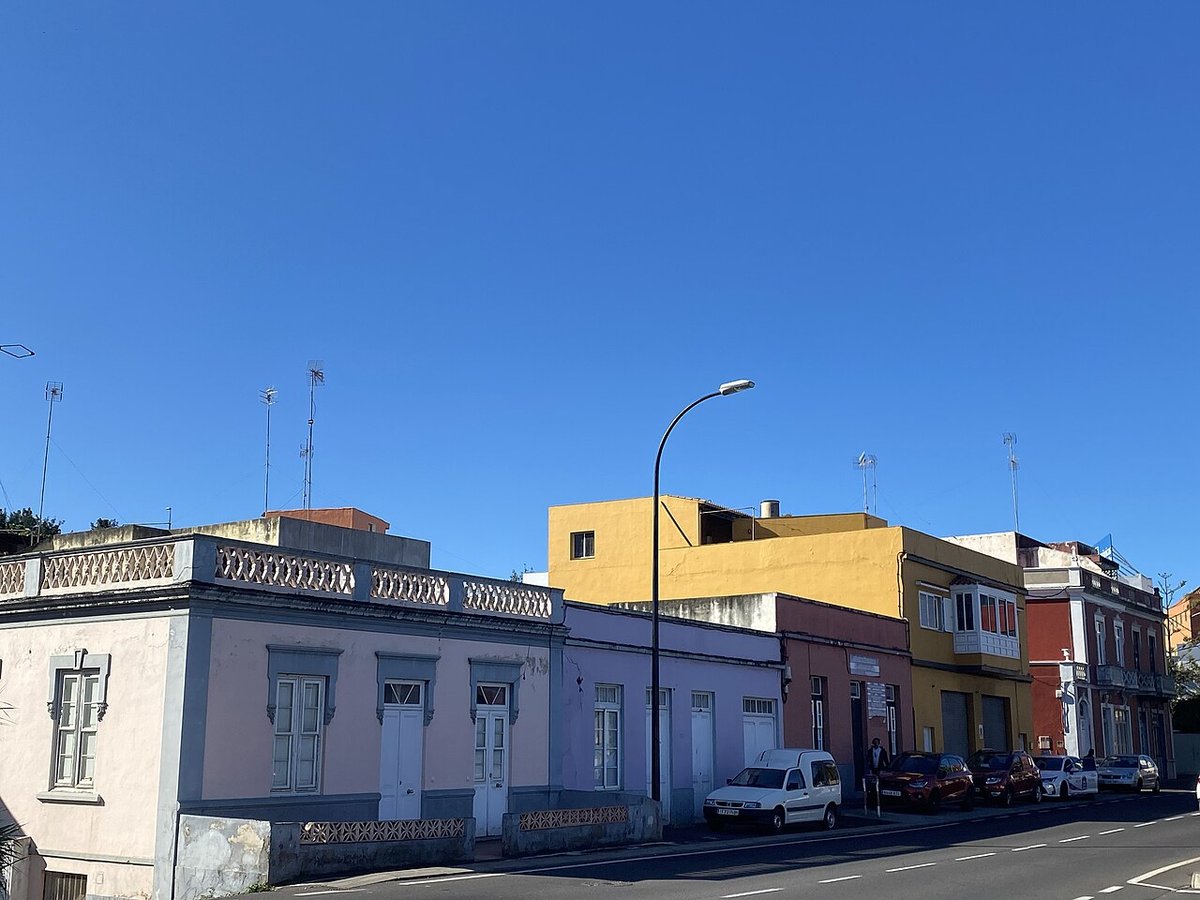
El Sauzal works a bit like a thermostat. You decide how much sea you want in your day. Up in the centre, there are older houses, quiet streets and the kind of late-morning smell of bread or coffee that drifts out from behind half-open doors. Life moves at an unhurried pace.
Head down towards the cliffs and everything alters. The wind carries more salt, the horizon widens, and the feeling of being at the island’s edge becomes much stronger.
It is easy enough to reach from Santa Cruz via the TF‑5. At weekends, though, it makes sense to take the first decent parking space you find. Looking for something better often leads to unnecessary loops—you know, like opening the fridge again and again in the hope something new appears.
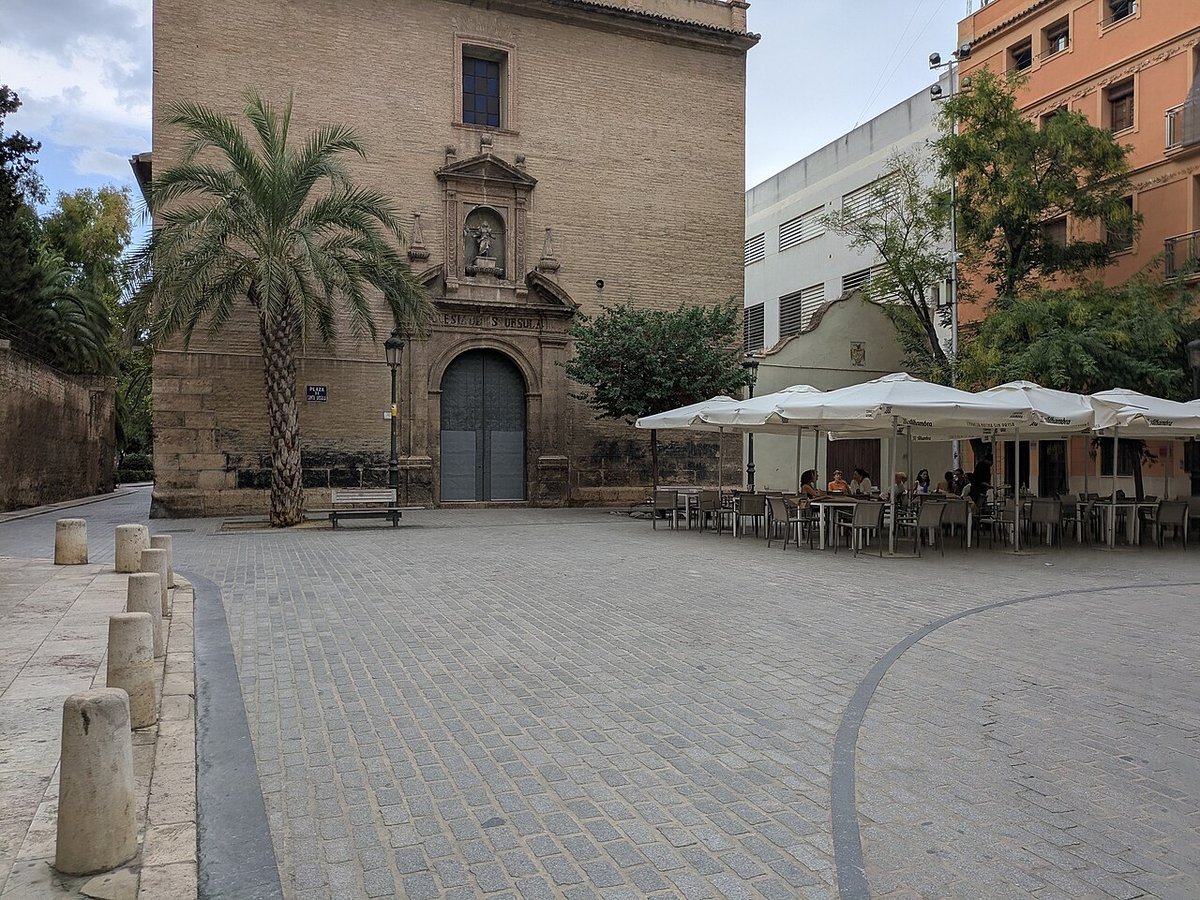
The church of San Pedro has stood here for centuries, facing the sea with a steady presence. You notice its age in its thick walls and how it dominates the square. Close by sits the Casa de la Cultura, housed in an old manor. It has that library atmosphere where voices naturally lower without anyone asking.
Food that makes its own rules
From the outside, Canarian cuisine can seem repetitive. Papas, mojo, fish—the usual combinations. Here though, some dishes feel unexpected at first and then quickly start to make sense.
Take puchero with banana. Or rabbit in a dark salmorejo sauce that arrives at the table almost the colour of coffee. Then comes bienmesabe, a dessert built on almonds and sweetness, with a texture that clings to your palate and refuses to leave in a hurry.
The logic is simple: people prepare what’s available that day. Menus are sometimes secondary. Asking what’s on offer often gets you a straightforward answer—if there’s no rabbit today, something else will take its place. It feels honest rather than fixed.
A note on papas arrugadas for anyone new to them: they’re small potatoes boiled in very salty water until their skins wrinkle up tight. In El Sauzal, they aren't really treated as a starter; they act more like bread, something to share alongside everything else. Leave room for local cheese—it tends to appear at the table almost without notice.
When El Sauzal turns up
Towards late June during San Pedro fiestas, El Sauzal changes gear completely. The square fills with music and open-air dances under those decorative paper arches strung across some streets. Then there's my favourite part: la cucaña sobre el mar. It's basically a greased pole suspended over water; people try to cross it while everyone watches them fall into drink. From up at Mirador La Garañona it looks like some artsy documentary shot—until you hear all laughter from below making it real instead.
Winter brings quieter but just as distinctive tradition called Baile del Niño around Christmas time when representation sets out from church moving around square while people sing along quietly not performing but keeping thing alive because town wants so badly keep doing this every year anyway!
Paths that tell you about landscape
Old Camino Real once linked area with valley La Orotava still crosses southern part municipality today walking along gives clear sense northern Tenerife geography slope falls towards sea Mount Teide rises behind clouds often linger place as if left there deliberately by someone who forgot take them home later on maybe?
Further down coast lies Puertito where remains old jetty can still be seen feels quiet now though there are people remember when fish passed through here regularly before roads changed how goods moved across island altogether really...
Local guy told me once: "Before fish came down mules now visitors arrive sandals." He said it laughing not complaining just observing how things evolve over time I guess?
For longer walks ravines around Cabrera Martiño offer more demanding routes carry water because traditional springs don't always flow like used do couple hours possible reach neighbouring municipality return bus if timing works out well enough check schedules beforehand though!
Hermitage lasting figure
Before leaving ermita los Ángeles worth quick visit linked origins early sixteenth century like many buildings its kind gone through several periods repair reconstruction over years obviously...
Hermitage also associated Sor María de Jesús well-known figure local tradition her body preserved according custom brought out each February so people can see connection between place history belief adds another layer town much like wine tastes different depending where stand reveals itself gradually shaped small shifts perspective after all