Full Article
about La Matanza de Acentejo
Historic battleground of the conquest; guachinche and wine country with sweeping views of the north coast.
Hide article Read full article
A hillside town with a direct past
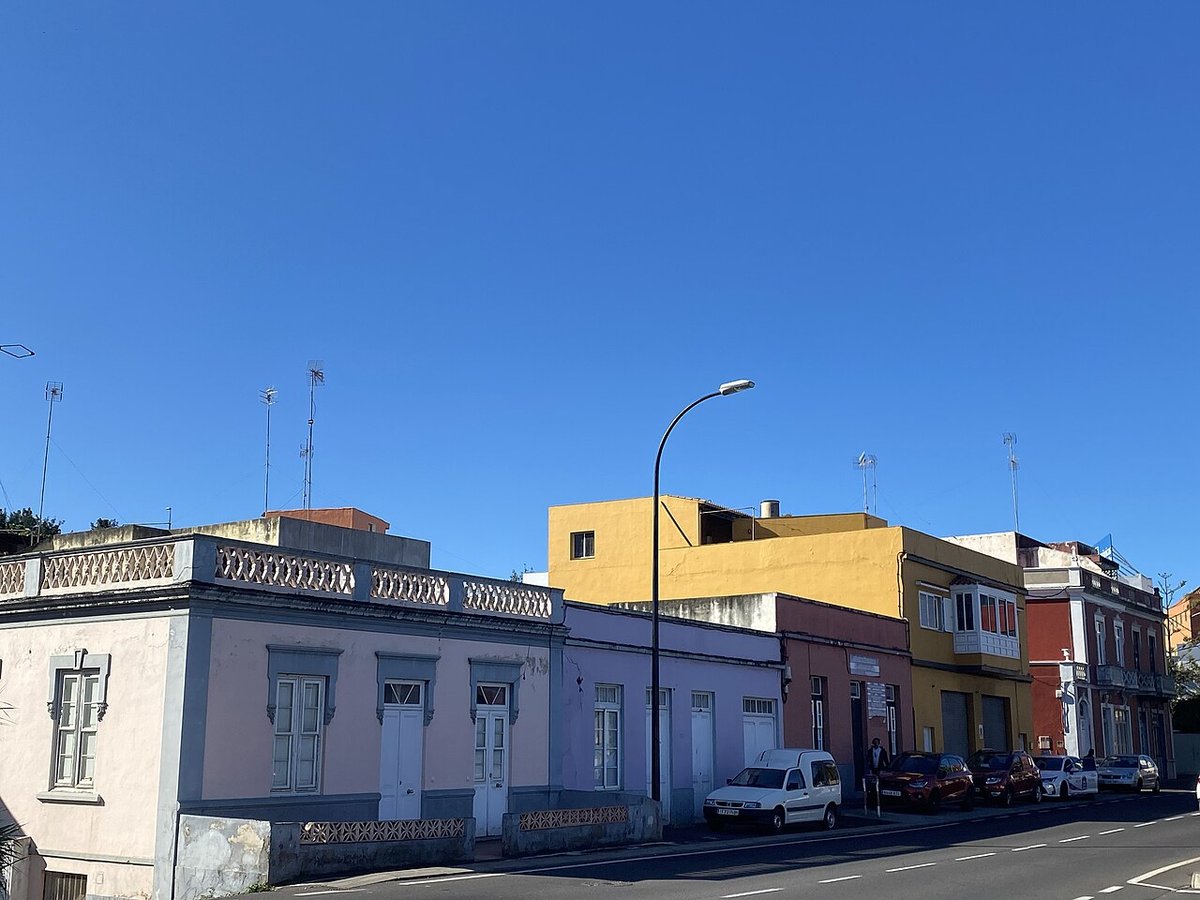
Parking in La Matanza de Acentejo is usually straightforward, which already feels like a small victory in the north of Tenerife. You can leave the car near the town hall square and continue on foot. From almost any corner, two fixed points help you get your bearings: Mount Teide rising above and the Atlantic stretching out below. Between the two sits a town built on a slope, carrying a name that is as literal as it sounds.
In 1494, this was the setting where the guanches, the island’s indigenous inhabitants, managed to halt Castilian troops. The terrain still explains a lot. Steep ground, deep ravines and shifting paths make movement uneven, especially for anyone unfamiliar with the area.
The viewpoint that explains everything
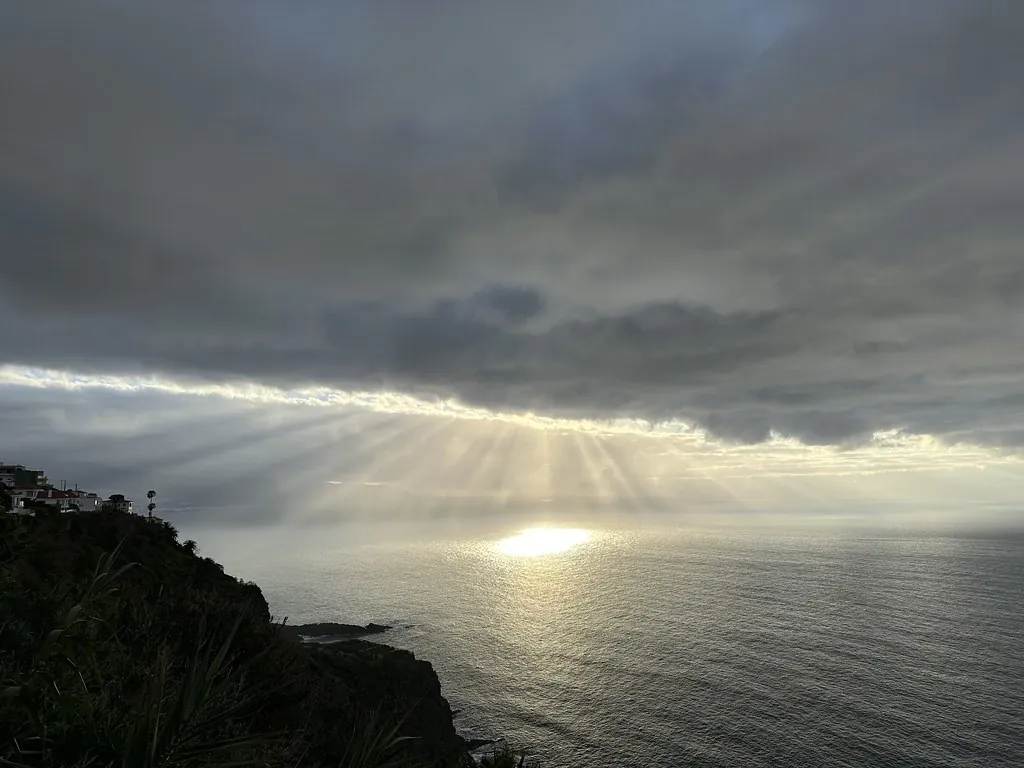
Head up Calle La Parra and within a few minutes you reach the San Antonio viewpoint. From here, the landscape opens out. The ravine drops away sharply, and the coastline lies several hundred metres below. Looking across this terrain makes the difficulties faced by the Castilian forces during what is known as the battle of Acentejo much easier to grasp.
A plaque marks the event. The version often told is simple: the guanches knew these slopes well, while the invaders did not. The result was a chaotic retreat downhill into the ravine.
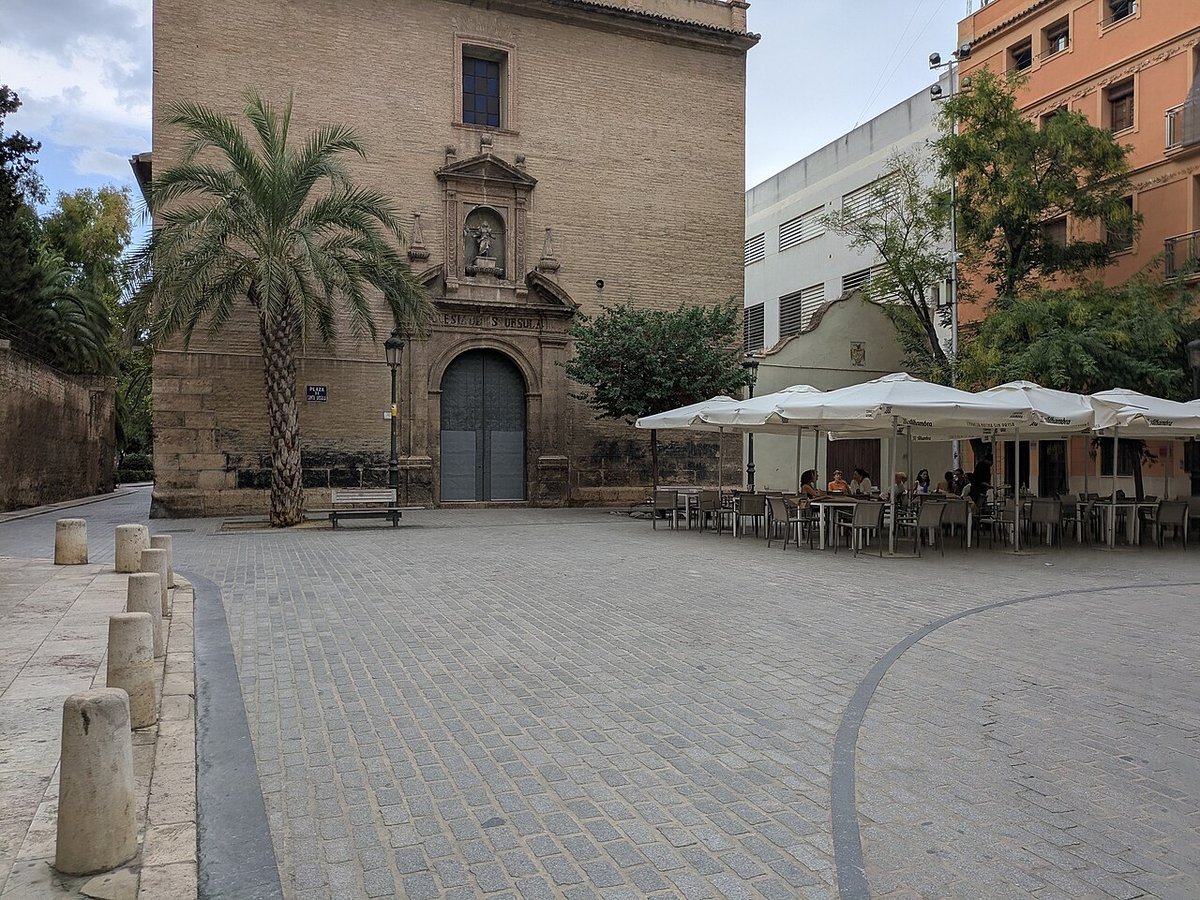
Directly opposite stands the Iglesia del Salvador. The current building dates from after a fire in the 1930s. From the outside, the stone doorway is the most striking feature. Inside, there is usually an old painting showing the battle, with the guanches in a position of victory. That perspective is not especially common in this kind of historical artwork, which gives it a certain weight.
Food without ceremony
From the viewpoint, head down along Calle El Molino or any of the streets that slope towards the main road. The atmosphere changes quickly. This is where you find local bars that are not arranged with visitors in mind, just everyday places where people eat.
One dish that appears frequently is carne de cabra compuesta. It is a stew made with goat meat, potatoes, chickpeas and wine. Portions tend to be generous, the sort that encourage a pause afterwards rather than immediate movement.
Another staple is puchero canario. In La Matanza it often includes watercress from the ravine, along with maize and gofio, a traditional flour made from toasted grains. It is still a substantial dish, although here it is often served slightly lighter than in other parts of the island. If there is homemade bienmesabe, a sweet dessert, it is usually worth trying.
Walking through the Acentejo vineyards
La Matanza forms part of the Acentejo wine-producing area, and the surrounding slopes make that clear. Vineyards cover large stretches of land, broken up by scattered houses and narrow paths.
One of the simplest walks is the sendero de Los Nateros, which begins near the school area. It is a short circular route of a few kilometres, passing between vineyard plots and open ground. Shade is limited, so it makes sense to go early in the day or later when the sun is less intense.
Another option leads down into the paths of the Acentejo ravine itself, where tradition places part of the battle. The initial stretch is steep. After that, the terrain opens out slightly, giving more space to move. Along the rock faces, old caves can still be seen. Many are neither signposted nor protected. They remain there quietly, part of the landscape rather than formal attractions.
Local festivals that keep their character
In January, the town celebrates San Antonio Abad. During this festival, animals are blessed. Goats and dogs are common, and sometimes even a donkey appears. There are also demonstrations of traditional trades, along with working gofio mills that show how the flour is produced.
The fiestas del Salvador take place in summer. The day begins with a procession and ends with a verbena, an evening street celebration. It is a very local event, centred on the town square and shaped by the people who live there rather than by visitors.
Getting there and when to go
From Santa Cruz, the route follows the TF-5 and then climbs towards El Sauzal and La Matanza. Without heavy traffic, the journey takes around half an hour.
Buses, known locally as guaguas, also stop in the municipality and connect it with other parts of northern Tenerife, although services are limited.
Weekdays tend to be quieter. At weekends, people from other parts of the island come to eat or walk the trails, so the town feels busier.
If you plan to head into the ravine, closed footwear is a sensible choice. Water is also important when walking among the vineyards, where shade is scarce.
La Matanza de Acentejo is not a place of grand monuments. It is an agricultural town set on a slope, with wide views, local wine and a past shaped by a single, decisive encounter. You arrive, walk for a while, eat something filling, and begin to understand why this ravine once posed a serious challenge to anyone who did not know the land.