Full Article
about La Victoria de Acentejo
Agricultural town known for its food and wine; commemorates the Guanche victory; offers a quiet rural setting.
Hide article Read full article
A village that appears out of the clouds
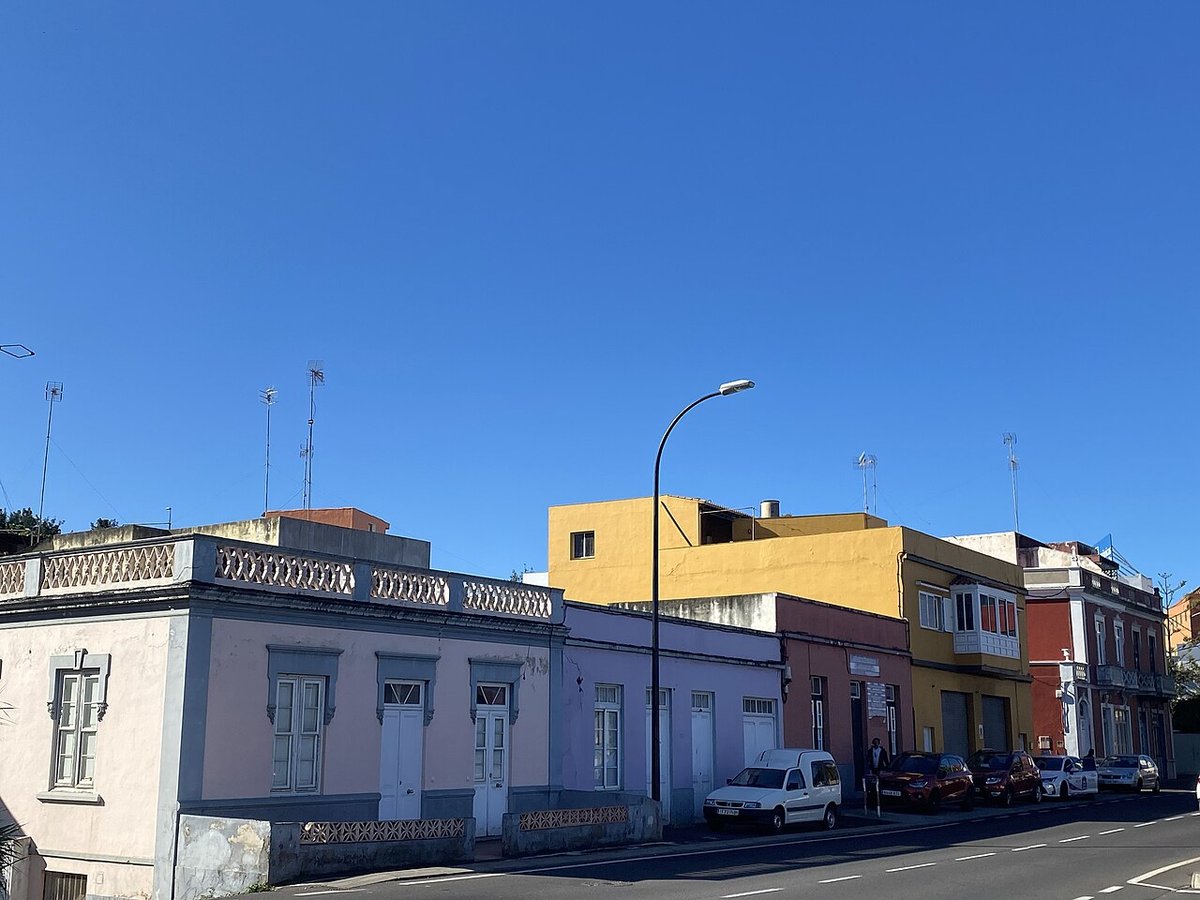
There is a point on the northern road where the car climbs into a low bank of cloud and everything goes quiet and white. For a moment it feels like driving into a sky made of vineyards. Then the cloud thins and La Victoria de Acentejo comes into view: houses set along the slope, terraces of vines, and the sea in the distance, laid out like the island’s natural parking place.
The place often carries the smell of fermenting grape must or wood smoke, depending on the season. People watch newcomers with a mix of curiosity and calm that is typical of northern Tenerife. There is a brief pause, a sense of being sized up, and then, once it is clear you are here to walk rather than make noise, conversation starts easily.
The battle behind the name
La Victoria de Acentejo takes its name from the second battle of Acentejo, at the end of the 15th century. It was one of the key episodes in the conquest of Tenerife, and it is still remembered locally with a certain quiet respect.
Behind the church of Nuestra Señora de la Victoria stands a pine tree that everyone in the town knows. It is often referred to as the “pino de la batalla”, the battle pine, and local tradition says it was used as a gathering point for troops. There is no precise documentation that settles the story beyond doubt, but the association has held for generations. The tree is still there today, large and weathered, with the look of something that has watched centuries pass.
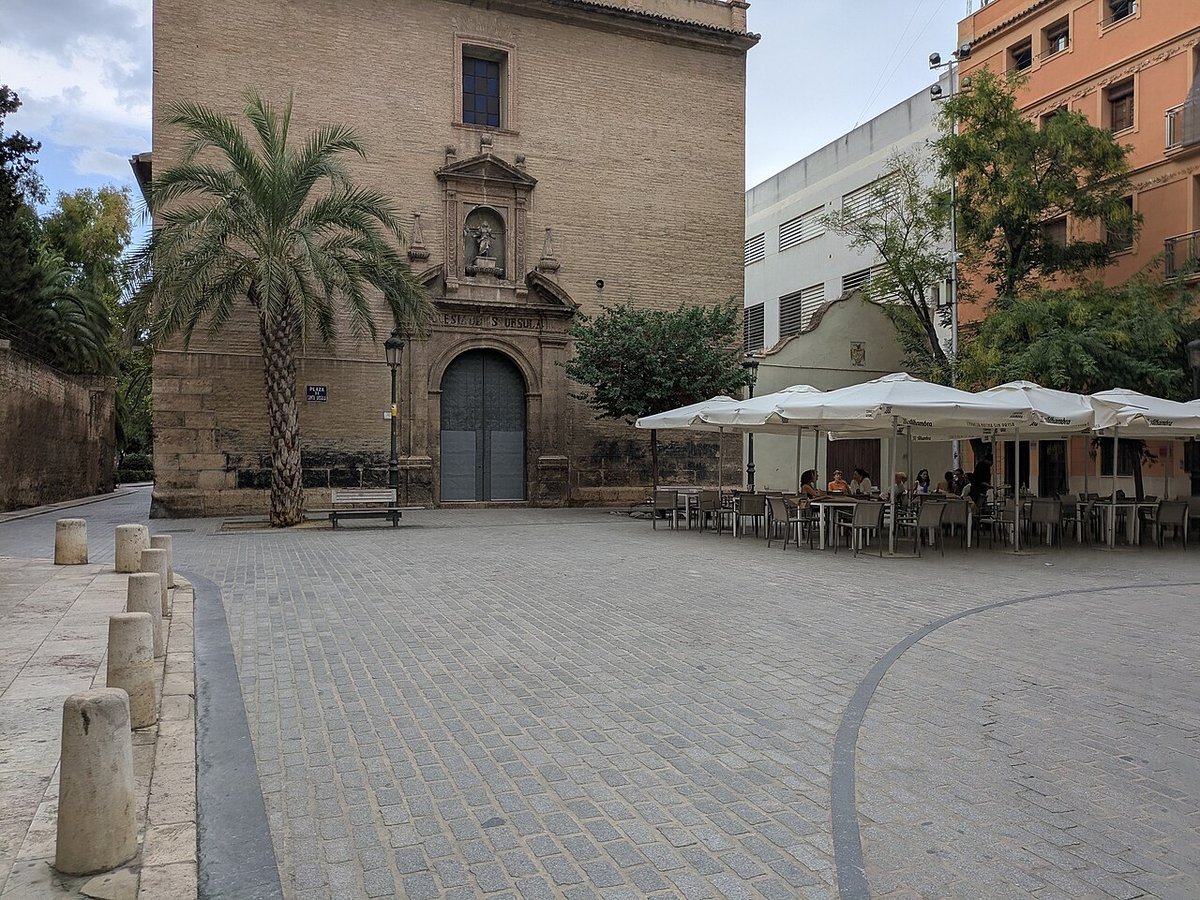
The church itself is tied to that same moment in history. Its origins are linked to a vow made by Alonso Fernández de Lugo after the Castilian victory. The building has been rebuilt over time, following a significant fire centuries ago, yet it remains the centre of the town. Inside, in the quiet, there is a sense of continuity that comes from many generations passing through the same space.
Guachinches and the rhythm of the harvest
Anyone arriving in search of guachinches should know what they are, and what they are not. These are not conventional restaurants. They are private houses where wine growers serve their own wine alongside a few simple dishes of local cooking, usually tied to the period after the harvest.
Because of that, they do not open all year. Traditionally, they operate during the months when there is wine from the most recent vintage, typically from late autumn through to spring, although each house follows its own rhythm.
The setting is domestic rather than formal. A couple of dishes, wooden tables, and wine that may feel as if it has come straight from the cellar. A meal might include a hearty potaje de berros, a watercress stew typical of the Canary Islands, meat with potatoes, or an omelette with herbs gathered from the hills. What is served depends on what has been cooked that day.
That is part of the appeal. There is little choice to make. You eat what is available, drink the house wine, and before long you may find yourself talking with the people at the next table as if you had met before. The experience is as much about the atmosphere as the food.
A view of the sea from above
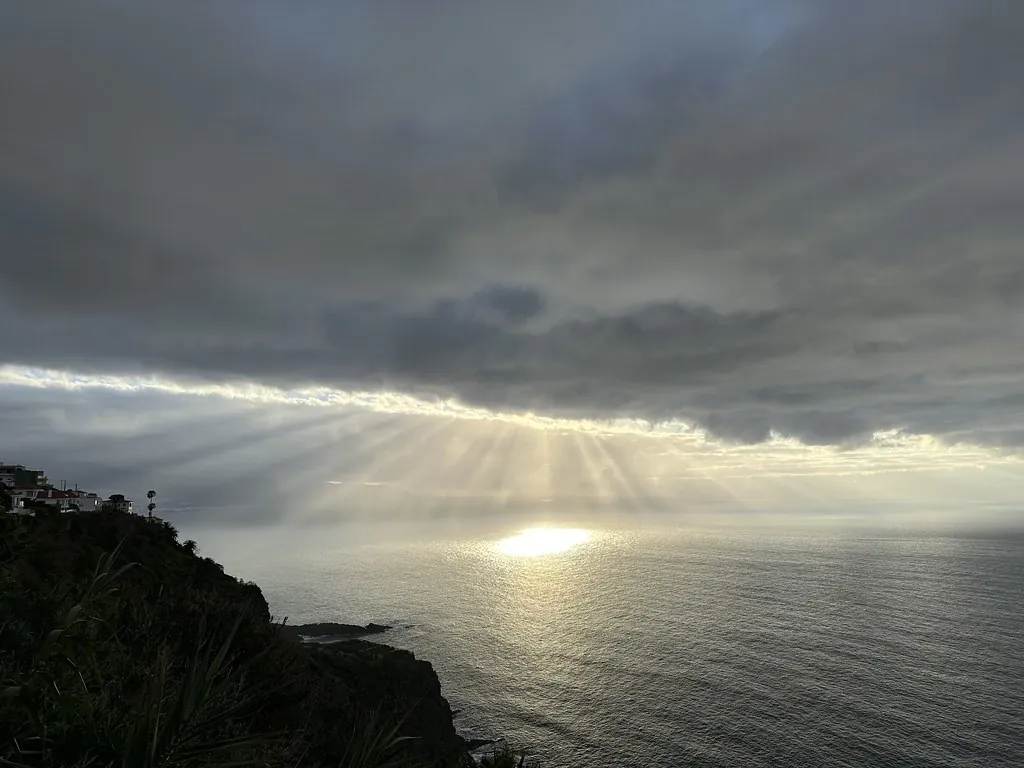
La Victoria faces the Atlantic from higher ground. It does not have its own beaches. Below the municipality lie steep cliffs, making access to the water far from straightforward.
From many points in the town, the ocean is always present in the distance, but reaching it is another matter. One of the walks often mentioned by locals follows the edge of these cliffs towards El Sauzal. The path runs between vineyards and rural properties, with stretches where the vegetation suddenly opens and the sea appears without warning.
It is not an especially long route, though it is wise to bring water and wear proper footwear. The terrain is uneven in places, and the sun can be strong when the cloud lifts.
For something shorter, there are local paths that climb towards the area around the historic pine and then return to the town centre. These are gentle walks, more about stretching your legs and taking in the surroundings than serious hiking.
When the town changes pace
Festivities here are not just a schedule set by the town hall. They are moments when the whole place shifts its rhythm.
In spring, the feast of the Virgen de la Encarnación is usually celebrated with processions and traditional dances. Older residents often set the tone, moving with a calm that feels rooted in another era.
May brings San Isidro and the romería, a rural procession that is common in many parts of Spain. Decorated carts, traditional dress and plenty of food shared among the crowd fill the streets. For anyone unfamiliar, it can resemble a large family gathering that has expanded to include the entire town.
In autumn, during the grape harvest in the Acentejo area, events sometimes take place around the new wine. Grape stomping, freshly made must and a sweet smell that lingers in the air all form part of the scene.
Then on 25 December, a date historically associated with the battle, the town holds more solemn religious celebrations.
A simple way to experience it
Arriving hungry and allowing time to move without rushing is a good starting point. If a guachinche happens to be open, it is worth stepping in and asking what is being served that day. Sometimes the plan does not need to be more complicated than a jug of house wine and a warm plate of food.
There is no reason to search for a beach up here. La Victoria de Acentejo is about vineyards, short walks and viewpoints that appear unexpectedly at a bend in the road. A stroll through the centre, a walk among the vines and something to eat along the way are enough to form a clear sense of the place.