Full Article
about El Rosario
Municipality of contrasts between the forested upland of La Esperanza and the coast of Tabaiba and Radazul, ideal for diving.
Hide article Read full article
El Rosario: la Tenerife interior
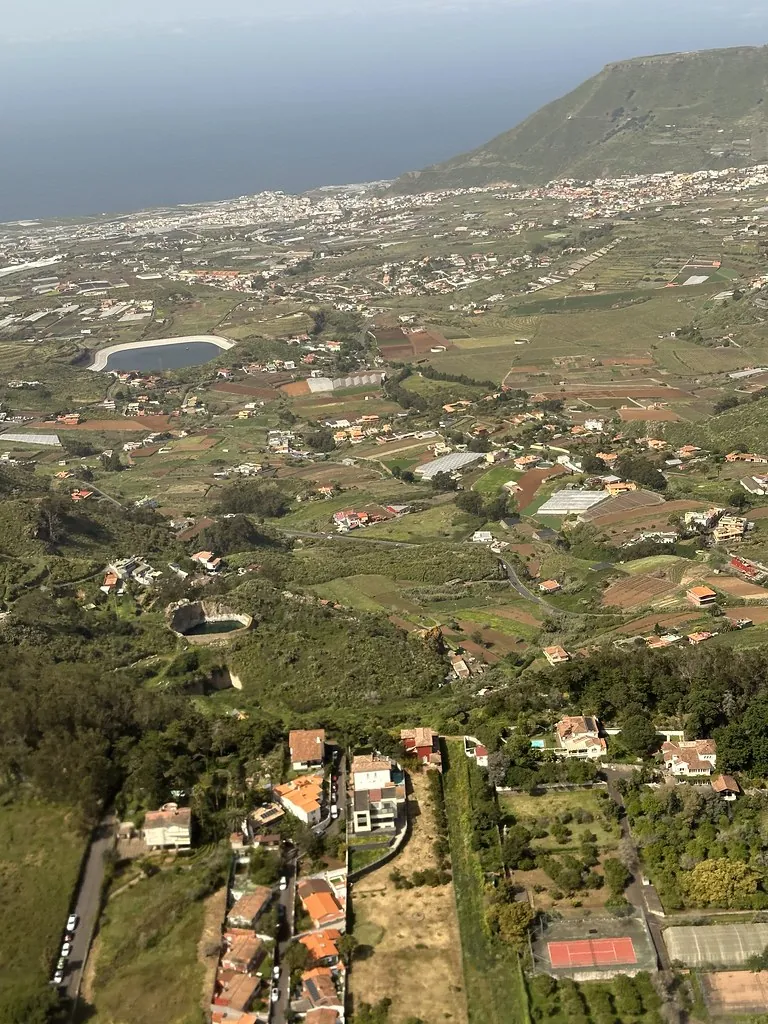
El Rosario no tiene costa. El municipio ocupa las laderas del noreste de la isla, entre los 500 y los 1.000 metros de altitud. Aquí, el paisaje cambia. Los vientos alisios empujan la bruma contra la cumbre, una humedad que alimenta retazos de bosque de laurisilva, bancales abandonados y pueblos dispersos unidos por carreteras serpenteantes.
Localidades como Llano del Moro, Machado o Las Lagunetas forman una red de asentamientos pequeños. Históricamente, han mirado más hacia La Laguna que hacia las zonas turísticas del litoral. El ritmo lo marcan la agricultura, la ganadería y la propia orografía, no el mar.
Estas laderas también guardan episodios de la historia de Tenerife que aún resuenan. En Machado, una casona se vincula a la figura de Amaro Pargo, el conocido corsario lagunero del siglo XVIII. Más arriba, en la zona de Las Raíces, diversos estudios sobre el golpe de Estado de 1936 sitúan a Francisco Franco aquí durante varios días, antes de partir hacia África.
Un territorio definido por el agua
La geografía explica buena parte de El Rosario. Los valles abiertos al sureste captan la humedad de los alisios. Los suelos volcánicos oscuros retienen bien el agua, creando las condiciones para que prospere la vegetación de monteverde. Laurel, viñátigo y barbusano son algunas de las especies que formaron el bosque denso del norte de Tenerife.
Quedan fragmentos de ese bosque. Uno de los más accesibles es el Bosque del Adelantado, un recordatorio de cómo era la laurisilva antes de la tala. Caminar por él da una idea de un paisaje más húmedo y cerrado del que muchos asocian con la isla.
Tras la conquista castellana a finales del siglo XV, estas tierras se repartieron en haciendas vinculadas a La Laguna. El Rosario comenzó a configurarse como parroquia en el siglo XVI. Muchos de los núcleos actuales se desarrollaron después, a menudo en torno a pequeñas ermitas y caminos tradicionales que unían las fincas.
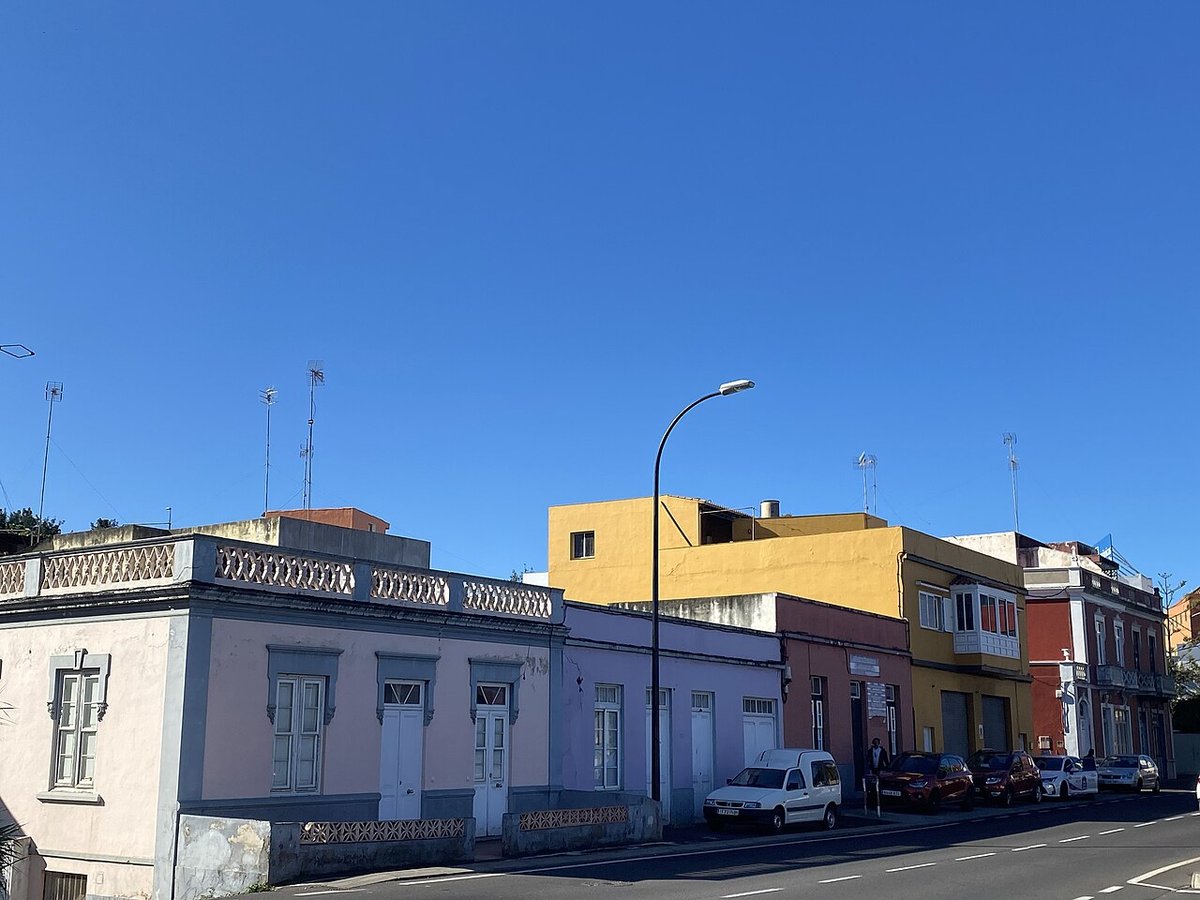
La Esperanza funciona hoy como cabecera municipal. Su plaza y su iglesia parroquial ordenan el caserío, mientras otras zonas mantienen una disposición más dispersa. Machado es un buen ejemplo: las viviendas se esparcen por el valle, con varias construcciones antiguas que responden a la arquitectura rural canaria. En Tablero se produjo uno de los hallazgos arqueológicos más notables de Tenerife, una momia guanche que se encuentra entre las mejor conservadas de la isla.
La casona del corsario y el cuartel del general
Amaro Pargo (1678-1747) fue comerciante, naviero y corsario al servicio de la Corona. Su nombre se asocia a Machado por una casa vinculada a su familia que aún se mantiene en pie. El edificio responde al modelo de casona típica de estas medianías, con muros gruesos, balcones de madera y amplios espacios interiores. No era una residencia aislada, sino parte de una red más amplia de propiedades agrarias y rutas que conectaban el campo con La Laguna y el puerto de Santa Cruz.
La zona vuelve a las páginas de la historia en el verano de 1936. Diversas investigaciones sitúan a Franco en una finca de Las Raíces durante los días previos al alzamiento militar. El lugar, relativamente apartado y próximo al aeródromo de Los Rodeos, ofrecía discreción y acceso práctico a Santa Cruz. El episodio forma parte de la memoria histórica del municipio, aunque el paisaje hoy no lo delate.
Caminos de bosque y bancales
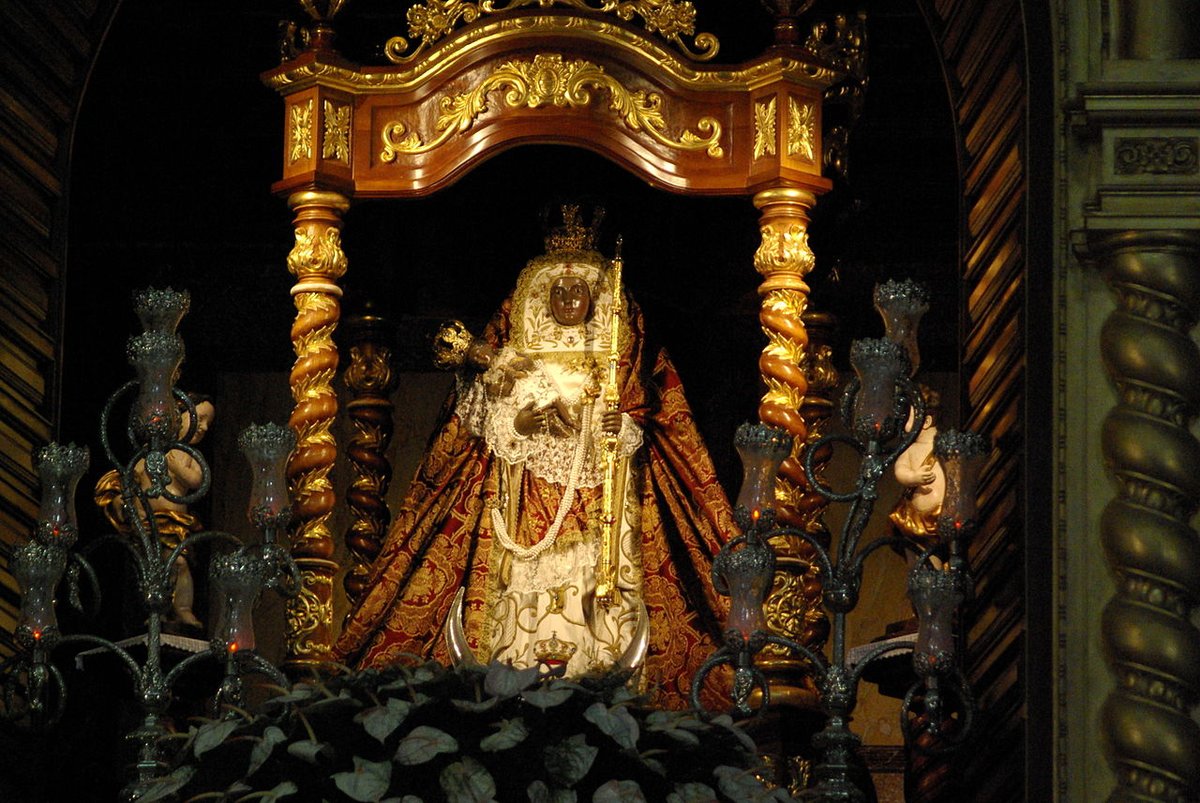
Una de las rutas históricas más importantes que cruzan el municipio es el antiguo Camino de Candelaria. Durante siglos fue la vía que usaban los peregrinos del norte de Tenerife para llegar al santuario de la Virgen de Candelaria, patrona de la isla. Los tramos que pasan por Llano del Moro y Machado dan una idea clara de cómo se circulaba antes de las carreteras. Calzadas empedradas, zonas de cultivo y pequeñas casas de labranza jalonan el recorrido.
Otra ruta conocida es la Ruta de las Fuentes. Enlaza varios barrios tradicionales y puntos históricos de agua. Abrevaderos, lavaderos y canales siguen visibles, mostrando cómo el acceso al agua organizaba la vida en estas zonas altas. En Zamorano se conserva un molino hidráulico como parte de ese sistema agrario, ligado al uso y gestión del agua en la ladera.
Estos caminos no son solo para andar. Ayudan a entender cómo se ha habitado El Rosario: viviendas dispersas, bancales cultivados y manchas de bosque que aparecen y desaparecen con el movimiento de la bruma.
Comida de medianías
La cocina local sigue ligada a la tierra y a la ganadería a pequeña escala. Aquí también están los platos típicos de las medianías tinerfeñas. El conejo en salmorejo es habitual, igual que las papas arrugadas con mojo y el gofio escaldado.
El queso fresco de cabra, producido en las granjas cercanas, refleja el carácter de los pastos de altura. Los sabores suelen ser sencillos, arraigados en el producto más que en técnicas elaboradas.
En La Esperanza se suele celebrar un mercado agrícola donde productores locales venden verduras de temporada, queso, huevos o miel. Funciona menos como atracción para visitantes y más como punto de encuentro para gente de la zona, manteniendo un vínculo entre el campo y la vida cotidiana.
Cómo moverse por El Rosario
El Rosario se sitúa entre Santa Cruz y La Laguna, al que se llega por carreteras que suben hacia las medianías. Moverse por el municipio implica generalmente usar coche y combinar paseos cortos por senderos con visitas a los distintos núcleos.
El Bosque del Adelantado ofrece una forma directa de conocer la laurisilva sin alejarse mucho de la carretera. Los antiguos caminos hacia Candelaria siguen siendo una de las mejores maneras de entender cómo se ha vivido este territorio: casas desperdigadas, bancales y un bosque húmedo que cambia con la niebla.
En otoño tienen lugar las fiestas dedicadas a la Virgen del Rosario, una de las tradiciones más arraigadas del municipio. Incluso entonces, El Rosario mantiene su carácter, definido por la altitud, el tiempo y la historia, no por el turismo costero del resto de la isla.