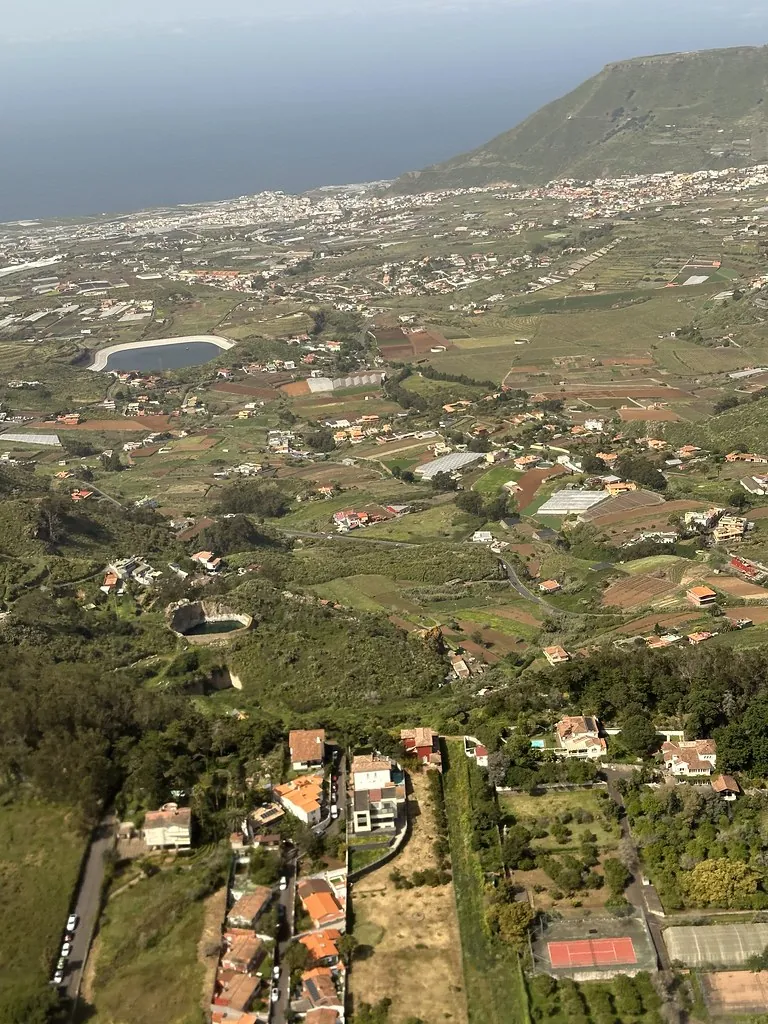
San Cristóbal de La Laguna - Flickr
Canarias · Fortunate Islands

San Cristóbal de La Laguna

The grid system hits you first. Not the chaotic tangle of medieval lanes you'd expect from a 16th-century Spanish city, but proper straight streets...

161,108 inhabitants · INE 2025
543m Altitude
Coast Atlántico

Why Visit

Coast & beaches La Laguna Cathedral Historical route

Best Time to Visit

year-round

Fiestas del Cristo (September) septiembre

Things to See & Do
in San Cristóbal de La Laguna

Heritage

  • La Laguna Cathedral
  • Historic Quarter
  • Royal Sanctuary of El Cristo

Activities

  • Historical route
  • Tapas and local cuisine
  • Hiking in Anaga

Festivals
& & Traditions

Fecha septiembre

Fiestas del Cristo (septiembre), Romería de San Benito (julio)

Las fiestas locales son el momento perfecto para vivir la autenticidad de San Cristóbal de La Laguna.

Full Article
about San Cristóbal de La Laguna

World Heritage city; former colonial capital; university and cultural hub with a pedestrian-friendly feel

Ocultar artículo Leer artículo completo

The grid system hits you first. Not the chaotic tangle of medieval lanes you'd expect from a 16th-century Spanish city, but proper straight streets that march off at right angles like something from a modern American downtown. This is no accident—La Laguna's planners borrowed their ideas from the Renaissance ideal cities they'd studied, creating what's now considered the template for colonial urban design across the Americas.

At 543 metres above sea level, the air carries a noticeable crispness missing from Tenerife's southern resorts. Morning mist rolls in from the Atlantic, cloaking the UNESCO-listed centre in a soft grey that burns off by midday to reveal honey-coloured stone buildings and terracotta roofs. The altitude means temperatures run several degrees cooler than coastal areas—pack a light jacket even in summer, particularly for evening tram rides back to Santa Cruz.

The University Effect

Students pour out of lecture halls onto pedestrianised Calle Herradores, filling cafés where espresso costs €1.20 and laptops compete with textbooks for table space. The University of La Laguna, founded in 1701, shapes everything here. Bookshops outnumber souvenir stalls. Bars serve tapas until 2am on Wednesdays because, well, students have irregular schedules. The atmosphere feels closer to Oxford's suburb-cum-city than a typical Spanish provincial centre.

This academic presence keeps the historic centre alive year-round. When other heritage sites become ghost towns outside peak season, La Laguna hums with genuine daily life. Pensioners gossip on benches beneath jacaranda trees in Plaza del Adelantado while office workers queue for €3.50 menú del día lunches. Tourism exists, but it's incidental rather than essential—exactly what makes the place refreshing after Tenerife's purpose-built resorts.

Walking Through Living History

Start at the Iglesia de Nuestra Señora de la Concepción, whose 16th-century tower offers views across the geometric street pattern. The climb costs €5 and involves narrow spiral stairs, but the perspective explains why UNESCO got excited—this is urban planning history you can walk through. The cathedral nearby charges the same entry fee, though some visitors reckon the exterior architecture beats the interior experience.

The real pleasure comes from wandering. Many mansion doors stand ajar, revealing interior courtyards where wooden balconies overlook fountains and subtropical plants. Casa Alvarado Bracamonte on Calle San Agustín particularly rewards the curious—its 17th-century courtyard remains intact despite the building's current commercial use. Photography's fine, but keep voices down; these are working buildings, not museum pieces.

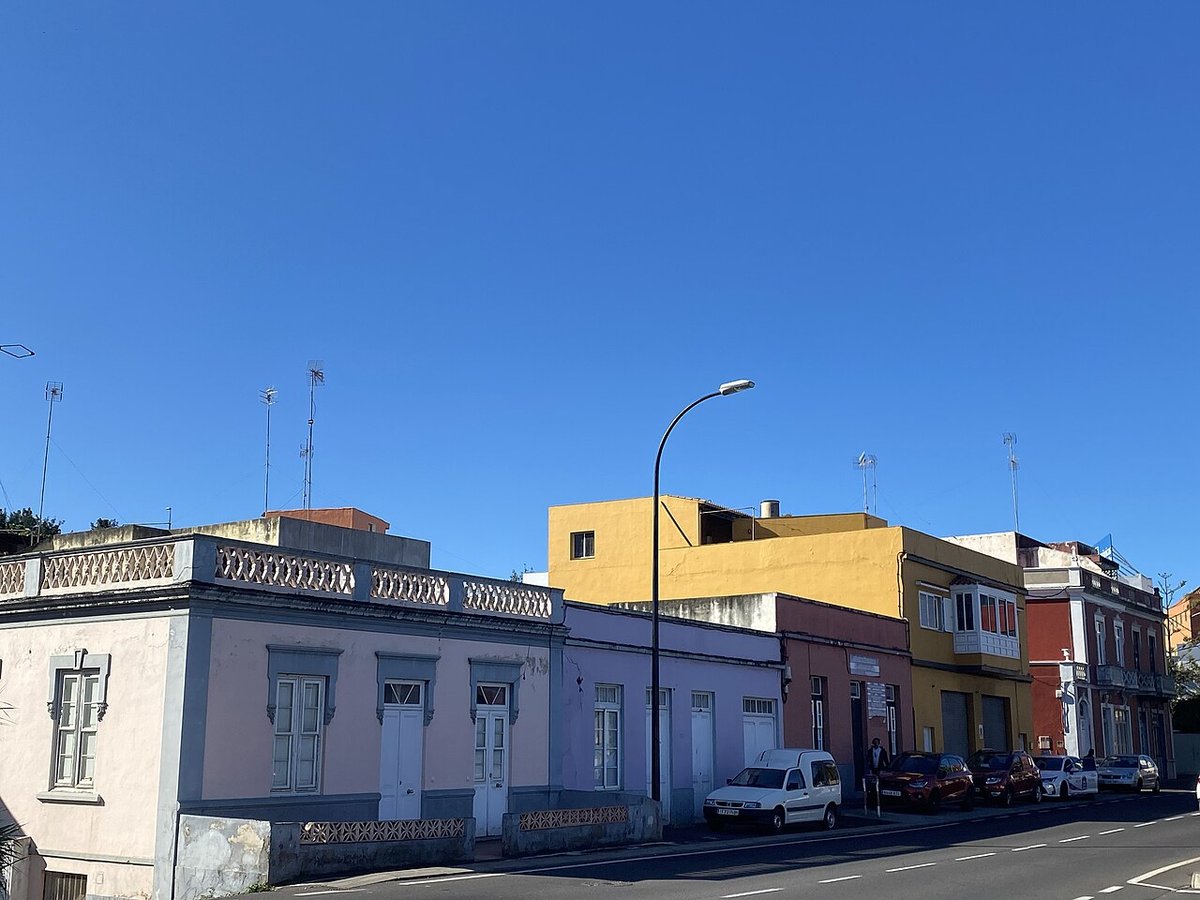
Calle Obispo Rey Redondo showcases the city's architectural evolution. One facade displays typical Canarian wooden balconies, its neighbour sports neoclassical severity, while modern shopfronts sit ground level. The mix shouldn't work but does, creating streetscapes that feel organic rather than preserved-in-aspic. Look up frequently—upper floors retain original details missed at eye level.

Food and Drink Without the Fuss

Traditional Canarian cooking survives alongside student-budget options. Around Plaza del Adelantado, restaurants serve proper papas arrugadas with green and red mojo sauces for €4-5, plus rabbit in salmorejo sauce that tastes nothing like its Mexican namesake. Cafetería Valencia on Calle Herradores maintains its 1950s interior and local clientele—coffee arrives thick and strong, with no skinny latte option available.

Evening drinking follows university timetables. Thursday night sees Calle Herradores packed with students starting weekends early; Saturday's quieter as many head home. Most bars close by 2am, sensible given morning lectures. Wine lists feature Tenerife's distinctive whites made from listán blanco grapes grown on volcanic soils—expect to pay €3-4 per glass, significantly less than coastal tourist spots.

Getting There and Away

Tenerife North Airport sits just 5 kilometres away—close enough that taxi drivers sometimes complain about short-fare distance. The journey costs around €15-20 depending on luggage and time of day. Alternatively, catch the tram from Santa Cruz (Line 1, €1.35, 40 minutes) which deposits you at La Trinidad station, five minutes' walk from the historic centre.

Driving presents parking challenges. The underground car park beneath Plaza de la Libertad offers safest overnight storage for hire cars—around €12 daily. Street parking exists but requires patience and acceptance of narrow medieval-proportioned spaces. Many visitors collect rental cars on departure day rather than arrival, using public transport for their stay.

Beyond the Centre

The Anaga mountains rise immediately northeast, their laurel forests creating a different microclimate within ten minutes' drive. Morning fog here can be impenetrable—check weather reports before attempting hikes. The PR-TF 10 trail from Cruz del Carmen to Chinamada (5.5 kilometres) passes through prehistoric vegetation and cave dwellings, but requires proper footwear and waterproofs.

Back in town, the Parque de La Vega provides green space for picnics and people-watching. Saturday mornings see a small farmers' market where local growers sell cheese, honey and vegetables. It's modest compared with Spanish mainland equivalents, but prices stay reasonable and produce tastes properly seasonal.

When to Visit, When to Avoid

September's Fiestas del Santísimo Cristo transform the centre into a crowded party zone—book accommodation early or avoid entirely. Easter week brings impressive processions but also packed churches and higher hotel rates. November through March offers clearest skies and most comfortable walking temperatures, though occasional Atlantic storms can dump serious rain.

August surprises many visitors with its heat and humidity. Without coastal breezes, temperatures can hit 35°C, making midday exploration uncomfortable. Museums and churches operate reduced hours, and some restaurants close entirely as locals escape to the coast. May provides arguably the best balance—warm days, cool nights, and the Cruz de Mayo festival adds floral decorations without overwhelming crowds.

La Laguna rewards those seeking authentic Canarian urban life rather than beach holiday clichés. Come expecting student bars rather than Irish pubs, neighbourhood restaurants instead of global chains, and a historic centre that functions as living city rather than heritage theme park. Stay two nights minimum—one day scratches surfaces, but the city's rhythms reveal themselves slowly, best appreciated over coffee in Plaza del Adelantado while watching another generation of students hurry to lectures beneath the jacarandas.

Key Facts

Region
Canarias
District
Área Metropolitana
INE Code
38023
Coast
Yes
Mountain
No
Season
year-round

Livability & Services

Key data for living or remote work

2024
ConnectivityFiber + 5G
HealthcareHospital
EducationHigh school & elementary
Housing~5€/m² rent · Affordable
CoastBeach nearby
January Climate13.3°C avg
Sources: INE, CNMC, Ministry of Health, AEMET

Official Data

Institutional records and open data (when available).

  • Conjunto Histórico De San Cristóbal De La Laguna
    bic Conjunto Histórico ~0.8 km
  • Iglesia Y Cementerio De San Juan Bautista
    bic Monumento ~0.3 km
  • Antiguo Convento De Santo Domingo
    bic Monumento ~0.4 km
  • Antiguo Convento Agustino Del Espiritu Santo
    bic Monumento ~0.8 km
  • Convento De Santa Catalina De Siena
    bic Monumento ~0.5 km
  • Monasterio De Santa Clara
    bic Monumento ~0.8 km
Ver más (16)
  • Iglesia Catedral De San Cristobal De La Laguna
    bic Monumento
  • Iglesia Nuestra Señora De La Concepción
    bic Monumento
  • Palacio De Nava
    bic Monumento
  • Hospital E Iglesia De Nuestra Señora De Los Dolores
    bic Monumento
  • Casa De Los Capitanes Generales
    bic Monumento
  • Iglesia De Santo Domingo
    bic Monumento
  • Palacio De Lercaro
    bic Monumento
  • Polvorín De Taco
    bic Monumento
  • Ermita De San Diego
    bic Monumento
  • Casa Del Beato Padre Anchieta
    bic Monumento

Planning Your Visit?

Discover more villages in the Área Metropolitana.

View full region →

More villages in Área Metropolitana

Traveler Reviews