Full Article
about Santa Cruz de Tenerife
Co-capital of the Canaries; vibrant city with a major port; iconic auditorium and the famous Las Teresitas beach.
Hide article Read full article
Santa Cruz, sin prisa
Santa Cruz de Tenerife es la capital que no actúa como tal. Comparte el título con Las Palmas, un reparto que lleva casi un siglo y que le sienta bien. Aquí viven poco más de 200.000 personas y el ritmo lo marcan los chicharreros, no los turistas. Los cruceros son la excepción: algunos días el puerto suelta miles de pasajeros a la vez y el centro se llena durante unas horas. Luego todo vuelve a la normalidad, como cuando termina un chaparrón.
Para entenderla, a veces basta con elegir dirección. Si te alejas del puerto, en diez minutos estás en el Parque García Sanabria. Es donde viene gente a leer el periódico, charlar o simplemente sentarse a la sombra. Es grande, tiene esculturas por todos lados y un reloj de flores que parece sacado de un pueblo suizo y plantado aquí por error.
Cuando la ciudad se disfraza
El Carnaval aquí no es un espectáculo que miras desde la acera. Es algo en lo que te metes, quieras o no. Durante semanas, los disfraces aparecen en cualquier formato: cajas de cereales, políticos de actualidad, personajes de dibujos. Hay noches en las que el centro se compacta tanto que avanzar por ciertas calles es una cuestión de paciencia.
También es una buena forma de ver cómo se organiza la vida de barrio. Los ensayos de las murgas salen de cualquier local disponible, los colegios preparan sus comparsas y siempre hay alguien prestando un disfraz a última hora. Si vas en esas fechas, lo más fácil es sumarte aunque sea con un gorro ridículo. Nadie te juzgará el resultado.
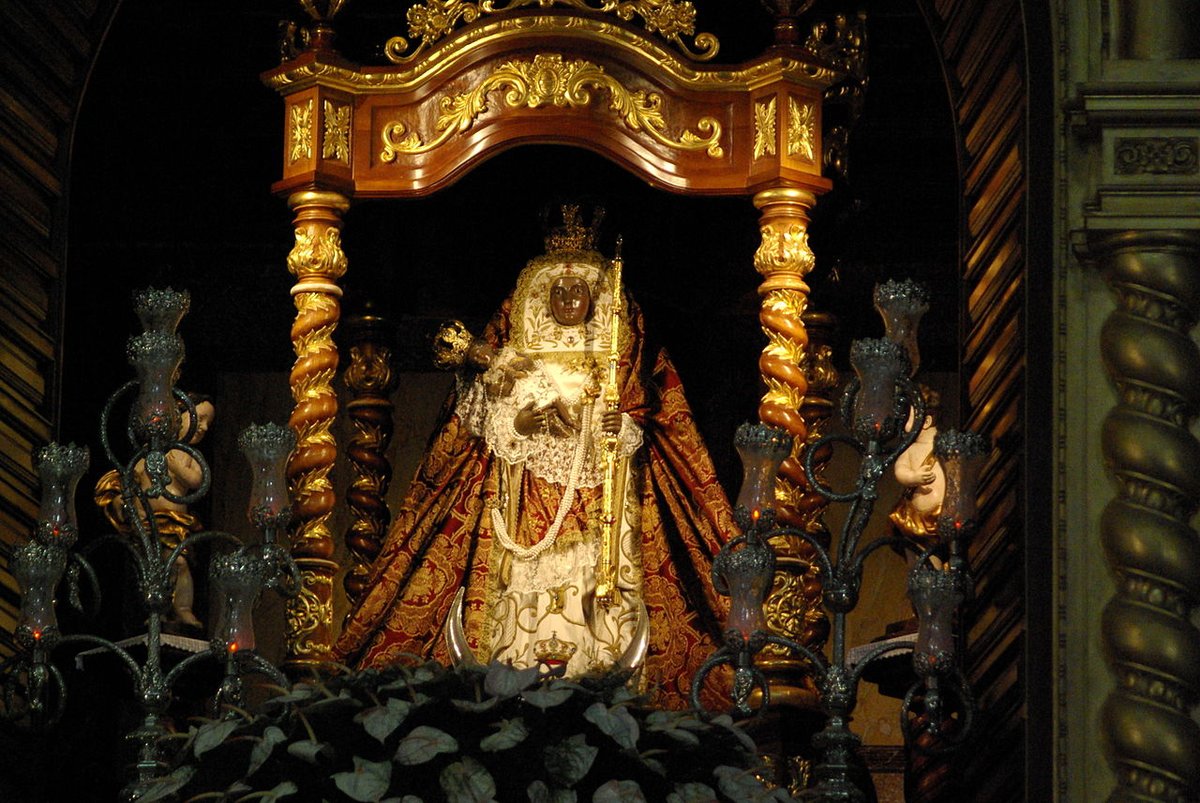
En verano cambia el ambiente pero no la actividad. Las fiestas de la Virgen de África suelen llenar el paseo marítimo de procesiones, música y fuegos artificiales que se ven desde casi cualquier punto del centro.
Comer como aquí se come
La comida canaria tiene una virtud: no intenta parecerse a nada más. Es sencilla, contundente y sabe a lo que tiene que saber.
Las papas arrugadas con mojo pueden parecer poco llamativas en una foto. Bien hechas, son otra cosa. El mojo suele llevar comino y bastante ajo, y las patatas llegan con una piel salada que casi cruje. El caldo de papas con gofio es otro básico, un plato que cobra todo su sentido después de una mañana caminando por Anaga.
La ropa vieja de pescado, a menudo con cherne y garbanzos, llega a la mesa como un guiso casero sin pretensiones. Luego está el bienmesabe. El nombre ya lo dice: almendra, huevo, azúcar y una textura tan espesa que la cuchara se queda clavada.
Si ves "churros de pescado" en una carta, no esperes algo dulce. Suelen ser trozos de pescado rebozados, crujientes y que desaparecen del plato en minutos.
De asfalto a bosque en media hora
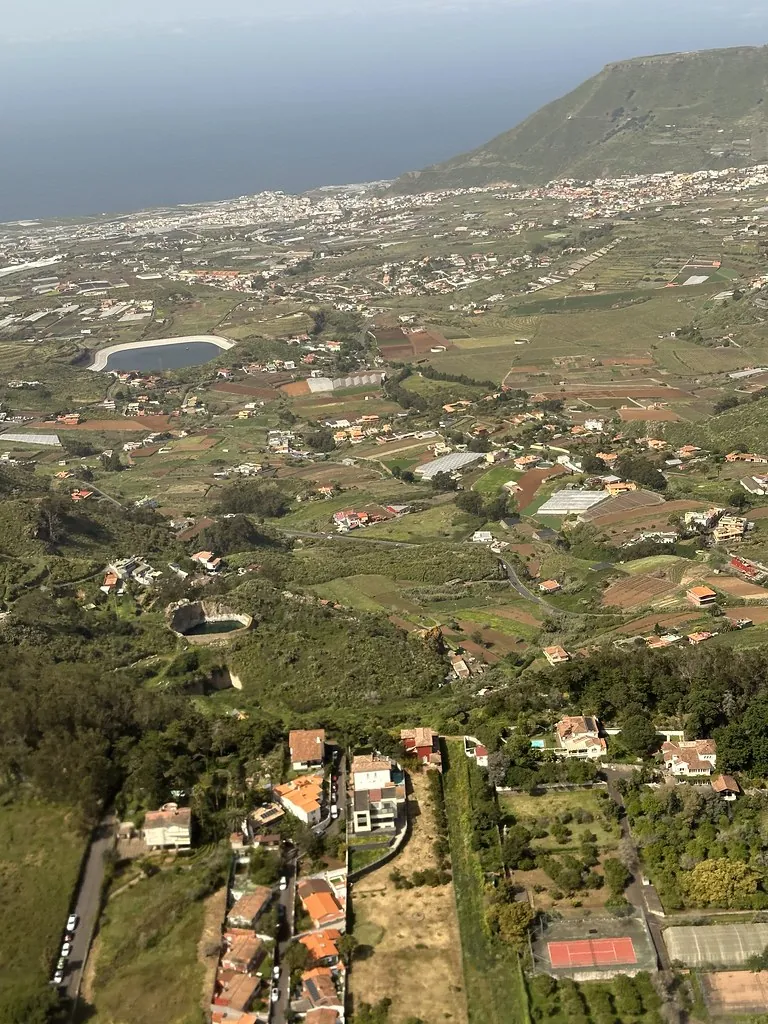
Lo raro de Santa Cruz es lo mucho que cambia dentro del mismo municipio. Ciudad, playa y montaña seria conviven sin problemas.
Las Teresitas está a minutos del centro y es la opción habitual para quien quiere un baño rápido. Su arena clara llegó del Sáhara hace décadas. Con sus espigones y palmeras, a veces parece demasiado ordenada para ser real.
Cambiar de escenario es fácil. Subir hacia Anaga te lleva a otro paisaje completamente distinto. Desde Cruz del Carmen salen varias rutas accesibles que atraviesan la laurisilva. El Sendero de los Sentidos es corto pero gratificante: pasarelas de madera, humedad en el aire y un verde tan profundo que parece prehistórico.
También hay caminos antiguos que bajan hacia la costa, algunos conectando con San Andrés y la zona de Las Teresitas. Estas rutas se usaban para ir entre pueblos y todavía sirven para una caminata más larga.
Al borde de la bahía está el Castillo de San Juan, uno de esos pequeños fuertes que recuerdan cuando aquí había que vigilar el horizonte. En 1797 intentó entrar la flota de Nelson y las cosas no le salieron como había planeado.
La gracia está entre punto y punto
Santa Cruz no es una ciudad para tachar monumentos. Funciona mejor si le dedicas tiempo muerto: un café en la Plaza del Príncipe mientras pasa gente; perderse por los puestos del Mercado de Nuestra Señora de África; ver cómo cambia la luz sobre el Auditorio desde fuera. La ciudad se explica en esos ratos donde lo cotidiano y el escenario se juntan sin hacer ruido. Sabes que has entendido Santa Cruz cuando tu plan principal es no tener uno fijo