Full Article
about Valsequillo de Gran Canaria
Fertile valley known for its strawberries, almond trees, and cheeses; mid-altitude landscape with volcanic and ethnographic trails.
Hide article Read full article
A road that leads somewhere unexpected
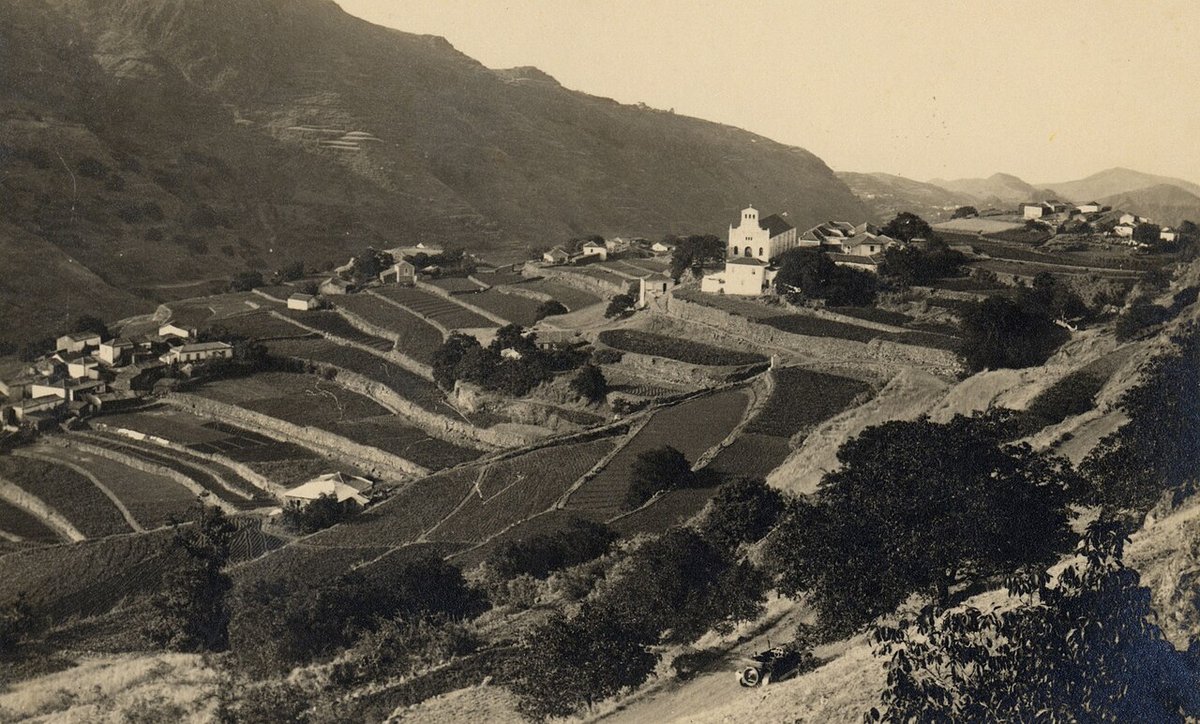
Valsequillo de Gran Canaria often gets reduced to a simple idea: “the village of almond trees”. That label barely scratches the surface. The shift begins on the drive up from the coast. The air cools quickly, enough to make you rethink what you’re wearing, and the road stretches into a series of curves that feels longer than it looks on a map. It is not far from Las Palmas, but the journey has its own rhythm.
The GC‑41 winds through pine forest and cultivated hillsides, and there is no dramatic entrance. No grand sign, no sculptural roundabout. The place reveals itself gradually. Scattered houses appear first, then quiet lanes that look closer to rural paths than streets. The silence can feel unfamiliar if you arrive straight from the coast.
Then comes the town centre, not all at once but in stages. It feels a bit like opening a door and realising the space beyond is larger than expected.
The square and the small details
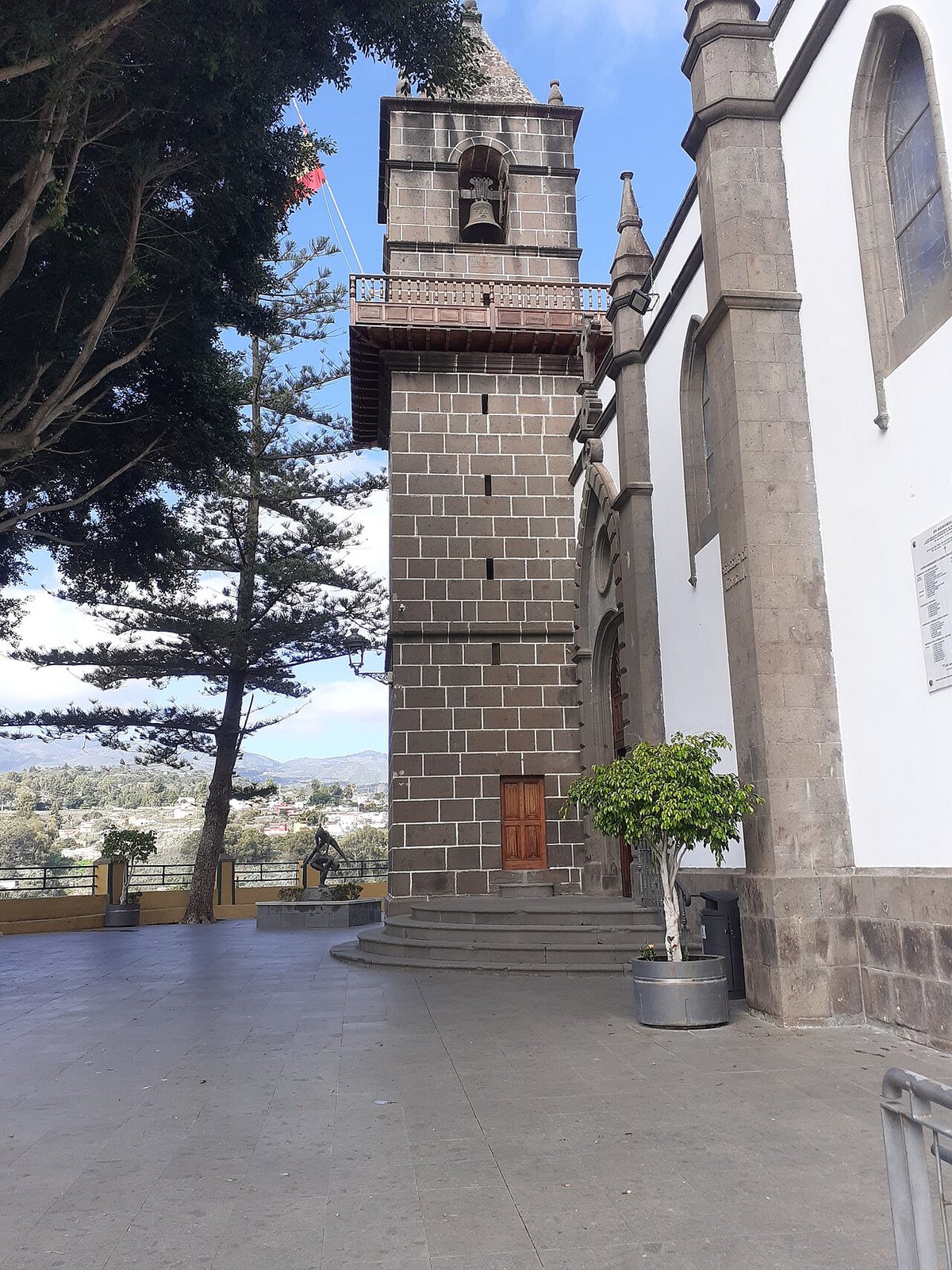
At the heart of Valsequillo sits the Plaza de San Miguel. This is where daily life gathers: benches, unhurried conversations, and the church watching over everything from one side. It has the atmosphere of a shared living room rather than a formal landmark.
In front of the square stands a sculpture of the archangel Michael accompanied by a dog. Yes, a dog. It is the sort of detail that makes people stop, look twice, and ask questions. The explanation is not always entirely serious. Some locals joke that even an archangel might appreciate a bit of company.
The centre does not try to impress with grand gestures. Its appeal comes from the way everything fits together quietly, without spectacle.
A crater that feels unfinished
La Caldera de Los Marteles sits not far from the town and offers one of the most striking landscapes in the area. It is a large volcanic crater, almost perfectly round, and when the year brings enough rain its walls turn green with vegetation.
A viewpoint nearby makes it easy to take in the shape of the caldera in a single glance. From there, several walking paths lead either down into the crater or around its edges. Conditions can change depending on the season. The ground may be muddy, and the wind at the top has a noticeable edge, so sturdy footwear and some water are sensible choices.
At certain times of year, the area changes colour thanks to the tajinaste azul. This plant does not bloom on a fixed schedule, but when it does, it spreads a deep blue across the landscape that feels almost out of place.
The caldera gives a sense that the island is still in the process of forming itself, as if the work has not quite finished.
Cherries, cheese and local habits
Mention Tenteniguada during the summer and the conversation usually turns to cherries. The area has a long tradition of growing them, and the harvest is marked by a local celebration. On that day the atmosphere shifts. Stalls appear, music fills the space, and people arrive from other parts of the island. Homemade liqueur made from the fruit is also part of the scene.
Another recurring topic is queso de flor. This soft cheese has a texture that almost spills apart when cut. First impressions can be misleading. It may seem mild at first glance, yet the flavour turns out to be surprisingly strong. Travellers often try to take some home, occasionally facing the challenge of explaining at the airport that what they are carrying is simply cheese.
Food here is not presented as a formal attraction, but it quickly becomes part of any visit through conversation and curiosity.
A different kind of winter
Winter in Valsequillo feels distinct from the south of Gran Canaria. The nights are properly cool, and the landscape shifts when the almond trees come into bloom. For a few weeks, fields fill with white and pink tones. People from across the island often come to see it, sometimes linking their visit with the almond blossom celebrations shared by several villages in the higher parts of the island.
The plan during this season tends to stay simple. A walk, a few photos, some time in the square. There are no elaborate setups or large-scale events dominating the experience.
Navigating the older part of town can require a bit of patience, especially in a larger vehicle. Some streets are narrow and steep. Many visitors choose to leave the car at the edge of the centre and continue on foot, which often makes things easier. It also fits the pace of the place.
A typical meal might include a plate of rancho canario, a hearty local dish that tends to take care of the rest of the afternoon.
A place that works at its own pace
Valsequillo can be seen quickly. A morning is enough to walk through the centre, take in La Caldera de Los Marteles, and continue on. Staying longer, though, reveals more. The surrounding area is threaded with walking routes that do not immediately show themselves.
Barranco de Los Cernícalos is one of the best known. It offers running water, rock walls, and plenty of shade, something that is always welcome on Gran Canaria. Mobile signal often drops out in this area, which can be seen as either an inconvenience or a quiet advantage. For a while, the outside world fades.
The municipality itself is not small, but it is spread out. Neighbourhoods are scattered, with farmland, paths, and a pace of life that rarely feels rushed.
Expectations matter here. Those looking for rows of souvenir shops or terraces packed side by side may prefer the coast. Valsequillo moves differently. It offers quiet, walking routes, and the sense that time stretches a little longer than usual.
It does not promise anything dramatic. What it does offer is a few hours of calm, and on an island as lively as Gran Canaria, that carries its own kind of value.