Full Article
about Teror
Religious heart of Gran Canaria; home to the Basílica del Pino; known for its traditional architecture and Canarian balconies.
Hide article Read full article
A square that sets the tone
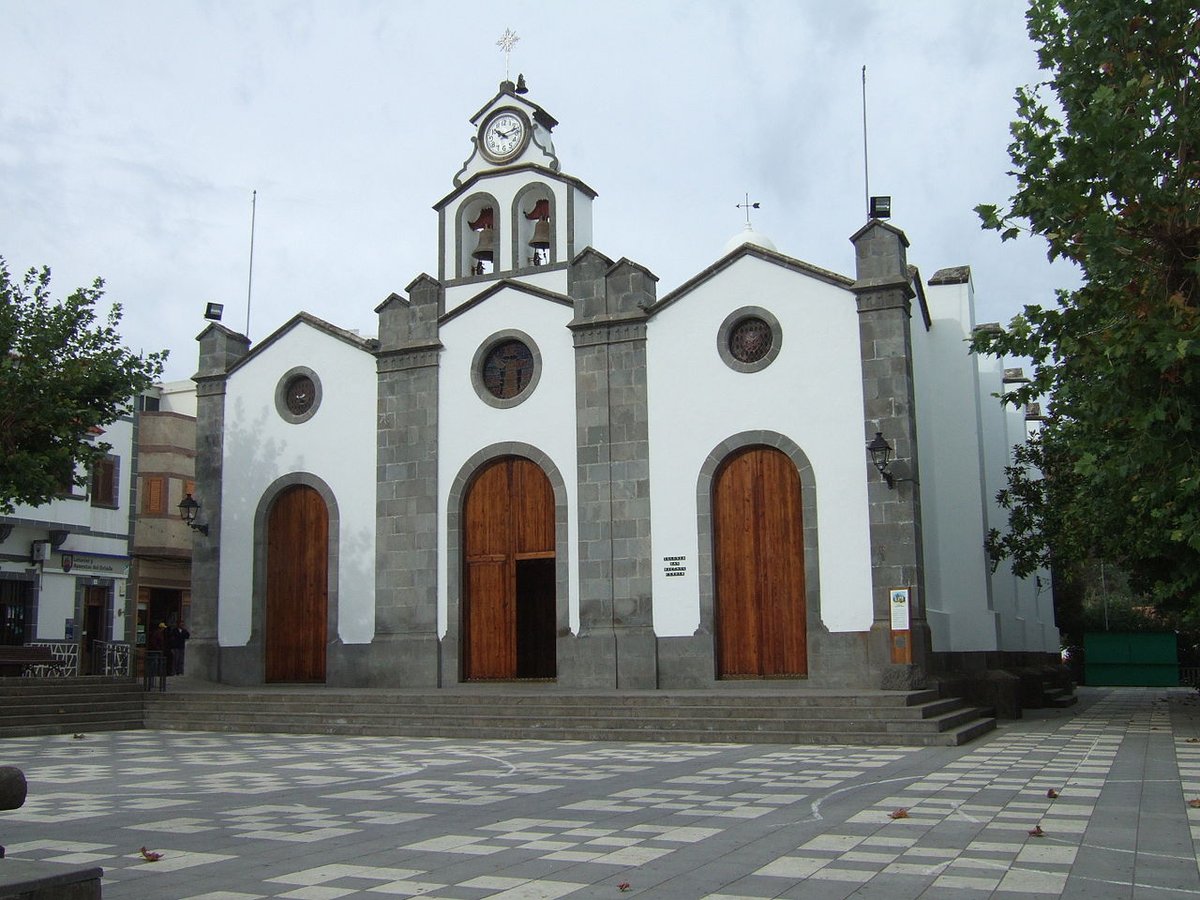
Teror is like walking into your friend’s family reunion. You know, the kind where everyone seems to know each other, conversations flow from the church steps to the nearest bar, and you’re the only one checking Google Maps. You drive up a winding road, spend ten minutes hunting for a parking spot that feels like winning the lottery, and then you’re there: a huge basilica plonked in the middle of a village that otherwise feels… normal. No Starbucks, no souvenir mega-stores, just people going about their Saturday.
That square is everything. It’s not a stage set; it’s the living room. Grab a bench and watch. Old men solving the world's problems, families herding kids after mass, teenagers trying to look casual. Nothing happens fast. It’s the exact opposite of those places that feel vacuum-sealed for tourists.
The Virgin who shaped the village
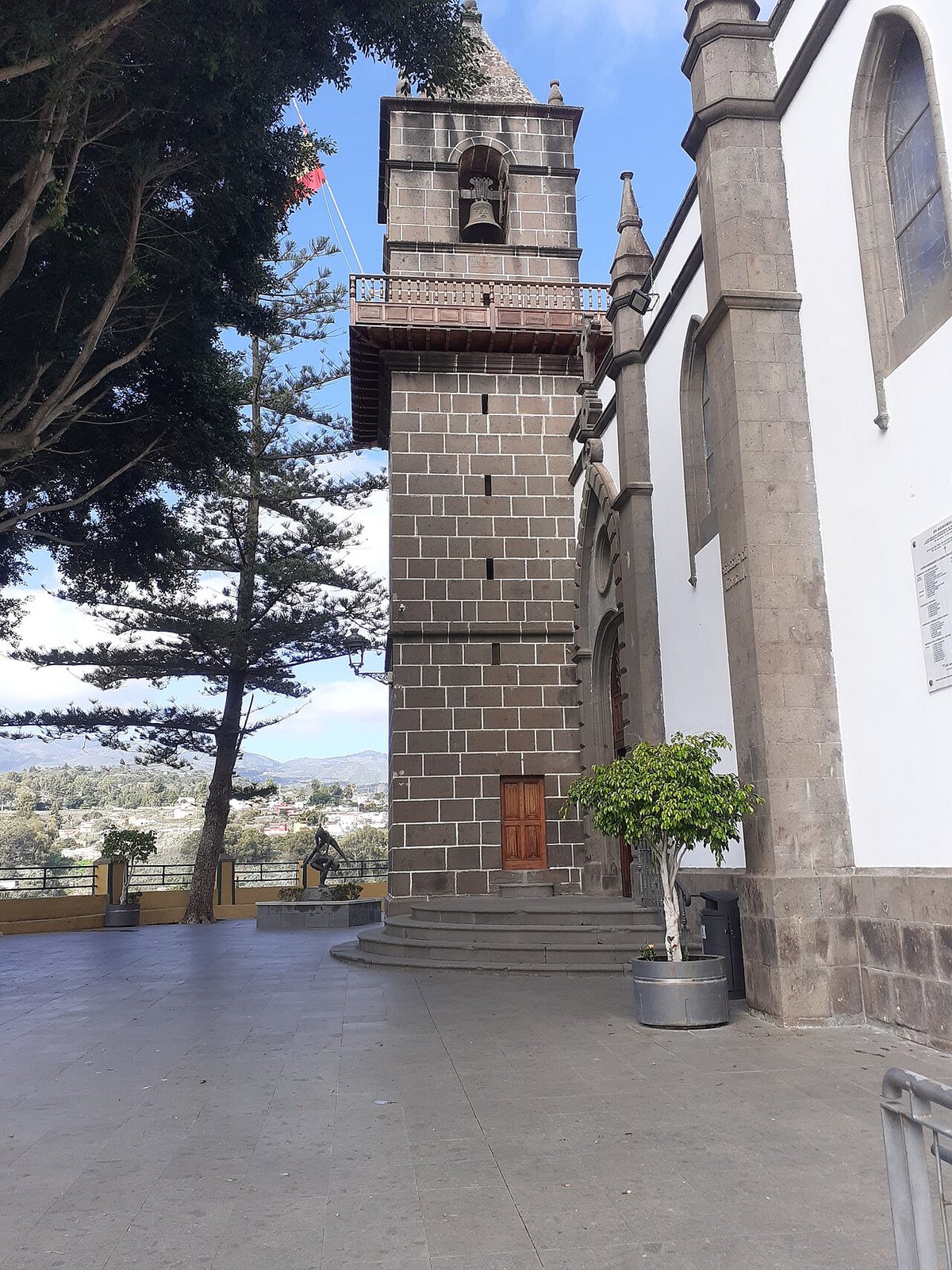
The whole story starts, they say, with a shepherd and a pine tree back in the 1400s. A vision of the Virgin led to a shrine, which eventually became the Basílica de Nuestra Señora del Pino you see today. And you can feel that origin story in your feet.
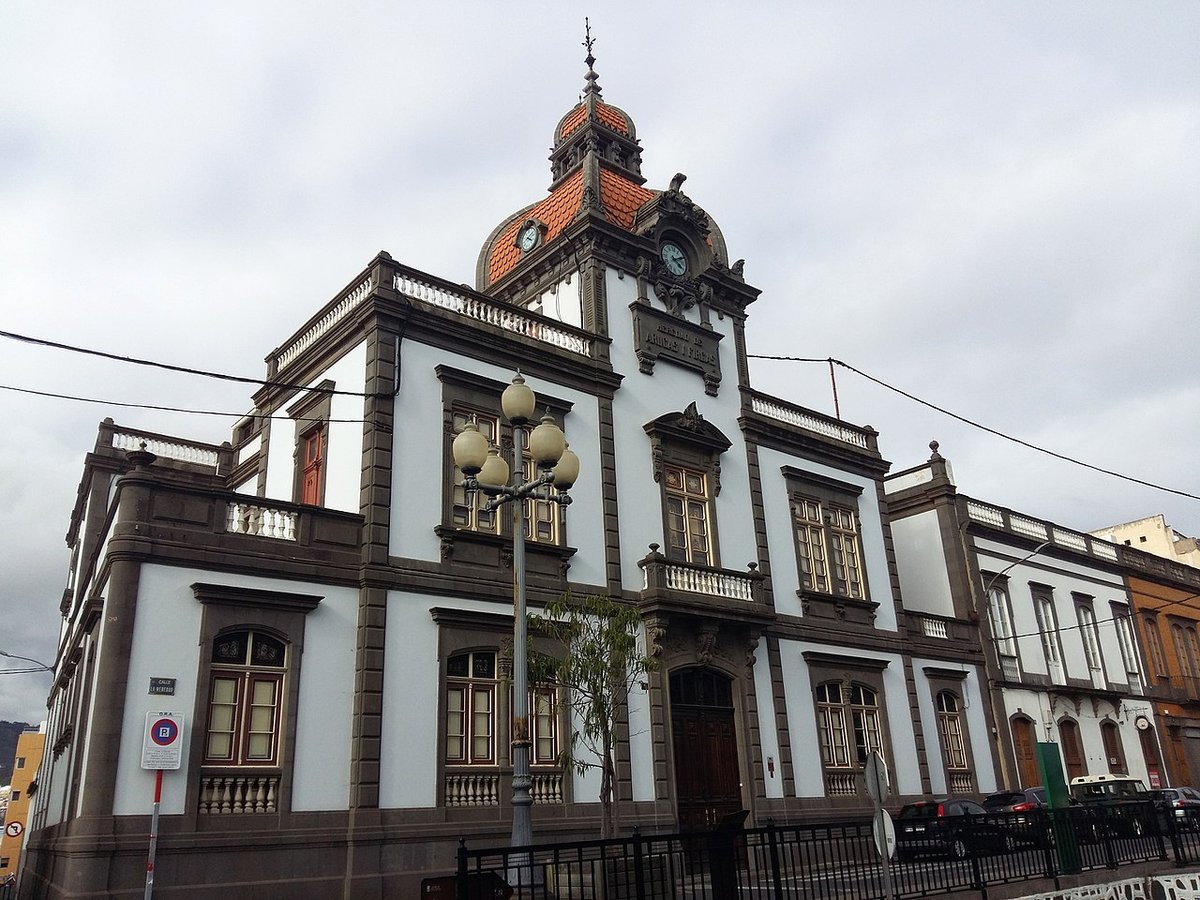
The village literally grew facing the church. The streets tilt toward it like plants leaning toward the sun. The architecture isn't just pretty; it's made from tea wood—a dark Canarian pine—that gives off this earthy, almost sweet smell when the air is damp. On a grey day, with that scent and the dark balconies against white walls, it has a specific mood. It doesn't feel designed; it feels accumulated.
The chorizo everyone talks about
Mention food here and someone will immediately ask if you’ve tried el chorizo. Not the hard sausage you slice. This is something else: a soft, spreadable paste of pork, paprika, and spices that you smear on bread. It’s the kind of thing that vanishes from a shared plate suspiciously fast.
No one agrees on exactly where it came from—maybe old monastery recipes, maybe just generations of home cooks perfecting it. But its fame is real. The best proof is Sunday morning.
That’s when Teror wakes up properly for its weekly market. The centre gets busy in that specific Canarian way: families doing their shopping, groups chatting in doorways, queues forming with a patience you rarely see in cities. If you're in a rush on a Sunday here, you've misunderstood the assignment entirely.
Slopes, walks and what's down there
Let's be clear: Teror is on a hill. Like most pueblos in Gran Canaria's interior, flat is an illusion. Your calves will notice.
A common stroll leads down to the Fuente Agria, about fifteen minutes' walk from the square. The water is naturally fizzy and slightly sour—an acquired taste. Back in the day, this stuff won awards at international expositions; now it's just a tap in a little shaded spot where you might see locals filling up bottles. The walk there and back is half the point.
For more serious walking, old caminos reales—royal paths—crisscross the area. They were once main arteries to Las Palmas. Some are still hikeable today, with routes heading toward the coast. Just do your homework first: what looks like a gentle path down can feel like a marathon on the way back up.
When September hits
If you think Sunday is busy, avoid—or deliberately seek out—early September for Las Fiestas del Pino. The village transforms into an island-wide pilgrimage site. The big event is the romería, where thousands dressed in traditional Canarian gear parade offerings to the basilica with carts and music. By September 8th, dedicated to the Virgen del Pino, the main square is so packed you'll be navigating by elbow.
Practicality goes out the window. Forget parking anywhere near. Your best bet is taking the guagua (that's "bus" here) up from Las Palmas, unless you enjoy traffic jams on mountain roads.
A place where everything fits
Teror’s thing isn't one Instagrammable monument. It's how all the pieces—the tea-wood balconies, the imposing basilica, the slow market-day rhythm—just sit together without fighting. It feels coherent.
Even the modern viaduct you see spanning the valley near town plays into this. It's jarring at first glance, this huge concrete structure next to historic houses. But it also reminds you this isn't a museum: people live here, commute from here, and life keeps moving.
You don't need three days to get it. A couple of hours will do: a slow lap of the square, getting lost down a side street just to see the balconies up close, eating something simple without watching the clock, and finding a viewpoint over the green valley below. That's usually enough to understand why so many grancanarios keep coming back.
One last tip: The weather here has mood swings. Sunshine can turn to low cloud faster than you can say "chorizo." Tossing an umbrella or a light jacket in the car costs you nothing and saves your afternoon