Full Article
about Valleseco
Green, farming town known for its cider and apples; laurel and chestnut forests make for good walking.
Hide article Read full article
Valleseco: el interior húmedo de Gran Canaria
Valleseco se encuentra en una de las zonas más lluviosas de Gran Canaria, en el norte de la isla y a unos mil metros de altitud. El clima aquí tiene poco que ver con el de la costa. La niebla es frecuente, la llovizna aparece gran parte del año y el paisaje responde a esa humedad: pinares y castañares conviven con bancales de cultivo que trepan por las laderas de los barrancos.
El nombre del municipio suele mencionarse como una ironía histórica. No hay una explicación definitiva sobre por qué se llamó “valle seco” a un lugar tan verde y con tanta agua.
De pagos dispersos a municipio
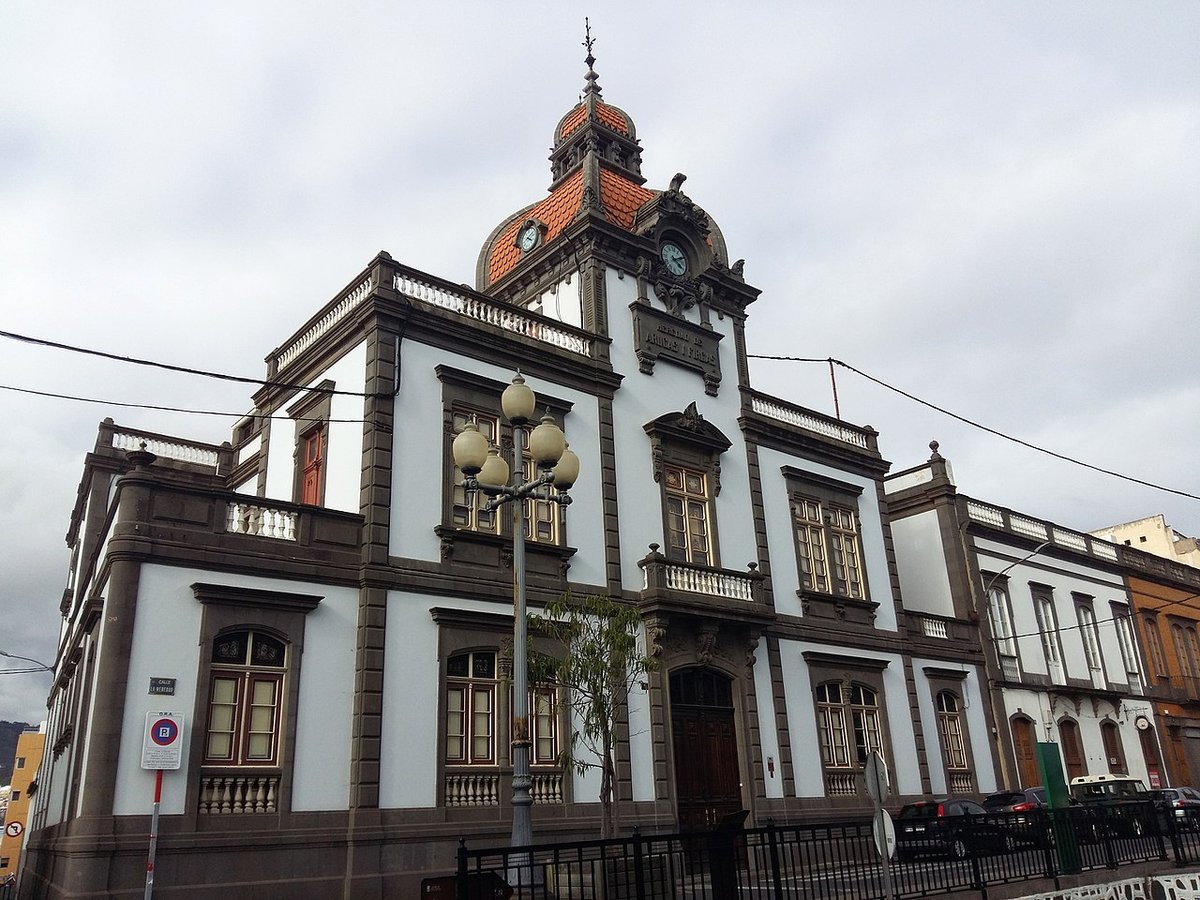
Valleseco se constituyó como municipio independiente en el siglo XIX, tras depender durante mucho tiempo de la vecina Teror. El cambio no fue solo administrativo. Supuso crear una parroquia propia, organizar servicios y dar estructura a una red de pagos y caseríos que ya funcionaban con cierta autonomía.
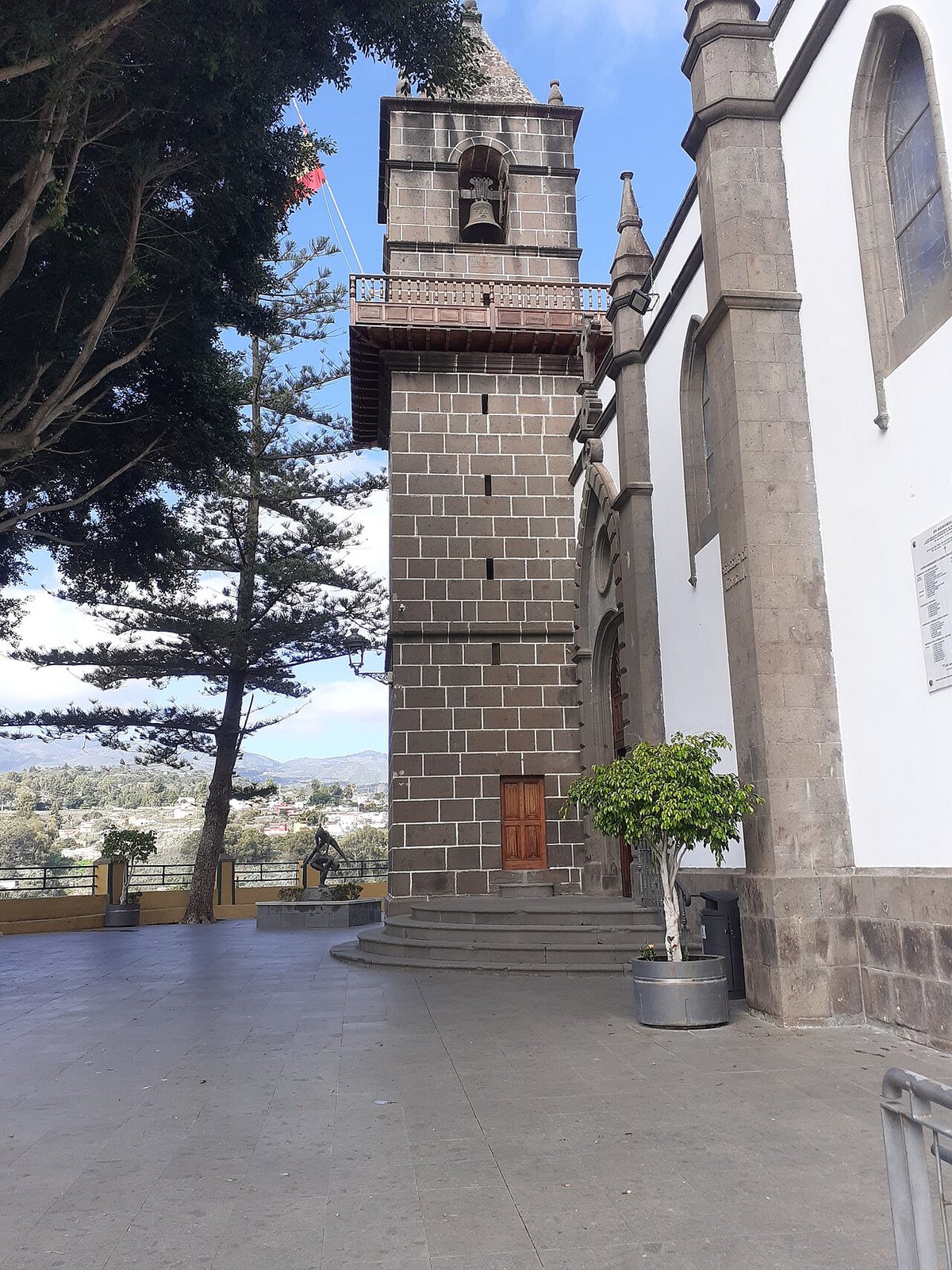
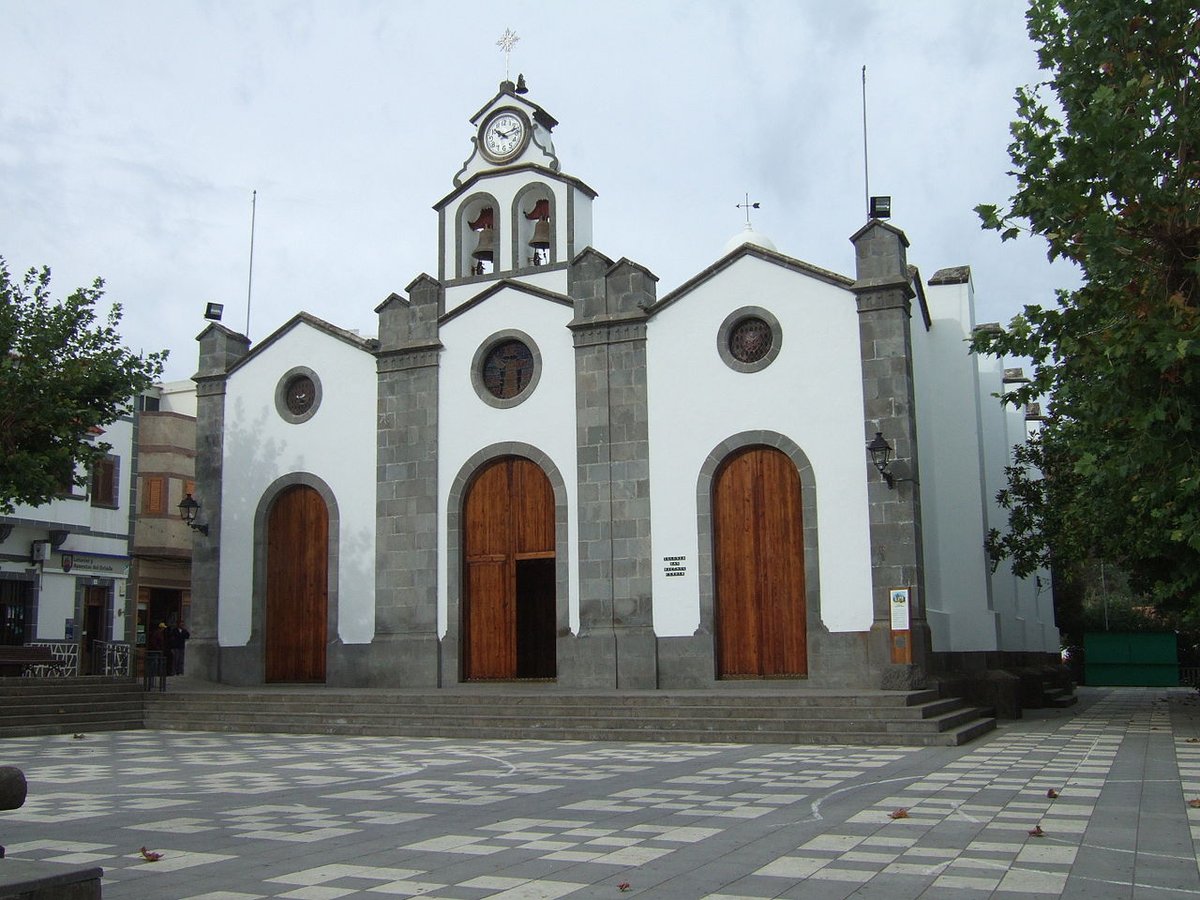
La devoción local se centra en San Vicente Ferrer. La primera ermita dedicada al santo se levantó en el siglo XVIII, cuando la población comenzaba a asentarse de forma más estable en estas medianías. La iglesia actual es resultado de ampliaciones posteriores y refleja el crecimiento paulatino del núcleo. No es un edificio monumental. Su importancia está en lo que representó para una comunidad que durante mucho tiempo dependió de parroquias ajenas.
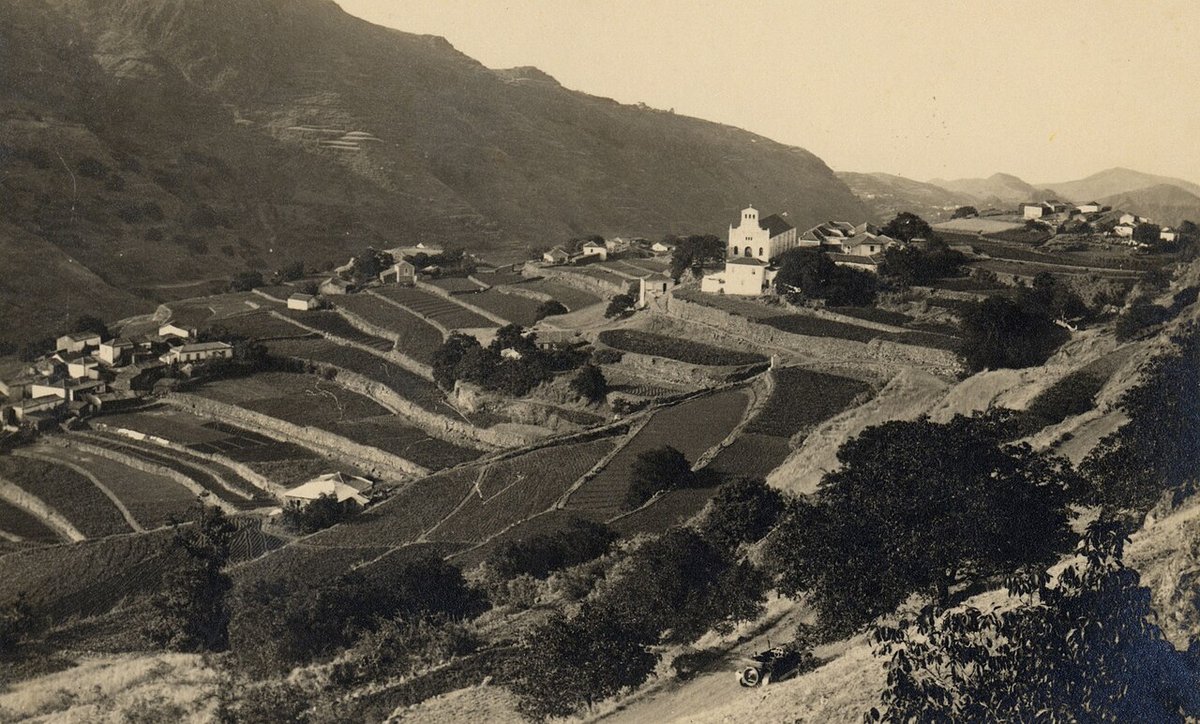
Valleseco no tiene un único casco urbano compacto. Se distribuye en barrios y pagos como Madrelagua, Lanzarote, Crespo o Cueva Corcho, situados en las laderas de los barrancos. Este patrón disperso está ligado a la agricultura tradicional de medianías, donde era necesario vivir cerca de la tierra y de los puntos de agua.
Manzanos, bancales y producción local
Uno de los rasgos más identificables de Valleseco es el cultivo de manzana, especialmente la variedad reineta. Introducida en la isla hace más de un siglo, se adaptó bien al clima fresco y húmedo que se da aquí. Con el tiempo, se convirtió en uno de los cultivos definitorios del municipio.
Los manzanos se plantan en bancales que siguen las curvas de nivel del terreno. Cuando cargan fruto, el paisaje cambia notablemente. Las hileras de árboles frutales se extienden por praderas verdes, una imagen que contrasta con la Gran Canaria más seca y conocida.
De esta producción salen pequeñas partidas de sidra artesanal y vinagre de manzana. Suelen elaborarse en casas o explotaciones familiares, no en grandes instalaciones. Junto a la manzana, el cultivo de cereales sigue presente. En el casco queda un molino en funcionamiento, que muele grano para producir gofio, un alimento tradicional canario hecho a base de cereales tostados.
Calderetas y terreno volcánico
Los alrededores de Valleseco incluyen varias formaciones volcánicas conocidas como calderetas. Son depresiones circulares que remiten al origen volcánico de la isla. Una de las más conocidas es la zona de Calderetas, dentro de un entorno boscoso dominado por el pino canario y la vegetación frondosa típica del norte.
Un sendero que atraviesa esta área permite ver cómo la geología y la agricultura han modelado el paisaje a la vez. En algunos puntos se conservan antiguas haciendas y castaños grandes, plantados hace generaciones. El castaño, como el manzano, prospera aquí gracias a las condiciones más frescas de esta altitud.
Fiestas y vida cotidiana
Las principales celebraciones de Valleseco están dedicadas a San Vicente Ferrer, el patrón. Durante las fiestas, los distintos barrios participan en romerías, procesiones tradicionales que suelen ir acompañadas de música, comida compartida y encuentros entre vecinos y quienes regresan al pueblo para la ocasión.
Otros pagos mantienen sus propias tradiciones. En Lanzarote, uno de los actos más conocidos consiste en bajar troncos desde el monte hasta el barrio. Esta tarea colectiva mezcla trabajo simbólico con celebración y refleja formas antiguas de organizar labores comunales.
Los fines de semana, sobre todo si hace buen tiempo, las familias se reúnen en las áreas recreativas del municipio. La Laguna es la más concurrida. Tiene mesas, zonas de sombra y caminos cortos entre los árboles, un entorno donde se pasa el día al aire libre sin prisas.
Cómo llegar y notas prácticas
Valleseco está en el interior del norte de Gran Canaria. Se llega por carreteras de medianías que suben desde la capital y los pueblos cercanos. El último tramo tiene curvas y gana altura con rapidez.
Conviene llevar alguna prenda de abrigo, incluso fuera del invierno. La combinación de humedad y altitud hace que las temperaturas bajen cuando avanza la tarde. Las nubes suelen llegar desde el norte y el tiempo puede cambiar en minutos.
El casco urbano se recorre fácilmente a pie. Aun así, lo que define Valleseco está sobre todo fuera de él. Los alrededores, con sus pagos dispersos, terrenos de cultivo y senderos, dan una idea más completa de cómo se ha vivido tradicionalmente en esta parte de las medianías grancanarias.