Full Article
about Betancuria
Former capital of Fuerteventura in an inland valley; noted for its history, traditional architecture and museums.
Hide article Read full article
Betancuria: un valle en el centro de Fuerteventura
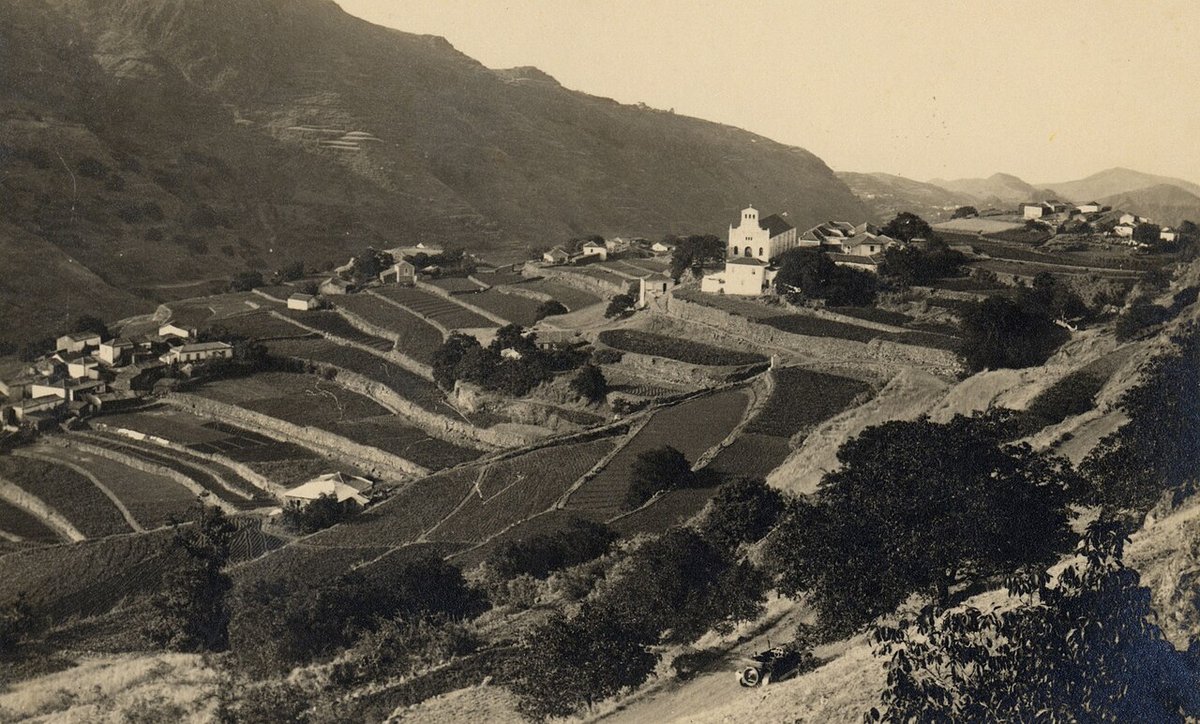
La geografía de Fuerteventura es, ante todo, costera. Betancuria es la excepción. El pueblo se asienta en un valle interior, rodeado de lomas volcánicas y barrancos secos, a una media hora en coche de cualquier playa. Su ubicación no fue casual. Se fundó en 1404 como capital de la isla, lejos de la línea de mar y de los ataques de piratas que llegaban por ella. Ese aislamiento estratégico define aún su carácter.
La traza de una capital antigua
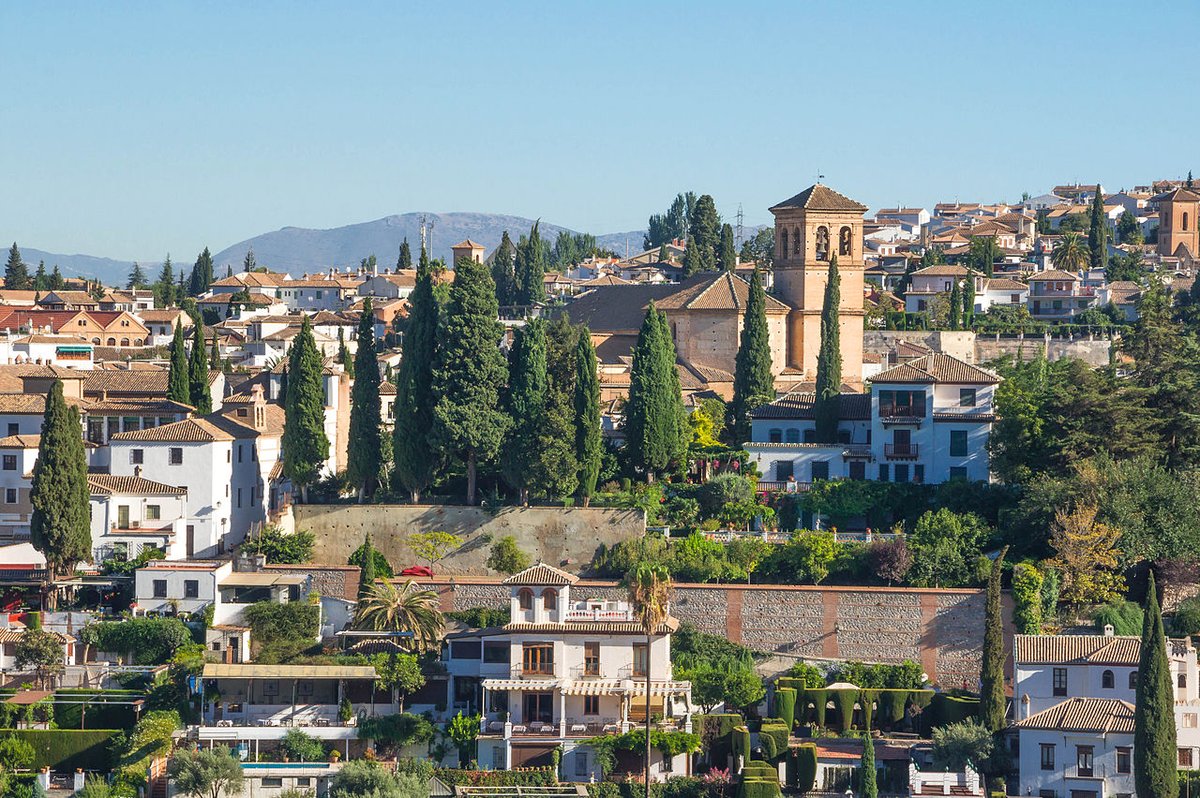
Betancuria creció como un refugio. Las casas bajas, de muros gruesos y calles cortas, responden al clima seco y al terreno quebrado. El conjunto es pequeño, ajustado a la escala humana de una población que nunca superó unos pocos miles de habitantes. Caminar por sus cuestas empedradas da una idea clara de cómo se organizaba la vida en el interior majorero: con pragmatismo y cierta contención.
La iglesia de Santa María resume buena parte de esa historia. Se levanta sobre el solar del primer templo del siglo XV, que fue saqueado e incendiado por corsarios berberiscos en 1593. La reconstrucción posterior dejó un interior sobrio, con techos de madera de estilo mudéjar y retablos barrocos añadidos siglos más tarde. Su fachada de piedra rojiza, un material local, contrasta con el blanco de las casas de la plaza.
A unos minutos a pie, cuesta arriba, está la ermita de San Diego. Data del siglo XVII y su principal valor es la vista. Desde allí se entiende la disposición del pueblo en el fondo del valle y la dimensión del macizo central que lo rodea.
Huellas del pasado en el paisaje
A las afueras se encuentran las ruinas del convento franciscano de San Buenaventura. Quedan algunos muros que permiten intuir la planta original. Los franciscanos fueron clave en la organización social de la isla durante los siglos XVI y XVII, y este fue uno de sus centros. Hoy el silencio y el viento son los dueños del lugar.
Dentro del pueblo, varios museos pequeños —dedicados al arte sacro, la arqueología y la etnografía— ayudan a contextualizar lo que se ve fuera. Son espacios concisos que explican el sustrato aborigen (la cultura maho) y la sociedad rural que vino después. Conviene visitarlos al principio del paseo; dan claves para leer el territorio.
Senderos desde el valle
Varias rutas de senderismo parten de Betancuria hacia el interior. Una de las más transitadas sube hacia la zona de Malpaso. La ascensión es constante pero no técnica, y las panorámicas desde los miradores naturales abarcan buena parte de la geografía agreste del centro de la isla.
Otra opción es adentrarse por el barranco de las Peñitas. Aquí el paisaje muestra una variación sutil: aparecen algunas palmeras, pequeñas huertas abandonadas y paredes de roca erosionada por el agua. No es un valle verde al uso peninsular, pero introduce un contraste frente a la aridez dominante.
Ritmo y festividad
El calendario festivo mantiene celebraciones ligadas al ciclo rural. A mediados de enero suele celebrarse la festividad de San Antonio Abad, con la bendición de animales. En verano tienen lugar las fiestas patronales de Santa María.
A principios de septiembre llega la romería de la Virgen de la Peña, patrona de Fuerteventura. Esos días el valle cambia por completo: aumenta el movimiento, llegan peregrinos de otros municipios y el ambiente se llena de un bullicio que contrasta con la tranquilidad habitual.
Cómo moverse y qué tener en cuenta
El núcleo histórico se recorre en una mañana sin prisas. Incluyendo la subida a la ermita y una visita a algún museo, se puede hacer en dos o tres horas. El calzado debe ser cómodo por las cuestas y el empedrado irregular. El sol pega con fuerza incluso en días templados, así que conviene llevar agua y protección.
La carretera FV-30 conecta Betancuria con Puerto del Rosario en unos 25 kilómetros. Es una vía serpenteante que atraviesa el corazón volcánico de la isla, con varias curvas y algún mirador natural donde merece la pena parar. Desde el sur (Costa Calma, Jandía) el trayecto es más largo, pero permite ver cómo cambia el paisaje desde las zonas turísticas hasta el interior árido.
La mejor época para visitar va de octubre a mayo, cuando las temperaturas son más suaves para caminar. En verano, el calor se concentra en las horas centrales del día, momento en el que el valle recibe el sol de lleno. Un día nublado o con algo de viento, sin embargo, tiene su propio atractivo: los tonos ocres y negros del terreno volcánico se intensifican, y el paseo por el pueblo gana en tranquilidad.