Full Article
about Puerto del Rosario
Administrative capital of Fuerteventura; a growing port city with an open-air sculpture park and urban beaches.
Ocultar artículo Leer artículo completo
The taxi driver flicks his indicator off before the airport roundabout even ends. Five kilometres, £12 on the meter, and you're already in a place most UK boarding passes treat as a mere transit point. Puerto del Rosario sits low against the Atlantic, sea-level flat and stubbornly wind-scoured, doing the quiet business of governing Fuerteventura while the resorts farther north hoover up the brochures. No one calls it pretty. They do call it cheap, authentic, and—rather usefully—five minutes from the runway.
A Port That Refuses to Pose
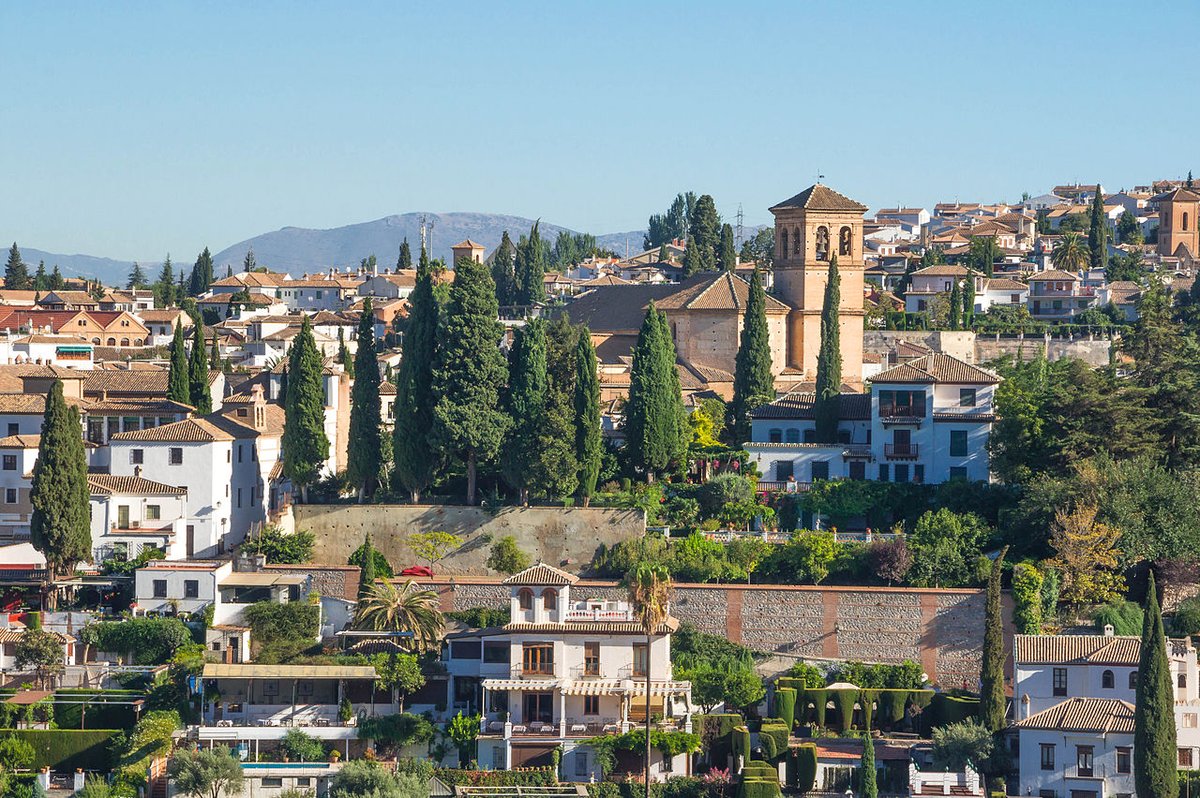
Forget the phrase "working harbour" if that conjures rust and diesel. Here it means trawlers unloading parrot-fish at dawn, the ferry to Gran Canaria sliding out at 15:00 on the dot, and office clerks in short sleeves queuing for coffee beside cruise passengers who've been tipped off that the nearest beach is a fifteen-minute stroll south. The waterfront promenade—white concrete, palm spacing just irregular enough to feel real—runs for two kilometres. Early evening turns it into an open-air gym: elderly residents power-walking in trainers that never see sand, kids wheeling scooters past 1950s houses painted the colour of fresh yogurt. At the far eastern end the façades cluster so tight and bright that, from a distance, they read like a single city-sized iceberg. Bring a jacket; the Saharan breeze can flip from warm to brass-monkey in the space of a sunset beer.
Architecture is an accidental mix. One doorway still carries the carved lintel of Puerto de Cabras (the goat harbour name ditched in 1956 for something more Marian), next to a 1970s block whose balconies sag like tired cake. The effect is human, not curated. Government staff spill out at 14:00 sharp; shops pull metal shutters down until 17:00. Plan lunch, not selfies, for that gap.
What You Actually Do Between Buses
The Unamuno House-Museum opens at 10:00 and needs twenty-five minutes, thirty if you read every exile-era letter the Basque writer penned after Madrid sent him south for shouting about dictators. Admission is free; ring the bell. Around the corner, the Iglesia de Nuestra Señora del Rosario keeps neoclassical dignity despite neighbouring phone shops. Step inside to escape the wind; the cedar roof smells faintly of ship timbers.
From the church door you can tick off the outdoor sculpture trail in under an hour without trying. Seventeen pieces—concrete crabs, surreal bronze faces, a bright steel goat that children climb—dot the grid like breadcrumbs. The tourist office (yes, it exists, down a side street opposite the courts) hands out a cartoon map, but half the fun is getting mildly lost and finding a six-metre whale tail beside a cash-and-carry.
Art indoors? The Juan Ismael Contemporary Art Centre, two storeys of sharpened concrete, stages rotating shows of Canarian painters. It closes Mondays and whenever the technician oversleeps; check the chalkboard. Entry is still free, loo included—worth knowing because cafés will expect you to order before they hand over the key.
Beaches for People Who Don't Mind Shingle
Playa Blanca and Los Pozos sit south of the port, both ten minutes on foot from the bus station. They are city beaches: dark grit, break-water shelter, waste-bins emptied daily. On a calm morning the water is aquarium-clear; when the swell arrives body-boarders own the surf and parents retreat to the concrete boardwalk. No sun-lounger touts, no wrist-band wristaches, just the occasional local selling chilled mango slices from a cool-box. The council provides free showers—cold, but after a day in 28-degree July that feels like feature, not bug.
Eating Without the Resort Mark-Up
Follow the lawyers. At 14:05 they pile into Cafetería El Mentidero on Calle Virgen de la Peña for sancocho (salt-cod stew) at €6.50 a bowl. Portions are built for field workers; one plate plus bread equals siesta fuel. If you prefer something you can name in English, Café Atlántico on the promenade does toasted sandwiches the size of house bricks and proper filter coffee that doesn't cost four quid. Vegetarians survive on papas arrugadas—wrinkled potatoes boiled in seawater—and red or green mojo sauce fierce enough to make you blink. Saturday adds a farmers' market behind the courts: goat cheese drier than feta, jars of cactus jam, bunches of cilantro that smell like citrus. Prices are tagged; no one haggles.
Evening eating starts late. Order before 20:00 and the waiter assumes you're still on airport time. Grilled cherne (wreckfish) runs about €14, cheaper if the boat came in lucky. House wine arrives in a plain bottle, tastes like someone bottled sunshine, and costs less than the bottle of water you bought after security.
Using the Capital as a Launchpad
The island's only proper ring-road, the FV-3, brushes the town's northern edge. Hire cars picked up at the airport (€18 a day if booked from the UK) can be parked free on Calle Juan de Bethencourt beside the police station; spaces fill with government Astras by 08:30 but empty after 15:00. From there Corralejo's dunes are 25 minutes north, Costa Calma's white sash 35 south, and the mountain village of Betancuria 20 inland. Staying here knocks £40–60 off a week's accommodation bill versus the resorts, and you skip the karaoke.
Buses work too. Station is unsigned but unmistakable: blue benches, lottery ticket kiosk, smell of diesel and doughnuts. Line 1 to Corralejo every 30 minutes, Line 7 to Morro Jable hourly, both stop at the airport on request. A day pass costs €4.60, less than a UK city single.
When to Turn Up, When to Bail
April–June and late September–November give you 23–26°C days, 17°C nights, and statistically less chance of the Saharan breeze flinging grit in your contact lenses. August hits 32°C; concrete radiates like a storage heater and parking disappears under hire-car gridlock. Carnival in February is loud, brilliant, and books accommodation solid—fine if you like drumming at 03:00, less so if you rise for bird-watching. Cruise days (check online schedules) inject 2,000 day-trippers between 09:00 and 16:30; museums fill, coffee queues double, then the pier exhales and normal service resumes.
The wind is not a myth. Locals call it la palma seca, the dry palm, and it can rip an unsecured sun-hat into the Atlantic faster than you can swear. Pack a light fleece even in July; evenings on the promenade feel like British September once the sun drops.
The Honest Farewell
Puerto del Rosario will never compete with the brochure beaches ten kilometres north or south. Its charms—cheap beds, proper coffee, seafront that smells of diesel and frying fish—are practical rather than photogenic. Use it as a base and you bank the difference in euros; stay a full day and you'll have time to decide whether a city that works beats one that poses. Either way, the airport is still five kilometres away when you've had enough.