Full Article
about San Bartolomé
Agricultural heart of Lanzarote; known for sweet-potato farming and the Monumento al Campesino; link between north and south
Ocultar artículo Leer artículo completo
The first thing you notice is the sound – or rather, the lack of it. No thumping bars, no karaoke drifting across hotel pools, just the occasional bark of a dog and the clink of coffee cups from Bar Central's terrace. At 240 metres above sea level, San Bartolomé sits high enough to catch the Atlantic breeze but far enough from the coast to feel like you've stumbled into proper Spain rather than a holiday brochure.
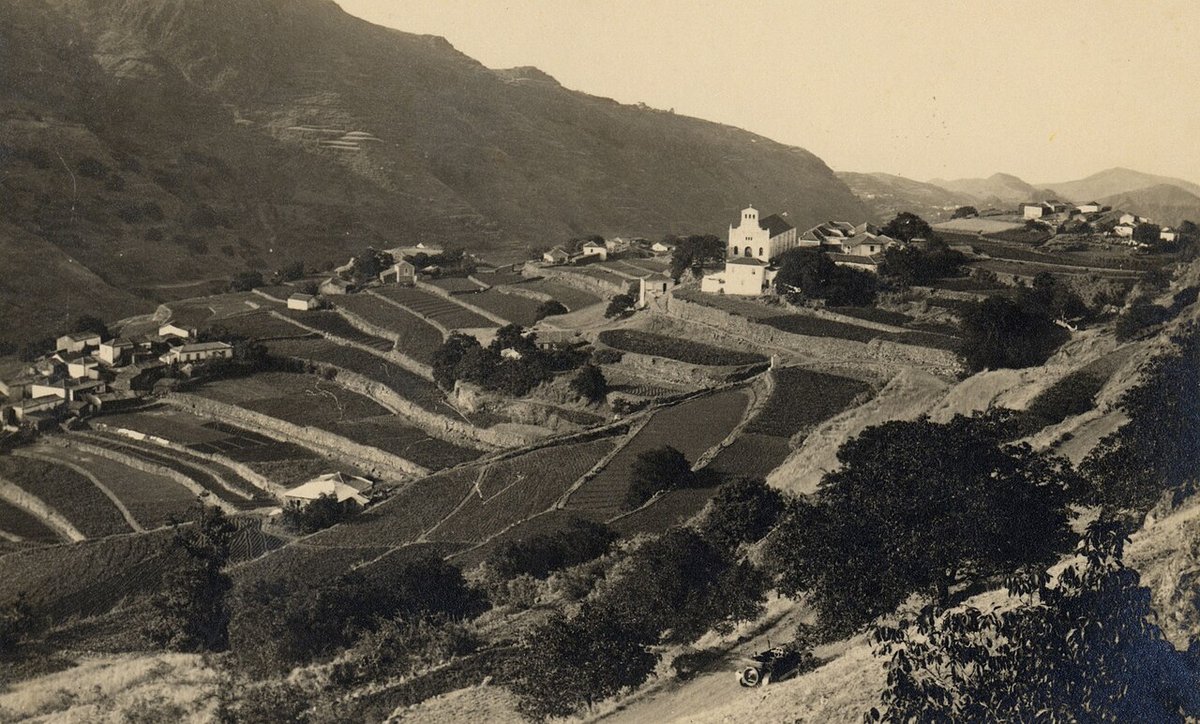
This isn't where you come for beaches. The nearest sand is a ten-minute drive away at Playa Honda, a workaday stretch popular with locals who pack up their cars with cool boxes and umbrellas every Sunday. Instead, San Bartolomé serves as Lanzarote's agricultural heart, a place where volcanic ash has been wrestled into submission through centuries of back-breaking labour. The proof is everywhere: stone walls snake across the landscape, creating a patchwork of smallholdings where vines grow in holes dug deep into black lava, each plant protected from the relentless wind by its own semi-circular wall.
The Morning Routine
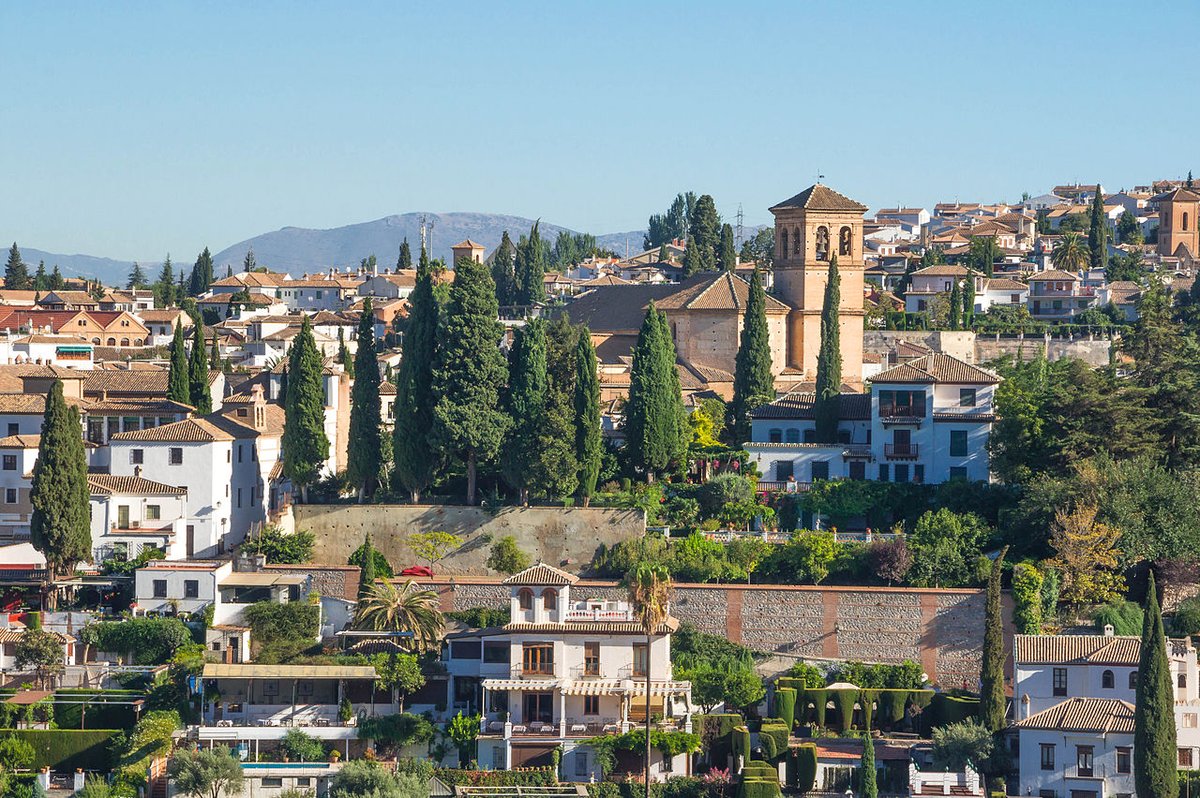
By 8 am, the town's already humming. Farmers in battered pickups stop for cortados at the petrol station café, while elderly residents shuffle to the church square with carrier bags swinging from their wrists. The parish church of San Bartolomé dominates the skyline – not through grandeur, but through familiarity. Its simple 18th-century façade and distinctive bell tower serve as navigation points for anyone who's ever got lost in the maze of low white houses that radiate from the centre.
The SPAR supermarket at the roundabout does a brisk trade in crusty bread and local cheese, staying open through the siesta hours when everything else shuts up shop. It's here you'll realise how few tourists venture inland. The cashier speaks rapid Spanish, the prices are written in euros on scraps of card, and there's not a souvenir in sight. For supplies, come early. By 1 pm, the town's shutters will clatter down for three hours, leaving only the murmur of televisions drifting through open windows.
What the Landscape Tells You
Walk ten minutes from the church and you're in Los Valles, where the real story lies. Here, agriculture isn't picturesque – it's heroic. Each plot measures barely twenty metres square, carved from solidified lava flows and protected by dry-stone walls that took generations to build. The vines grow in pits three metres deep, their roots searching for moisture in the volcanic ash. It's a system so effective that UNESCO declared it World Heritage, though the farmers themselves would shrug at the accolade. They've always done it this way.
The Tanque de la Madera sits just outside town, a vast wooden water tank that speaks to darker times. Built in the 1940s, it collected every precious drop during years when rainfall barely touched 100 millimetres. Today it's a monument to ingenuity rather than necessity – modern pipelines bring water from desalination plants – but standing beside it, you understand why locals still treat taps with respect.
Eating Like You Live Here
Food arrives without fanfare but with absolute confidence. At Bar Belingo, papas arrugadas appear in their jackets, small and salty, accompanied by two types of mojo – the green version gentle with garlic and herbs, the red one capable of clearing sinuses with one swipe. The grilled vieja (parrot-fish) costs €12 and tastes like it was swimming that morning, served simply with lemon and more potatoes.
Gofio turns up everywhere – toasted maize flour that's been Canarian staple since before Columbus. Mixed into ice-cream at the heladería, it tastes like malted milk balls. Stirred into coffee at breakfast, it transforms the drink into something approaching porridge. The locals swear by it for everything from hangovers to high blood pressure. After three days, you stop asking what things are and just eat.
Wine comes from family bodegas scattered through the municipality. Bodega Stratvs opens for tastings by appointment, their malvasía whites crisp enough to cut through the afternoon heat. The €8 bottle you drink on their terrace retails for triple that in London. Book ahead – the owner also runs the vineyard and won't leave his vines for casual drop-ins.
When the Wind Blows
The trade winds don't mess about here. They can whip up from pleasant breeze to full gale in minutes, sending hats flying and forcing café owners to lash down umbrellas. Winter brings occasional calima – hot, dusty air from the Sahara that sends temperatures soaring and has everyone coughing. Summer hits 30°C regularly, but the altitude keeps things bearable. Spring and autumn deliver the sweet spot: 22°C days, cool nights, and skies so clear you can see Fuerteventura's mountains across the strait.
Rain, when it comes, arrives in theatrical bursts. Dry riverbeds become torrents within minutes, washing cars down streets and reminding everyone why houses here have flat roofs – not for terraces, but because occasionally they need to function as boats. The morning after, steam rises from the lava fields and the smell of wet earth catches you unawares after months of dust.
Getting About (and Getting it Wrong)
A car isn't optional – it's essential. The bus from Arrecife drops you at the church twice daily and leaves you there. Taxis exist but charge €25 for the airport run, making car hire from Arrecife airport the sensible option. Join the LZ2 northbound, switch to the LZ3 ring-road, then take the LZ20 turn-off – fifteen minutes door-to-door, assuming you haven't confused San Bartolomé with its namesake in Gran Canaria. Several British visitors have made this mistake, ending up 140 miles away with non-refundable hotel bookings.
Driving brings its own challenges. Sat-nav sends you down farm tracks masquerading as roads. Google Maps thinks walking routes are driveable. And the wind – always the wind – can snatch car doors from your hands. But it also means you can reach the Monumento al Campesino in five minutes, César Manrique's tribute to island farmers, where the restaurant serves watermelon gazpacho that makes perfect sense in the heat.
The Honest Truth
San Bartolomé won't suit everyone. Evening entertainment means choosing between two bars and the local tapas joint. The Saturday market fills one small square and sells mostly vegetables. English is spoken in the car hire office and nowhere else. Some nights, the only sound is the church bell marking the hours.
Yet for those who've grown weary of Lanzarote's coastal strip – the English breakfasts, the happy hour promotions, the yacht marinas where a coffee costs €4 – this place offers something increasingly rare. A Spanish town that functions for Spaniards, where farmers still matter more than tourists, and where the landscape tells a thousand-year story of making do and making better.
Come for three days and you'll leave understanding why people stay for thirty years. Just don't expect anyone to make a fuss about it. That's not how things work here.