Full Article
about Vega de San Mateo
Agricultural hub of the island with a well-known weekend market; starting point for hikes to the highest peaks.
Ocultar artículo Leer artículo completo
The Saturday crowd at Vega de San Mateo’s livestock market inspects goats with the same concentration Londoners reserve for Borough Park cheese. Farmers slap rumps, vets check teeth, and a produce stall three metres away sells tomatoes that still hold the morning heat. By 09:30 the car-park-grids are full; late-comers squeeze onto the verge of the GC-15 and hope the Guardia Civil don’t notice. Welcome to the island’s interior, 820 m above the beach towels.
Where the peak meets the plateau
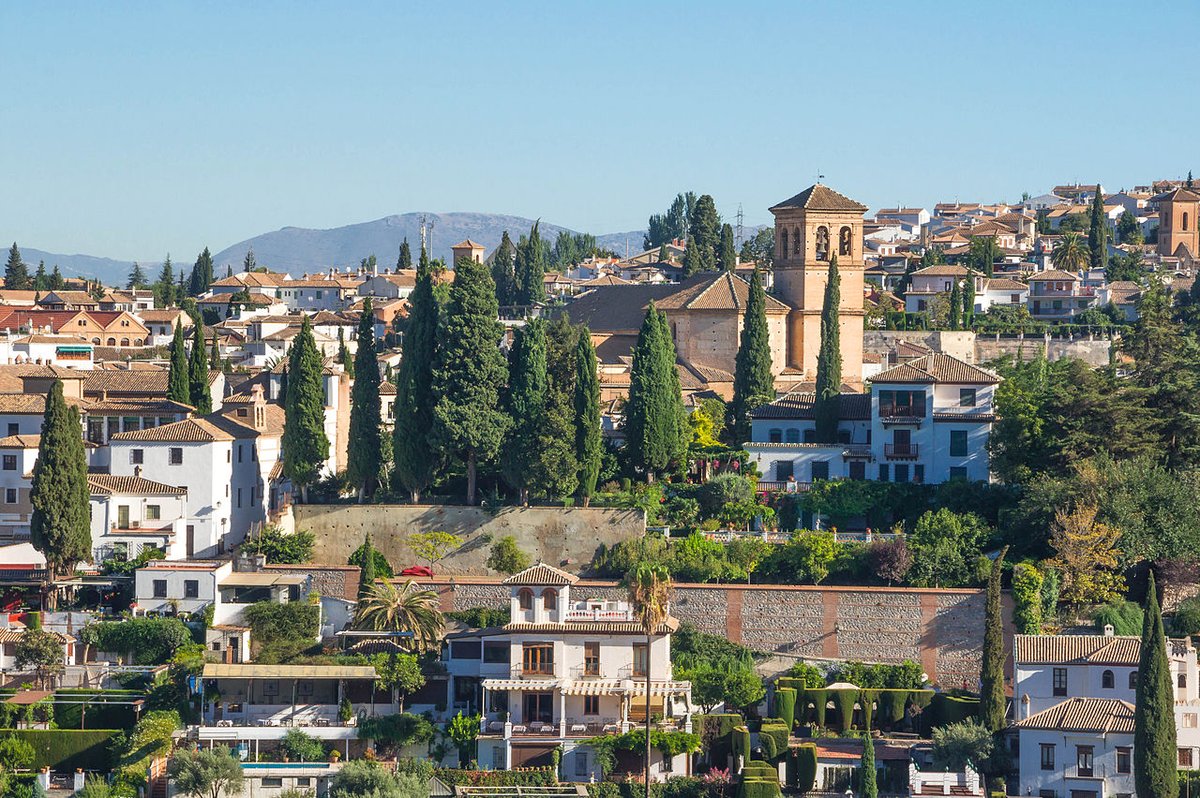
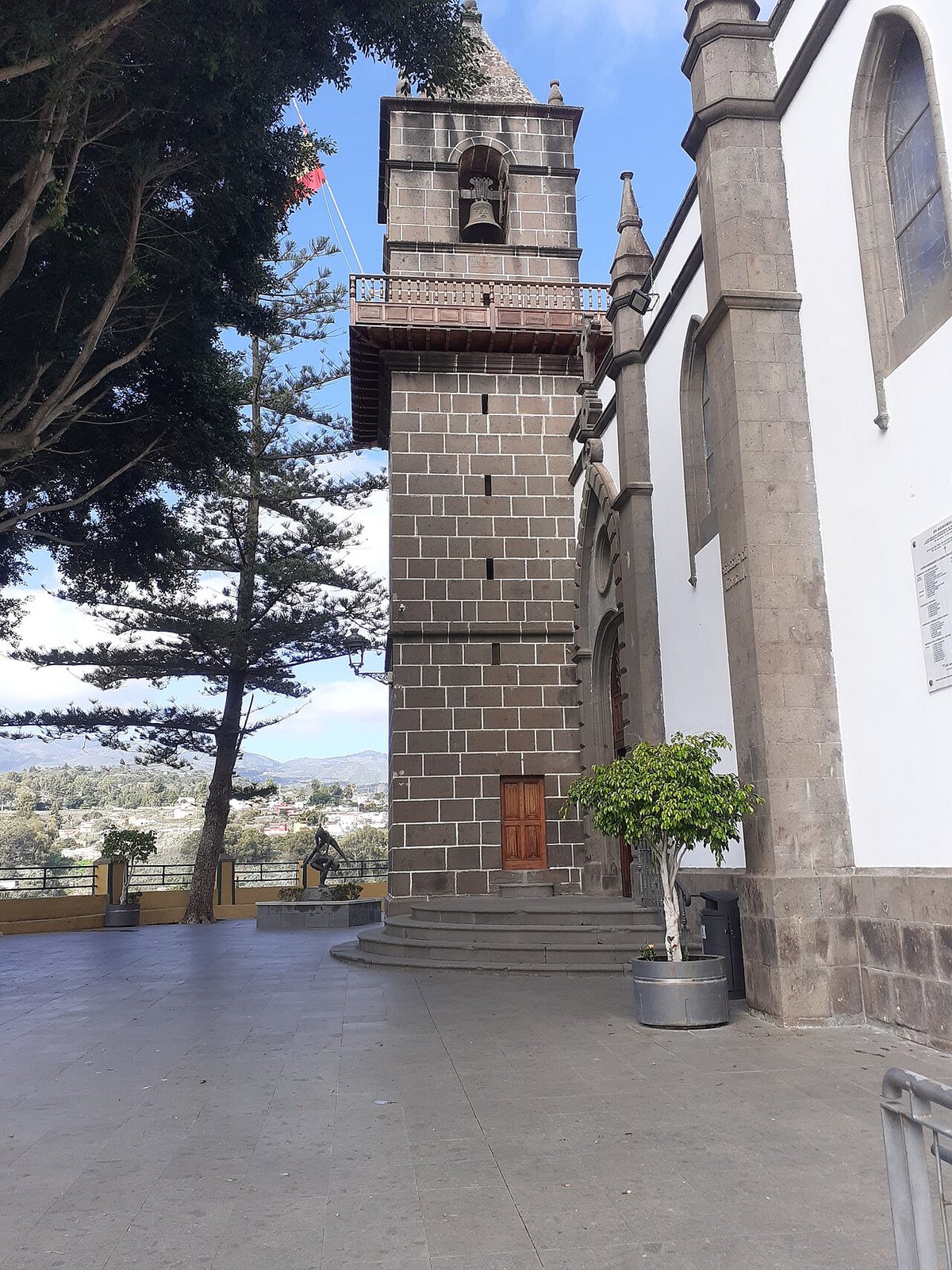
Vega de San Mateo sits on a wide volcanic shelf punched into Gran Canaria’s central ridge. Drive up from Las Palmas and the temperature gauge drops a degree every few kilometres; pine needles replace banana leaves, and the air smells of damp earth rather than salt. The village itself is functional rather than pretty: stone houses with lean-to garages, a 19th-century church whose bell tower serves as the main landmark, and cafés where work boots outnumber walking boots before noon. Expect flowerpots, not picture-postcard perfection.
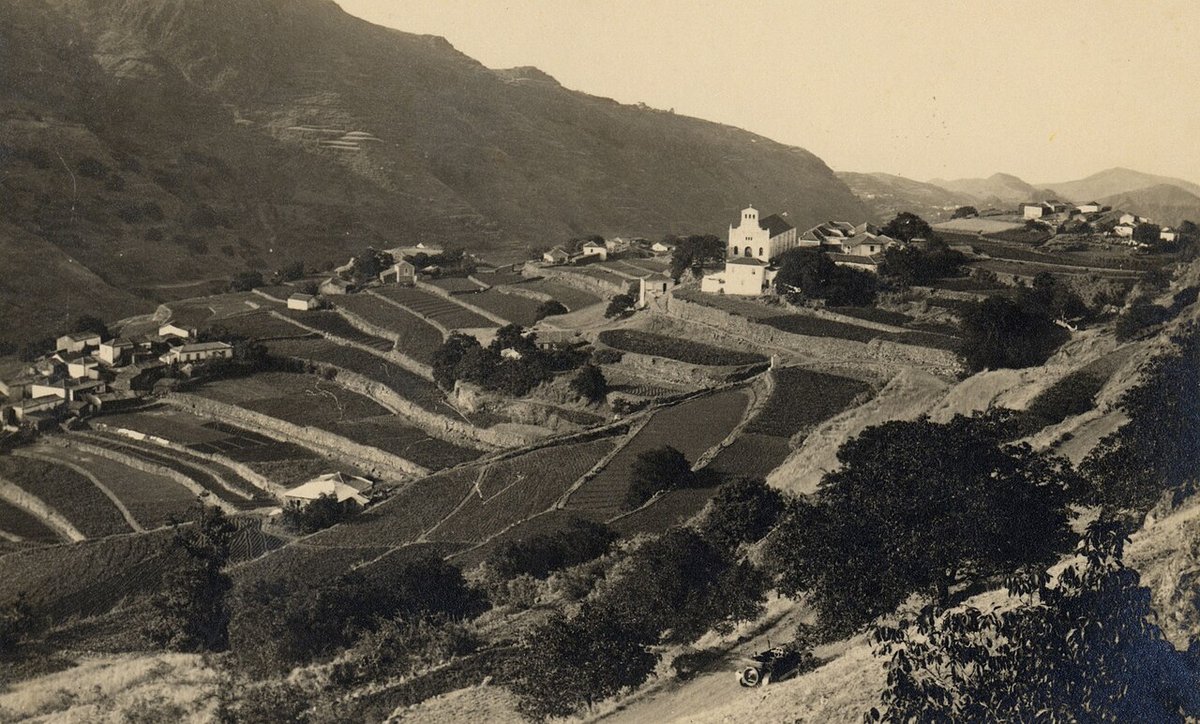
The setting is what pulls people uphill. To the north-east the caldera of Bandama funnels Atlantic cloud into the valley; to the south the slim silhouette of Roque Nublo appears and disappears like a ship in brume. A lattice of old caminos reales – stone paths built to move grain and charcoal – threads through almond terraces and vegetable plots. These tracks form the backbone of the island’s best day-walks, yet they start literally at the back of the supermarket car park.
Cheese before ten, views by eleven
Timing matters. If you arrive after 11 a.m. on market weekend you will park in the next postcode and the best queso de flor will be gone. The Mercadillo Agrícola runs Saturday 08:00-20:00 and, lighter, Sunday 08:00-14:00. Saturday is for produce: bunches of coriander the size of bouquets, potatoes still smeared with red volcanic soil, jars of pale honey labelled by postcode. Sunday adds craft stalls and more visitors; locals treat it like church followed by coffee. Cheese counters let you sample; if the flavour punches like Stilton that’s normal. A small wheel (about 400 g) costs €7; ask for “tierno” if you prefer a Cheddar-adjacent taste.
Once provisions are stowed, walk off breakfast on the circular ridge route that starts behind the football pitch. The path climbs 180 m to the Mirador de los Pechos in 35 minutes; from the wooden platform you can trace yesterday’s coastal drive in miniature – the Maspalomas dunes glint 25 km south-west as the crow flies. The loop back through pine forest takes another 45 minutes and drops you opposite the bakery. Total distance: 3.5 km; gradient mild enough for children, high enough for lungs to notice the altitude.
Winter blossom, summer shade
January and February flip the colour palette. Almond trees burst into flower so suddenly that farmers call it “la explosión”. The Ruta de los Almendros is sign-posted from the southern entrance of the village; expect company at weekends. Outside blossom season the same lanes revert to russet and sage, ideal for cyclists who don’t mind a 10 % ramp. Mountain-bike hire is available in Las Palmas; bring your own helmet – Spanish shops rarely rent them.
Summer walkers gain one big advantage: shade. Temperatures reach 28 °C at midday but drop to 14 °C after dark, so pre-dawn starts are blissfully cool. Carry water anyway; the island’s irrigation channels (acequias) run fast but are not drinking quality. If clouds roll in from the north-east visibility can fall to 30 m – atmospheric, but easy to stray off the cairned routes. A GPS track or the free “Gran Canaria – Senderos” app prevents circular arguments about whose map is upside down.
When the stalls pack up
By early afternoon the market stalls shrink into vans and the village exhales. Bars will serve you a cafés con leche until about 17:00, then many close. There is no evening promenade; nightlife is a phone call to friends and a bottle in the kitchen. Plan dinner when you book accommodation – most restaurants shut by 21:00, and only a couple open mid-week out of season. Self-catering is easiest: the SPAR on Calle León y Castillo stocks local wine at €5 a bottle and keeps civilised hours.
Where to stay? Options cluster in three categories: rustic country houses (caseríos) in the surrounding hamlets, simple guest rooms above family restaurants, or modern apartments aimed at Las Palmas weekenders. Expect €70-€90 for a two-bedroom house with log burner – nights can dip to 6 °C in January. No hotels, no chains, no swim-up bars, and that is precisely the point.
Getting here, getting out
A hire car turns the 25 km drive from Las Palmas into 30 minutes of hair-pin scenery. The GC-15 is well paved but narrow; pull over to let buses pass. Without wheels you are tied to the blue Global bus (route 303). It leaves Las Palmas San Telmo station hourly on weekdays, less at weekends, and finishes around 21:00. A single costs €2.75, cash only. Taxis back from the capital after dark hover around €35-€40, more if you phone rather than hail.
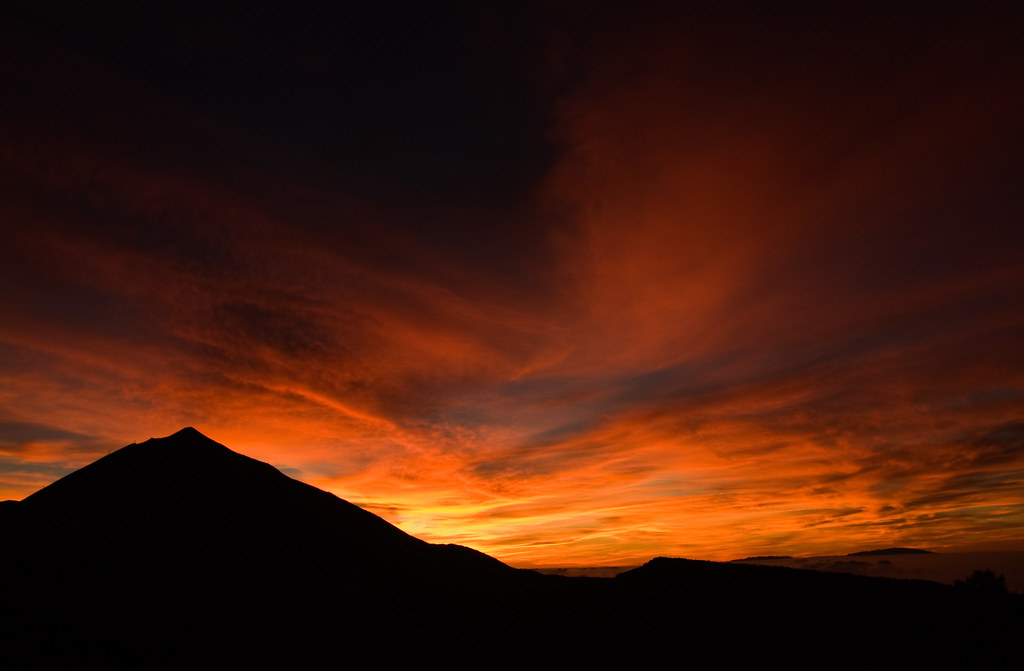
Road links make Vega de San Mateo a handy base for a two-centre holiday: mornings in the pine-scented calm, afternoons on the sand. The south-coast motorway (GC-1) starts 20 minutes downhill, so you can breakfast on goat-cheese toast and still body-board at Maspalomas by lunchtime. Reverse the order for sunset: the mirador above the village faces west, perfect for watching the Atlantic bruise from gold to violet while the first stars appear over Roque Nublo.
What to pack, what to leave
Bring a fleece even in August, walking shoes with grip (volcanic grit is slippery), and coins for market coffee. Leave the resort towel at the coast – there is no beach here, and the municipal pool opens only in July and August. Credit cards are accepted in the supermarket but many stalls are cash only; there are two ATMs on the main square and both run dry on market Sunday.
Expect a working town, not a museum. Tractors rumble past the church, teenagers race mopeds at siesta time, and the weekly livestock fair smells exactly as livestock fairs should. If that sounds like real life rather than holiday fantasy, Vega de San Mateo delivers. Arrive early, taste the cheese before ten, and you will understand why half of Las Palmas is prepared to climb 820 m for the privilege.