Artenara - Flickr
Stein Arne Jensen · Flickr 9
Canarias · Fortunate Islands

Artenara

The road to Artenara starts climbing after Moya and doesn't stop. GC-21 twists through pine forests, gaining 800 metres in twenty minutes, until th...

1,024 inhabitants · INE 2025
1270m Altitude

Why Visit

Mountain Sanctuary of la Cuevita Mountain hiking

Best Time to Visit

winter

Virgen de la Cuevita festival (August) agosto

Things to See & Do
in Artenara

Heritage

  • Sanctuary of la Cuevita
  • Unamuno Viewpoint
  • Risco Caído Interpretation Center

Activities

  • Mountain hiking
  • Cave-house lodging
  • Stargazing

Festivals
& & Traditions

Fecha agosto

Fiestas de la Virgen de la Cuevita (agosto)

Las fiestas locales son el momento perfecto para vivir la autenticidad de Artenara.

Full Article
about Artenara

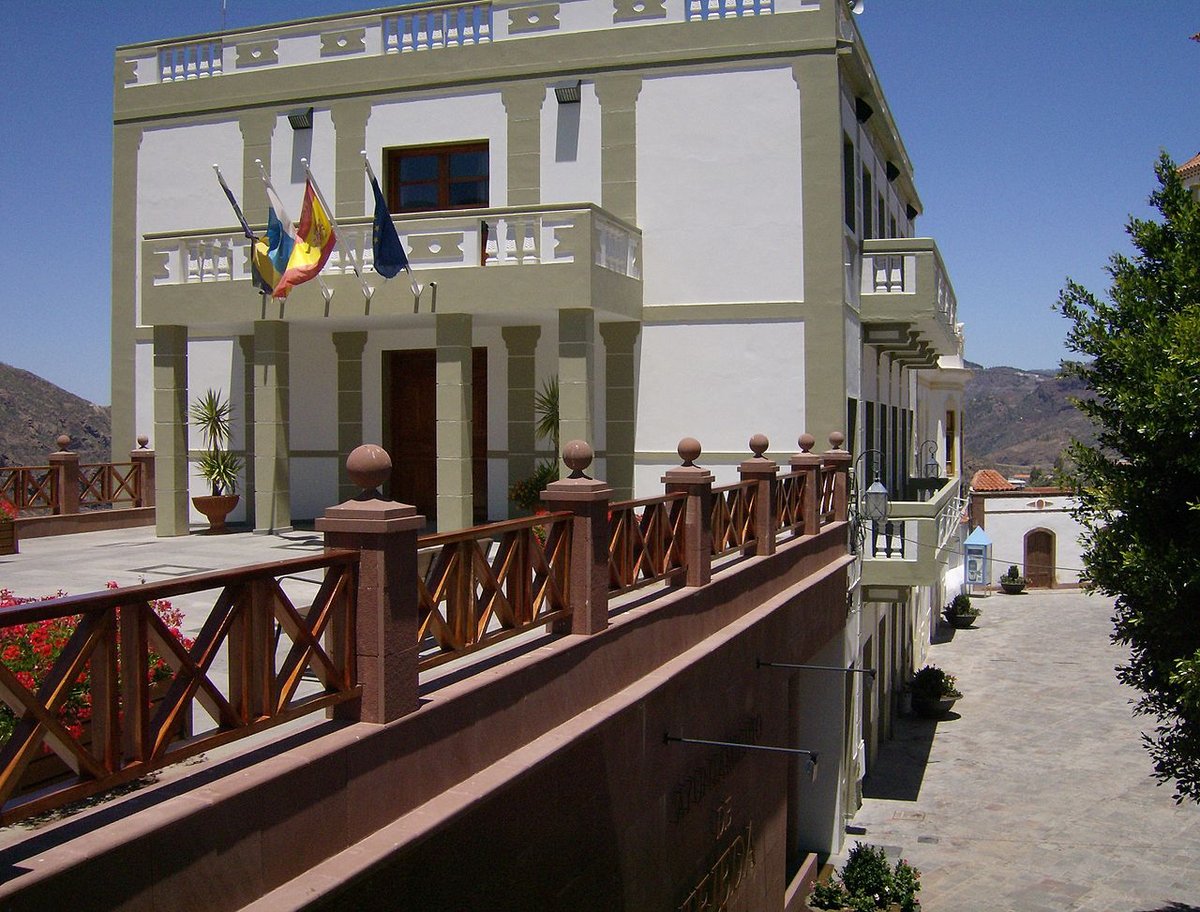
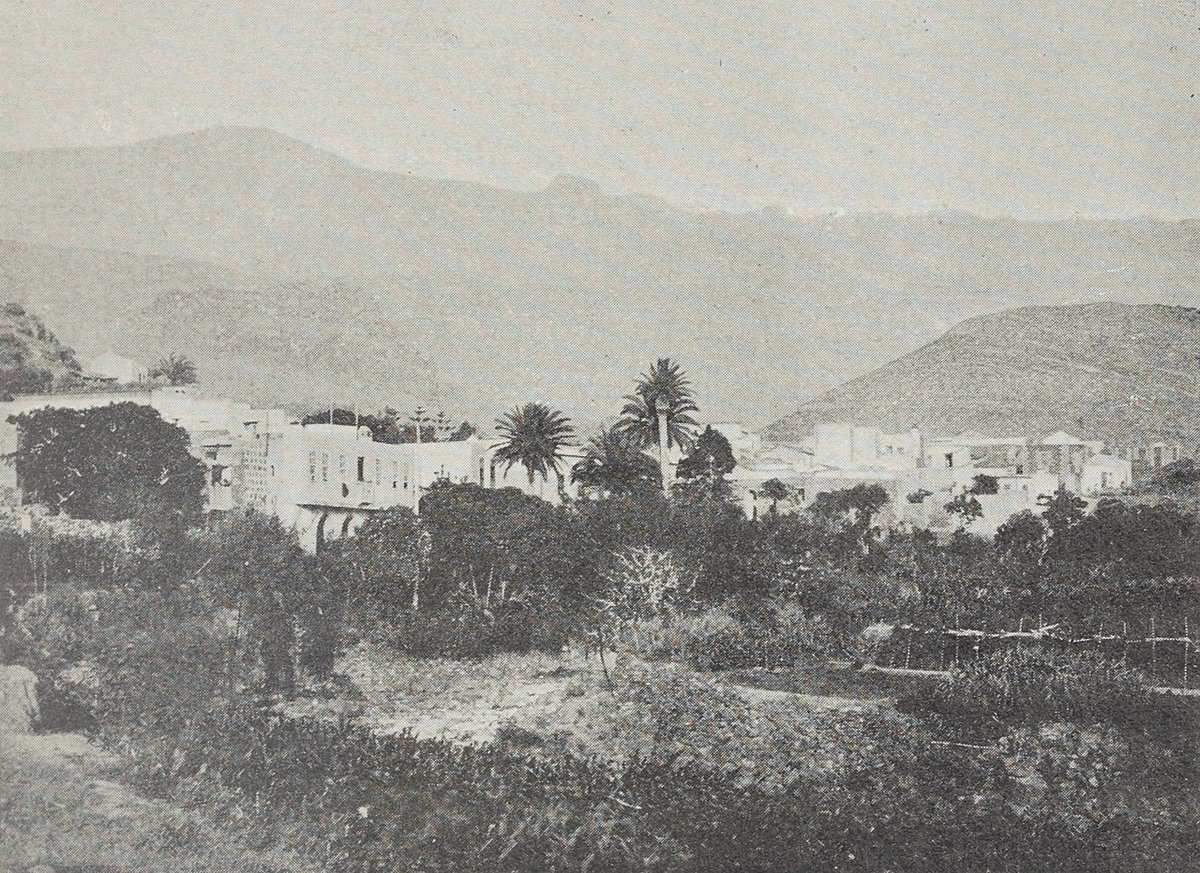
The highest village in Gran Canaria; known for its cave houses and spectacular views of the volcanic caldera and sacred roques.

Ocultar artículo Leer artículo completo

The road to Artenara starts climbing after Moya and doesn't stop. GC-21 twists through pine forests, gaining 800 metres in twenty minutes, until the Atlantic appears below like an afterthought. At 1,270 metres, Spain's highest village sits above the clouds that trap the coast in grey—though up here, the sky runs clear to Tenerife's Mount Teide on good days.

This is island interior at its most literal. Houses aren't built on the rock; they're carved into it. Volcanic tufa, soft enough to excavate yet solid enough to stand for centuries, forms the walls of homes where families have lived for generations. The temperature holds steady at 19°C inside these cave dwellings, summer or winter, which explains why locals abandoned them only reluctantly for modern estates lower down.

Living in the Stone

The cave quarter spreads behind the 17th-century church of San Matías, its plaza the village's only flat space. Peer over garden walls and you'll spot satellite dishes bolted to cliff faces, laundry lines strung between boulders, front doors set directly into rock. Some residents have knocked through to create three-bedroom homes with proper kitchens; others maintain single chambers exactly as their grandparents left them. The distinction between house and landscape dissolves—roofs become footpaths, chimneys emerge from natural ledges.

Visitors can tour a restored cave dwelling beside the tourist office (opens 11:30 am, €3). Inside: stone beds built into alcoves, cooking pots hung from ceiling hooks, a grain store carved above head height. Information panels explain how volcanic ash consolidated into tufa, though the geology matters less than the sensation of standing in a human burrow that's stayed dry through three centuries of Atlantic storms.

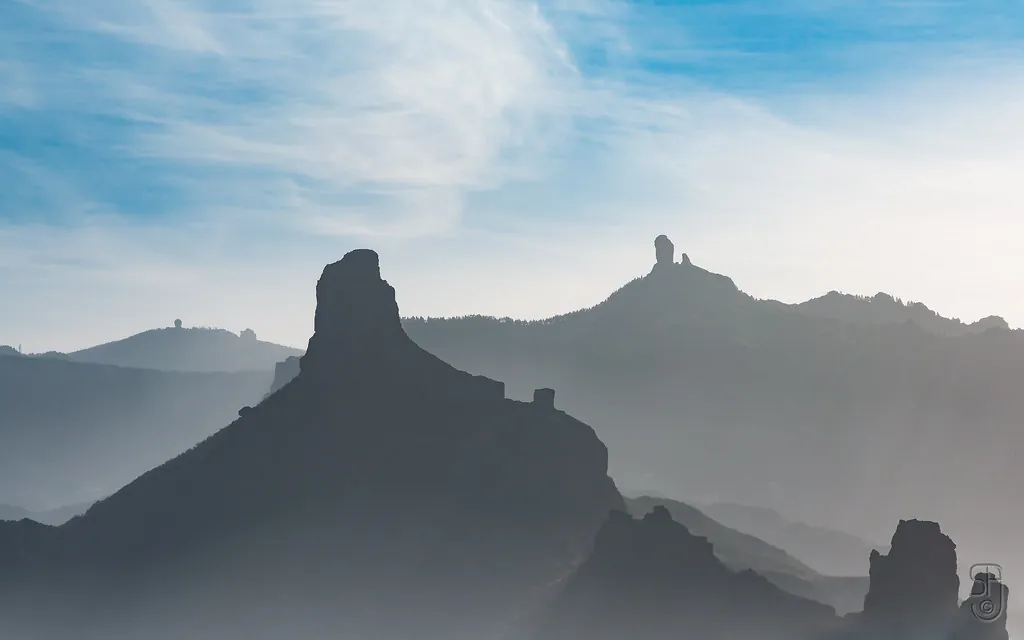
Five minutes' walk north, the Mirador de la Atalaya delivers the view that justifies the hair-raising drive. Roque Nublo—Gran Canaria's iconic volcanic plug—dominates the foreground, while the caldera drops away to reveal terraced fields clinging to impossible slopes. On clear mornings, Tenerife's Pico del Teide floats on the horizon like a mirage. The viewpoint's glass floor panels let vertigo sufferers test their nerve; others sit at the stone picnic tables, watching ravens ride thermals below their feet.

Walking the Rim

Artenara functions as a trailhead rather than a destination. The PR GC-15 path to Acusa Seca follows an ancient shepherd's route along cliff edges, passing abandoned cave settlements where grain stores still balance on rock ledges. The 6km round trip takes two hours, descending 300 metres then climbing back—manageable if you've remembered proper footwear, punishing if you attempt it in flip-flops bought for the beach.

Serious walkers continue along the ridge to Tejeda, crossing the Degollada de Becerra where the island splits between north and south watersheds. This 12km traverse requires transport planning—either leave a car in Tejeda or hitch back before the final bus departs at 4:30 pm. The route passes through ecosystems that shift within kilometres: pine forests give way to almond groves, then cactus-studded slopes where agave plants mark abandoned terraces.

What Grows at the Top

Altitude dictates the menu. Goat herding dominates here—500 animals graze the surrounding peaks, their milk transformed into semi-curado cheese at Las Lajas dairy on the village outskirts. The resulting cheese tastes milder than Manchego, nutty rather than sharp, sold in 500g wedges that travel well in hand luggage. Try it grilled with honey at La Cueva bar, where the owner ages his own wheels in a converted water tank.

Potatoes arrive from coastal farms—too cold to grow them up here—but locals still make proper papas arrugadas, small Canary potatoes boiled in heavily salted water until their skins wrinkle. The accompanying mojo sauces split coastal preferences: green coriander up north, red pepper down south. Artenara, stranded between both worlds, serves both without prejudice.

Chestnut trees planted by Spanish settlers in the 1500s produce October's main event. During the castaña festival, villagers roast nuts over open fires in the plaza, serving them with new wine that tastes closer to grape juice than Rioja. The same trees provide wood for smoking chorizo made from local pigs fattened on chestnut mast—order it sliced on country bread at Bar La Piedra, where the owner smokes his sausages in a cave behind the kitchen.

The Reality Check

Artenara's altitude brings complications. Winter temperatures can drop to 10°C, with mist rolling in to obscure views for days. Summer afternoons hit 30°C in direct sun, though cave interiors remain comfortable—until you step outside. The village essentially closes for siesta between 2-5 pm; arrive at noon and you'll find museums shuttered, restaurants empty, streets silent except for barking dogs.

Public transport exists in theory. Three daily buses connect to Las Palmas, but the last return leaves at 2:30 pm—fine for a quick look, useless if you plan walking. Driving remains essential, though the mountain roads punish nervous drivers. Hire cars strain on the climbs; overheated brakes on the descent smell like burning clutch. Pull over to let locals pass—they know every bend, every pothole, every place to overtake on blind corners.

Even with transport sorted, manage expectations. The village proper occupies barely two streets; you'll cover it in thirty minutes. The cave museum takes another hour. Without walking or eating plans, visitors face the classic question: "Is this it?" The answer depends on whether you came to tick boxes or to understand how islanders adapted volcanic rock into habitable space.

Making It Work

Base yourself here for three days and Artenara reveals its rhythms. Morning sun burns off cloud by 9 am, revealing hiking routes that thread between abandoned hamlets. Farmers drive goats along the main road at dusk, their bells clanging against tufa walls. The village bakery opens at 7 am—buy bread still warm, eat it with fresh cheese while watching the sun rise over Tenerife.

Evenings require layers. Temperatures drop 15 degrees when the sun disappears; that lightweight jacket essential for British summers becomes mandatory here in August. The single pharmacy stocks everything except English newspapers. Mobile reception cuts out between villages—download offline maps before leaving the coast.

Book accommodation in a converted cave. Several families rent out two-bedroom dwellings with proper bathrooms, retaining original features like stone bread ovens now filled with cushions. You'll sleep deeply in cave darkness, waking to silence broken only by cockerels and the distant sound of goat bells. It's accommodation that makes standard hotels feel flimsy by comparison—here, your bedroom has existed since before the Battle of Trafalgar.

Leave before you're ready. The drive down reveals how high you've been—clouds thicken, temperatures rise, the Atlantic reappears as a flat blue sheet. Back on the coast, cave houses seem impossible, something imagined rather than lived in. Yet Artenara persists, its residents still carving existence from volcanic stone, still living inside the mountain that tourists merely visit.

Key Facts

Region
Canarias
District
Cumbre
INE Code
35005
Coast
No
Mountain
Yes
Season
winter

Livability & Services

Key data for living or remote work

2024
ConnectivityFiber + 5G
HealthcareHospital 7 km away
EducationElementary school
Housing~5€/m² rent · Affordable
CoastBeach nearby
Sources: INE, CNMC, Ministry of Health, AEMET

Planning Your Visit?

Discover more villages in the Cumbre.

View full region →

More villages in Cumbre

Traveler Reviews