Full Article
about Santa Cruz de La Palma
Capital of the “pretty island”; known for its wooden balconies and colonial architecture; historic port
Hide article Read full article
Santa Cruz de La Palma: Un Puerto en la Ladera
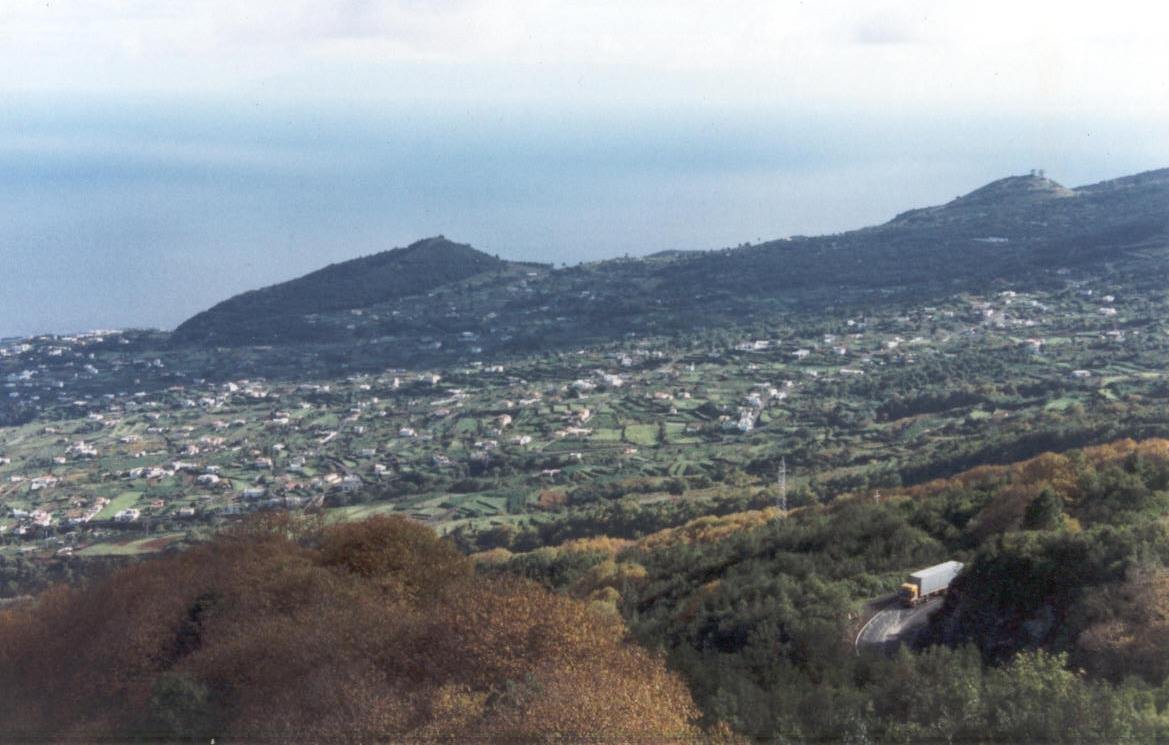
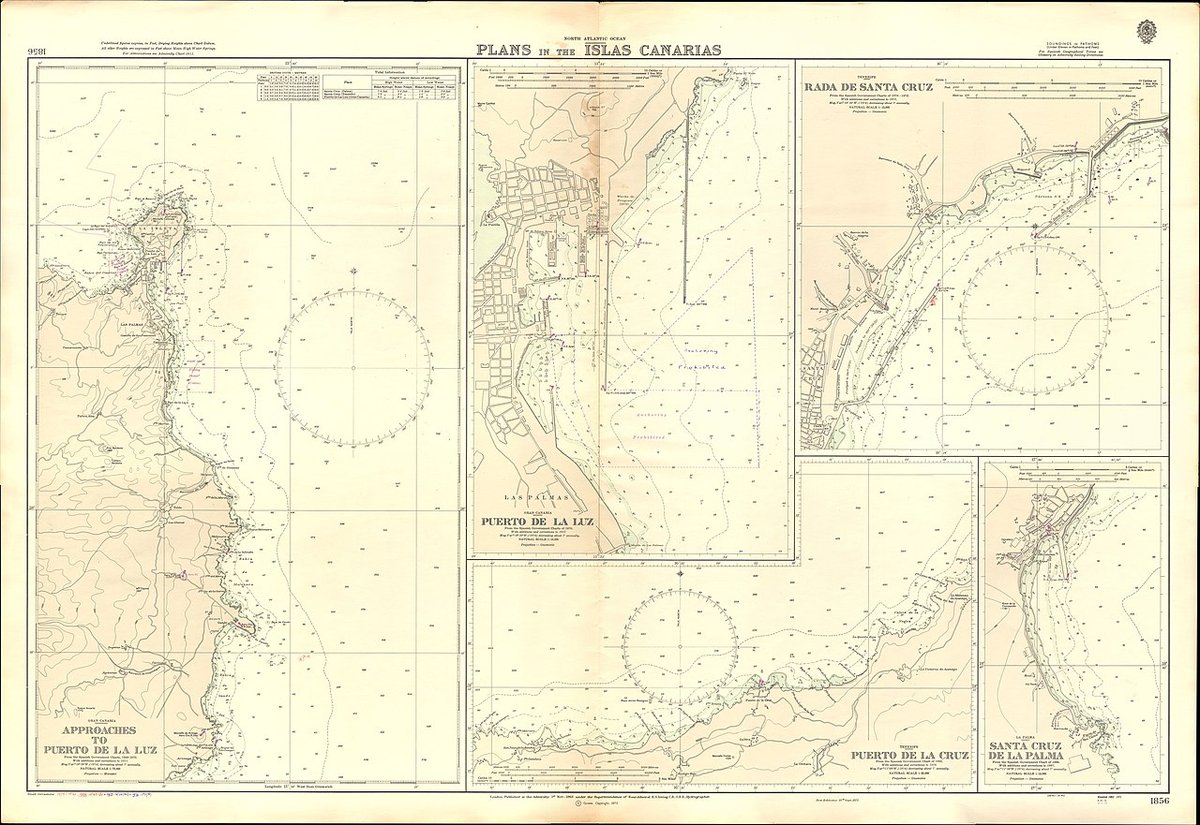
La ciudad de Santa Cruz de La Palma se define por su condición portuaria. Ocupa una estrecha franja entre el océano Atlántico y la abrupta pendiente que asciende hacia la Cumbre Vieja. Esta geografía condicionó su fundación en 1493, tras la conquista castellana, y determinó su desarrollo como escala en las rutas atlánticas hacia América. El casco histórico que se conserva, extenso para la población de la isla, es consecuencia directa de aquella época de comercio de vinos y mercancías.
La Huella del Comercio Atlántico
La prosperidad de los siglos XVI y XVII, basada en la exportación de malvasía y otros productos, se lee en la arquitectura. Las casas señoriales con carpintería de tea de pino canario son el legado material de aquel ciclo. El plano urbano se organiza con coherencia, creciendo desde el muelle.
La Avenida Marítima, con su sucesión de balconadas de madera voladas sobre el mar, es la estampa más conocida. Estas estructuras, que datan principalmente de los siglos XVII al XIX, no eran un elemento decorativo: ampliaban el espacio habitable y facilitaban la ventilación en las viviendas expuestas a los vientos marinos. Miran al puerto, que fue la razón de ser de la ciudad.
Calle Real y el Poder Cívico
El eje del centro histórico es la calle Real, en realidad una sucesión de varias vías. Aquí se concentran edificios civiles y religiosos. La iglesia de El Salvador, iniciada en el siglo XVI, guarda en su interior varios retablos y esculturas que dan cuenta de la capacidad económica de la parroquia en la época moderna.
Cerca, la Plaza de España agrupa la sede del antiguo Cabildo y otros edificios institucionales, mostrando la centralidad política que Santa Cruz tuvo en la isla. En el siglo XVIII, el municipio implantó un sistema de elección de cargos mediante voto entre los vecinos con derechos, un episodio singular que los historiadores locales suelen citar como un experimento temprano de representación, aunque limitado.
La Bajada: La Fiesta que Transforma la Ciudad
Cada cinco años, el ritmo de Santa Cruz lo marca la Bajada de la Virgen de las Nieves. La imagen se traslada desde su santuario extramuros hasta la ciudad en un ciclo de actos que mezcla lo religioso, lo teatral y lo popular. Uno de los momentos más esperados es la Danza de los Enanos, una coreografía compleja incorporada a la fiesta en el siglo XIX.
Sus orígenes se vinculan a rogativas por sequías, pero hoy funciona como un ritual cívico que reactiva las redes sociales de la isla. Muchos palmeros residentes fuera regresan específicamente para estas fechas.
Recorrer la Pendiente
La ciudad se recorre bien a pie. Desde la Plaza de España, varias calles empinadas suben hacia los barrios altos. La subida muestra la adaptación al terreno: callejones estrechos, casas apiñadas y patios interiores para ventilar.
La iglesia de Nuestra Señora de la Concepción, en la parte alta, sirve de referencia visual con su torre. Desde sus alrededores hay una vista clara del puerto y de la línea de balconadas de la Avenida Marítima. Muchas de estas fachadas fueron reformadas en el siglo XIX, cuando el tráfico marítimo, aunque menor que en siglos anteriores, seguía siendo actividad relevante.
Más Allá del Casco
En los límites del núcleo urbano comienzan algunos senderos que conectan con la costa volcánica o ascienden hacia las medianías. Uno de los más transitados sube hacia el interior, ofreciendo una perspectiva inmediata de la relación entre la ciudad y su geografía: un puerto encajado entre el mar y la ladera.