Full Article
about Buenavista del Norte
The far northwest of Tenerife, still traditional; gateway to the rugged Parque Rural de Teno.
Hide article Read full article
When the light drops behind Teno
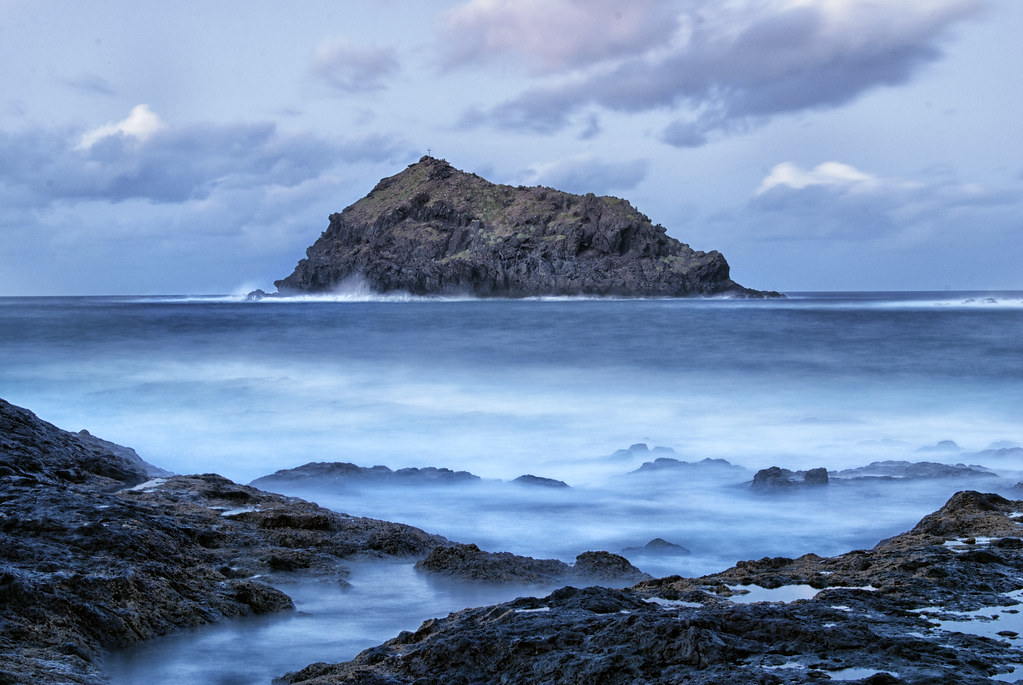
By mid-afternoon, as the sun slips behind the Teno massif, the shadow of Roque del Fraile stretches across the valley of El Palmar. It is a scene that repeats almost every day in Buenavista del Norte. Light moves slowly down the slopes, and the banana plantations hover between bright green and cool shade. Time here is often read in that way, by the position of the mountain and the last light left in the valley.
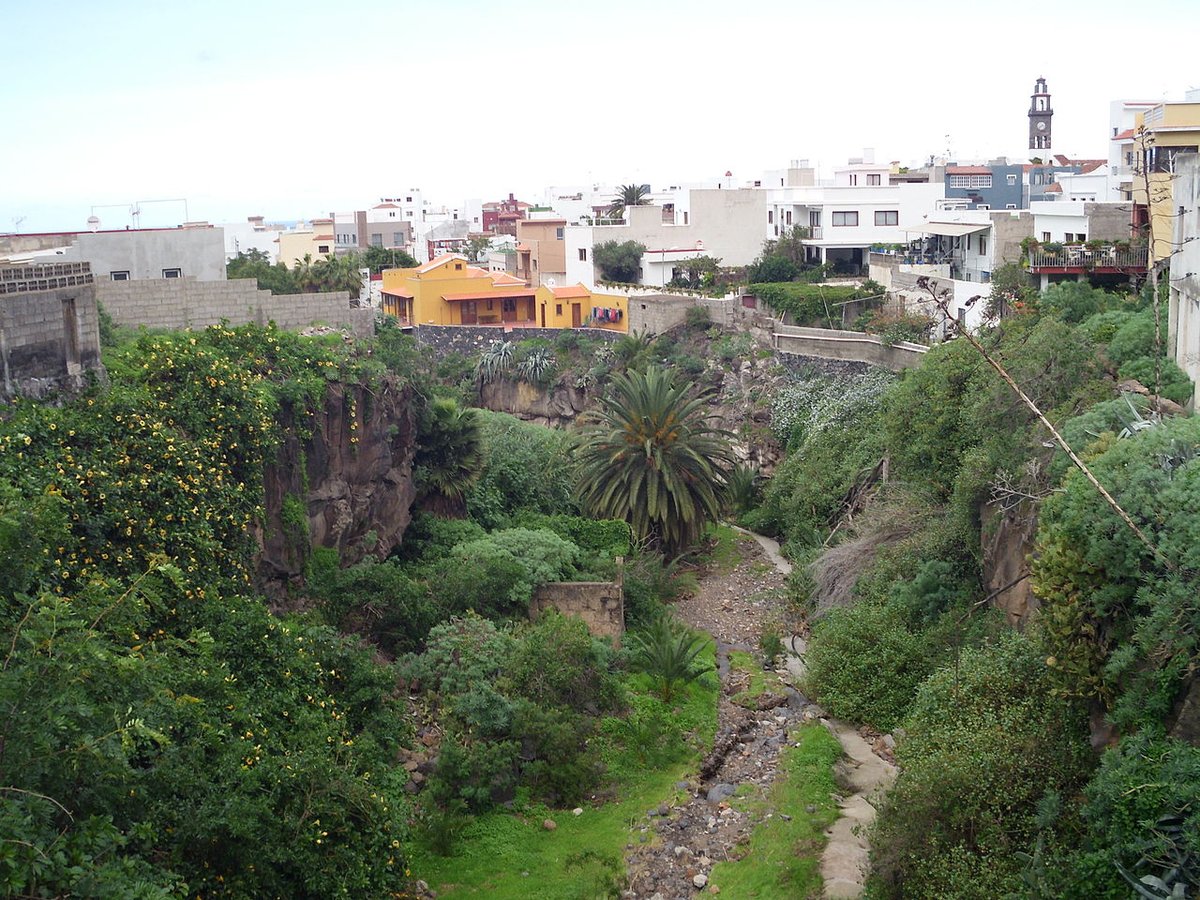
Buenavista del Norte is one of the last towns before Tenerife gives way to cliffs. The centre sits against the base of the Teno massif, with streets that climb and dip without much apparent order, as if they formed around the houses rather than the other way round.
White façades, many edged with dark stone, carry the slightly worn tone left by sea air. When the north-west wind picks up, salt travels this far inland.
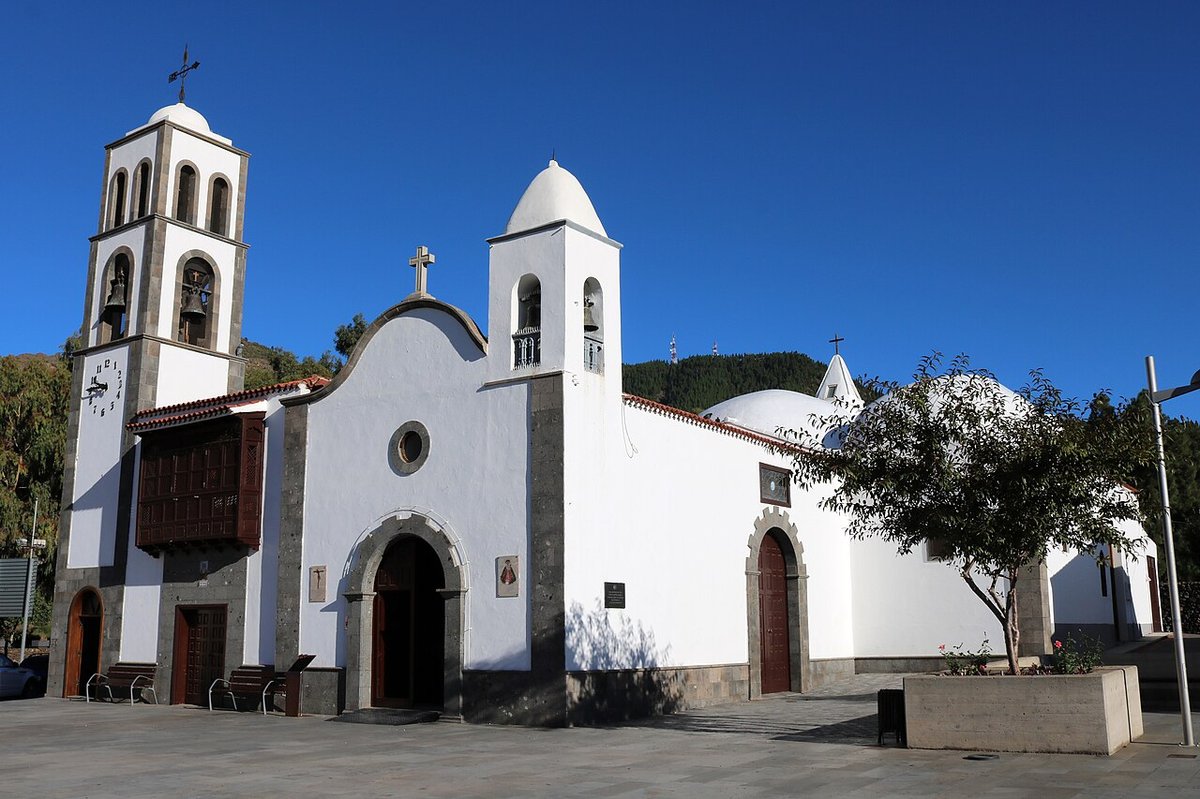
In Plaza de Los Remedios stands the church of the same name. It was rebuilt after a fire in the 1990s, something still mentioned by older residents. Looking closely, the differences show. Some sections have lighter stone, others newer wood. Inside, there is usually silence and the faint smell of wax.
Late in the day, the square shifts in mood. Children run around the fountain, conversations drift from the stone benches, and chairs scrape briefly as people move them into place to sit in the cooler air.
The road that ends at the cliffs
The road towards Punta de Teno runs through banana plantations for several kilometres. Volcanic stone walls and broad banana leaves create a green corridor that suddenly opens out. Then the sea appears.
From above, the Atlantic looks dark, almost black on some days, especially when low clouds move quickly towards La Gomera. The currents along this stretch of coast are known to be strong, and warning signs often make it clear that swimming is not always a good idea.
At the end of the road stands the lighthouse of Punta de Teno, low and white against the blue. The wind tends to blow hard here, rattling ropes and sheets of metal on the small fishermen’s buildings nearby. Sometimes jareas can still be seen hanging to dry, strips of fish opened and cured in the salty air.
On clear days, the cliffs of Los Gigantes rise across the water like a solid wall.
It is worth checking access conditions for the road in advance. At certain times or during particular periods, traffic restrictions may be in place to prevent too many cars from entering.
Masca and the quiet of the ravine
Masca appears suddenly, set among tightly packed mountains. The small settlement clings to the slope, with stone and wooden houses that seem to follow the angle of the ravine.
Only a few people live here year round, and the pace remains slow even when walkers arrive. Early in the morning or at the end of the day, the atmosphere shifts noticeably. Wind moves down through the ravine, and there is little to hear beyond the occasional rooster or footsteps on stone.
Chairs still appear outside some doorways. It is not unusual to come across someone sitting in the shade, talking quietly while the sun hits the ravine walls with full force.
The walking path that descends towards the coast runs through a narrow gorge. It is sensible to check conditions before setting out, as access and route conditions have changed several times in recent years.
The road leading here is full of tight bends. A small car and some patience make the journey easier.
Higher ground and older rhythms
In the higher parts of Teno, such as Teno Alto or Los Bailaderos, the landscape shifts. There are fewer banana plantations and more rock, more goats and more wind.
In winter, around February, the Baile de la Piñata takes place, one of the best-known traditions in this part of north-west Tenerife. People gather in the square by the hermitage, many dressed in white, with shawls or hats. There is music, food and a mood that blends celebration with a sense of neighbourhood gathering.
Goat’s cheese is part of daily life in these areas. In some small settlements it is still made in a fairly traditional way, using milk from herds that graze among the rocky slopes. The smell of warm milk and wood smoke often drifts out through open doorways when cheese is being prepared.
On clear days, the edges of the plateau offer wide views. Far below, the ocean appears as a grey-blue strip beyond the ravines.
Before arriving
Buenavista del Norte does not have the atmosphere of more heavily visited parts of the island. The centre is quiet, and everyday life revolves around small shops, hardware stores and local supermarkets used by residents throughout the year.
In August and on some weekends, traffic increases noticeably as people head towards Punta de Teno or Masca. During the week, the pace is usually much calmer.