Full Article
about Garachico
One of Spain’s prettiest towns; reborn from volcanic ash with exceptional architecture and natural rock pools.
Hide article Read full article
A town reshaped by fire
Garachico has the air of a place that lost everything and somehow came out ahead. In 1706, a volcanic eruption destroyed its port, which had been one of the most important in Tenerife at the time. What could have ended the town instead forced it to adapt. The result is a coastline marked by natural pools formed in solidified lava, where the Atlantic surges in with each breaking wave.
These pools, known as El Caletón, look almost accidental in design. Jagged rock formations create a series of basins that fill and empty with the sea. It is a landscape that feels raw and slightly surreal, shaped more by chance than planning.
Without that eruption, Garachico might have remained just another historic town in the north of Tenerife. It would still have had its port, its old houses and its defensive structures. What it would not have is the feature that now draws visitors: those lava pools that turned destruction into something unexpectedly appealing.
El Caletón and the rhythm of the sea
El Caletón is not especially large. It is a cluster of volcanic pools right on the edge of the ocean, but there is something about it that encourages people to linger. The water is clear and properly cold, the kind that wakes you up the moment you step in. Between swims, people stretch out on the dark lava rock, which feels almost otherworldly under the sun.
The appeal lies in its simplicity. There are no elaborate additions, just natural formations shaped by the eruption and the sea. Each pool has its own shape and depth, and the constant movement of the Atlantic gives the place a quiet sense of motion.
Streets that remember the past
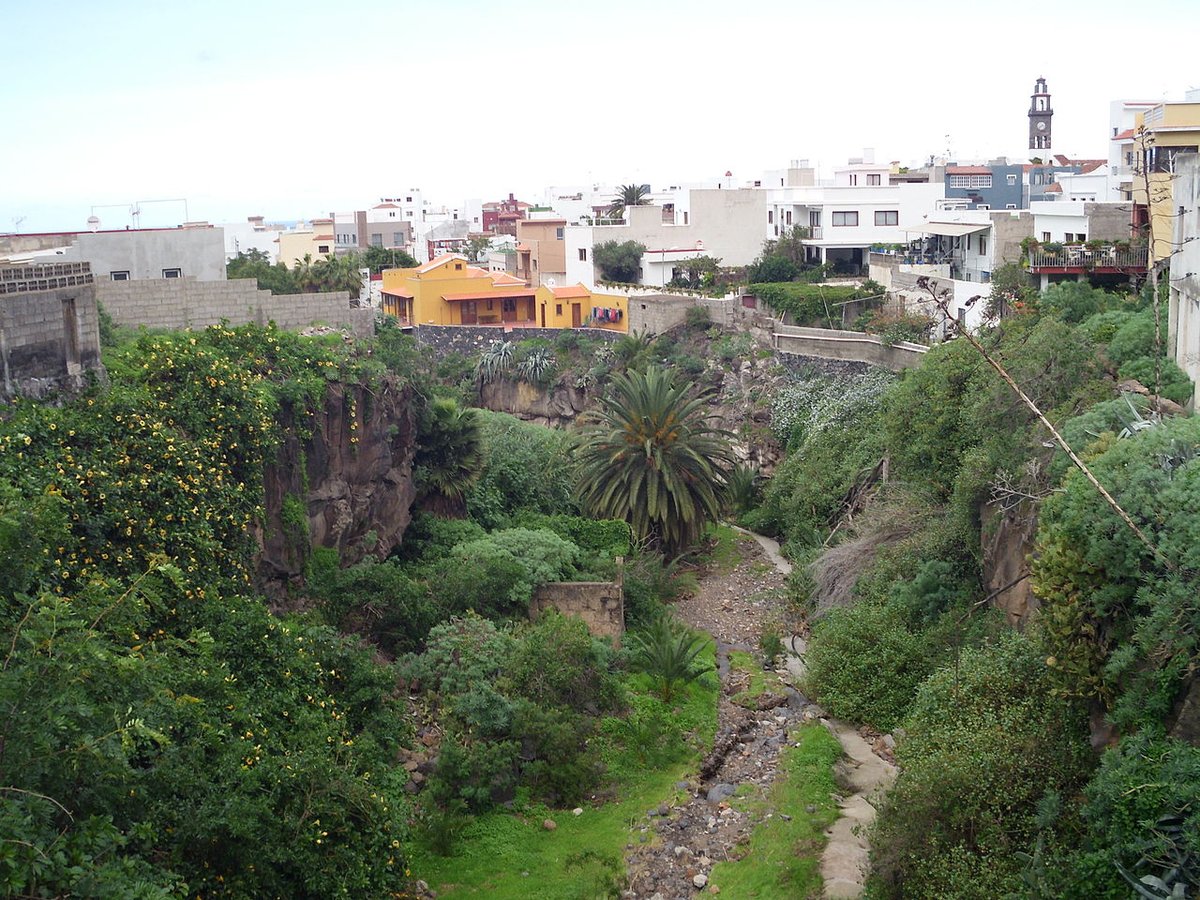
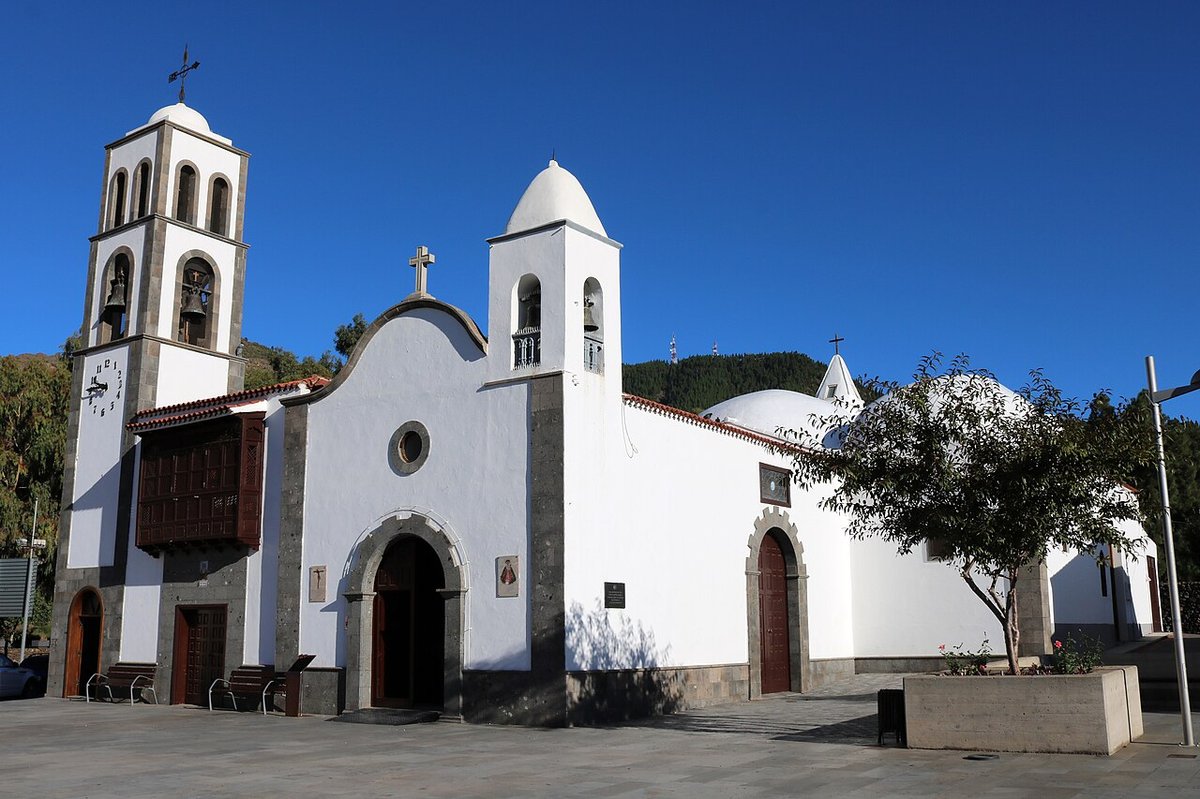
Garachico’s historic centre is compact and easy to explore in a single morning. The street layout remains close to what it once was, with low buildings and wooden balconies overlooking narrow streets. It feels intact rather than reconstructed.
One of the few structures to survive the eruption is the Castillo de San Miguel. It is said to have escaped the lava almost by chance. Today it hosts exhibitions and cultural events. It is not a large museum, but it offers some context for what happened here centuries ago and how the town changed as a result.
Walking through the centre, the scale of the place becomes clear. This is not a town that overwhelms with size or spectacle. Its appeal comes from how everything fits together, from the preserved streets to the views of the coastline just beyond.
Food from the north of Tenerife
The food in Garachico reflects the cooking of northern Tenerife: simple, direct and tied to local ingredients. One of the typical dishes is caldo de papas, a potato soup that can be served with fish. It arrives hot, often with small potatoes and a generous piece of cherne, a firm white fish common in Canary Islands cuisine. It is the kind of dish that feels restorative after time spent in the sun.
Another classic combination is goat’s cheese with miel de palma, a syrup made from palm sap. The contrast defines it. The cheese leans towards salty, while the syrup brings a sweetness with depth rather than sharpness. It is easy to underestimate until it disappears faster than expected.
Then there is bienmesabe, a traditional dessert made with almonds, sugar and egg yolk. It is rich and dense, closer to a sweet paste than a light pudding. It tends to leave an impression, and not a subtle one.
When the town celebrates
Garachico’s calendar includes several celebrations that shape its atmosphere at different times of year. In mid-August, the lead-up to the festival of San Roque is already noticeable. Decorations appear between balconies, preparations take over the main square, and residents gather to watch the activity unfold.
The romería, a traditional rural pilgrimage, is usually the liveliest day. People head out to the countryside, bringing food and drink. Dishes such as conejo en salmorejo, marinated rabbit, are typical, along with potatoes and wine from the north of the island. It is a social occasion as much as a religious one, and it often stretches on.
Every five years, the Fiestas Lustrales del Cristo transform the town on a much larger scale. Visitors arrive from across the island and beyond, and the atmosphere shifts noticeably. Some compare it to Holy Week celebrations in southern Spain, though here it is less solemn and more openly festive.
Walking it off
The area around Garachico offers several marked walking routes. One of the best known is the Ruta de los Volcanes, a trail of around three kilometres. At a relaxed pace, it can be completed in just over an hour, especially with pauses to take in the surroundings. From higher ground, the coastline of the Isla Baja becomes visible, making it easier to understand how the lava reshaped this part of Tenerife.
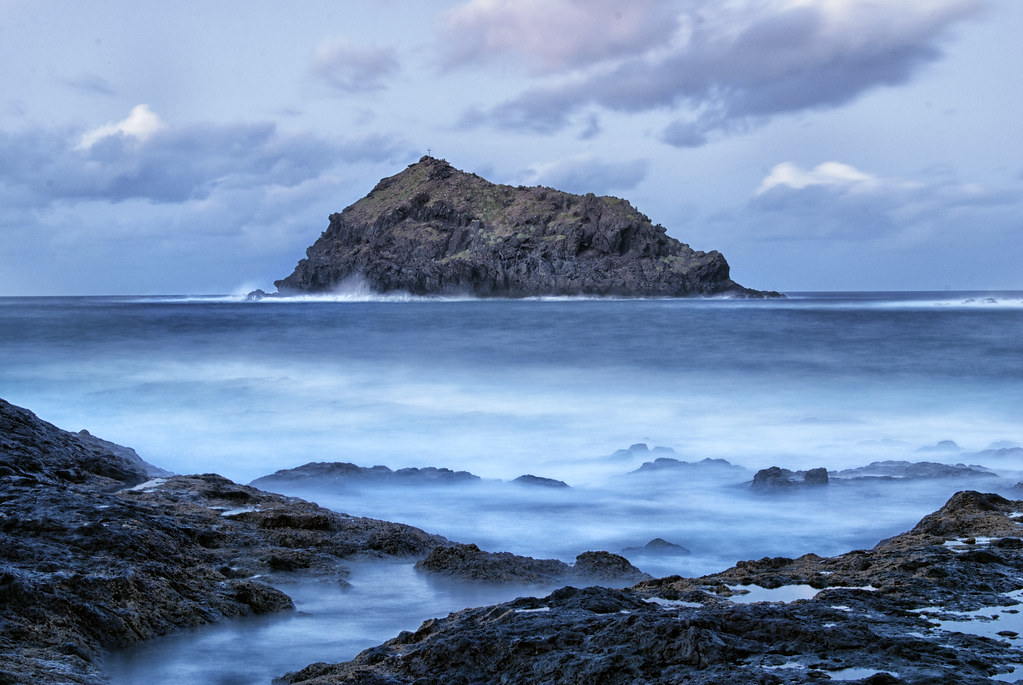
There is also a coastal path that is shorter and easier to follow. It runs along the cliff edge and looks out towards the Roque de Garachico, a rocky monolith rising from the sea just off the town. Seabirds are often seen in the area, adding movement to an otherwise still horizon.
At sunset, the light changes quickly. The sun drops over the Atlantic and, for a few minutes, the buildings in the historic centre take on a warm golden tone before it fades.
A place that works at its own pace
Garachico does not try to compete with larger destinations. Whether it feels worthwhile depends on how the visit is approached.
For those trying to fit as much as possible into a single day, it may seem limited. The town is small, and its main points of interest are quickly covered. Taken more slowly, it works differently. A swim in El Caletón, a walk through the historic centre and a relaxed meal can easily fill several hours without feeling rushed.
Practical details remain straightforward. Footwear with grip is useful, as wet lava can be slippery. Parking is usually found on the edge of the town or nearby, followed by a walk uphill into the centre.
Garachico does not present itself as something it is not. It offers volcanic pools shaped by chance, a well-preserved historic core and the steady rhythm of life in the north of Tenerife. For many, that is enough.