Icod de los Vinos - Flickr
sergei.gussev · Flickr 4
Canarias · Fortunate Islands

Icod de los Vinos

The dragon tree outside San Marcos church isn’t fenced off for show. At 8 a.m. the gates of Parque del Drago are still locked, yet locals already l...

24,616 inhabitants · INE 2025
235m Altitude
Coast Atlántico

Why Visit

Coast & beaches Millennium Dragon Tree Visit the volcanic tube

Best Time to Visit

year-round

Fiestas del Cristo del Calvario (September) septiembre

Things to See & Do
in Icod de los Vinos

Heritage

  • Millennium Dragon Tree
  • Wind Cave
  • Fountain Square

Activities

  • Visit the volcanic tube
  • Wine tasting
  • Walk through the Drago park

Festivals
& & Traditions

Fecha septiembre

Fiestas del Cristo del Calvario (septiembre), San Andrés (noviembre)

Las fiestas locales son el momento perfecto para vivir la autenticidad de Icod de los Vinos.

Full Article
about Icod de los Vinos

Home of the Drago Milenario; historic town with rich architecture and wine-making heritage; striking views of Teide

Ocultar artículo Leer artículo completo

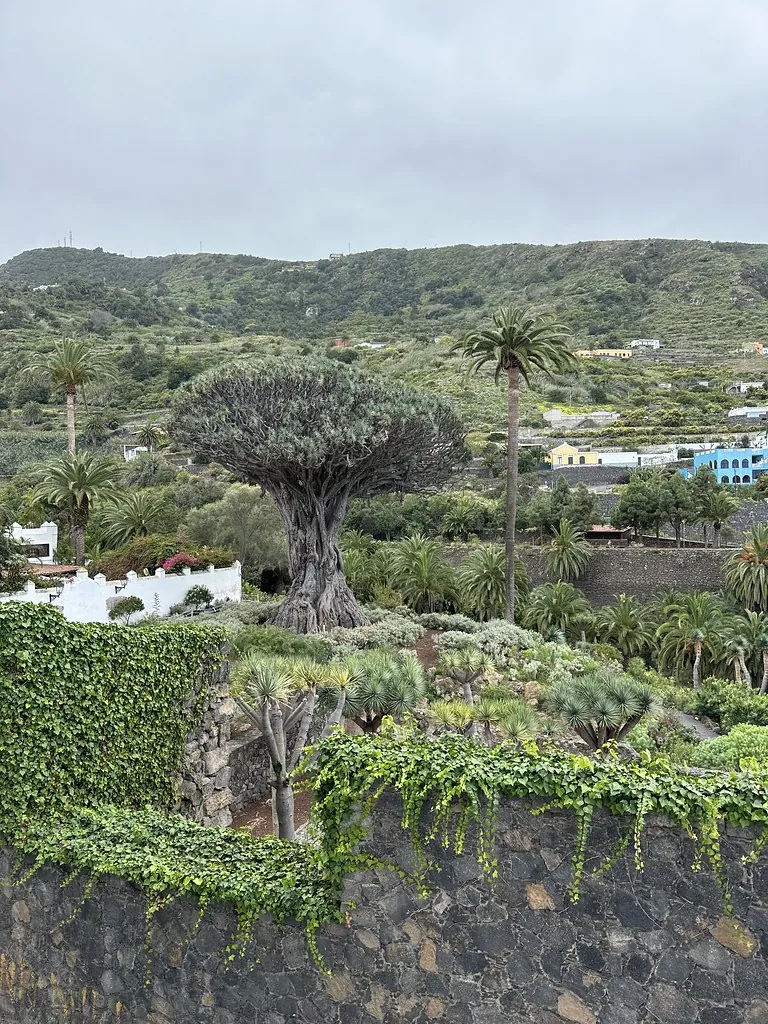
The dragon tree outside San Marcos church isn’t fenced off for show. At 8 a.m. the gates of Parque del Drago are still locked, yet locals already lean bicycles against the railings, gossiping while they wait for the caretaker to finish his coffee. When the bolt finally slides back you realise the five-euro ticket buys more than botanical curiosity; it’s a permit to stand inside a living 800-year argument about longevity. Botanists keep revising the sum, but the tree keeps its own counsel, bleeding crimson resin whenever someone carves initials into the bark.

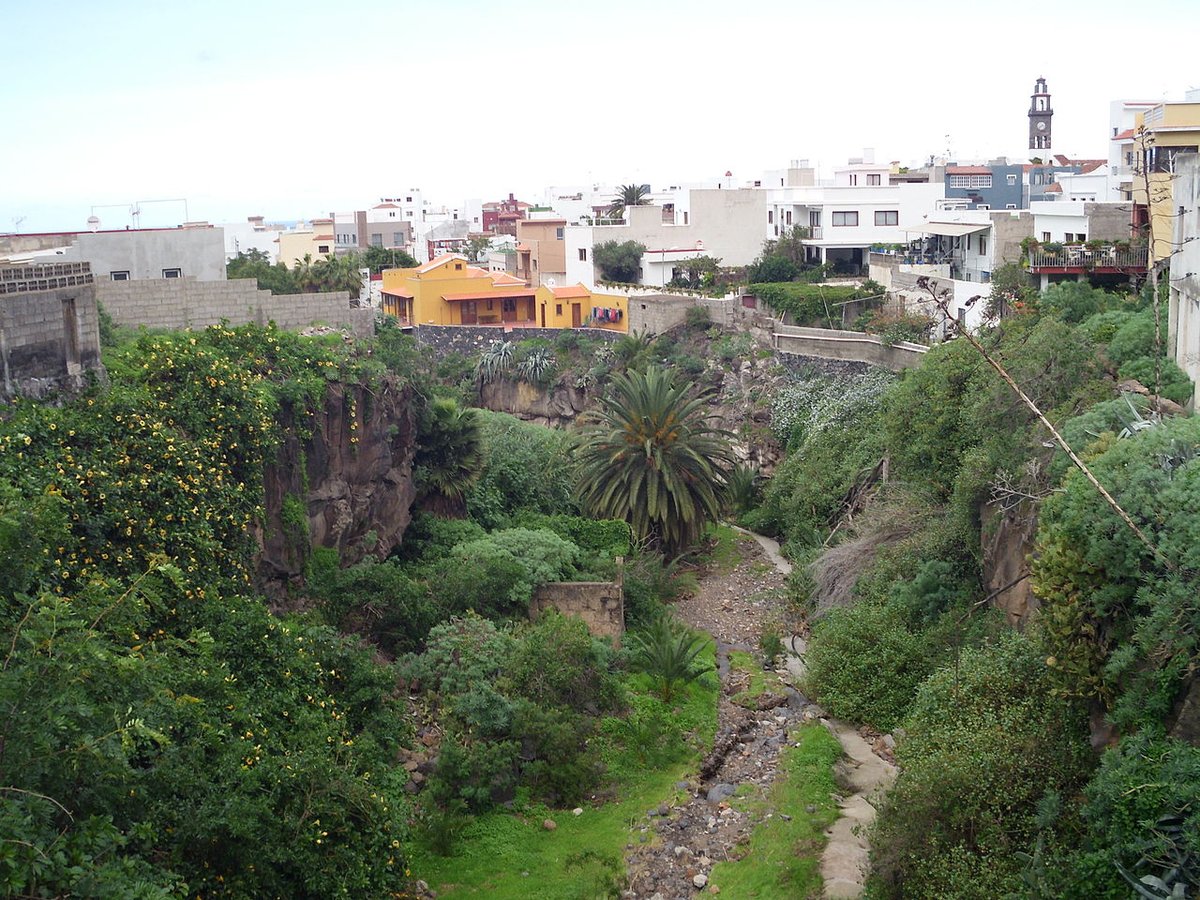
Icod sits 235 m above the Atlantic, close enough to smell salt when the wind swings north-west. The TF-5 motorway spits you out after an hour’s drive from Santa Cruz, then the road tilts downhill so sharply that hire-car clutches smell of burning friction by the time you reach the centre. Park on the upper ring road—blue bays, €1.20 an hour, free after 14:00 and all day Sunday—and walk. Anything lower involves streets barely wider than a Ford Fiesta and residents who leave wheelie bins in the last available space out of principle.

The Old Quarter’s Daily Rhythm

Plaza de la Pila is the heartbeat. Women polish the wrought-iron benches with their skirts as they stand up; pigeons bathe in the fountain fed by a gargoyle whose nose has been missing since 1936. The church watches everything from one side, stone façade blackened by centuries of humidity and volcanic dust. Inside, the altarpiece is pure 1550s swagger—cedar wood painted scarlet and gold, still smelling faintly of incense and furniture polish. Mass finishes at 11:30; if you slip in afterwards the verger will usually unlock the sacristy so you can see the silver Processional Sun that pirates once tried, and failed, to steal.

Calle de la Carrera runs downhill like a spine. House doors stand open to reveal courtyards tiled in green and white, parrots swearing from balconies. Number 39 keeps a 300-year-old wine press in its entrance hall; the owner, Don Aurelio, will show it in exchange for a packet of Benson & Hedges. Halfway along, the aroma shifts from damp stone to frying garlic—Casa Del Drago café turns out empanadas de atún at €2.50 apiece, the pastry laminated like rough puff, the tuna sharpened with capers. Eat them on the step; there are only four tables and tour groups claim them by 12:30.

Volcanoes, Vineyards and the Smell of Caramel

Above the town the slope fractures into terraces held together by dry-stone walls. Vines cling to chest-high bancales, their roots hunting moisture in soil made from ground-up basalt. This is the island’s only DO that still hand-harvests malvasía; the grapes develop a faint salt crust from the trade winds, which translates into a wine tasting of apricot and toasted almond. Bodegas will open if you telephone ahead—try Bodega San Marcos, where María Luisa pours three vintages for €6 and refuses to spit. The 2017 semi-sweet sticks to the glass like Tokaji; Brits usually leave with a crate even after the Ryanair baggage lecture.

If wine loosens geology’s grip, Cueva del Viento finishes the job. Europe’s longest volcanic tube lies five kilometres inland, temperature locked at 12 °C year-round. Overalls, helmet and torch are supplied; under-fives aren’t allowed and the claustrophobic should opt for the 45-minute “family route” rather than the three-hour crawl that demands commando slides through toothpaste-thick lava. Book online—the English tour departs at 10:30 daily and fills fast when cruise ships dock at nearby Puerto de la Cruz.

Coast, Caves and Kayaks that May Not Run

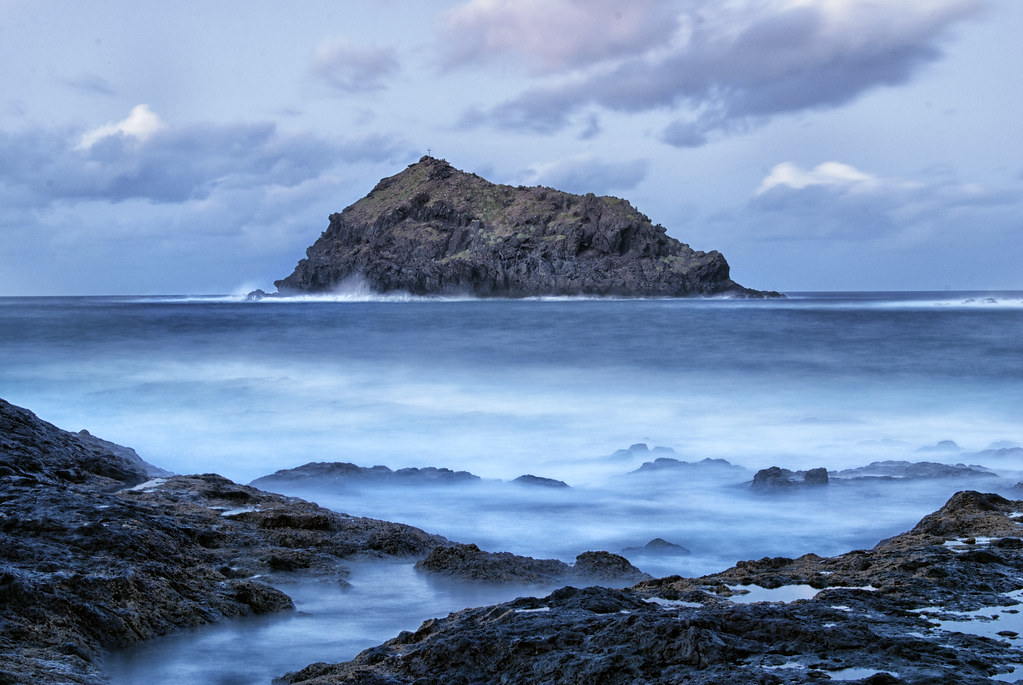
The municipality owns six kilometres of shoreline, but the sea is a fickle neighbour. A 600-metre drop in ten kilometres means clouds hit land like a slammed door; mornings can be golden while afternoons drown in mist. Playa de San Marcos, a black-sand scoop sheltered by cliffs, offers safe swimming when the Atlantic behaves. Two beach bars sell grilled sardines for €8 a portion; they close Tuesdays and whenever waves dump too much kelp on the sand. Kayak tours promise caves and dolphin sightings, yet guides cancel if whitecaps appear—always have a Plan B involving strong coffee and churros in the harbour kiosk.

High-season Saturdays see coach parties ticking off the dragon tree before lunch, but by 15:00 the old quarter regains audible silence. Shops shut from 13:30 to 17:00—accept it, don’t fight it. Use the lull to ride the 363 bus to Garachico’s natural rock pools (€1.45, 15 minutes) or walk the PR-TF 51 footpath through avocado plantations; the scent of bruised lemon leaves follows you for miles.

When to Come, What to Bring

April’s fiesta of San Marcos drapes the plaza in paper flowers and the smell of gunpowder; processions start at dawn and bars stay open until the last octogenarian stops dancing. June’s Fuegos de San Juan mean bonfires on the beach—bring old clothes if you intend to jump three times for good luck. The August romería is Tenerife’s most photogenic: ox-drawn carts piled with straw, locals in embroidered waistcoats handing out goat stew from dust-covered saucepans. Accommodation prices rise 30 % during fiestas; book early or stay down the hill in San Juan de la Rambla where rooms cost half.

Weatherwise, spring and early autumn give 22 °C days and cool nights. Winter adds rain and the occasional Atlantic storm; roads become water-courses and walking boots trump canvas pumps. Summer tops 30 °C inland but the north coast keeps a breeze—still, pack a mac; the “don’t trust the sky” rule applies even in July.

Cash or card? Cards work in supermarkets and the Drago ticket office, but family bodegas and market stalls remain resolutely cash-only. There’s a Santander ATM on Plaza de la Pila that dispenses up to €300; it runs out of money on market Fridays, so withdraw the night before.

The Part Nobody Photographs

Icod is a working town, not a museum. Delivery vans block streets, dogs bark at 3 a.m., and the morning after fiesta someone pressure-hoses vomit off the church steps. The dragon tree is smaller than Instagram implies—you’ll spend longer queuing for the official photo platform than gazing at the specimen itself. Coaches still idle their engines while passengers browse identical souvenir shops selling “1000-year Drago” key-rings made in China.

Yet those irritations are the flipside of authenticity. House prices haven’t been pushed sky-high by second-home owners because strict planning laws favour locals. A coffee still costs €1.20 if you stand at the bar, and the man next to you is probably the farmer who grew the beans. Tenerife’s south-coast resorts feel like extensions of the airport; Icod feels like somewhere people vote, argue and grow old. Stay a night, not an hour, and the town repays with details: the sound of palms rattling in the wind at dusk, the way malvasía oxidises to the colour of old pennies, the smell of woodsmoke drifting uphill when the temperature drops. Leave before the sun sets and you’ll miss all three.

Key Facts

Region
Canarias
District
Isla Baja
INE Code
38022
Coast
Yes
Mountain
No
Season
year-round

Livability & Services

Key data for living or remote work

2024
ConnectivityFiber + 5G
HealthcareHealth center
EducationHigh school & elementary
Housing~5€/m² rent · Affordable
CoastBeach 1 km away
Sources: INE, CNMC, Ministry of Health, AEMET

Official Data

Institutional records and open data (when available).

  • Icod De Los Vinos
    bic Conjunto Histórico ~0.5 km
  • Cueva De Don Gaspar
    bic Zona Arqueológica ~1.1 km
  • Cueva De Los Guanches
    bic Zona Arqueológica ~2.4 km
  • Antiguo Convento Franciscano Del Espiritu Santo
    bic Monumento ~0.3 km
  • Iglesia De San Marcos
    bic Monumento ~0.5 km
  • Iglesia Del Amparo
    bic Monumento ~1.2 km
Ver más (2)
  • Casa Campino
    bic Monumento
  • Ermita Del Calvario
    bic Monumento

Planning Your Visit?

Discover more villages in the Isla Baja.

View full region →

More villages in Isla Baja

Traveler Reviews