Full Article
about Los Silos
Quiet northern village with traditional architecture and natural surroundings; gateway to Monte del Agua and the volcanic coast.
Ocultar artículo Leer artículo completo
The church bells strike seven as fishermen in rubber boots haul crates of parrotfish across the slipway. They're not doing this for tourists—there aren't any. They're doing it because this is Tuesday, and Tuesday is when the boats come in. Los Silos doesn't do showmanship; it does routine, and it's been doing it since 1505.
The Town That Forgot to Modernise
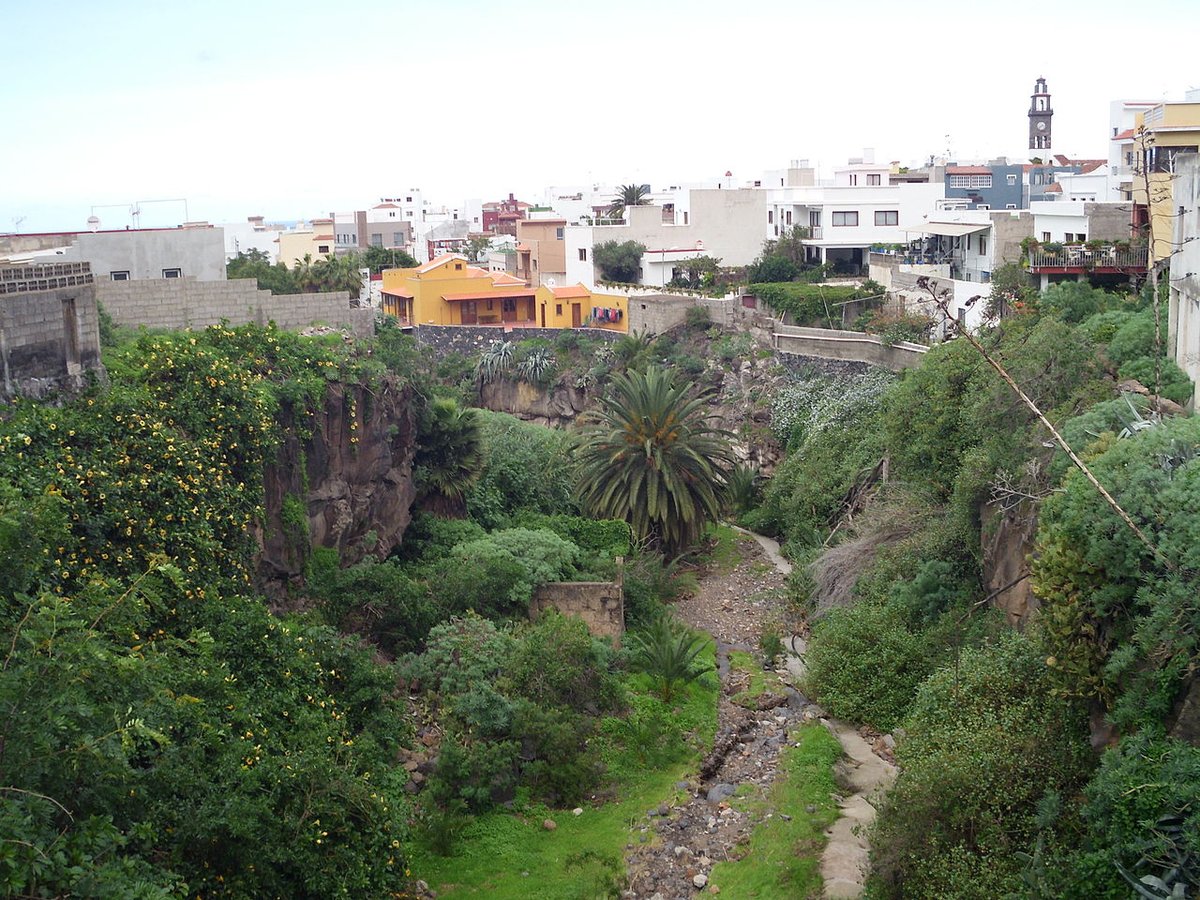
From the TF-42 approach road, the village spills down a fold in the volcanic hillside like something spilled from a child's toy box. White cubes with green shutters, orange roof tiles, the sixteenth-century Church of Nuestra Señora de la Luz squaring up the main plaza. No high-rise, no neon, no beach bars blasting Ed Sheeran. Just 5,000 people living where the banana plantations meet the sea, 80 km from the airport queues of the south.
Park by the sports court—it's free, usually empty, and leaves the plaza spaces for locals who've earned them. The centre is five minutes on foot, cobbled, no pavements. Cars edge past politely; pedestrians have right of way here, though dogs sleep wherever they fancy. Notice the doors: thick teak, iron studs, some dating to the 1700s. The town hall repaired them in the 1990s then forgot to add gift-shop plaques. That's the Silos way: fix it, use it, shut up about it.
Between Lava and Water
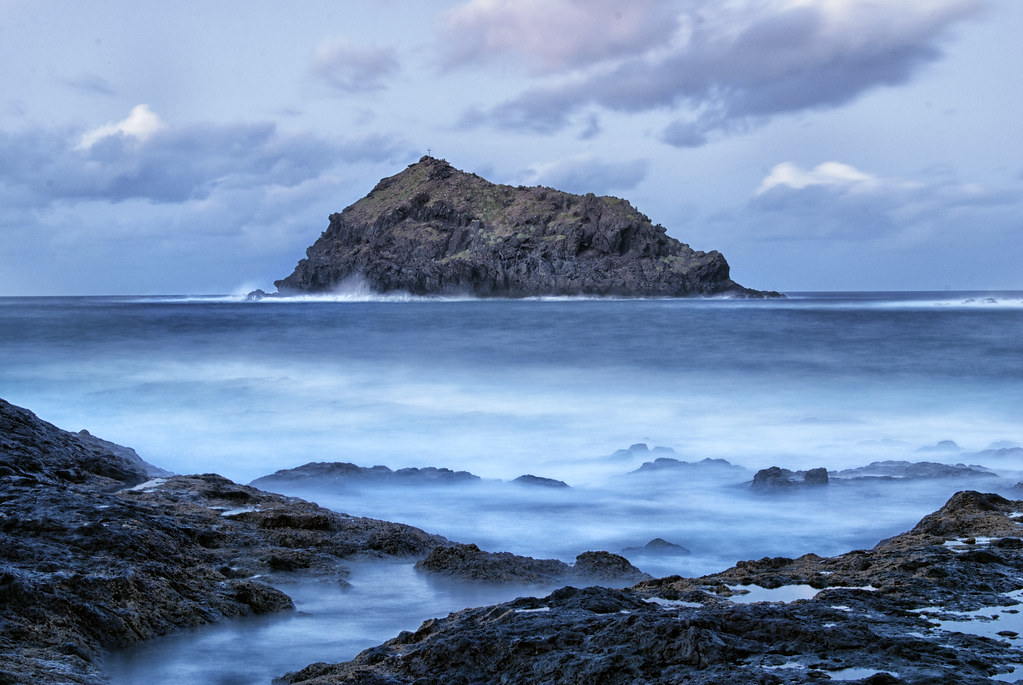
Los Silos owns two beaches. One is a narrow tongue of black sand where the barranco hits the Atlantic; the other is a shelf of lava pools called Charco de la Araña, ten minutes' walk from the plaza. Both are public, unsupervised, and honest about the ocean's mood. When the trades blow hard, waves explode over the outer rocks and the pools become a spectator sport. Swim only when the surface glints like polished obsidian; if it's white-capped, stick to paddling and keep reef shoes on—the rock urchins don't negotiate.
Bring snorkel gear and you'll see parrotfish the same colour as the crates on the quay. Local kids dive from the outer ledges after school, emerging with sea urchins they crack open on the spot. Tourists are rare enough that you'll get nods of approval if you manage entry without shrieking.
Trails That Start at the Doorstep
Ignore the hire-car key fob tempting you towards the known trailheads. From the church, Calle La Ranilla becomes a stone path that climbs straight into Teno Rural Park. Fifteen minutes and the banana terraces are beneath you, Atlantic swells to your left, 1,000 m ridges to your right. Continue another forty-five and you hit the laurel cloud forest—moss-draped heather, invisible blackbirds, the air suddenly cool enough for a jumper. The full loop to Las Portelas and back is 12 km, 500 m of ascent, and you can do it in trainers if the weather's dry. After rain the basalt turns into a slide rule; boots then are non-negotiable.
Winter hikers sometimes wake to find the peaks dusted white. The village itself stays at 14 °C minimum, but wind-chill on the ridges can slice that in half. Pack layers and set off early: cloud often rolls in by 11 a.m., turning spectacular drops into grey mush.
What to Eat When Nobody's Watching
Lunch starts at 13:00 and finishes when the last diner leaves. Restaurants aren't labelled as such; look for hand-written boards on patios. Try Casa Juan where the menu depends on what the owner's brother caught. Grilled parrot-fish (pescado a la espalda) arrives butterfly-cut, skin charred, flesh flaky, no fancy drizzle—just lemon wedges and a dish of papas arrugadas. The potatoes come with mojo rojo, but ask for the green version made with coriander; it's milder and British palates approve. Expect to pay €12 for the fish, €2.50 a glass of local white from the Ycoden-Daute-Isora cooperative. They'll bring bread without asking; if you don't touch it, they won't charge.
Vegetarians get goat-cheese grilled and drizzled with palm honey—sweeter than you'd think, closer to treacle than maple. Pudding is usually churros on Sunday morning at Cafetería Isla Baja, or a banana-and-gofio milk-shake that tastes like Maltesers dissolved in custard. No one counts calories here; the hill streets do that for you.
The Festival That Turns Streets into Stages
Visit in December and you'll bump into the International Story-Telling Festival. For three nights the village abandons television. Professional narrators from Wales, Senegal, the Canaries stand on balconies, in doorways, even on the back of a fishing boat, spinning tales while listeners huddle on plastic chairs. Events are free, bilingual, and end with hot chocolate so thick your spoon stands up. Book accommodation early—only three rental houses have more than six rooms, and locals rent spare bedrooms to cousins first, strangers second.
September brings the Fiestas de la Luz: processions, brass bands, fireworks launched from the harbour wall. August is quieter than you'd expect; San Lorenzo is celebrated but on a neighbourhood scale. If you want drums and feathers, drive to Santa Cruz. If you want a village disco that packs up at midnight so fishermen can sleep, stay put.
Getting Here, Getting Cash, Getting Stuck
Fly into Tenerife South (TFS), not North—it's nearer, hire-car queues shorter. Take the TF-1, exit 80 to Santiago del Teide, then the TF-42 down to the coast. The final 20 km switch between pine forest and banana terraces; coaches hate the bends, which is why airport transfers quote €90 and sometimes refuse outright. A small car for a week costs £120 and gives you freedom to reach the sand beach at Playa de la Arena when the lava pools turn rough.
Public transport exists: bus 363 from Icod to Buenavista, hourly except Sundays, exact fare €1.80. It drops you beside the plaza, but don't count on it for early flights. The village ATM hides inside the Spar on Calle La Vega and closes at 14:00 sharp. After that you need Garachico, 10 min by car. Shops follow the traditional siesta: 14:00-17:30 dead zone. If lunch passed you by, the Chinese-run convenience store stays open; they stock Yorkshire tea for the desperate.
Evenings are library-quiet. No pubs, no clubs, one cocktail terrace that shuts at 22:00. Bring a book, or walk to the harbour wall where the streetlights end and the Milky Way begins. Phone signal drops out in the valleys—download offline maps before you set off, and tell someone which trail you're attempting.
When to Admit Defeat
Los Silos won't suit everyone. If you need Uber, karaoke, or sand the colour of Dorset, stay south. August can feel claustrophobic when the mist lingers and every bar television switches to football. Rain arrives horizontally here; umbrellas are useless, patience essential. And if your Spanish stops at "dos cervezas," conversations will be brief—English is taught at school but confidence is low, so download an offline translator and smile often.
Yet for walkers, star-gazers, or anyone who measures holiday success in locally caught fish rather than Instagram likes, Los Silos delivers. Five days gives you two hikes, one beach afternoon, a storytelling night, and the realisation that real life continued somewhere while you were queuing for airport security. Just remember to check the Atlantic before you dive in, and don't wear flip-flops on lava—those urchins have heard every language of pain.