Full Article
about Barlovento
Agricultural, green municipality in northern La Palma; known for its natural pools and the island’s largest artificial lagoon.
Hide article Read full article
A different kind of stop on La Palma
Tourism in Barlovento does not work like it does elsewhere on La Palma. You do not arrive and instantly know where everything is or what to do next. It feels more like stepping into the home of someone you have only just met. At first it is slightly uncertain, then after a short while you find yourself looking out at the view and settling into it.
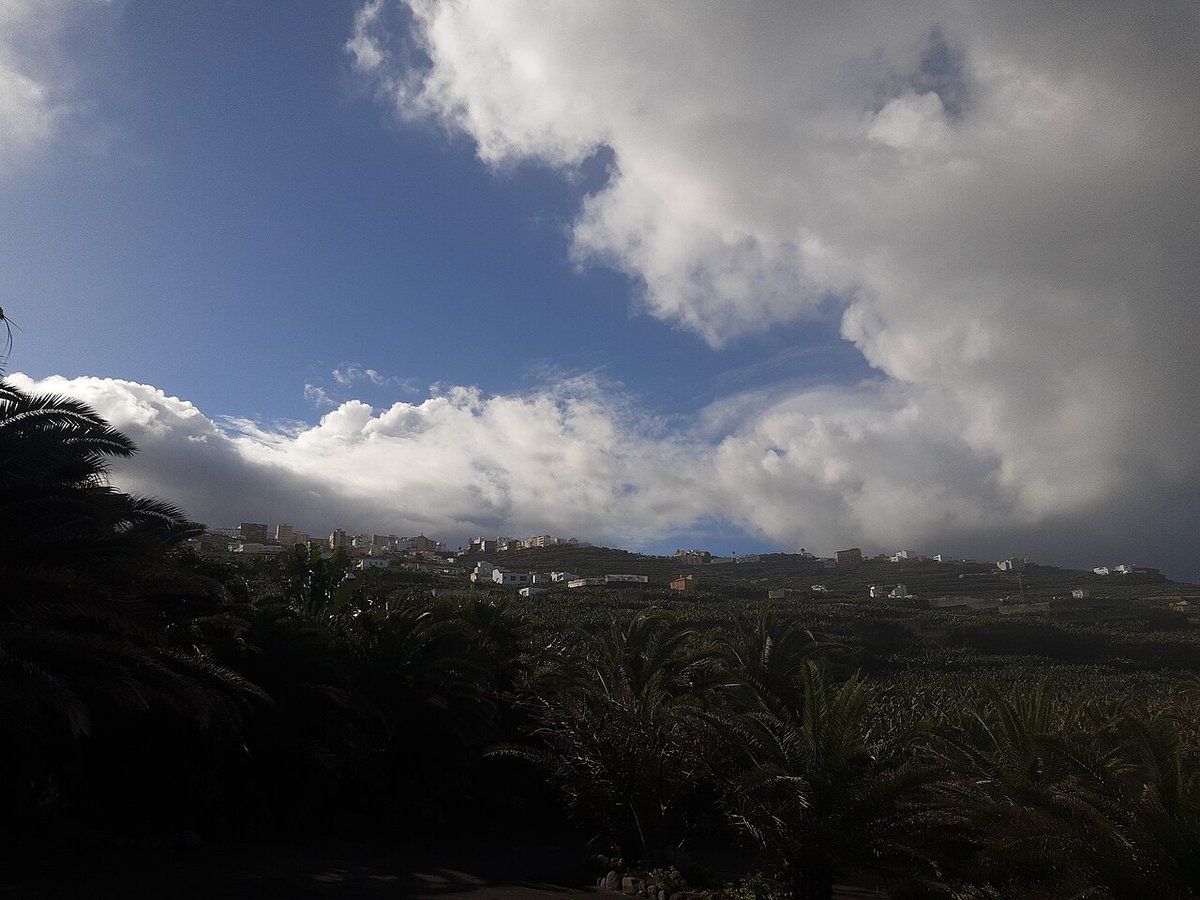
Barlovento sits in the north-east of the island, where the green tones deepen and the wind makes its presence felt. The name itself is a clue. Anyone expecting a quick, postcard-style visit may feel a bit unsure at first. With a little time, the place begins to make sense.
A town stretched along the slope
The approach along the LP‑1 road brings Barlovento into view quite suddenly. White houses cling to the hillside, with the sea always in the background as a constant reminder of where you are.
It is a large municipality in terms of area, yet home to just over two thousand people spread across different neighbourhoods. That shapes the atmosphere. There is no busy centre filled with shops or streets designed for browsing. Instead there is a square, the church, public buildings and the steady rhythm of a place where people know each other.
The first impression is usually one of calm. Often more than visitors expect when they think about tourism on La Palma.
When the sea becomes a swimming spot
La Fajana is the place most closely associated with Barlovento. These are natural pools formed by lava and adapted for swimming. There is no sandy beach here, but the experience more than makes up for it.
The sea arrives clean and with character. Some days it is almost still, on others it reminds you that this is the Atlantic on the northern side of the island. The basalt can be slippery, so water shoes tend to be useful.
On clear days the contrast stands out: black rock, blue water and the green slopes above the cliffs. Many people come just for this, take a long swim and then spend time simply watching the sea.
Coastal paths that demand a bit of effort
The coastline around Barlovento is best explored on foot. Paths climb and descend between cliffs, prickly pear cacti and exposed stretches where the wind can be strong.
One of the better-known routes links the town with the area around La Fajana. It is not especially long, though it includes plenty of ups and downs. The route starts gently, then becomes more demanding, the kind of walk that makes you wish you had packed a bit more water.
Along the way there are dragon trees, cardones and sections where the only sound is the sea below. Encounters tend to be simple and familiar. Someone passes by, says hello, and carries on as if you had known each other for years.
The lagoon and Punta Cumplida lighthouse
A short distance from the main settlement lies the Laguna de Barlovento. It is actually a reservoir built inside an old volcanic depression. That may sound technical, but on arrival it simply looks like a round lake surrounded by pine trees.
A path runs all the way around it. The walk is easy and unhurried, the sort of place where time does not matter much. Many locals come here to stroll or spend part of the afternoon.
Further towards the coast stands the lighthouse of Punta Cumplida. It is tall, noticeably higher than most lighthouses in the Canary Islands, and visible from afar as you approach by road. The area often experiences strong winds, and the sea hits hard on rough days.
The journey up there is reason enough to make the detour, even if only for the feeling of standing on one of the most exposed corners of the island.
Festivity, tradition and everyday food
Barlovento has a long-standing devotion to the Virgen del Rosario. According to tradition, the image arrived centuries ago from Flanders and remains an important reference point for the town.
During some editions of the local festivities, the Battle of Lepanto is re-enacted. Yes, the one from the Mediterranean. There are no galleys or cannons here, but the event became linked to the devotion to the Rosario and is recreated in a symbolic way.
At that time the pace of the municipality changes. People arrive from other parts of the island, the streets fill up, and for a couple of days Barlovento feels far less quiet than usual.
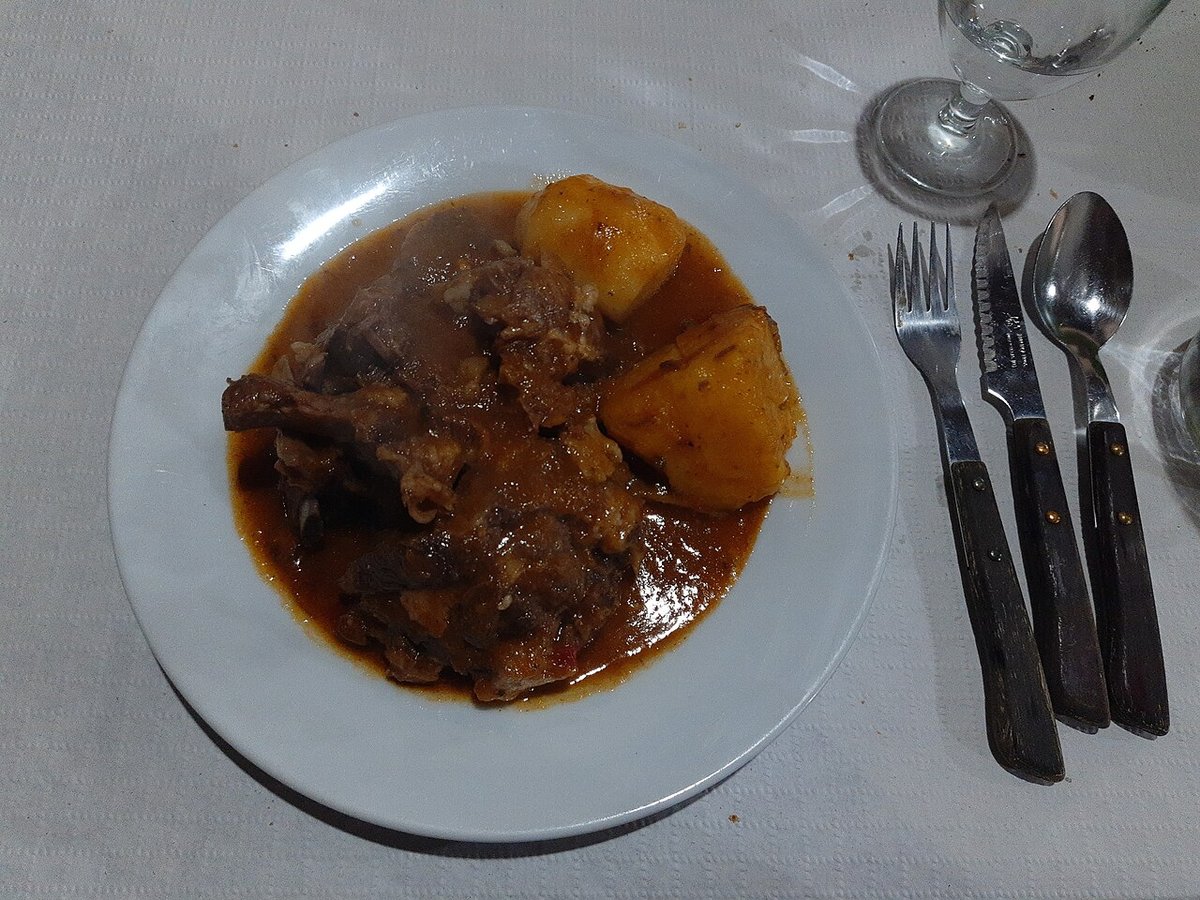
Food here follows the same lines as in many homes across La Palma. Gofio escaldado, papas arrugadas with mojo, and meat dishes prepared slowly. These are recipes that take time and invite conversation.
Gofio itself has a particular place in local life. Many people are unsure about it as children, then look for it later on when they want something that tastes familiar. It works well with bread or in broth, more than it might seem at first.
The simplest way to approach Barlovento is to avoid turning it into a checklist. Take it slowly. A walk around the lagoon, a swim at La Fajana, time on the coastal paths and an unhurried meal.
Barlovento does not try to impress. It gives you space instead. When it is time to leave, it often leaves the feeling that staying a little longer would have made perfect sense.