Full Article
about Puntallana
A transition zone with green landscapes and a cliff-lined coast; Nogales beach stands out as one of the island’s most beautiful.
Ocultar artículo Leer artículo completo
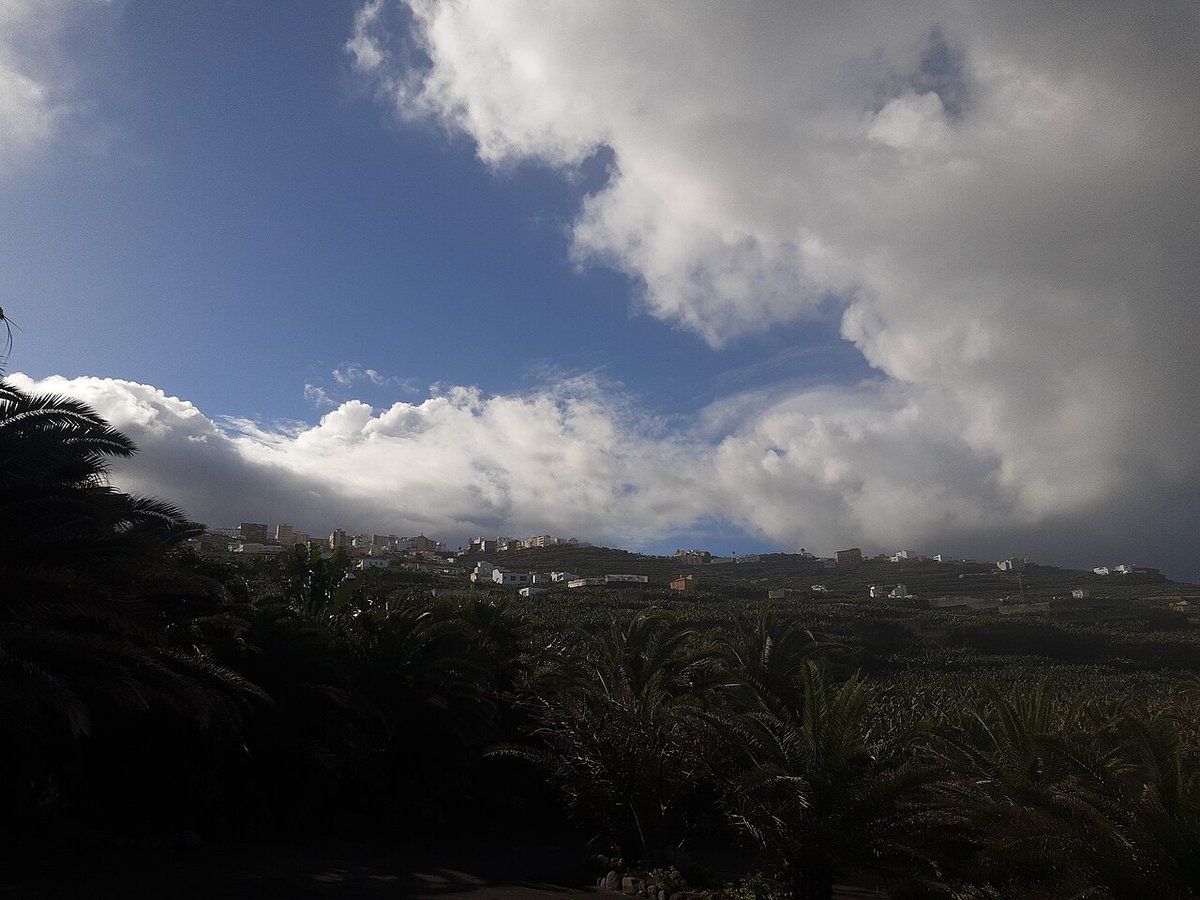
The road to Puntallana climbs so sharply that second gear becomes a habit. One moment you're threading Santa Cruz's harbour traffic, the next the LP-1 corkscrews through cloud banks that spill over banana leaves like dry ice. At 420 metres above sea level, the village appears: a scatter of white houses, a sixteenth-century church tower, and a main street wide enough for one cautious car and a handful of elderly men discussing the price of avocados.
This is not the La Palma of glossy brochures. No swim-up bars, no infinity pools, no yacht masts glinting in the sun. Puntallana sits four kilometres back from the coast, anchored to the island's agricultural pulse. Terraces of black volcanic soil climb the ravines, each plot held in place by dry-stone walls the colour of burnt toast. Irrigation channels—some pre-dating the Conquest—still trickle, feeding plots of taro, sweet potato and the ever-present plátano whose blue plastic bags rustle like carrier bags in a gale.
Start at the church square. Iglesia de San Juan Bautista doesn't shout for attention; its stone is the same grey-brown as the hillside behind. Inside, candle smoke lingers beneath a cedar ceiling carved with pineapple motifs. The carved wooden statue of St John once travelled by boat from Cadiz, paid for with sacks of cochineal dye harvested on these same slopes. Step out again and the view opens north-east: barrancos cutting deep V-shapes towards an Atlantic that looks close enough to touch, though the coast is still a twelve-minute drive away.
Those twelve minutes matter. The LP-115 drops 350 metres through hairpins to Playa de Nogales, a crescent of black sand wedged between basalt walls. On calm days the surf rolls in long and orderly; when the swell arrives from Newfoundland the lifeguard raises a red flag and even the locals retreat to the bar at the top of the steps. The descent takes fifteen minutes, the ascent twice that—count it as penance for the papas arrugadas you'll eat later.
Back in the village, walking tracks head inland along the Barranco de la Madera. The path is narrow, often muddy, and shaded by tree heath and Canary laurel. Water drips from fern fronds even in July; carry a light jacket however blue the sky looked at sea level. Halfway up you'll pass the ruins of a water-powered mill—its millstone still in place, thick with moss. Farmers used to bring maize here; now the only traffic is the occasional German hiker armed with Leki poles and a GPS watch.
The mirador at Lomada de la Virgen rewards the climb. On a clear morning Tenerife's Pico Teide floats on the horizon like a snow-topped mirage. More often, trade-wind clouds boil up the ravine and engulf the viewpoint in soft grey. Either version is worth the effort; just don't expect a souvenir kiosk. The only facilities are a stone bench and a rusty interpretation panel explaining why the laurisilva forest is a UNESCO site. Read it quickly before the condensation blurs the text.
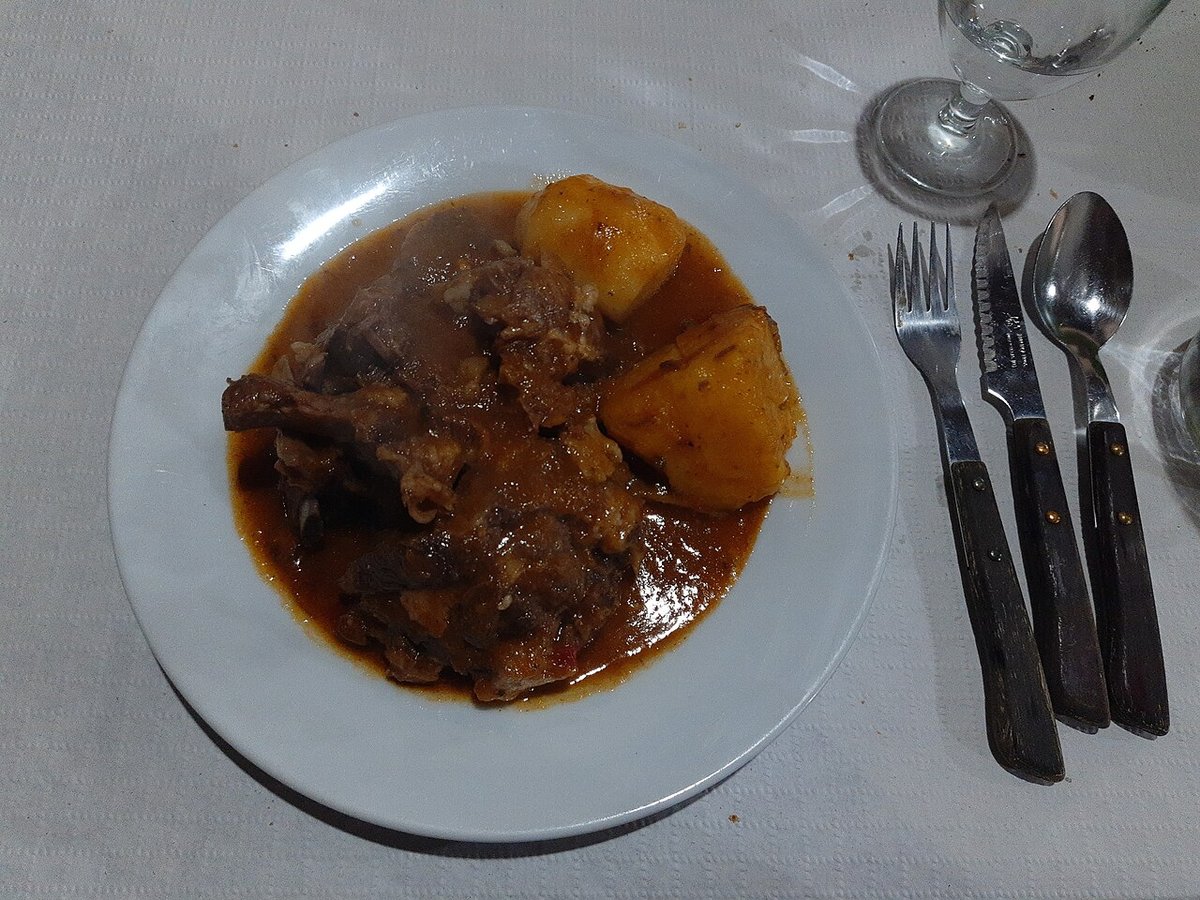
Lunch options are limited and better for it. Bar El Nogal opens at 07:00 for coffee and sells out of its daily guiso by 14:30. The stew changes—rabbit, beef, sometimes salted cod—whatever the owner's sister has brought from her plot. A plate costs €7 and comes with bread baked in Los Sauces, eight kilometres away. If you prefer fish, drive five minutes to Villa de Garafía's fishing co-op where the catch is auctioned at 16:00 sharp. Buy a slice of cherne, ask any housewife how to season it, then grill it back at your rental. Supermarkets close between 13:30 and 17:00; plan accordingly or you'll be making sandwiches with crisps and breakfast jam.
Evenings are quiet. The village bar shows Athletic Bilbao matches on a temperamental television; conversation stops when the commentary crackles, resumes when it cuts out. Order a tapa of goat's cheese drizzled with palm honey—thick, dark, tasting faintly of burnt caramel. Close the night with a shot of plátano liqueur served over two ice cubes; it tastes like alcoholic banana custard and slips down dangerously fast.
Practicalities first: you need wheels. Buses from Santa Cruz trundle up twice on weekdays, once on Saturdays, never on Sundays. Car hire at La Palma airport starts at £25 a day in winter; the LP-1 is well-surfaced but narrow, and Spanish drivers treat the centre line as advisory. Add twenty-five per cent to Google estimates when the cloud base drops to bonnet level. Fill up before 18:00—fuel stations on this side of the island close early and card readers fail when the humidity peaks.
Accommodation is thin on the ground. Casa Cha Miquela offers two bedrooms, thick stone walls and a wood-burner for February nights when the thermometer can dip to 10 °C. At £90 a night it's good value for a family who'd rather cook their own breakfast than chase the lone café that opens before nine. Alternative: two rural rooms above a banana finca, rooster included, €60 with breakfast. Book through the island website; Airbnb hasn't discovered the village yet.
Come between October and May if walking is the goal. Daytime highs sit around 20 °C, rain is short-lived, and the trails smell of wild marjoram. July and August are hotter but rarely oppressive; start hikes at dawn to avoid both the sun and the afternoon clouds that swallow the mid-altitudes. Winter brings snow to the central ridge—visible from Puntallana's upper lanes—yet the village itself stays frost-free.
What you won't find: souvenir shops, cashpoints, or anywhere to post a postcard. The Sunday market consists of three stalls and a woman selling aloe-vera plants from the back of a van. Wi-Fi exists in name only; embrace the buffering as nature's way of telling you to look up. English is spoken slowly and with apologies; a phrasebook earns smiles and sometimes an extra splash of wine.
Leave after three days and you'll have thigh muscles that remember every ascent, a camera roll of cloud-shadow patterns across banana terraces, and the realisation that "untouched" doesn't mean frozen in time—it means people still shape the land with machetes and wheelbarrows rather than golf buggies and branded umbrellas. Puntallana won't entertain you. It will, if you arrive with sturdy shoes and modest expectations, let you watch an island get on with the business of feeding itself while the Atlantic keeps crashing somewhere below.