Tijarafe - Flickr
Canarias · Fortunate Islands

Tijarafe

The road to Tijarafe corkscrews upward from the coastal banana plantations, climbing six hundred metres in the final five kilometres alone. LP-115 ...

2,733 inhabitants · INE 2025
640m Altitude
Coast Atlántico

Why Visit

Coast & beaches Mountain Porís de Candelaria

Best Time to Visit

summer

Devil Festival (September) septiembre

Things to See & Do
in Tijarafe

Heritage

  • Porís de Candelaria
  • Time viewpoint
  • Candelaria church

Activities

  • Coastal hiking
  • Sea-cave visits
  • Wine tourism

Festivals
& & Traditions

Fecha septiembre

Fiesta del Diablo (septiembre)

Las fiestas locales son el momento perfecto para vivir la autenticidad de Tijarafe.

Full Article
about Tijarafe

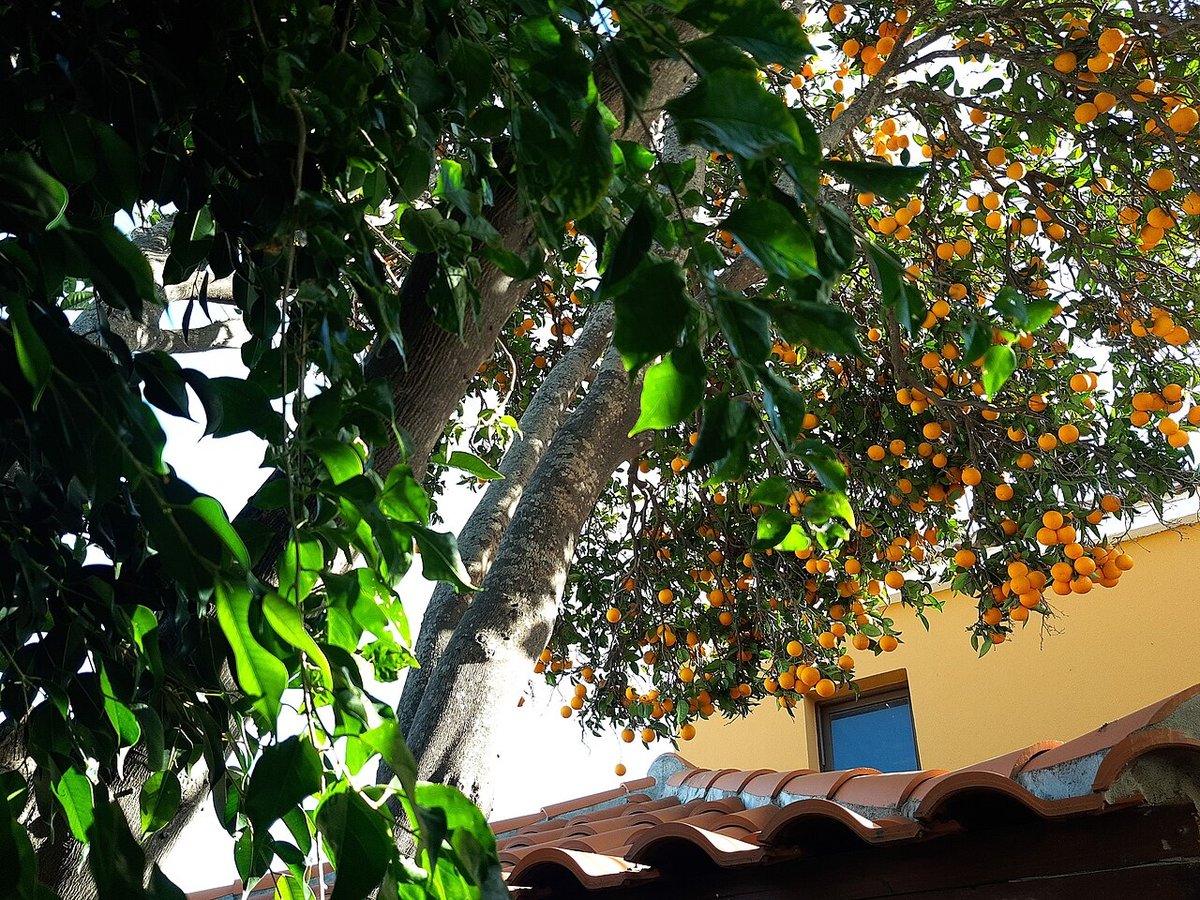
A municipality with deep-rooted traditions like the Diablo; it offers landscapes of almond trees, vineyards, and the spectacular Porís de Candelaria.

Ocultar artículo Leer artículo completo

The road to Tijarafe corkscrews upward from the coastal banana plantations, climbing six hundred metres in the final five kilometres alone. LP-115 switches back on itself so sharply that drivers instinctively lean into the turns, the Atlantic shrinking to a cobalt stripe in the rear-view mirror. By the time the engine cools in the small plaza, you’ve left behind the package-holiday weather of the east coast and entered a different climate zone: cooler, quieter, scented with pine and wet earth rather than sunscreen.

This is the island’s north-west shoulder, where volcanic ridges tilt westward and every viewpoint ends in ocean. Tijarafe’s 2,640 inhabitants live strung along these slopes in white houses roofed with half-round Arabic tiles, their patios bright with geraniums. The village itself is compact: ten minutes’ walking covers the centre. Yet the municipality stretches from the lip of the Caldera de Taburiente down to a ragged coastline where black lava meets the full force of the Atlantic. The result is a place that feels both intimate and vast, depending on whether you’re sipping coffee under the church bell tower or standing on a 700-metre cliff watching weather systems roll in from the Azores.

Sunday morning, plaza level

Start at the Iglesia de Nuestra Señora de Candelaria, whose single nave and wooden balcony typify the rural Canarian style. The church doors open onto a square barely larger than a tennis court, shaded by a lone Indian laurel and bordered by a single bar, a chemist and the town hall. Order a café con leche inside Cafetería Tijarafe and you’ll hear more Spanish than any other language; tourists are still outnumbered by farmers in muddy boots discussing the price of avocados. Prices are mainland-friendly: €1.30 for coffee, €2 for a buttered tostada. Service is unhurried – don’t expect the bill until you ask for “la cuenta”.

From the plaza, four streets radiate uphill. Follow the steepest, Calle El Jesús, and within three minutes the houses give way to smallholdings planted with vines, figs and the island’s trademark banana palms. The tarmac ends; a stone path continues into the barranco where irrigation channels gurgle even in September. These public footpaths are Tijarafe’s real museum: centuries-old cobbles polished by wooden carts, stone huts that once sheltered goatherds, bridges carved from single slabs of basalt. Way-marking is minimal – download the free IGN Spain 1:25,000 map before you set out, or pick up a paper copy in Los Llanos on the way up.

Up on the rim

Serious walkers can leave the village door-to-door for the Caldera rim. A steady 45-minute climb through pine forest brings you to the Cumbrecita viewpoint at 1,450 m, looking into a crater wide enough to swallow central La Palma’s entire weather system. Cloud often wells up like foam, spilling over the edge and evaporating in the morning sun. Carry a light jacket: even in August the breeze at altitude is 10 °C cooler than on the coast. For a full day, continue west along the GR-130 long-distance path to Roque de los Muchachos, the island’s 2,426 m summit. The five-hour traverse passes the world’s largest collection of international telescopes; book a free afternoon tour of the GranTeCan observatory online weeks ahead – places fill even in low season.

Down to the water – but check the swell first

Tijarafe’s coastline is spectacularly inaccessible. There are no sand beaches, only pocket-sized coves reached by goat tracks or boat. Playa de La Veta, twenty minutes’ drive then forty on foot, is the most forgiving: a black-sand inlet framed by ochre cliffs where fishermen keep wooden boats in a natural cave. When the Atlantic is flat you can swim in water so clear that rays are visible five metres down. When it isn’t, waves explode against the ramparts and send spray halfway up the slope. No lifeguards, no mobile signal, no loo – just a rough-hewn jetty and a couple of stone barbecues. Bring water, sturdy shoes and an exit plan: the climb back to the car park is the equivalent of hiking up thirty storeys.

If that sounds excessive, hire a local lancha instead. Small boats leave from the neighbouring port of Tazacorte on calm mornings, nosing into sea caves and dropping passengers for a swim before lunch. Expect €35 per person for a two-hour trip; arrange through the tourist office in Tazacorte, not online resellers who add 20 %.

What you’ll eat

Mealtimes stay rural. Midday menús del día in the village cost €10–12 and run to three courses: usually soup or salad, grilled pork or chicken, and almond cake strong enough to anchor a ship. Papas arrugadas – Canary potatoes boiled in seawater until their skins wrinkle – arrive with two bowls of mojo, one scarlet and fiery, the other green and coriander-sharp. If you’re wary of gofio, the toasted maize flour that accompanies everything, ask for chips instead; nobody minds. Vegetarians survive on cheese, eggs and the island’s astonishing tomatoes the size of cricket balls.

Evening options shrink outside fiesta weeks. The safest bet is Bodegas Noroeste on the main street, a wine-bar opened by a returning emigrant who spent twenty years in Surrey and speaks better English than most of the island’s taxi drivers. Taste the local Vino de Tea, red wine matured in pine barrels that gives off a faint resin scent reminiscent of retsina. A flight of three 60 ml glasses costs €4.50; take home a bottle of the 2021 Listán Negro for €8, less than a house wine back home.

When to come, and when to stay away

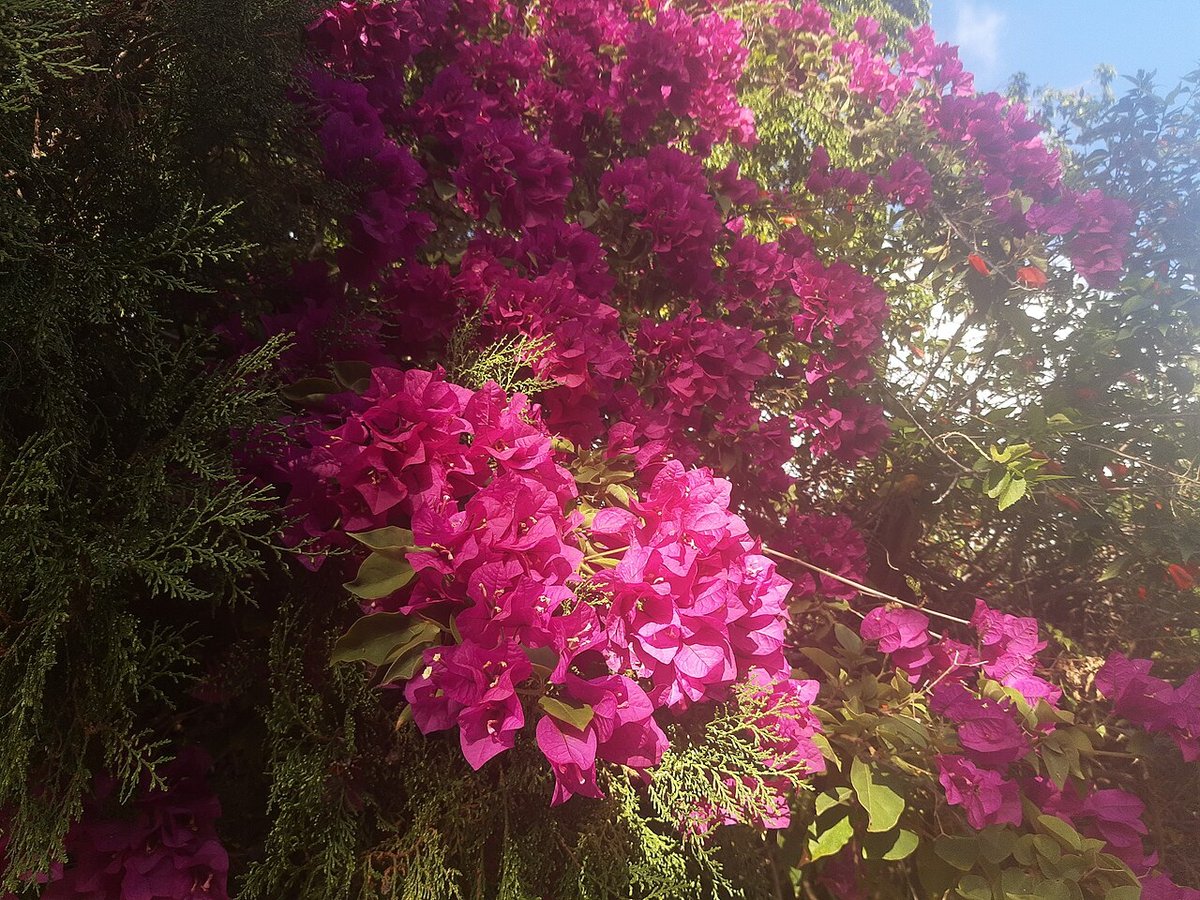
April and May throw carpets of pink lapacho flowers over the terraces; daytime temperatures sit in the low twenties and the calima – the Saharan dust cloud that can smother views for days – is rare. Autumn is equally good: vines redden, skies sharpen after the first Atlantic fronts, and the village’s almond trees drop nuts you can crack open on the path. Winter brings daytime 18 °C highs but nights drop to 12 °C; several cottages lack central heating, so check for wood-burners if you book December. Summer is hot, cloudless and very quiet: many residents close up and head to the coast, so only two restaurants stay open. On the plus side, you’ll have the hiking trails to yourself and the Milky Way is absurdly bright.

Renting a house, not a hotel

There is no hotel in Tijarafe. What you get instead are restored stone cottages with infinity pools cantilevered over the slope, booked through specialist agencies such as Island Properties or independent owners on Airbnb. Typical rates run €90–140 per night for a two-bedroom house with terrace, barbecue and unrestricted Atlantic sunset. Most properties sit five minutes above the village by car; pack provisions before you drive up because late-night chocolate runs involve that corkscrew road again. Mobile reception is patchy: WhatsApp messages arrive in clumps when the wind turns, so download offline maps and bring a paperback.

Fire in the streets

If you can align dates, arrive for El Diablo on 8 September. The festival marks the village’s patron saint with a dance that ends in fireworks strapped to a man dressed as Satan. Locals insist the costume is fireproof; spectators still edge backwards as sparks ricochet off the cobbles. The show starts at 22:00 sharp after an open-air meal of roast goat and wine poured from enamel jugs. Beds are scarce that weekend – reserve at least three months ahead or stay down in Los Llanos and drive up for the night.

Last look over the edge

Tijarafe won’t suit everyone. If you need room service, nightclubs or sandy beaches within stroller distance, stick to the south of the island. What it offers instead is scale: the chance to walk from cloud forest to lava coast in a single day, then sit on your own terrace while the sun drops into an unbroken ocean. Bring decent shoes, a hire car and a sense of altitude, and the village repays the effort with silence, starlight and the smell of pine drifting uphill on the evening breeze.

Key Facts

Region
Canarias
District
Noroeste de La Palma
INE Code
38047
Coast
Yes
Mountain
Yes
Season
summer

Livability & Services

Key data for living or remote work

2024
ConnectivityFiber + 5G
HealthcareHealth center
EducationElementary school
Housing~5€/m² rent · Affordable
CoastBeach nearby
Sources: INE, CNMC, Ministry of Health, AEMET

Official Data

Institutional records and open data (when available).

  • Ermita de El Buen Jesús
    bic Monumento ~1.6 km
  • Iglesia de Nuestra Señora de Candelaria
    bic Monumento ~0.8 km
  • La Danza del Diablo
    bic Actividades tradicionales ~0.8 km
  • Ermita de El Buen Jesús
    bic Monumento ~1.6 km
  • Iglesia de Nuestra Señora de Candelaria
    bic Monumento ~0.8 km
  • Barranco de los Gomeros
    bic Zona arqueológica ~3.1 km

Planning Your Visit?

Discover more villages in the Noroeste de La Palma.

View full region →

More villages in Noroeste de La Palma

Traveler Reviews