Full Article
about La Frontera
Set in the dramatic El Golfo valley; known for its tropical fruit trees, natural pools, and giant lizard.
Ocultar artículo Leer artículo completo
The road drops 600 metres in twelve hair-pin bends. One moment you're driving through cloud forest, the next the Atlantic appears—an abrupt slab of cobalt that makes you blink. This is the western edge of El Hierro, where La Frontera clings to the rim of an ancient volcanic crater whose wall collapsed into the sea. The village itself isn't one place but a scatter of white houses, vineyards and dragon trees across the Valle de El Golfo, a sun-trap amphitheatre that feels half-Alpine, half-Moroccan.
The Valley that Shouldn't Exist
Geologists still argue about El Golfo. Eight thousand years ago the volcano's flank slid away, leaving a bay-sized bite mark. You'd expect bare rock; instead there are almond groves, small vegetable plots and vines rooted directly in black lapilli. The local cooperative, housed in a breeze-block shed opposite the petrol station, sells Vino de Frontera for €4.50 a bottle. It's crisp, slightly saline, and tastes of the trade winds that rattle every loose tile after midday. Brits expecting Rioja heft are pleasantly surprised—think Vinho Verde without the spritz.
Driving down, keep the window open: the temperature rises five degrees between the mirador at La Peña and the valley floor. Stop at the first lay-by where old men sell avocados from car boots. They'll tell you, in slow Castilian, that the valley used to be malaria-ridden until the 1950s; now it's the island's bread-basket and the only spot warm enough for mangoes.
A Coast of Black Lava and Natural Swimming Holes
At sea level the village of La Maceta is little more than a slipway and a café whose terrace fills with wet-suited snorkellers. The Atlantic has carved rectangular basins into the lava shelf—nature's lidos, complete with handrails and steps installed by the island council. When the swell is small the water is gin-clear; parrotfish nibble at the rocks and you float eye-to-eye with Canarian lobsters. But when the north-east trade winds wake up, waves explode over the outer wall and the pools become jacuzzis you wouldn't want to enter. Check the colour-coded flag before you strip off; a red one means someone was airlifted last week.
Five kilometres south the asphalt ends at the Orchilla lighthouse. This is the old meridian zero, the edge of the known world before Columbus sailed west. Park beside the chain-link fence and walk the last 200 metres; the cliff is undercut, and chunks the size of semi-detached houses occasionally peel away. Sunset here is less Instagram performance, more private awe. You'll share the view with maybe three locals and a German photographer who hasn't spoken since 1987. Bring a jacket—once the sun drops, the wind finds every gap.
Walking Tracks that Demand Respect
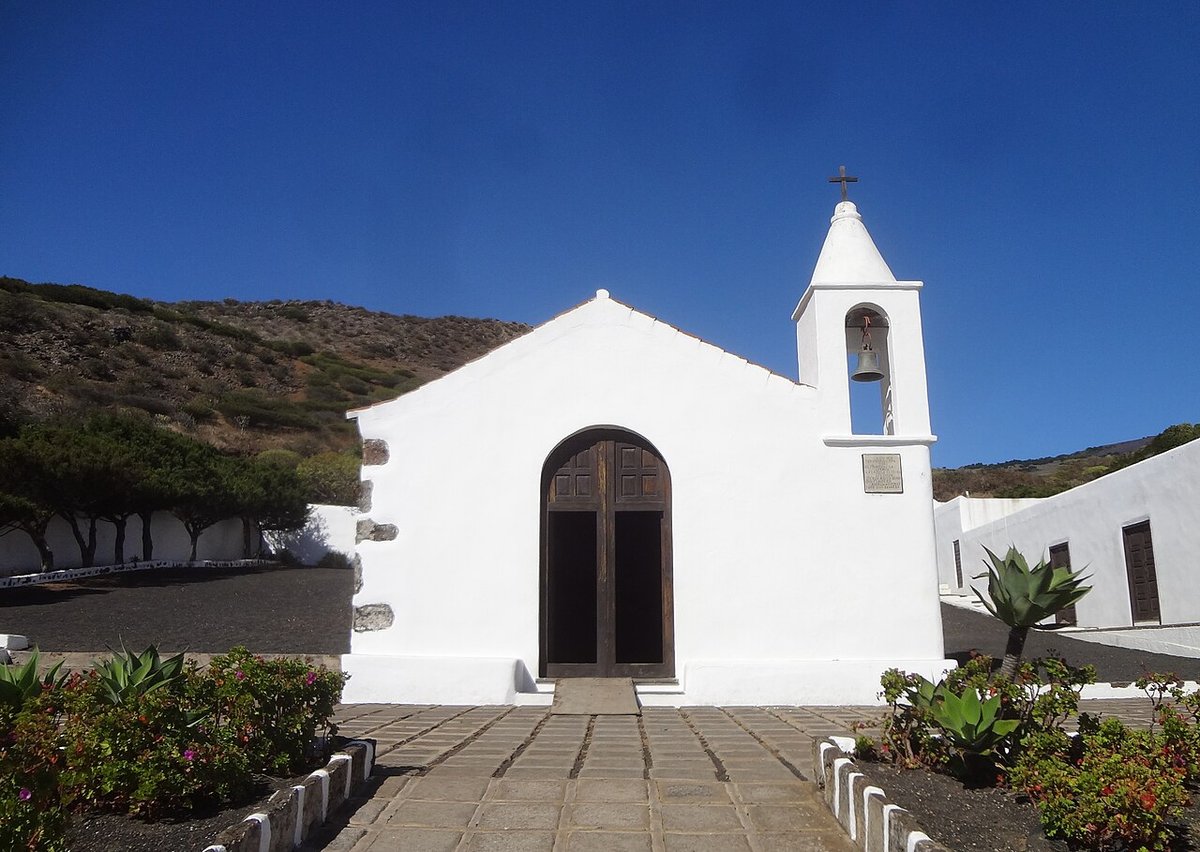
Maps.me shows a dotted line from La Frontera village down to Playa del Verodal, the island's only red-sand beach. What it doesn't show is the 500-metre descent over loose basalt that turns ankles into gravel. The path starts behind the football pitch, passes the eighteenth-century Ermita de los Reyes and then tips over the rim. Allow ninety minutes down, two hours back up, and carry more water than you think sensible. The reward is a two-kilometre crescent of brick-coloured sand backed by juniper trees bent horizontal by the wind. On weekdays you'll have it to yourself; at weekends a single ice-cream van appears, run by a woman who knows exactly how thirsty you are.
If that sounds too penitential, stick to the valley floor. A flat lane links the church plaza with the vineyard hamlet of Tigaday. Sunday morning is best: families stroll to mass, dogs sleep in the gutter and the bakery sells quesadillas herreñas—sweet, anise-flavoured pastries that taste like a cross between shortbread and hot cross bun. Sit on the bench outside, watch the elderly compare walking sticks and you'll understand why no-one hurries here.
What to Eat When the Kitchens Shut at Nine
La Frontera doesn't do long dinners. By 21:00 the grill is scraped clean and the owner is sweeping up. Arrive early, order what they're cooking today. That might be taco de calamar—baby squid rolled into a spiral, sealed with a toothpick and grilled so the edges caramelise. The local cheese, queso herreño, arrives on a clay dish, flambéed with aguardiente and doused in palm honey that tastes like thin maple syrup. Pair it with a half-bottle of country white; at €6 it's cheaper than London tap water.
Vegetarians get papas arrugadas—wrinkled potatoes boiled in seawater—and must choose between mojo verde (coriander, garlic, cumin) or the fiercer red version laced with picona peppers. Ask for both; no-one judges. Dessert is usually prefabricated flan, but the coffee is properly strong and served in glass tumblers that burn your fingertips.
Getting There, Staying Sane
From the UK it's a two-step journey: fly to Tenerife South, then a 40-minute hop with Binter or Canaryfly to El Hierro's toy-sized airport. Hire the smallest car available; anything wider than a Fiat 500 will have you reversing up hairpins when the bus appears. Fill the tank in Valverde before you descend—La Frontera's lone garage locks at 18:00 and doesn't open Sundays.
Accommodation is scattered: a clutch of rural houses with thick stone walls, a couple of eco-lodges powered by wind turbines, one small hotel above the supermarket. Book ahead for Easter and the July fiesta; otherwise you can usually arrive unannounced and find a room. Mobile signal vanishes in every ravine—download offline maps before you set off. Cash is king outside the main villages; the ATM in Tigaday often runs dry on weekends.
Winter Cloud, Summer Wind
January brings altostratus that slides over the crater rim and sits on the valley for days. Temperatures hover around 16 °C, perfect for walking but hopeless for suntans. May and October are the sweet spots: the sea is warm enough for a twenty-minute swim, the terraces smell of flowering jasmine, and you can still find rental cars for €25 a day. August is scorching in the valley and gale-force on the coast; the wise retreat indoors after breakfast and re-emerge at sunset.
La Frontera won't entertain you after dark. There are no cocktail bars, no karaoke, no mini-golf. What it offers instead is a geography lesson you can walk through: vines growing on volcanoes, swimming pools carved by the ocean, and a lighthouse that once marked the end of the world. Bring decent shoes, a sense of scale and enough time to let the trade winds blow the city out of your head.