Full Article
about San Juan de la Rambla
Charming coastal village; known for Charco de La Laja and its well-preserved Canarian architecture.
Hide article Read full article
San Juan de la Rambla: un pueblo en la costa norte de Tenerife
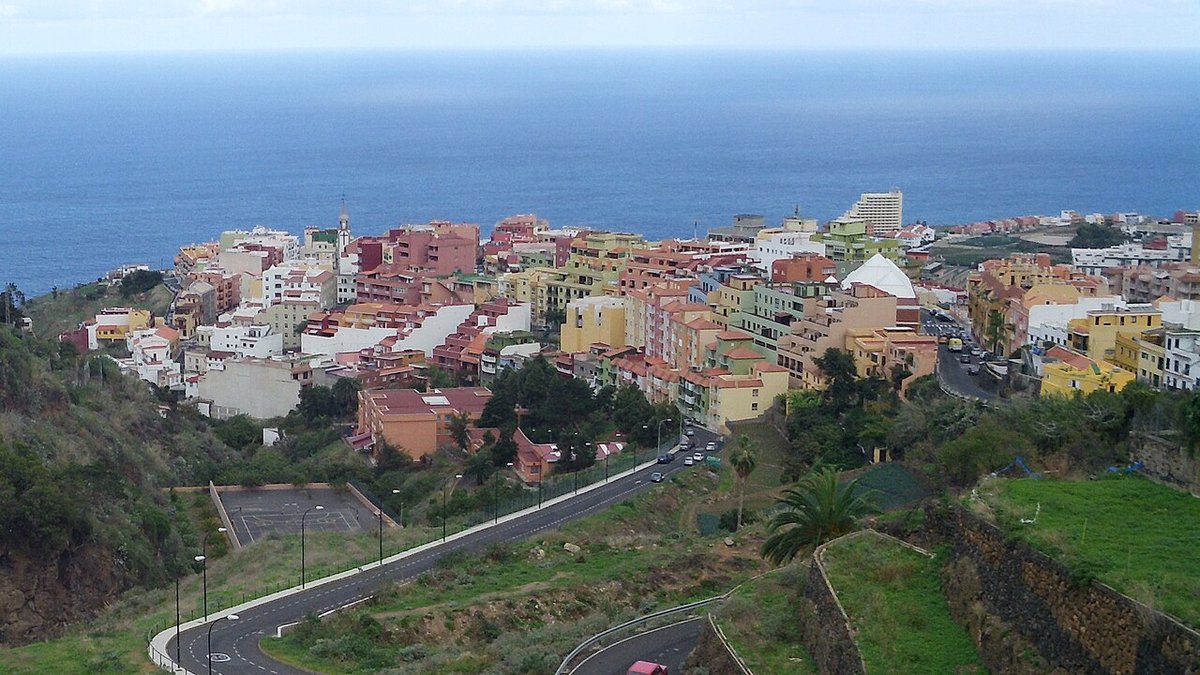
San Juan de la Rambla ocupa una franja estrecha de la costa norte de Tenerife. El terreno cae bruscamente hacia el mar a través de barrancos cortos, y la carretera principal pasa por arriba, entre plantaciones de plátanos. Desde muchas curvas, el océano aparece de repente, cercano pero muy por debajo.
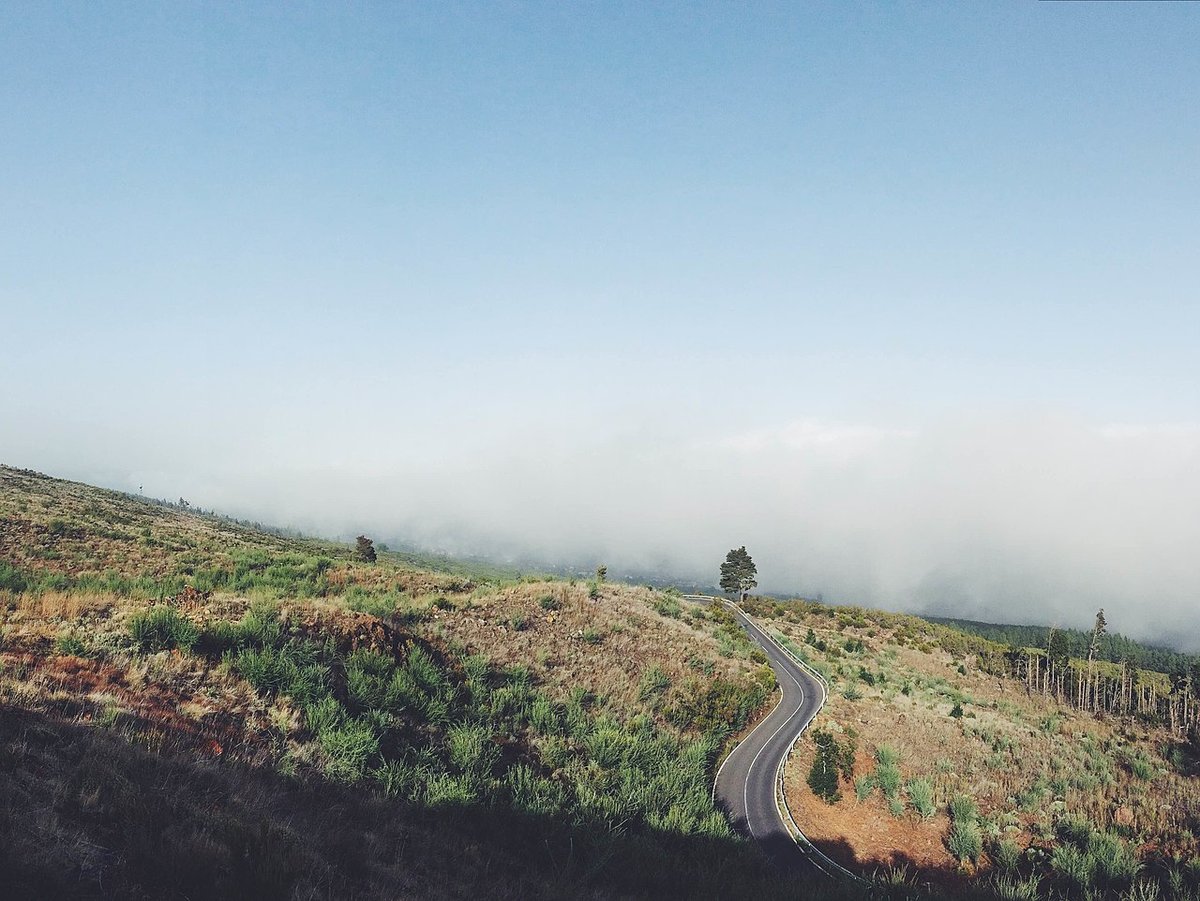
El municipio sube desde esta línea costera hacia el interior, en dirección al Teide. En pocos kilómetros, el paisaje cambia varias veces. Los cultivos dan paso a bosque húmedo de laurisilva, y más arriba, comienza el pinar. Esta variedad vertical explica buena parte del carácter del lugar.
El núcleo histórico se asienta sobre una plataforma volcánica frente al mar. Las calles bajan hacia el antiguo embarcadero con un trazado irregular, propio de los pueblos que crecieron poco a poco, sin un plan formal. Algunas casas conservan balcones de madera y corredores orientados al sur, para captar el sol en una costa a menudo cubierta por el mar de nubes.
La iglesia de San Juan Bautista preside el pueblo. El edificio actual es resultado de reformas hechas a lo largo de siglos, algo común en el norte de Tenerife, donde las construcciones han tenido que ajustarse a terremotos, temporales y ampliaciones. Su fachada de piedra, con aire renacentista, destaca en un entorno arquitectónico más acostumbrado a soluciones sencillas. Desde la plaza, la vista se abre limpia hacia la costa.
Oficios y memoria local
Durante gran parte del siglo XX, San Juan de la Rambla vivió de la agricultura, pequeños talleres y comercio local. Un oficio que los vecinos más mayores aún recuerdan es el de zapatero. Varios talleres funcionaron en las calles del casco, fabricando y reparando calzado sencillo para el trabajo agrícola. Nunca fue una industria a gran escala, pero formó parte visible de la vida diaria.
Estos oficios coexistían con el cultivo en la franja costera, sobre todo del plátano, que sigue dominando el paisaje. Las plantaciones ocupan casi cada espacio llano entre barrancos. Vistas desde arriba, forman una cuadrícula verde densa que llega casi al borde de los acantilados.
El casco histórico recibió protección administrativa en los años noventa. Esto ayudó a conservar elementos de arquitectura doméstica que podrían haber desaparecido: casas de una sola planta, patios interiores y muros de piedra volcánica. Estos rasgos contrastan con zonas más transformadas en otras partes de la isla.
Subiendo desde la costa
Aunque muchas visitas se centran en la zona costera, el municipio se extiende cuesta arriba. En una distancia corta, el terreno cultivado cede ante el bosque húmedo, seguido del pinar. Esta transición es clave para entender cómo funciona el paisaje.
El agua ha bajado tradicionalmente desde las medianías a través de canales y acequias que aún se usan. Estas redes hicieron posible la agricultura en un terreno quebrado y siguen marcando la apariencia de la zona.
Algunos senderos locales siguen estas viejas rutas del agua, conectando barrios dispersos dentro del municipio. No son rutas largas, pero dan una idea de cómo se movía la gente entre la costa y las zonas altas antes de que las carreteras simplificaran los trayectos.
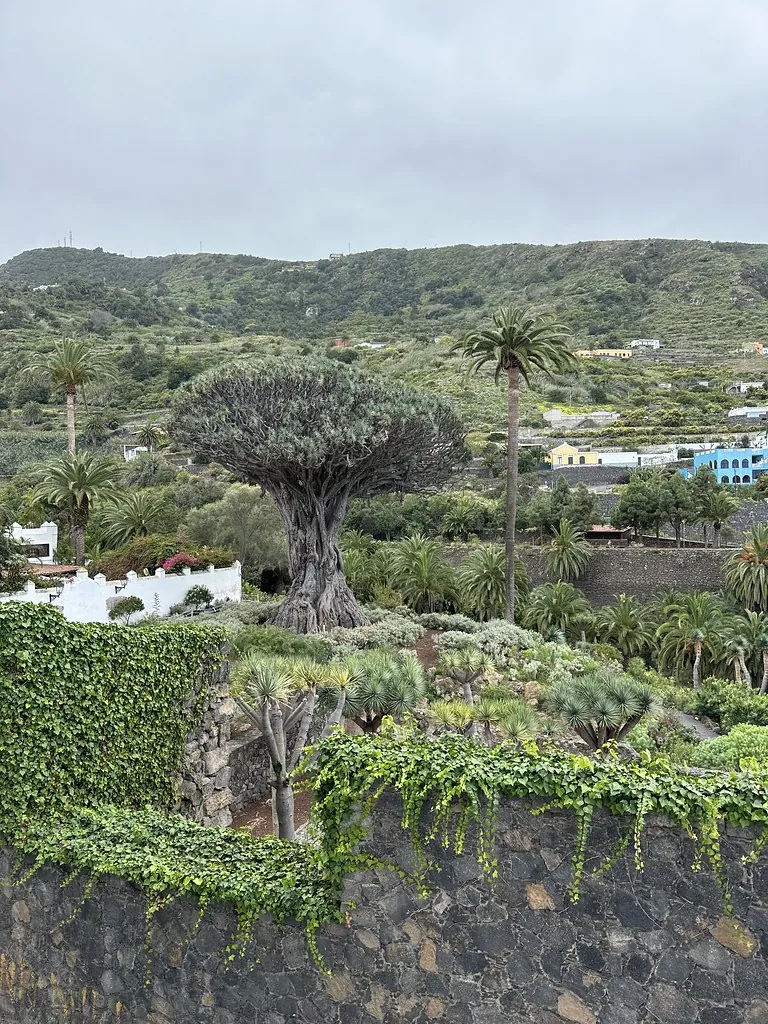
En el barrio de La Rambla, uno de los asentamientos más pequeños del municipio, destaca un drago que suele ser fotografiado. Es común ver a gente detenerse junto a la carretera para observarlo. Los dragos, tan ligados a la identidad de Tenerife, suelen aparecer en lugares donde antes hubo casas antiguas o pequeñas plazas.
El Charco de La Laja
A las afueras del pueblo, junto a la carretera, está el Charco de La Laja. Esta poza natural se formó por una colada volcánica que dejó una apertura al mar. Cuando la marea está tranquila, el agua entra y queda relativamente resguardada; el lugar se usa para bañarse desde hace décadas.
El acceso es sencillo, con una escalera que baja desde la carretera. Las condiciones, sin embargo, pueden cambiar rápido en esta parte de la costa norte. El mar se puede encrespar, y las olas pueden entrar en la poza con fuerza. Los vecinos suelen mirar el estado del agua antes de decidir bañarse.
Los fines de semana, familias del municipio pasan allí la mañana. Entre semana, el ambiente es más tranquilo.
Fiestas vinculadas al mar
Las principales celebraciones siguen patrones conocidos en muchos pueblos costeros canarios. A finales de junio tienen lugar las fiestas de San Juan, con hogueras en la costa y actos que bajan desde el casco hacia el mar.
En verano se celebra también la festividad de la Virgen del Carmen. Esta celebración tiene una vinculación fuerte con lo marinero. Cuando el tiempo lo permite, la imagen se sube a una embarcación y se recorre un tramo de costa, acompañada por otras barcas. Estos actos tienen un carácter principalmente vecinal, donde los residentes participan más activamente que los visitantes.
Cómo moverse por San Juan de la Rambla
San Juan de la Rambla está a menos de una hora en coche desde Santa Cruz de Tenerife por la TF-5. El acceso al casco histórico se hace a través de desvíos cortos desde esta vía principal, que bajan desde la carretera alta hacia la costa.
La disposición del municipio refleja su orografía. Moverse entre zonas implica a menudo cambios de altura, ya sea por carretera o a pie. Los caminos antiguos y las rutas nuevas muestran juntos cómo el pueblo se ha adaptado al terreno con el tiempo.