Full Article
about Arucas
Town noted for its striking dark-stone neo-Gothic church and rum distillery; ringed by banana groves and historic gardens.
Ocultar artículo Leer artículo completo
The bus from Las Palmas drops you beside a petrol station that smells of coffee and diesel. Walk fifty metres, turn the corner, and the façade of San Juan Bautista rears up in dove-grey stone, its spires throwing midday shadows across pastel houses. Arucas has no beach, no marina, no karaoke bars. What it does have is altitude—240 m above the Atlantic—and a main street that climbs so sharply locals call it “the calf-killer.”
Stone, Sugar and a Sudden Skyline
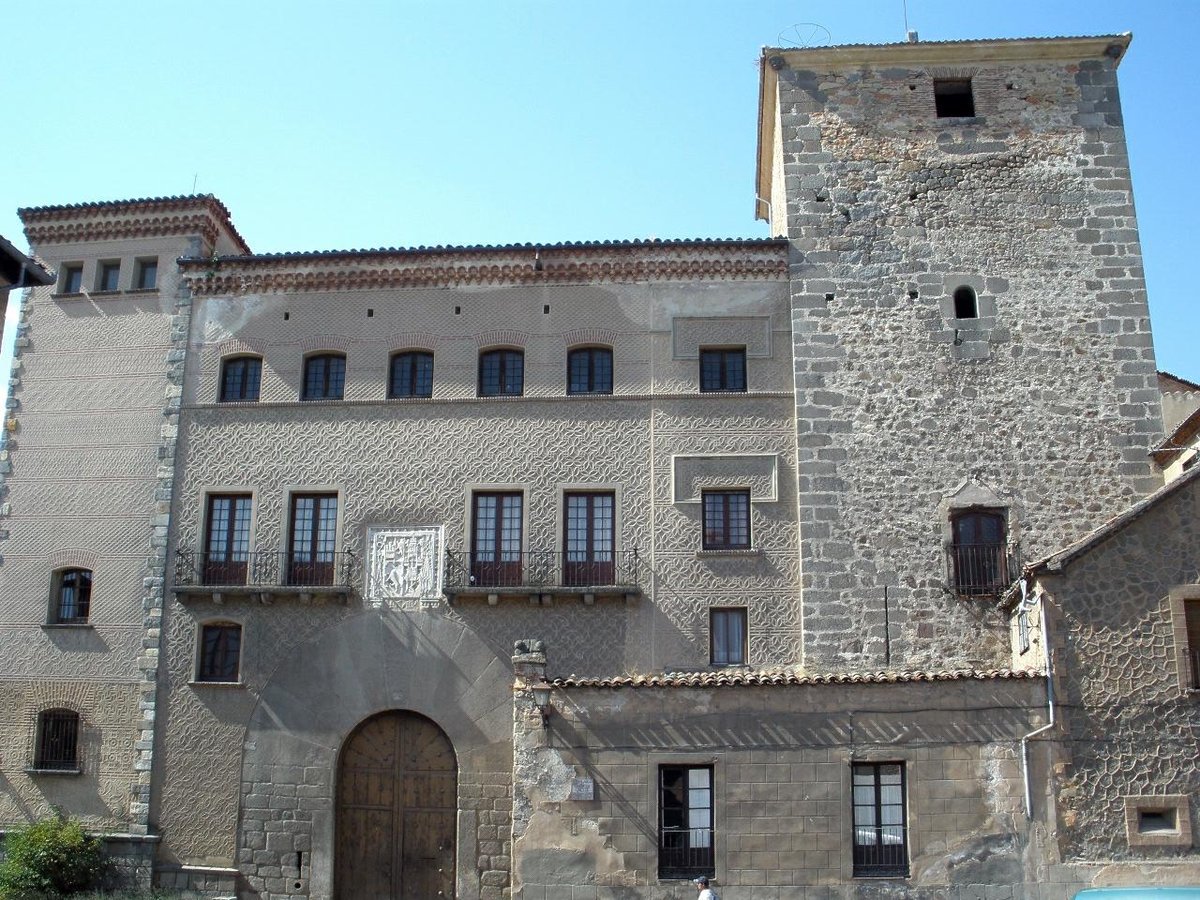
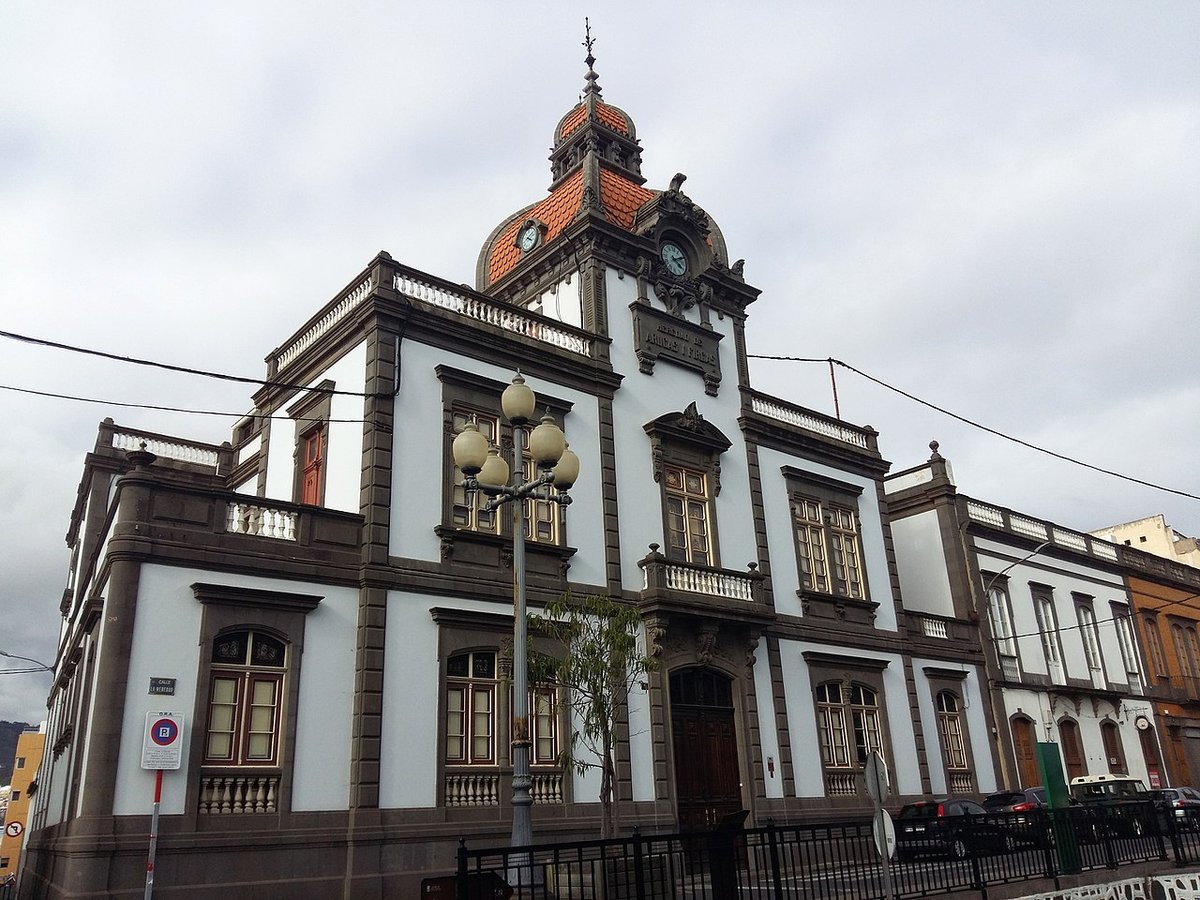
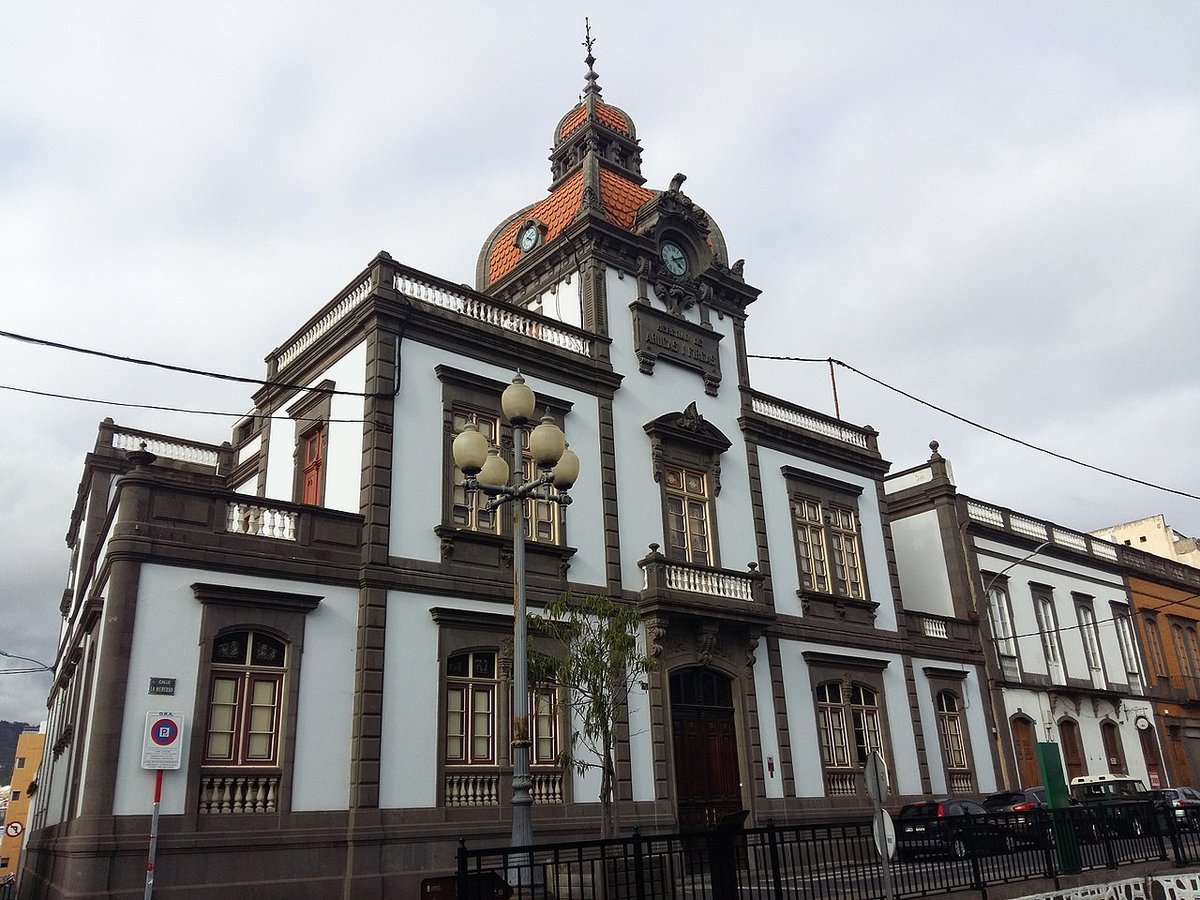
Most British visitors speed past on the GC-2 motorway, bound for the banana plantations of the north coast. Those who peel off at junction 17 find a town built on two booms: sugar in the 19th century, rum in the 20th. The cane fields are long gone, replaced by avocado terraces and weekend cottages, but the stone mansions they financed still line Calle Grande. Look for the double balconies of Casa Pérez de Vera, painted the colour of dried saffron, and the old Banco Hispano-Americano whose doorway is flanked by iron palms. None of it looks “typically Canarian” in the postcard sense; instead you get a mash-up of Cuban colonial and small-town Andalucía, all built from the local blue basalt that turns charcoal when it rains.
The cathedral—everyone calls it that, though technically it’s still a parish church—was started in 1909 and finished only in 1977. Inside, the nave feels wider than some English abbeys, but the electric candles and 1970s stained glass give the game away. Climb the tower (€3, cash only, 127 steps) and you can see Las Palmas glinting 18 km south, while the Trade Wind clouds spill over the mountain ridge like foam off a pint of lager.
A Rum Distillery that Smells Like Christmas
Arehucas, the oldest rum distillery in the Canaries, sits on the edge of town beside a roundabout shaped like a sugar cube. Tours run at 10:00, 11:30 and 13:00 on weekdays; arrive early because the car park doubles as the Saturday market and spaces vanish fast. The guide—usually a retired distillery worker in a navy boilersuit—walks you past 200-year-old copper stills and a warehouse where 4,000 American-oak barrels exhale notes of vanilla and burnt raisin. The tasting room offers three versions: the standard honey rum (dangerously easy), a 12-year-old sipper that could pass for middling Cuban, and a coffee liqueur that tastes like alcoholic Bournville. Bottles cost €7–30, half UK duty-free prices, and they’ll wrap them in bubble-wrap for the flight home.
Lunch options are refreshingly free of fish-and-chip concessions. Tasca Jamón Jamón does a sharing plate of soft goat’s cheese, chorizo that isn’t throat-burningly spicy, and bread rolls that arrive hot. If you need something greener, the Marquesa garden—five minutes uphill—has 2,000 plant species crammed into two hectares of volcanic terraces. Giant strelitzias lean over the path like banana-loving flamingos, and there’s a café that serves proper leaf tea (a rarity this far south) under a 200-year-old dragon tree.
Cobbles, Calves and Cloud Forests
Arucas is not flat. The old town is essentially a lava slope polished smooth by centuries of leather soles. Wear trainers; flip-flops will have you surfing downhill on your coccyx. Start at the church, zig-zag up Calle La Alameda past the 16th-century hermitage, and keep going until the houses run out. The tarmac becomes a concrete farm track that switchbacks through abandoned terraces of sweet potato and sorghum. After 45 minutes you reach the Montaña de Arucas viewpoint (560 m) where the whole north coast unrolls like a OS map: banana fincas, wind turbines, and the tiny black crescent of El Puertillo beach 8 km below. On clear days you can spot Tenerife’s Pico Teide poking up 80 km west. The descent is knee-jarring; reward yourself with a lemon slush spiked with honey rum at the kiosk beside the church.
If that sounds too punitive, there’s a gentler loop signposted “Ruta de los Molinos” that trundles past two ruined watermills and a stone channel still fed by mountain springs. It’s 4 km, mostly level, and you meet more locals than tourists—elderly men gathering wild fennel, kids on bikes with no brakes. Either way, carry a light jacket; the Trade Wind can flip a sunny 24 °C morning into 16 °C mist within half an hour.
When to Come, When to Avoid
Tuesday to Friday, 09:00–14:00, Arucas belongs to its own people. Market stalls set up in Plaza de la Constitución: Canarian potatoes dusted with volcanic salt, bunches of coriander the size of bouquets, and misshapen avocados that cost 80¢ each. By 14:30 the shutters slam down for siesta and the town goes library-quiet; plan to be inside the distillery or tucking into grilled sirloin at Casa Brito when that happens.
Sundays double the population. Families pour in from Las Palmas for the 11:00 Mass, the queue for honey rum snakes round the distillery gate, and every bar table is pre-booked for roast suckling pig. If you hate crowds, treat Sunday as a photo stop only—arrive before 09:30, admire the cathedral façade lit by low eastern light, then escape to the mountain track before the coach parties block the lanes.
Public holidays that revolve around the Christ of Arucas (mid-September) and San Juan (24 June) turn streets into open-air dance floors. Accommodation within the town is limited to two small hotels; most visitors base themselves in Las Palmas and hop in on the blue Global bus—€2.10 each way, 45 minutes, and the driver will happily shout your stop if you sit near the front and look foreign.
The Honest Verdict
Arucas won’t give you golden sand or nightlife. What it offers instead is a living, working town where you can drink rum at 10 a.m. without anyone judging, climb a volcano before lunch, and still be back on the city beach for a sunset swim. Go for the architecture and stay for the altitude-induced clarity: on a good day the air feels washed, the cathedral stone glows like wet slate, and the Atlantic appears close enough to skim a stone into. Just don’t wear flip-flops.