Full Article
about Firgas
Known as the town of water; its highlights are walkways with cascading fountains and mosaics depicting the islands.
Hide article Read full article
A village shaped by rain
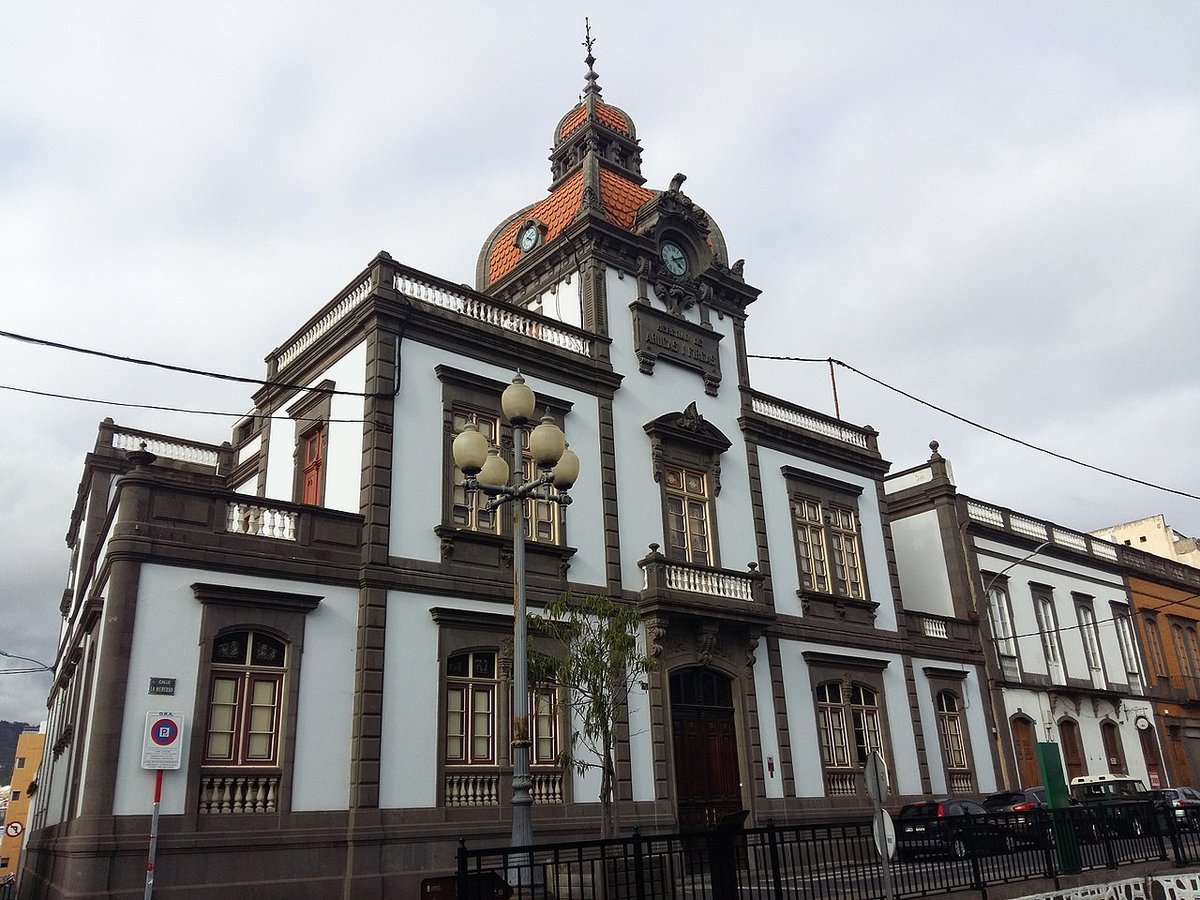
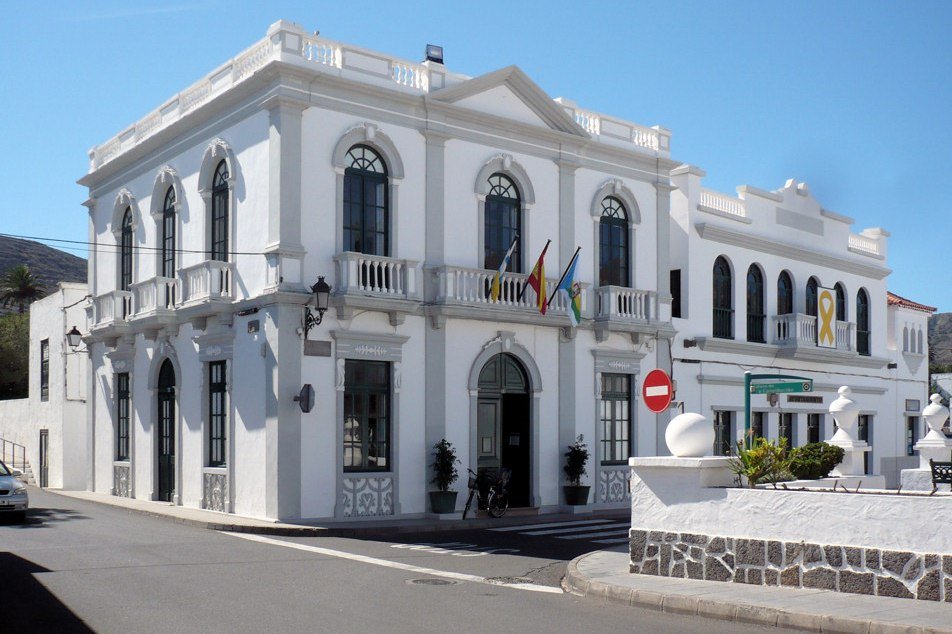
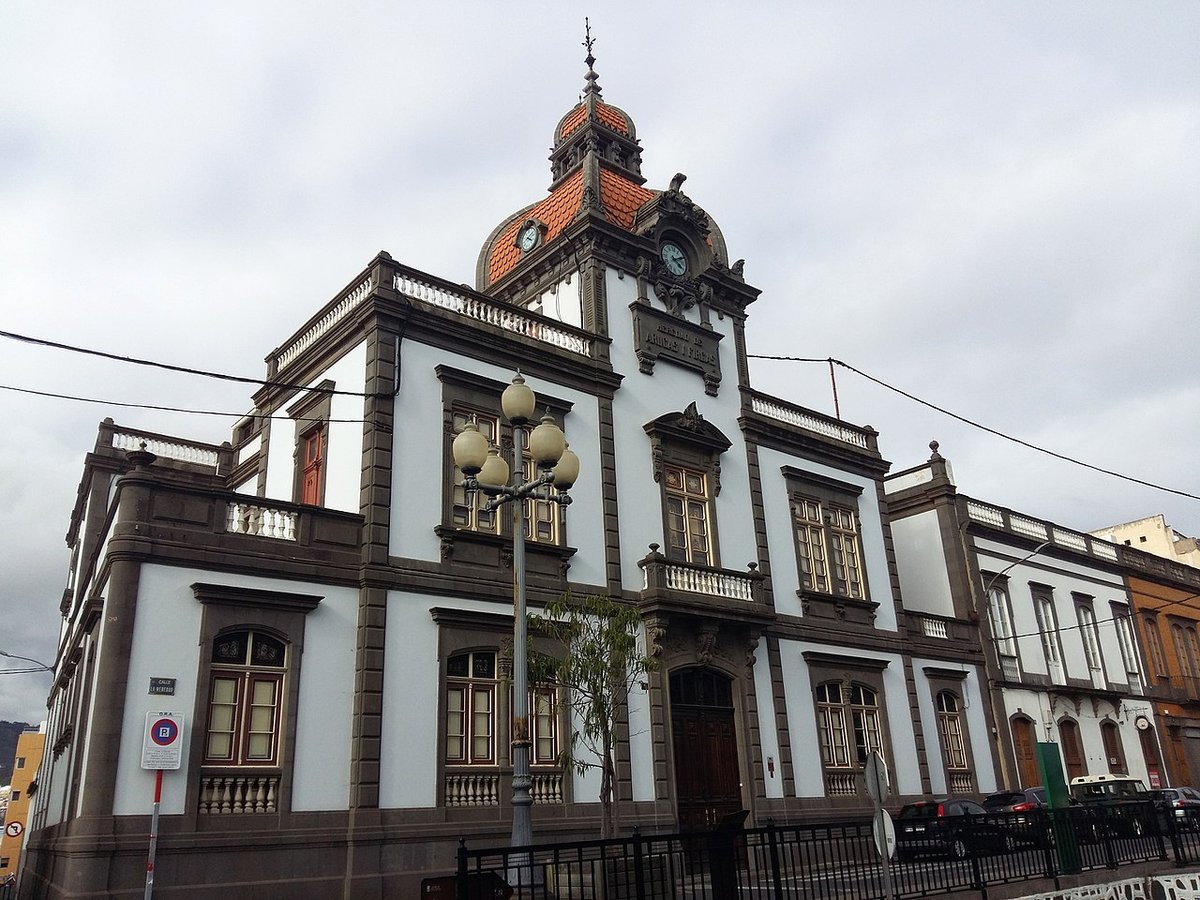
It started with rain. Not the quick burst Gran Canaria is known for, the kind that disappears in minutes, but a steady drizzle that seeps in slowly. The sort that doesn’t make much noise yet leaves everything damp. A short trip up from Las Palmas had been planned for a coffee and a photo of the Paseo de Gran Canaria. Instead, it turned into a wait under the town hall entrance, sharing shelter with a man selling berros, watercress, from the barrancos in a wicker basket.
“In Firgas it rains more than in London,” he said. It was unclear whether that was a joke or a warning. Either way, it points to something essential. To understand tourism in Firgas, it helps to start with water. Here, it sets the tone.
Born from a spring
Firgas is small, around 15 square kilometres, with no beach and no airport. Yet across Gran Canaria, its name is widely recognised thanks to its bottled water. The plant has been producing thousands of bottles a day for decades. That alone explains quite a lot about the place.
The pre-Hispanic name, Afurgad, is often linked to galleries or sources of mineral water. That connection still feels present. In the town centre, everything seems to revolve around it: acequias, irrigation channels, and a constant slope that keeps water moving downhill.
The centre itself can be covered quickly, though it rewards a slower look. There is the gofio mill, which claims to be the oldest in the Canary Islands still in operation. Gofio, a toasted grain flour, has long been a staple in Canarian cooking. Nearby stands the church of San Roque. The current building dates from the 20th century, relatively recent by local standards, after earlier structures ran into problems.
Then there is the Paseo de Gran Canaria. This is what draws most visitors: a stepped walkway with an artificial waterfall of about 30 metres and the coats of arms of the island’s municipalities set along the wall. Water runs continuously, creating the impression of a small urban cascade.
It is an unusual place, in a good way. Part civic tribute, part flowing water, part photo stop where visitors gather as if in front of a natural waterfall.
The path most people miss
Most visits follow a predictable pattern. Arrive, park near the paseo, take a few photos, and leave. Yet the more interesting side of Firgas often begins just above the centre, along paths that follow the acequias.
One of the best-known routes traces the San Juan channel. It is a dirt path that winds through damp vegetation, with large ferns and the distinct smell of wet earth that appears in the north of Gran Canaria when the weather shifts. At times, it is easy to forget that the island’s capital is only half an hour away.
Continuing along this route can eventually lead down towards the barranco de Azuaje. There, the remains of an old spa still stand. For years, it was well known for its waters. Today, the building is closed and visibly worn by time. Even so, the surroundings retain a certain pull: water moving through the ravine, small pools among the rocks, and a sense of depth that feels greater than what maps suggest.
It is not a demanding walk, though a bit of preparation helps. There are no kiosks and no frequent signposts. The pace is slower, shaped by the terrain and the quiet presence of water.
Food without much fuss
Firgas does not revolve around restaurants in the way some other parts of the island do. Food here feels more closely tied to what is produced nearby.
The gofio from the mill is still made fresh on some days. Around the village, especially towards the end of the week, small stalls appear with local products. Goat’s cheese from the area, bunches of berros gathered from the ravines, and other items that come straight from the surrounding land.
One cheese seller summed it up simply: arrive early, because once it is gone, it is gone. There is no elaborate system behind it. Availability depends on what has been made or harvested.
When Firgas fills up
Around the feast of San Roque, in mid-August, the atmosphere shifts. The town becomes busier, and celebrations take over the streets. Among the events is the bajada del palo, where locals carry a large tree trunk down from the hills into the town centre. It unfolds with music, food and a lively crowd.
It is not something designed for visitors. It is something you come across if you happen to be there at the right time. On that day, the narrow streets fill quickly. Anyone arriving by car tends to leave it further up and continue on foot.
Is Firgas worth the stop?
Firgas does not make an immediate visual impact in the way some Canary Islands villages do. There is no vast historic centre or a grand square that defines it. At times, it feels less like a place arranged for visitors and more like a working town that carries on regardless.
That is part of its appeal. The mill continues to grind. Water keeps running through the acequias. The barrancos fill with berros when there is enough moisture.
It is the kind of place that might seem covered in half an hour. Then something shifts. Small details begin to stand out. A conversation about why some people now call Pico de Osorio by the name Pico El Rayo. People crossing the square with bags of vegetables from the countryside.
Firgas moves at its own pace: calm, practical, and not especially concerned with appearances. And sometimes, that is exactly what makes it worth lingering a little longer.