Full Article
about Gáldar
Former pre-Hispanic capital of the island; it holds one of the archipelago’s key archaeological sites and a stately old quarter.
Hide article Read full article
A town that wakes up loud
At eight on a Thursday morning, the centre of Gáldar smells of freshly baked bread and a very real racket. The market, one of the oldest in Gran Canaria with roots in the 17th century, spreads across the square and into two side streets. Crates of onions thump down from a lorry with a clatter that feels almost musical. That noise is the town’s soundtrack on market day, a place that was capital before Las Palmas and still refuses to do things quietly when the stalls are out.
A historic centre that ignores the clock
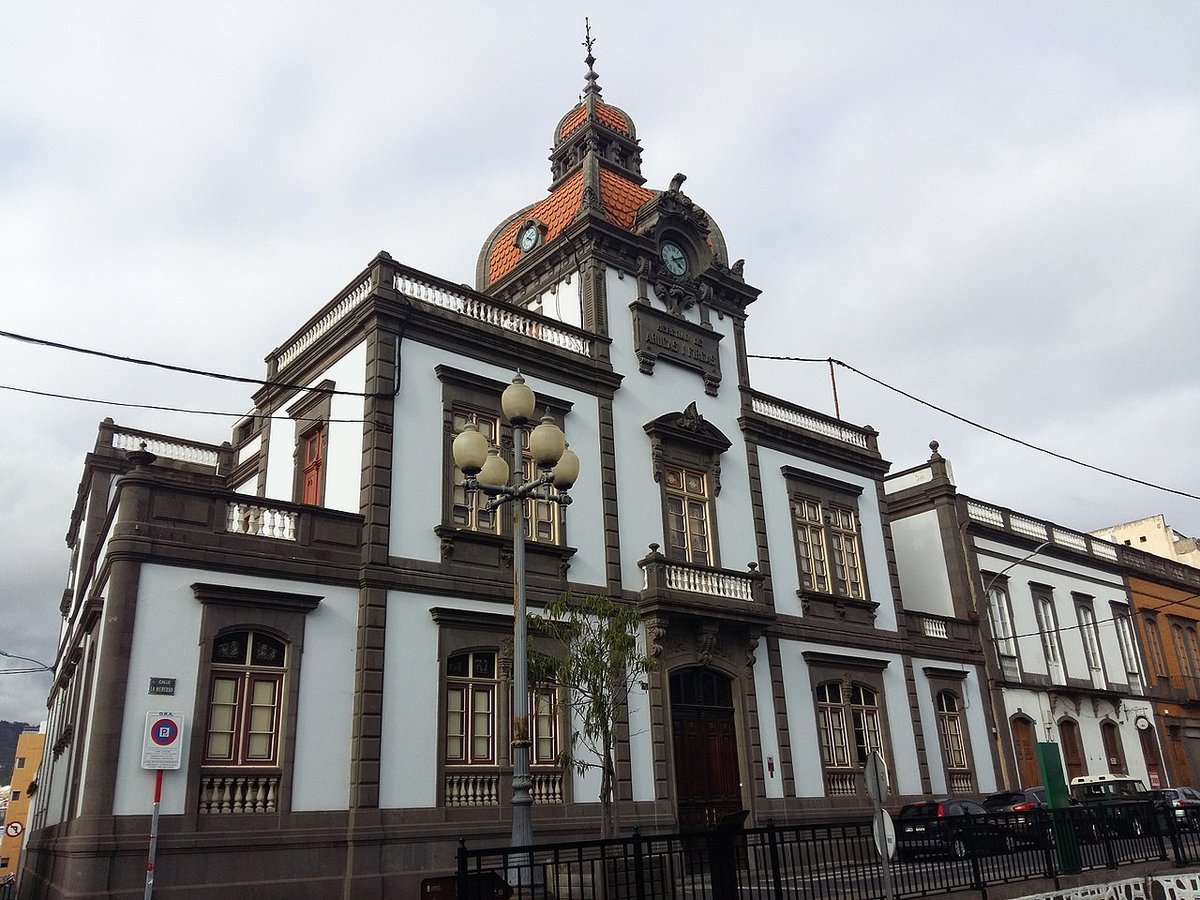
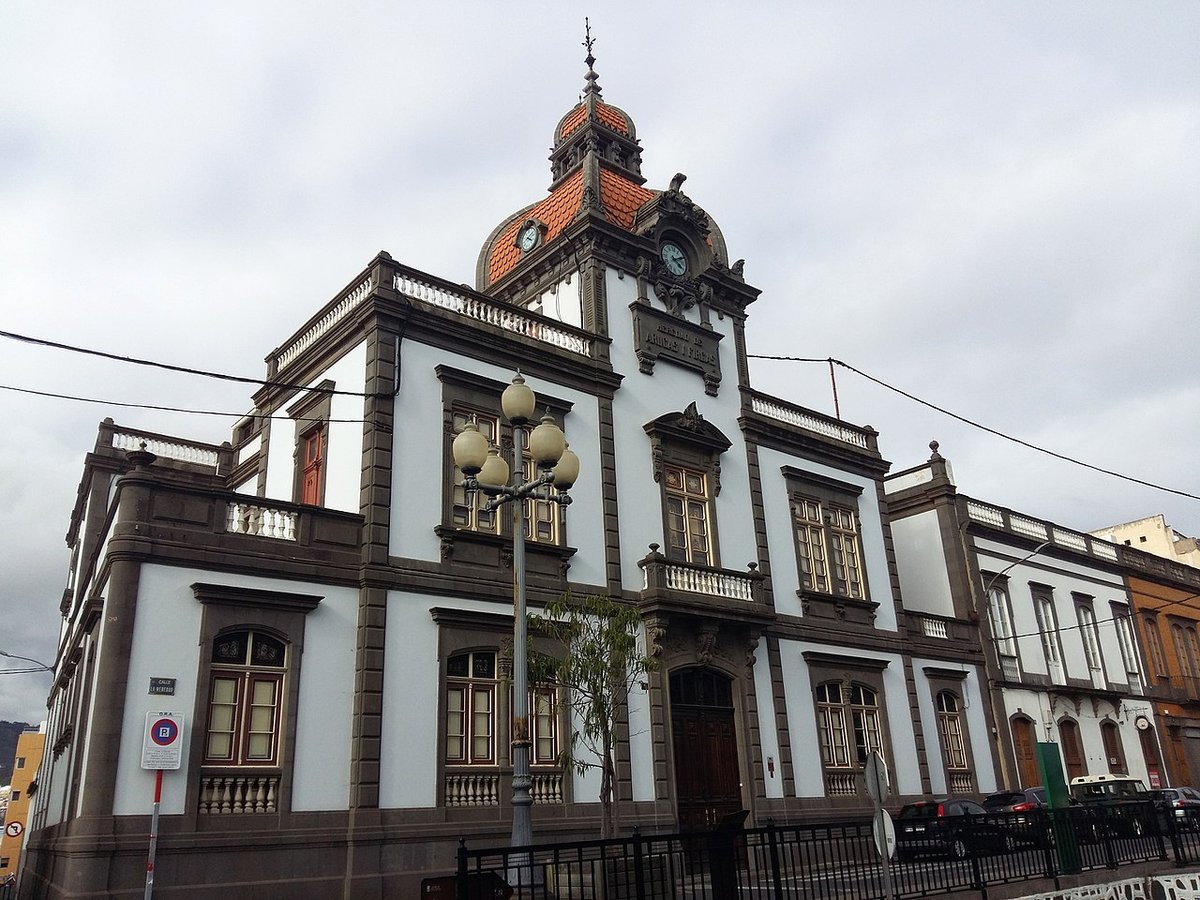
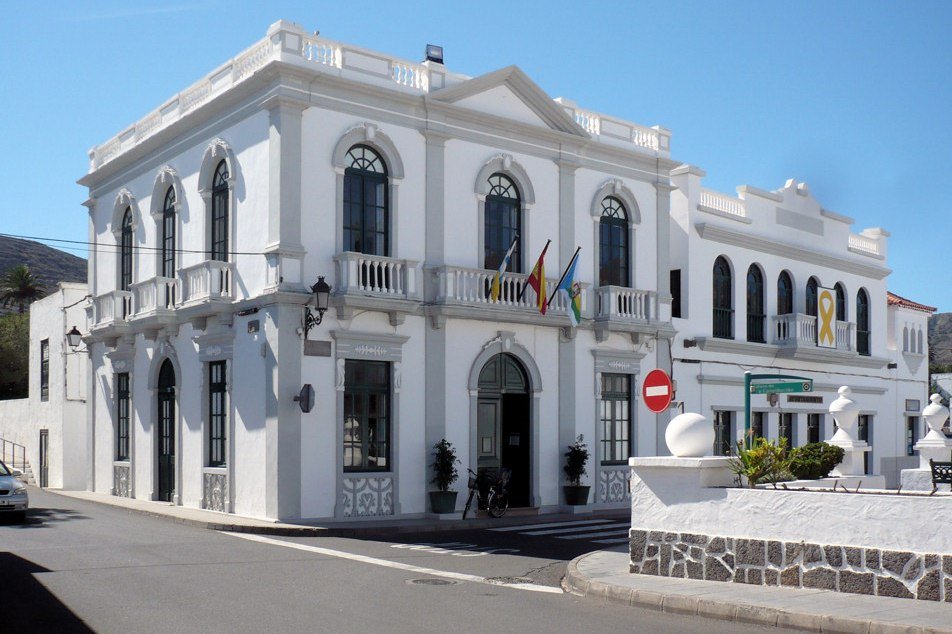
Start in Plaza de Santiago. Time moves differently here. The town hall, built in the 18th century, the theatre that arrived well into the 20th, and a drago tree that has stood in the square for more than three hundred years all share the same patient gaze. Generations have stood here taking the same photograph, and the scene barely shifts.
The key is to look just beyond the obvious. Behind the yellow façade of the town hall there is an inner courtyard with the smell of volcanic stone and old paper. Here sits the Pila Verde, a baptismal font linked to Tenesor Semidán, the guanarteme who was later baptised as Fernando after agreements with the conquerors. It is an unexpected encounter, the kind that suddenly turns distant history into something tangible.
A short walk away, about three minutes on foot, leads to the Cueva Pintada. The name might sound like a school trip, but the site carries weight. It is one of the most important archaeological sites in the Canary Islands. Its walls are covered in geometric patterns in red, white and black, almost like a pre-Hispanic puzzle set into stone. Visits are guided and unhurried, which suits the place. Inside, the temperature is noticeably kinder than the heat that often builds outside.
The crater that isn’t for eating
For a longer walk, head out of the centre and climb towards the Caldera de los Pinos. By car it is a steady ascent over several kilometres, ending in a landscape that feels removed from the coast: Canary Island pine forest, quiet paths, and the rim of an ancient volcanic crater.
The circular route is roughly eight kilometres. Some of the pines are old and thick-trunked, with a solidity that makes them look almost architectural. From higher points, the Atlantic appears as a flat blue sheet, while Gáldar sits far below, reduced to something like a model town.
The descent via Barranco Hondo de Abajo brings a gradual return to everyday life. Houses are carved into the rock, chickens cross the path without hurry, and small ethnographic museums appear inside former caves. It is not unusual to hear local accounts of how grain was roasted to make gofio before the area became something people photograph. These fragments of memory sit easily alongside the landscape.
When onions taste sweet
Back in town, the air often carries the smell of toasted cheese. Gáldar cheese, made mainly from sheep’s milk, is well regarded on the island. At the market or at local producer stalls, tastings tend to happen informally. A piece is cut, it is tried, and the appeal becomes clear very quickly.
The other local star is the sweet onion. It is not the kind that brings tears when sliced. This one is mild, with a softness that makes it easy to eat almost raw without any harshness. In some neighbourhoods of the municipality, harvest season brings small festivals centred on cheese and onions, with competitions, music and plenty of locals spending the afternoon together.
Sardina, where the afternoon stretches
Puerto de Sardina feels like a village within the village. It is a short drive from the centre. The road drops suddenly and opens onto a small bay of dark sand and very clear water.
There is no long promenade lined with terraces or neat rows of sun loungers. People sit along the harbour wall, talk, watch the sea, and let the afternoon pass. From time to time someone arrives with food to share, and the plan extends without anyone paying much attention to the clock.
In summer, the atmosphere is lively and mostly local. Some seafaring celebrations bring religious images out in procession across the water. The scenes look spontaneous, but they have been repeated for decades.
A few practical notes
- The market takes place on Thursday mornings. It is at its liveliest early on, then gradually winds down as the day goes on.
- The Cueva Pintada usually closes one day a week, often Monday, so it is worth checking ahead. Queues can form in busier periods.
- If arriving by car, it is easier to park on the avenues around the centre and walk in. Streets in the historic core are narrow, and parking can be a challenge.
Gáldar is not a backdrop. It was the island’s capital before Las Palmas as it is known today, and it still draws its life from the land and the sea. That mix of very old history and everyday routines continues without much need for display.