Full Article
about Moya
Rural town, birthplace of poet Tomás Morales; home to one of the island’s last laurel forests.
Ocultar artículo Leer artículo completo
The morning bus from Las Palmas wheezes up the GC-2, past banana plantations that look almost translucent in the Atlantic mist. Forty kilometres later, the road narrows, tilts, and suddenly Moya appears—not with a flourish, but with the quiet confidence of somewhere that knows exactly what it is. At 490 metres above sea level, the air carries a bite that surprises anyone expecting year-round Canarian warmth. This is the island's north face, where weather still matters and locals check the sky before their phones.
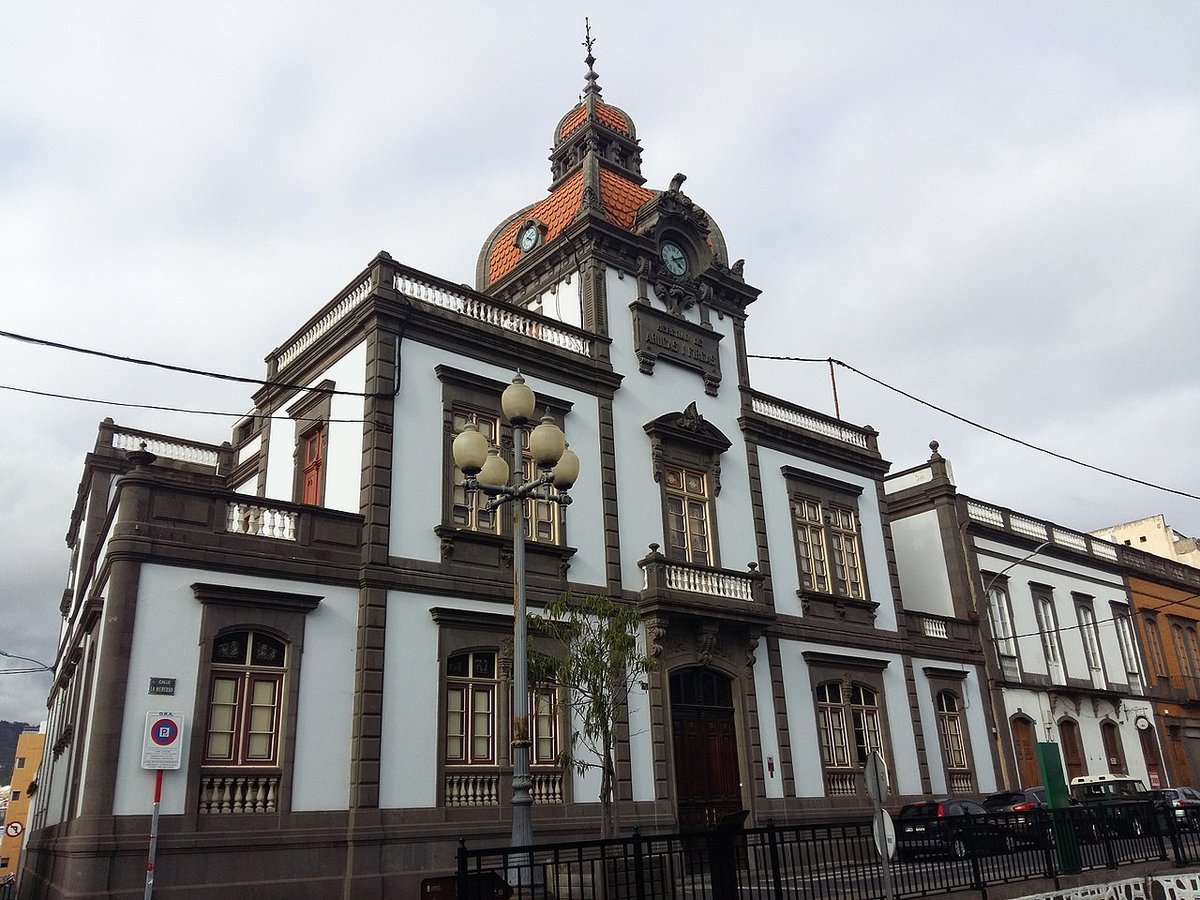
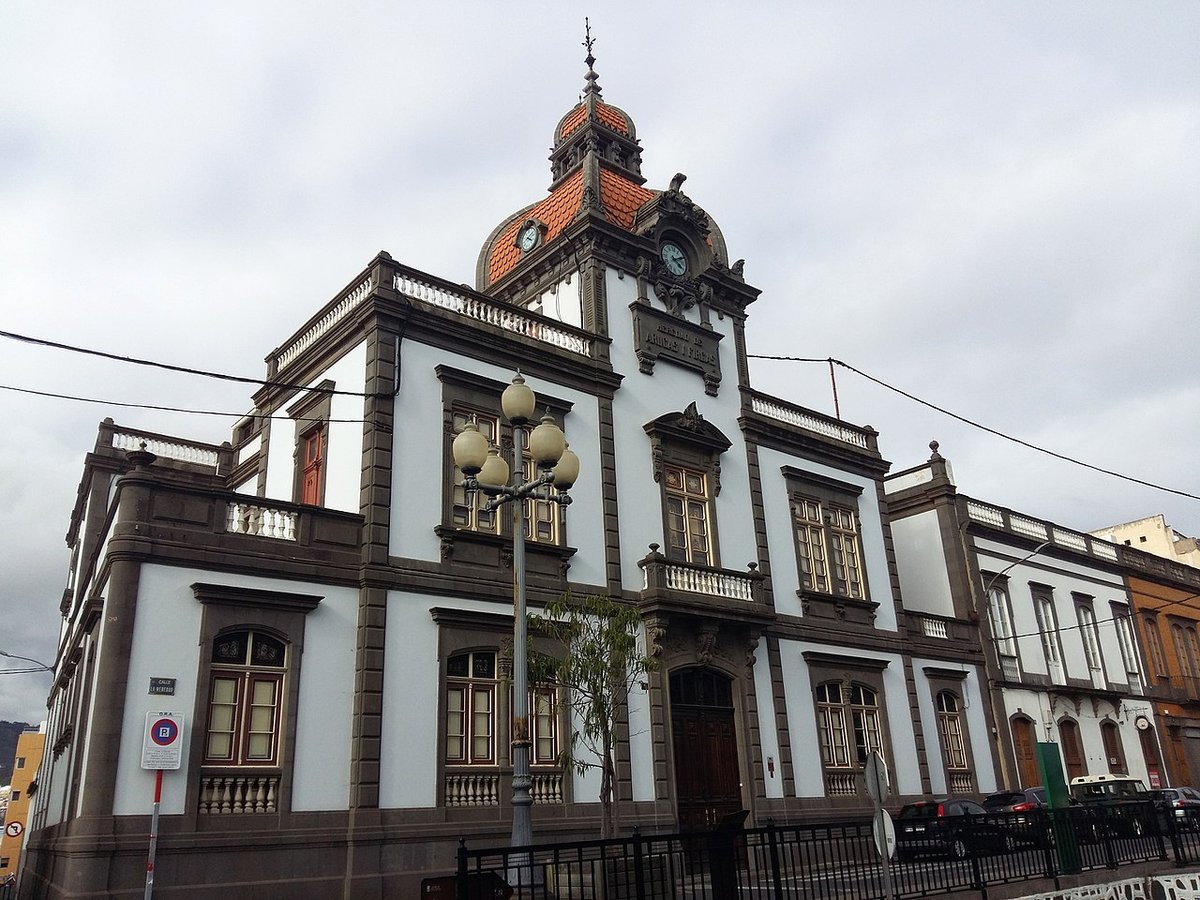
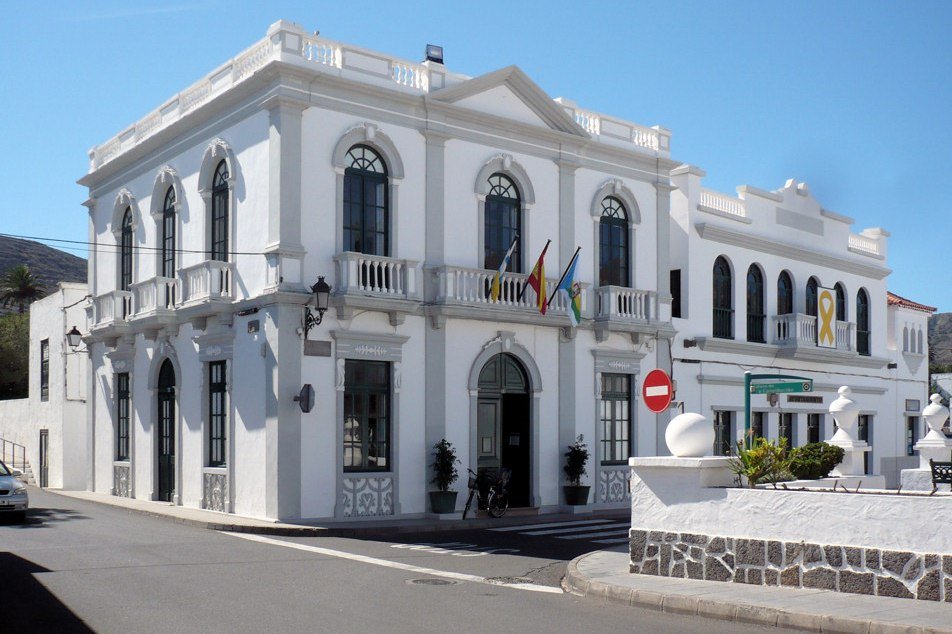
Moya's historic quarter spills down a ridge so steep that wooden balconies practically shake hands across the lane. The Church of Nuestra Señora de la Candelaria squats at the top, its 1950s facade more functional than baroque. Inside, the atmosphere is sober Canarian rather than Catholic bling—whitewashed walls, simple pews, and the faint scent of beeswax from candles that actually get used. Sunday morning service still draws a decent crowd; visitors arriving mid-hymn will be waved to a seat with the sort of practical kindness that makes you feel local within minutes.
The poet Tomás Morales was born here in 1884, and his childhood home now operates as a one-room museum (€2, cash only, closed Mondays). It won't change your life, but the interior patio—warmed by reflected sun and surrounded by geraniums—provides the perfect spot to scoff bizcochos de Moya. These sugar-dusted sponge fingers are the village's edible claim to fame; dry enough to survive a flight home in hand luggage, they dissolve into buttery sweetness when dipped in coffee. Buy them from the bakery opposite the church, where they'll be slid into a paper bag still warm.
Green Walls and Black Sand
Behind the village, the Barranco de Moya cuts a V-shaped gash towards the coast. The walking path starts fifty metres past the petrol station—look for the green-painted metal gate that everyone forgets to close. Within five minutes you're under laurisilva canopy, ferns brushing your ankles and moisture beading on everything. This isn't rainforest glamour; it's damp, muddy and occasionally slippery enough to demand proper footwear. The trail follows an old irrigation channel past abandoned terraces where someone once grew potatoes and dreams in equal measure. Allow forty-five minutes to reach the viewpoint, where the Atlantic appears through a frame of bracken like a sudden revelation.
The coast itself lies twelve kilometres away via switchback lanes that test both clutch control and nerve. Charco de la Mareta sits at the bottom—a natural rock pool protected from the worst Atlantic tantrums. On calm days it's a glassy rectangle big enough for serious swimming; when the swell arrives, waves explode over the outer wall and the whole area becomes a spectator sport. Locals know to check the sea forecast before bringing towels. There's no cafe, no changing rooms, just rock, water and the sort of horizon that makes you remember how small islands really are.
Cheese, Clouds and Continuing Traditions
Fontanales, scattered across the upper slopes, feels like Moya's country cousin. Stone houses sit in individual clearings, each with its patch of vegetables and view towards the iron-grey sea. The cheese cooperative here produces queso de flor—mild, creamy stuff wrapped in dried flower leaves that gives a subtle herbal note. A fiver buys a wedge the size of a paperback, plus the farmer's opinion on everything from Brexit to banana prices. Sunday mornings see a pop-up market in Moya's main square where you can sample before committing; the goat croquettes taste reassuringly like normal ham ones, making them an easy introduction for cautious palates.
Winter brings different challenges. Cloud banks roll in from October through March, dropping visibility to thirty metres and moisture onto every surface. The village doesn't close—this isn't a tourist resort—but some restaurants reduce hours and the bus timetable thins out. Bring a waterproof and expectations adjusted for grey-sky photography. Conversely, summer up here feels like discovering air-conditioning that nature forgot to patent. When southern beaches hit thirty-five degrees, Moya sits pretty at twenty-four, cooled by trade winds that keep mosquitoes away and locals sane.
Getting Horizontal
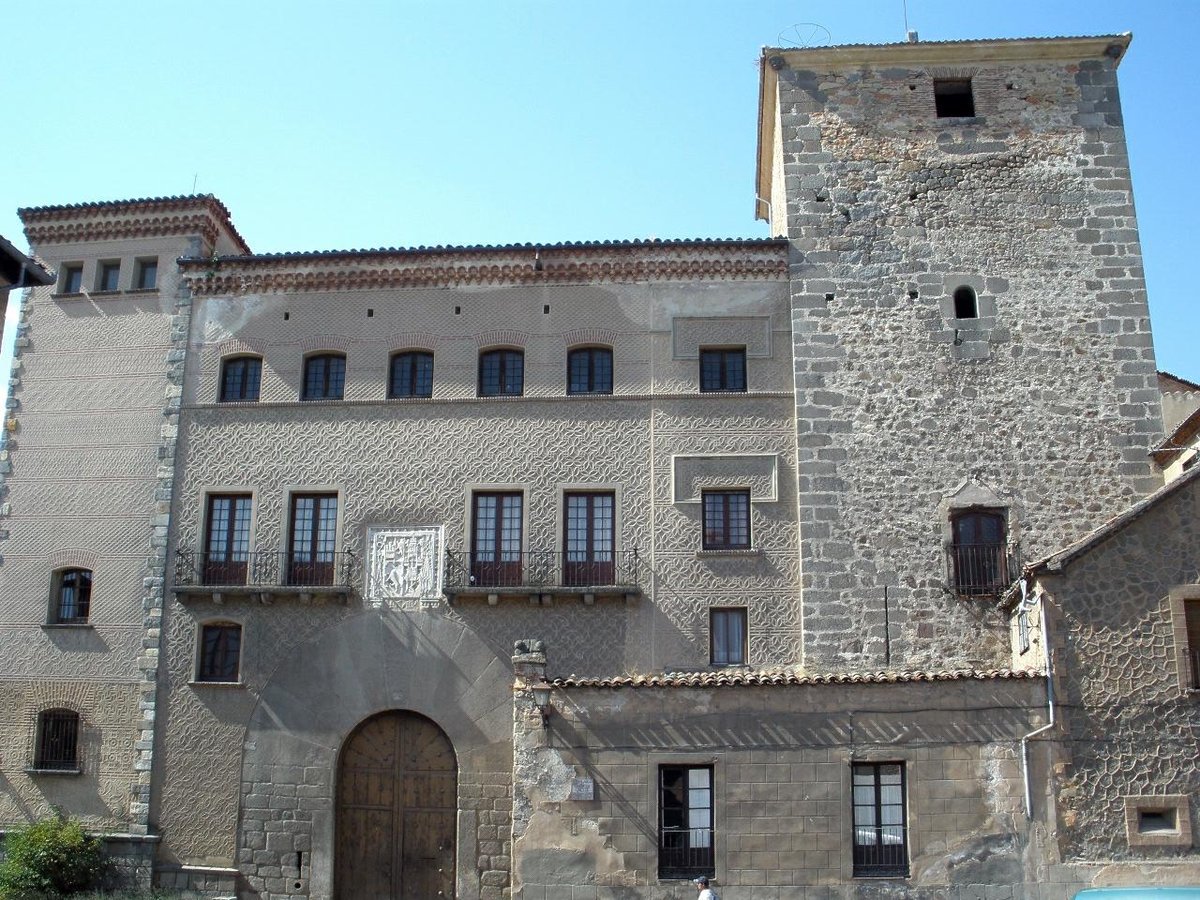
Accommodation options are limited but adequate. The restored manor house on Calle Tomás Morales offers four rooms with breakfast included (€65-80 depending on season). Book ahead; there's no chain hotel backup plan. The village wakes early—roosters don't respect lie-ins—and by eight thirty the bakery queue stretches onto the pavement. Evening entertainment centres on Bar Central, where football plays on a muted television and teenagers attempt to look worldly while drinking coke. Order a cortado and you'll fit right in; ask for decaf oat milk flat white and you'll break the spell.
Transport requires planning. Global bus 116 runs hourly from Las Palmas' San Telmo station (€2.95 exact change, fifty minutes). Sit on the right for banana-field views, left for ravine drama. Services stop around nine pm, so dinner-and-drinks combinations need a designated driver or overnight stay. Car hire opens up the coastal road to Agaete's natural pools and the pre-Hispanic necropolis at Maipés, but remember: Google Maps underestimates driving times on these bends by approximately twenty percent.
Leaving the Ridge
Moya won't suit everyone. Shoppers will be disappointed—beyond pharmacy, bakery and hardware store, retail therapy means choosing between two brands of tinned tomatoes. Nightlife finishes by midnight unless someone's birthday extends closing time. Mobile signal drops to one bar in the barranco, forcing actual conversation rather than Instagram updates. Yet for travellers seeking the anti-Maspalomas experience, where Canarians outnumber tourists and the landscape dictates daily rhythms, this ridge-top settlement delivers without pretence. Come with decent shoes, cash for cheese, and enough time to let the clouds decide your schedule. The bus back down departs hourly, but you'll probably miss the first one—someone will be showing you the proper way to dunk a bizcocho, and schedules seem less important suddenly.