Full Article
about Teguise
Former capital of Lanzarote; large municipality that includes La Graciosa; known for its market and colonial architecture
Hide article Read full article
A Sunday that starts before the island wakes
Early on Sunday, while Arrecife is still quiet, Teguise is already stirring. There is a faint smell of coffee and leather as the first market stalls are set up in Plaza de la Constitución, the same square where official announcements were read out for centuries. By mid-morning, the stone streets fill with visitors looking for crafts and with locals buying cheese or stopping to chat.
Go earlier and the mood is different. The light is still low, the white houses seem taller than they are, and the pace is slow. At that hour it becomes easier to understand why Teguise served as the political centre of Lanzarote for so long.
A town shaped by wind and distance
Teguise stands where the wind allows it. At around 240 metres above sea level, on relatively flat ground in the north of the island’s interior, Castilian conquerors founded the town in the 15th century. The choice was deliberate. From here, it was possible to control the routes that crossed Lanzarote, while staying at a safer distance from the coast, which was more exposed to attacks.
The volcanic landscape defines the place. Dark stone appears in walls and paving, and the streets are narrow. This was not just a matter of shade, but also protection from the north-east trade winds that rarely let up.
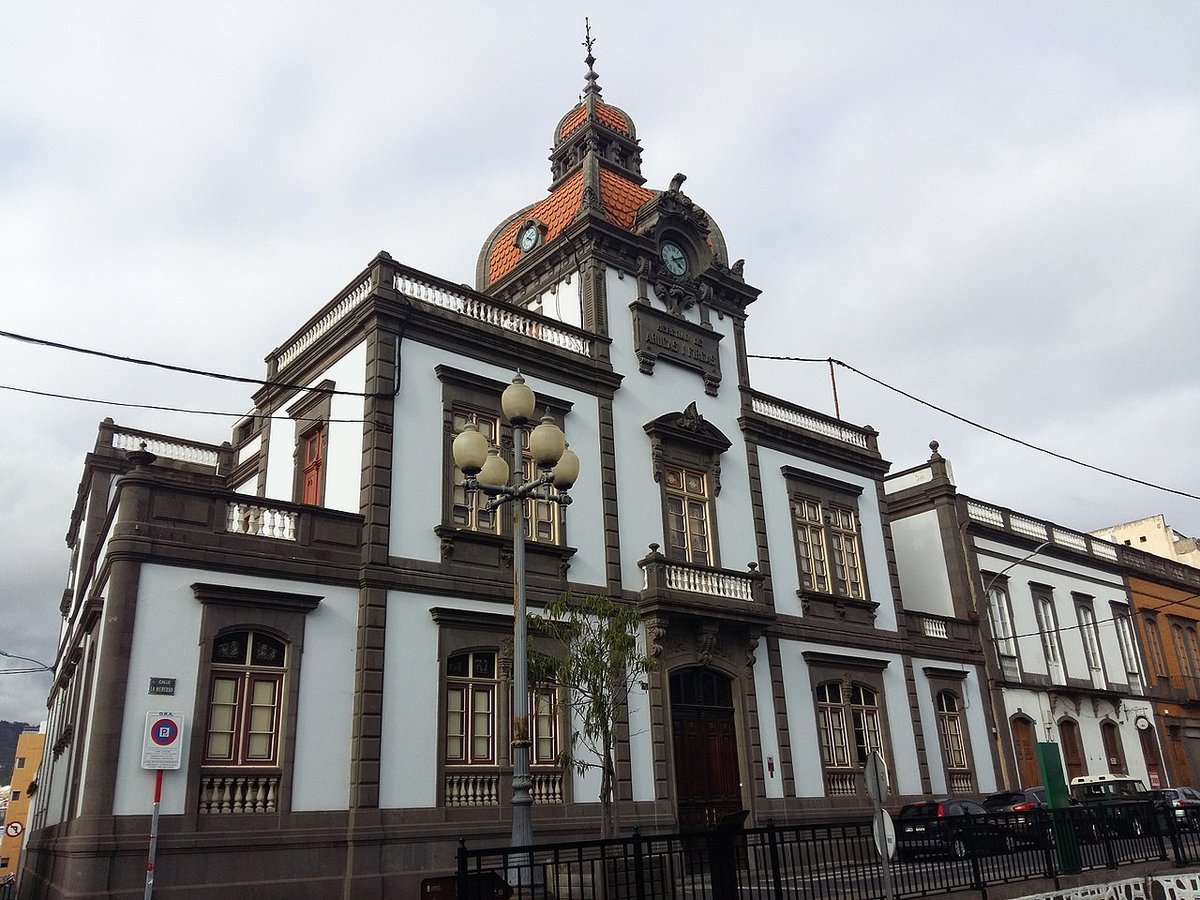
Teguise remained the capital until the mid-19th century. Over time, Arrecife, with its port and growing commercial activity, took over administrative functions. Even so, the historic centre still reflects that earlier role. There are 18th-century manor houses, a street layout that follows a certain order, and the church of Nuestra Señora de Guadalupe.
The current church dates from later reconstructions, though there had already been a hermitage on the same site in the early years after the conquest. Its importance lies less in its architecture and more in its role in local life. It houses the image of the town’s patron saint, which traditionally leaves the church in procession each September.
The castle on Guanapay volcano
Around two kilometres from the town centre, the Guanapay volcano rises above the plain where Teguise sits. At its summit stands the Castillo de Santa Bárbara, a 16th-century fort built at a time when attacks by North African corsairs were a constant threat in the eastern Canary Islands.
The castle itself is relatively small, fitted to the edge of the crater, but its position explains everything. From the top, the logic of the settlement becomes clear. The island’s interior stretches out to the south, with volcanic fields and scattered villages. It was both a lookout point and a place of refuge.
Stories of pirate attacks remain part of local memory. One of the most often mentioned is a raid at the end of the 16th century in which the town was burned. Events like this help explain why people chose to live inland, away from the fast landings that made coastal areas vulnerable.
Today, the castle houses a small exhibition space dedicated to the history of piracy on the island.
Sundays in the former capital
The Sunday market is what draws most people to Teguise today. It spreads across much of the historic centre and brings together hundreds of stalls selling crafts, agricultural products, clothing, and objects made from lava or shells. Buses arrive from the coastal tourist areas, and traders and buyers come from across the island.
Among the stalls, there are distinctly local products. Aged goat’s cheeses, very spicy mojos, traditional sweets, and simple sandwiches eaten standing up while the wind continues to blow.
What stands out is that the market is not only for visitors. It still works as a weekly meeting point. Older residents sit on benches in the square watching the flow of people. Younger locals, coming back from Famara beach, often stop here before heading home. The mix is constant, and it feels part of everyday life rather than a staged event.
White houses on black stone
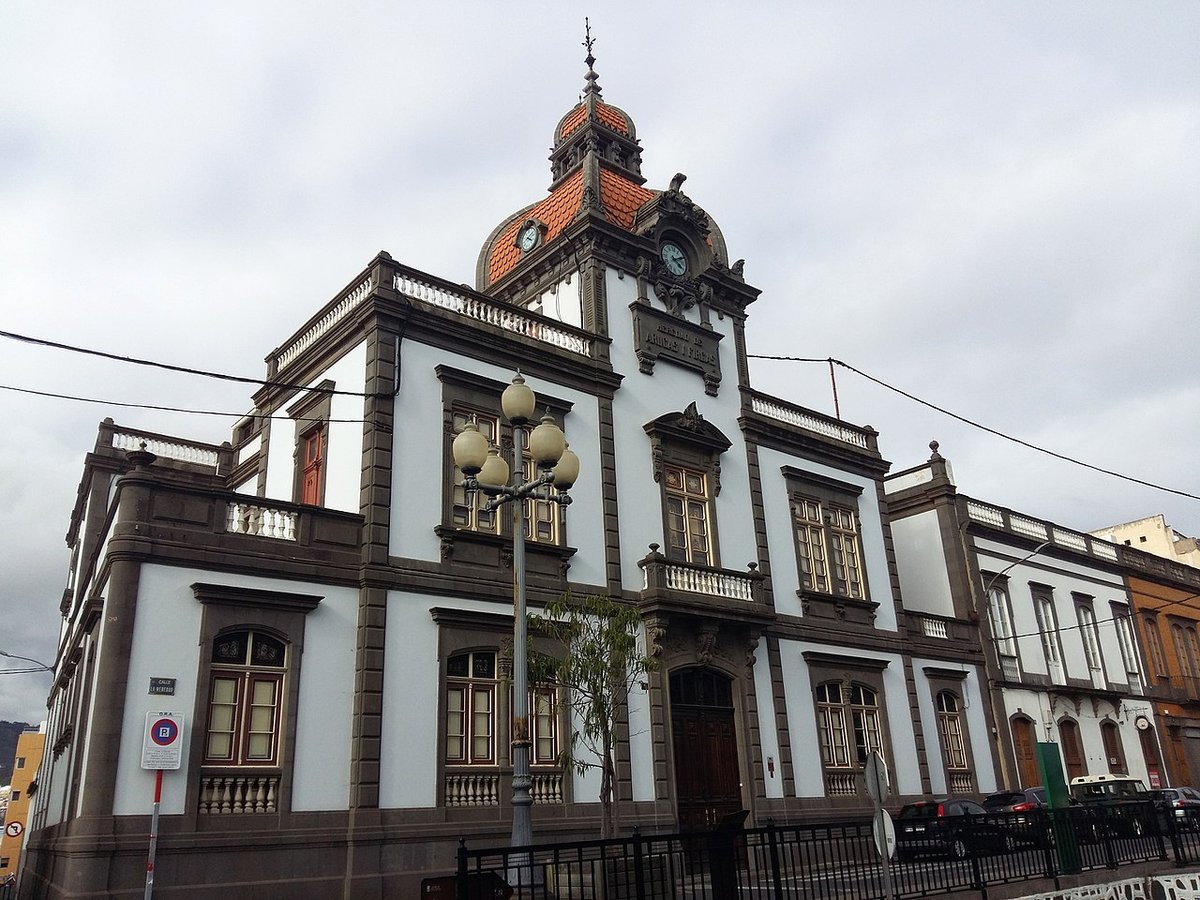
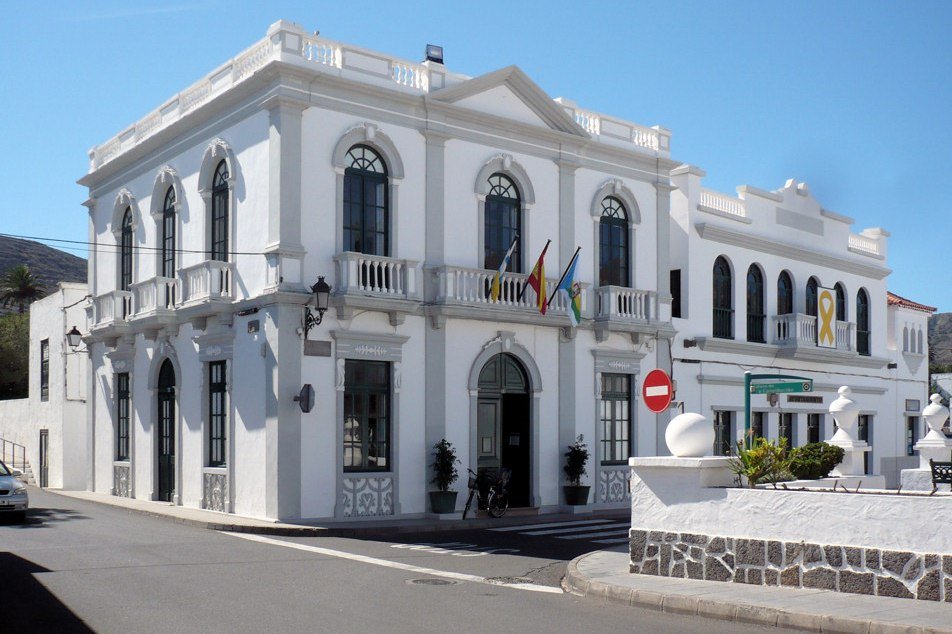
Teguise’s historic centre offers a clear view of traditional Lanzarote architecture. Houses are built with thick volcanic stone walls, coated in white. They are usually low-rise, with interior courtyards that help regulate temperature.
Older homes often feature wooden carpentry and, in some cases, roofs made from tea, a highly durable pine wood that reached the islands through trade. The courtyards had practical uses: collecting rainwater and supporting small household gardens.
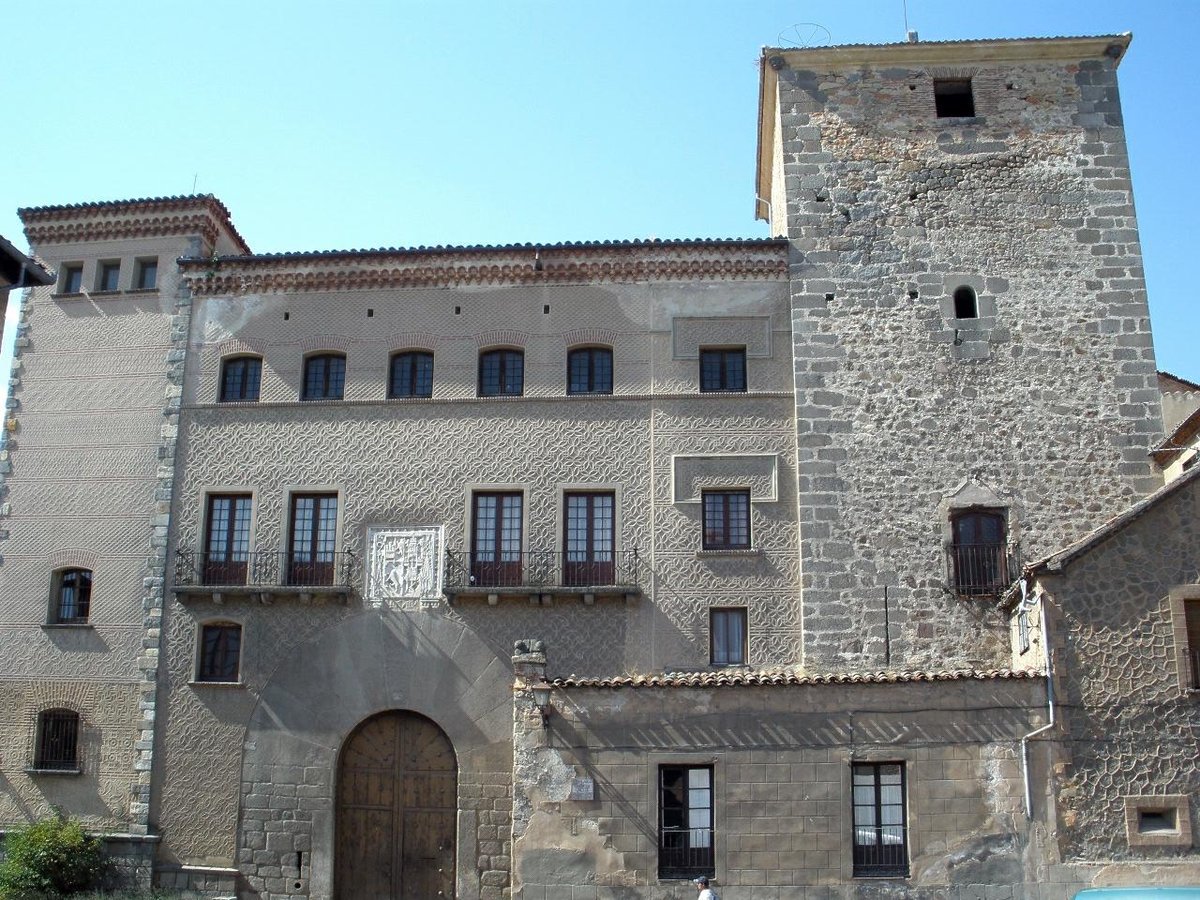
Around the main square stand several 18th-century manor houses, built by families linked to island trade. These are restrained buildings, with large doorways and wooden balconies. Some were restored in the 20th century, when the historical value of the area began to be recognised more clearly.
Scattered across the town are small hermitages such as San Rafael, San Francisco and Santa Bárbara. They are modest structures, white volumes with simple bell gables. Their presence helps explain how the territory around the old capital was organised, providing nearby places of worship for different neighbourhoods and agricultural areas.