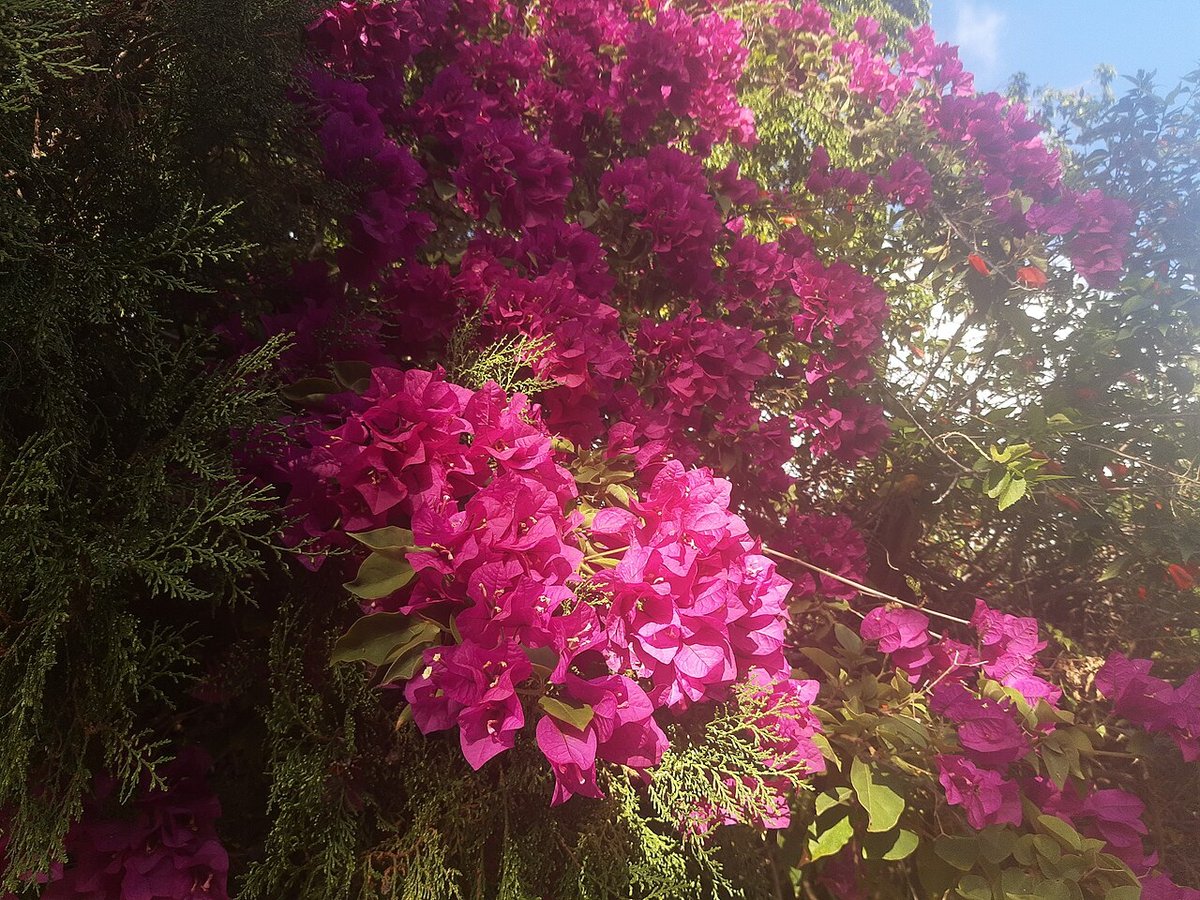
Bougainvillea along trail from Puerto de Tazacorte to Mirador del Time.jpg
Gerda Arendt · CC0
Canarias · Fortunate Islands

Tazacorte

The sea glass arrives with the morning tide. Tiny fragments of green, brown and the occasional rare blue wash up on Tazacorte's black sand beach, w...

4,549 inhabitants · INE 2025
60m Altitude
Coast Atlántico

Why Visit

Coast & beaches Tazacorte Port Boat trips

Best Time to Visit

year-round

San Miguel Festival (September) septiembre

Things to See & Do
in Tazacorte

Heritage

  • Tazacorte Port
  • Banana Museum
  • Port Beach

Activities

  • Boat trips
  • Beach
  • Banana plantation visits

Festivals
& & Traditions

Fecha septiembre

Fiestas de San Miguel (septiembre)

Las fiestas locales son el momento perfecto para vivir la autenticidad de Tazacorte.

Full Article
about Tazacorte

The sunniest town in Europe; a fishing harbor and banana plantations reaching the sea; a colorful atmosphere

Ocultar artículo Leer artículo completo

The sea glass arrives with the morning tide. Tiny fragments of green, brown and the occasional rare blue wash up on Tazacorte's black sand beach, where locals and the occasional knowing visitor bend to collect these smoothed treasures. It's a small pleasure that sums up this western La Palma settlement: unpretentious, natural, and thoroughly enjoyable if you know what you're looking for.

Tazacorte sits where the Valle de Aridane spills into the Atlantic, its 4,575 inhabitants spread between the original hilltop village and the newer port development below. The relationship between these two parts defines the place. Up top, traditional Canarian houses with wooden balconies cluster around the 16th-century church of San Miguel Arcángel. Down below, fishing boats bob in the harbour and the island's only proper beach stretches along the coast, its volcanic sand cooling quickly once the sun drops behind the surrounding banana plantations.

The Split Personality of a Coast Town

Getting between the two Tazacortes currently requires patience. A landslide has severed the direct road, forcing drivers on a twenty-minute detour or pedestrians along a rough coastal path that takes closer to twenty-five minutes than the advertised ten. The walk itself isn't unpleasant—passing banana plantations and offering ocean views—but flip-flops won't cut it. This infrastructure failure, frustrating for residents, has inadvertently preserved something of the port's character. It remains working space rather than tourist annex, where fish-farm boats create early morning clatter and the smell of diesel mingles with salt air.

The beach rewards those who make the journey. Black sand might not feature on postcards sold in Britain, but it photographs beautifully and stays pleasantly warm rather than scorching like Mediterranean imports. One end benefits from a breakwater, creating a sheltered swimming area where the Atlantic's temperament is tamed. Showers line the promenade, changing cabins offer privacy, and sunbeds rent for prices that won't make you wince. When the ocean cooperates, snorkelling around the rocky sections reveals a surprisingly rich underwater world, though currents demand respect.

What Passes for Excitement Around Here

Weekends bring a different energy. Santa Cruz families drive the 45 minutes west for beach time, filling the promenade restaurants and creating a buzz that might disappoint anyone expecting a quiet fishing village. Music drifts from bars, children shriek around the inflatable play equipment anchored offshore, and finding parking becomes a test of patience. The atmosphere remains resolutely Canarian rather than international—grandparents supervising grandchildren while parents lunch on grilled fish, wine flowing freely despite the afternoon hour.

The restaurants along the front know their audience. Fresh fish appears simply grilled, avoiding the oil-heavy preparations that send British diners searching for familiar alternatives. Salads arrive properly dressed, local wines cost less than imported water back home, and even the gelaterias stock flavours beyond the usual chocolate-vanilla-strawberry triumvirate. Those requiring British comfort food will find pasta dishes, though surrendering to the local sancocho (fish stew) or papas arrugadas with mojo sauce represents the better choice.

Beyond the beach, options shrink proportionally. The town centre, a kilometre uphill from the port, contains the essentials: small supermarket for self-catering supplies, pharmacy for forgotten suncream, couple of tourist shops selling practical hats and clothing rather than tat. Market day brings local produce—bananas obviously feature heavily, along with tomatoes that taste of sunshine rather of the supermarket variety. The church interior rewards a quick look, its art and architecture speaking to centuries of island faith, but nobody would suggest planning a day around it.

Walking Into the Landscape

The real draw lies in the surrounding geography. Banana plantations create a green patchwork between town and the steep hills rising behind, their irrigation systems gurgling softly as you pass. Walking tracks head both directions along the coast, while inland routes climb towards the Caldera de Taburiente or follow the Barranco de las Angustias through volcanic landscape. These aren't gentle strolls—La Palma's terrain demands respect, water supplies, and proper footwear. Recent eruptions have altered some paths, making local advice essential before setting out.

Climate varies dramatically with altitude. The coast enjoys year-round warmth moderated by Atlantic breezes, but venture uphill and temperatures drop noticeably. Winter brings the possibility of rain, though even then the mercury rarely falls below British summer levels. What changes is the ocean—winter storms can make swimming impossible and boat trips miserable, while summer calms create perfect conditions for dolphin and whale watching expeditions that depart from the harbour.

The Practical Reality

This is not a destination for non-stop activity. Two hours covers the essentials: wander the old town, descend to the beach, harbour and promenade, perhaps collect some sea glass while the sun sets towards La Gomera on the horizon. Longer stays require embracing the local rhythm—long lunches that become dinner, beach time measured in hours rather than minutes, conversations that meander like the coastal path. The hippie community that drifted here decades ago recognised something special in this acceptance of time's elasticity, creating an atmosphere more peaceful than sleepy.

Access remains straightforward despite the landslide detour. La Palma's airport sits forty-five minutes away by hire car, with buses connecting for those preferring public transport. Accommodation splits between harbour-front apartments—book away from the fishing section if early morning engine noise troubles you—and rural houses tucked amongst the bananas. The latter offer better value and cooler nights, though require transport to reach the beach.

Tazacorte works best as part of a wider island exploration rather than a base for lengthy stays. Its charms reveal themselves slowly: the way afternoon light turns the black sand silver, how locals greet shopkeepers by name, the perfect temperature of the sea after a hot walk. Like the sea glass smoothed by countless tides, it's been shaped by time and elements into something quietly special—not spectacular, not hidden, just thoroughly itself.

Key Facts

Region
Canarias
District
Oeste de La Palma
INE Code
38045
Coast
Yes
Mountain
No
Season
year-round

Livability & Services

Key data for living or remote work

2024
ConnectivityFiber + 5G
HealthcareHealth center
EducationHigh school & elementary
Housing~5€/m² rent · Affordable
CoastBeach 1 km away
Sources: INE, CNMC, Ministry of Health, AEMET

Planning Your Visit?

Discover more villages in the Oeste de La Palma.

View full region →

More villages in Oeste de La Palma

Traveler Reviews