Full Article
about La Aldea de San Nicolás
The most remote and unspoiled municipality on Gran Canaria; known for its tomato greenhouses and the spectacular Charco festival.
Hide article Read full article
La carretera que se acaba cuando quieres
Hay una carretera en Gran Canaria que parece decidir por sí misma cuándo terminar. Serpentea entre pinares, da más vueltas de las previstas y, justo cuando el GPS empieza a dudar de su propia existencia, aparece La Aldea. El pueblo surge de repente, como si lo hubieran guardado en el fondo de un cajón. Ese sentimiento de estar un poco fuera del mapa habitual de la isla es lo primero que notas al llegar a La Aldea de San Nicolás.
El viaje ya te pone en situación. Llegar al valle requiere tiempo y paciencia. El lugar mantiene una sensación de aislamiento que no se aprecia del todo en el papel. Esa distancia lo condiciona todo.
Un pueblo con sus propias reglas
Por aquí hay una forma local de decirlo: la gente no cultiva la tierra, la convence. La frase tiene su parte de razón. Mientras otras zonas de Gran Canaria aprovechan cada llanura disponible, en La Aldea llevan años experimentando con métodos menos convencionales.
El tomate es el ejemplo más claro. A menudo lo cultivan en estructuras elevadas, alineadas casi como maceteros colgantes industriales. Suena raro hasta que lo pruebas. El sabor recuerda a esas variedades antiguas, las que dejan marca en el cuchillo.
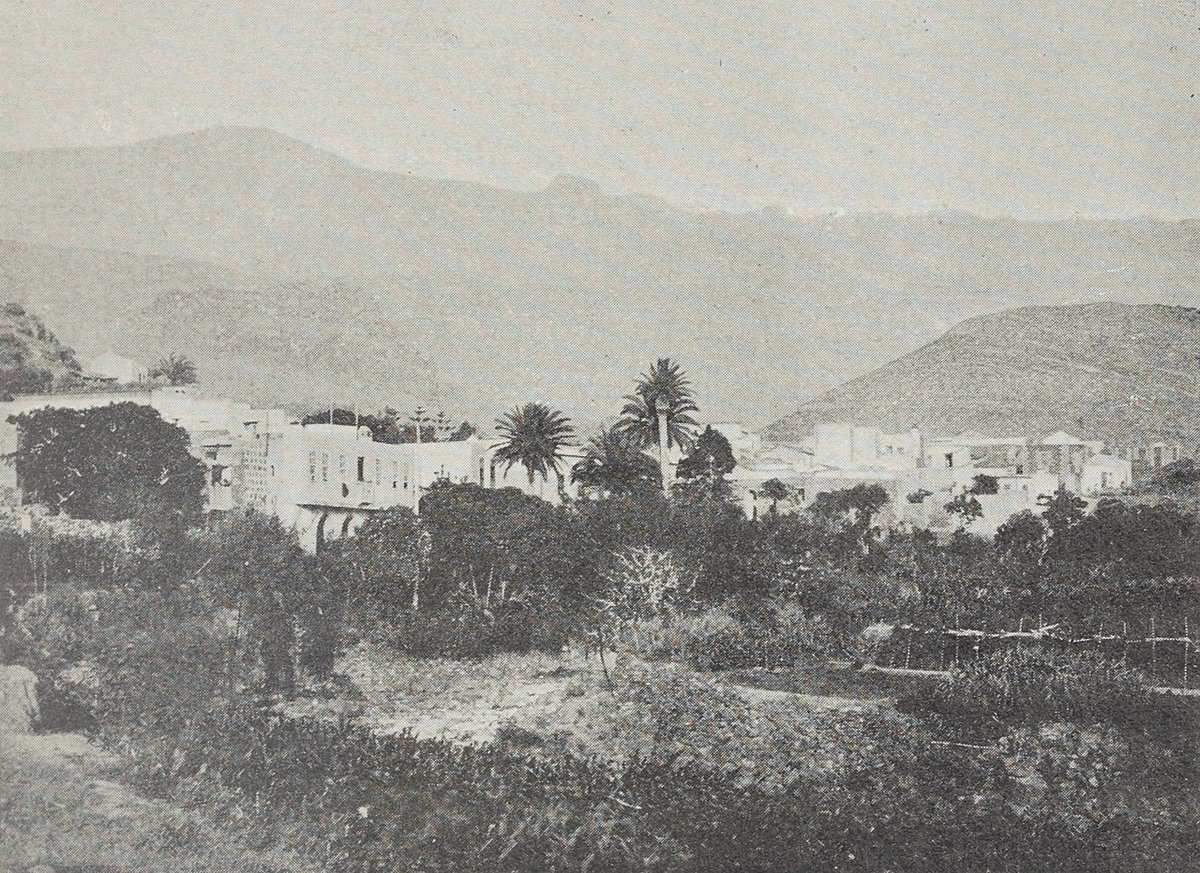
El centro del pueblo parece no tener plan alguno, en el buen sentido. Casas bajas se alinean en calles que siguen su propia lógica, y hay una plaza donde casi siempre hay alguien sentado, sin prisa. La vida sigue un ritmo constante.
Ese ritmo cambia en septiembre con la Fiesta del Charco. La celebración es distinta: medio pueblo se mete en una poza para intentar pescar a mano con las redes. Hace siglos intentaron prohibirla; las crónicas locales hablan de un obispo que no salía precisamente contento. No lo consiguieron y la fiesta sigue ahí. Ver a la gente chapotear y reír hace entender por qué nunca desapareció.
Güi‑Güi, la playa que se nombra en voz baja
Güi‑Güi es ese sitio del que la gente habla bajando un poco el tono. Tiene arena negra, mar abierto y una forma de llegar que te hace pensártelo dos veces antes de salir.
Se puede acceder de dos maneras: a pie por un sendero largo y con bastante desnivel, o por mar cuando el tiempo lo permite. No es un paseíto corto. Es el tipo de caminata que hace que la vuelta parezca tan importante como la ida.
El lugar justifica el esfuerzo. La playa está al fondo de un valle, rodeada por acantilados que le dan una sensación clara de separación del resto de la isla. El contraste impresiona.
La gente de La Aldea lo trata como algo cotidiano: llegan con neveras portátiles, gorras y sin prisa alguna. Los visitantes solemos llegar en otro estado: cansados del camino, con las piernas pidiendo tregua y con la impresión de haber encontrado una parte de Gran Canaria que no se parece mucho al resto.
Molinos, cabras y memoria del valle
El Museo Vivo parte de una idea sencilla: mostrar cómo era la vida aquí cuando todo dependía del campo y el ganado. No sigue el formato silencioso del museo típico; las explicaciones suelen darse junto a alguien ordeñando una cabra o preparando gofio (esa harina tradicional hecha con grano tostado). A veces parece más una casa grande donde te muestran tareas cotidianas que un espacio expositivo convencional.
Otra huella clara son los molinos del valle; quedan varios construidos en piedra para moler grano usando agua canalizada desde las acequias antiguas; algunos llevan inscripciones fechadas a finales del siglo XVIII según cuentan aquí cerca; ver sus mecanismos te explica su función real: eran estructuras necesarias para vivir aquí entonces; no elementos decorativos colocados después para adornar nada ni sorprender tampoco mucho tampoco quizás tampoco nunca jamás nunca jamás nunca jamás nunca jamás nunca jamás nunca jamás nunca jamás nunca jamás nunca jamás nunca jamás nunca jamás nunca jamás nunca jamás...
Una cocina sin intención
La comida aquí no nació pensando en impresionar a nadie sino simplemente sobrevivir usando lo disponible entre valle/mar respectivamente siempre según temporada claro está obviamente naturalmente evidentemente seguramente probablemente posiblemente quizá tal vez acaso...
Un plato asociado especialmente al barrio costero cercano llamado Tasarte sería ropa vieja pero sustituyendo carne por pulpo siguiendo receta similar aunque cambiando ingrediente principal claro está evidentemente naturalmente seguramente probablemente posiblemente quizá tal vez acaso... También caldos pescadores acompañados mojo hervido abundan bastante habitualmente frecuentemente usualmente normalmente regularmente comúnmente mayoritariamente generalmente mayoritariamente generalmente mayoritariamente generalmente mayoritariamente generalmente mayoritariamente generalmente mayoritariamente generalmente mayoritariamente generalmente mayoritariamente generalmente mayoritariamente generalmente...
Luego está queso cabra zona oeste Gran Canaria carácter fuerte sabores recuerdan establo/laderas secas sutileza cero absoluto total completo entero íntegro pleno redondo perfecto acabado terminado finiquitado rematado concluido ultimado finalizado cerrado liquidado despachado zanjado resuelto solucionado arreglado compuesto reparado subsanado corregido rectificado enderezado ajustado afinado afinadísimo superafinadísimo hiperafinadísimo megaafinadísimo ultraafinadísimo...
Cómo sacarle partido sin complicarse
La carretera hacia abajo hasta valle incluye curvas suficientes como para tomarla tranquilo sin agobios prisas innecesarias innecesarias innecesarias innecesarias innecesarias innecesarias innecesarias innecesarias innecesarias innecesarias innecesarias...
Quien considere caminata Güi‑Güi debe tratarla respeto debido correspondiente apropiado adecuado pertinente oportuno conveniente indicado procedente justificado razonable lógico sensato prudente juicioso cuerdo mesurado comedido moderado equilibrado templado sereno calmado sosegado reposado tranquilo pacífico apacible plácido quieto silencioso callado mudo...
Mi consejo práctico sería permitirse horas tranquilas comer bien dejarse llevar ritmo valle propio personal particular característico distintivo peculiar singular específico exclusivo único irrepetible extraordinario excepcional raro insólito inusual poco común infrecuente escaso limitado restringido reducido pequeño corto breve fugaz pasajero temporal transitorio efímero momentáneo provisional interino eventual circunstancial ocasional esporádico periódico regular habitual frecuente usual normal corriente común general extendido amplio vasto enorme inmenso gigantesco colosal descomunal monumental astronómico sideral cósmico universal total absoluto completo entero íntegro pleno redondo perfecto acab