Full Article
about Adeje
Major tourist spot with a luxury coastline and residential areas; blends sun-and-beach tourism with natural spots like Barranco del Infierno.
Ocultar artículo Leer artículo completo
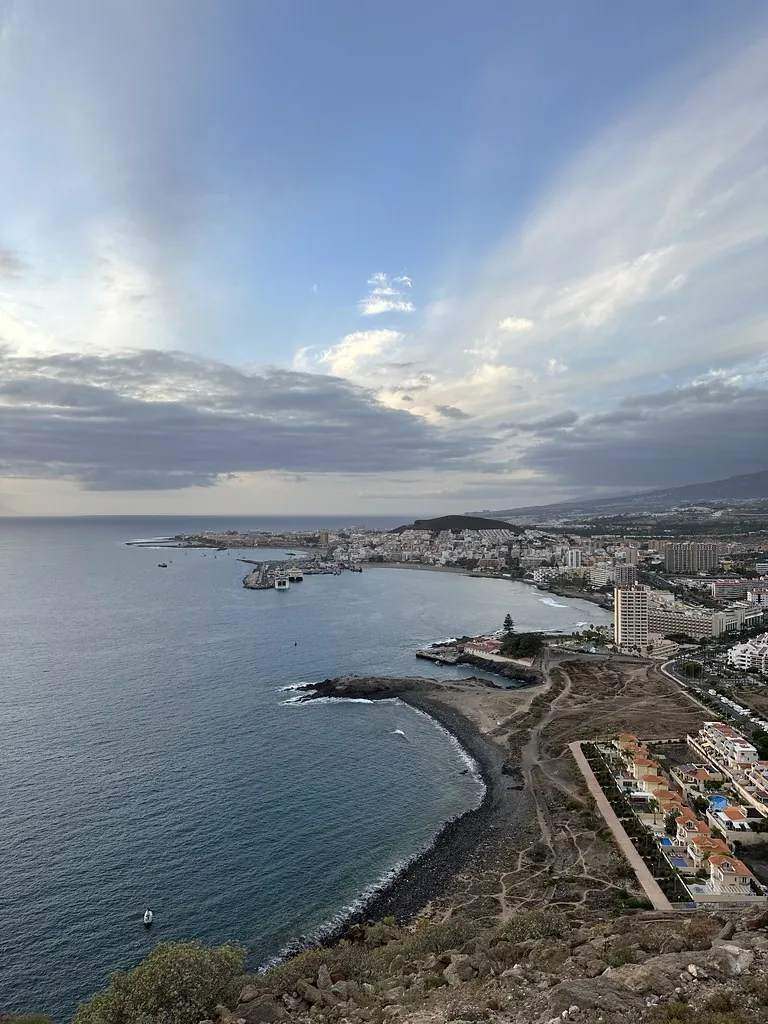
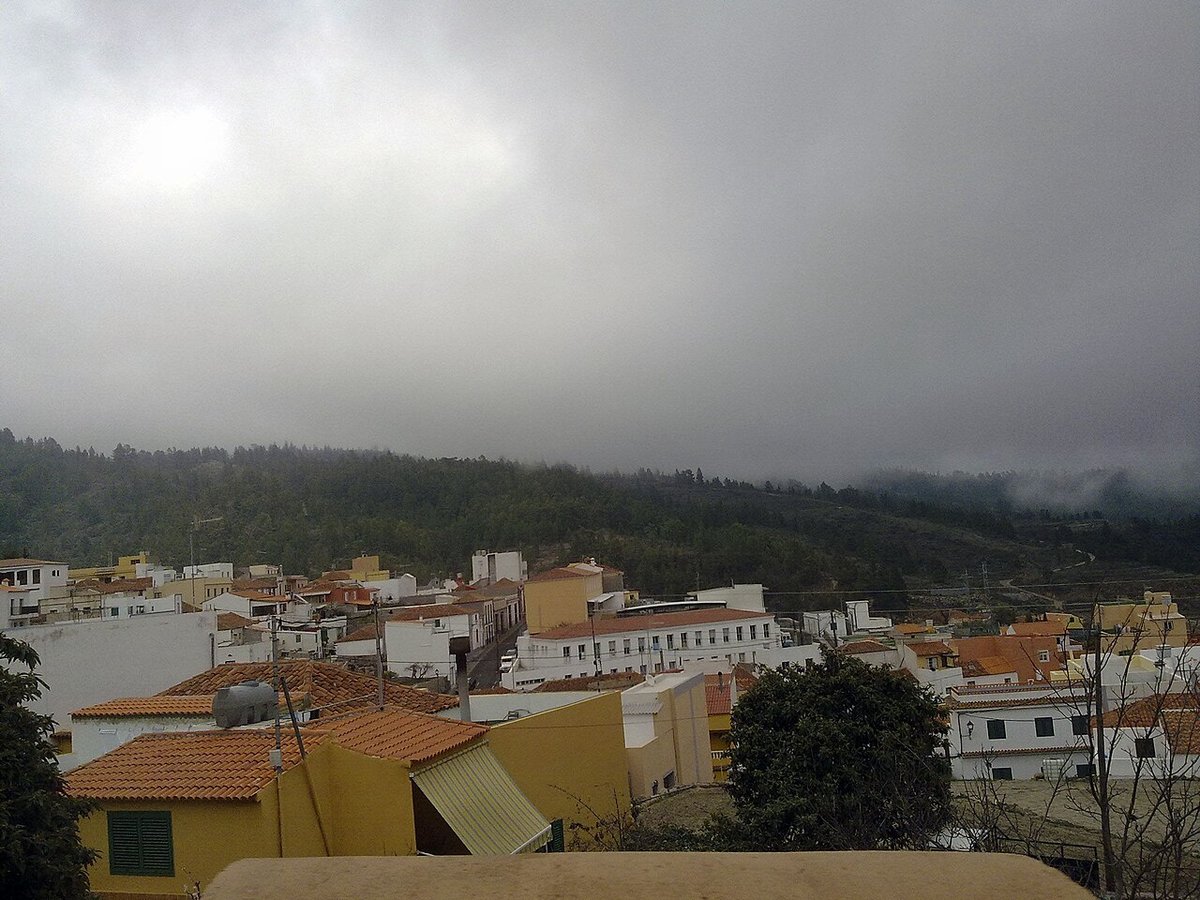
The church bells of Santa Úrsula strike eleven as morning clouds peel back from Adeje's slopes, revealing a town split between two worlds. Below, the Atlantic sparkles with purpose-built resorts and water parks that draw millions. Above, volcanic ridges harbour a 16th-century settlement where locals still gossip beneath dragon trees. This is Tenerife's most successful double life, compressed into barely five kilometres of south-coast real estate.
Between Barranco and Beach
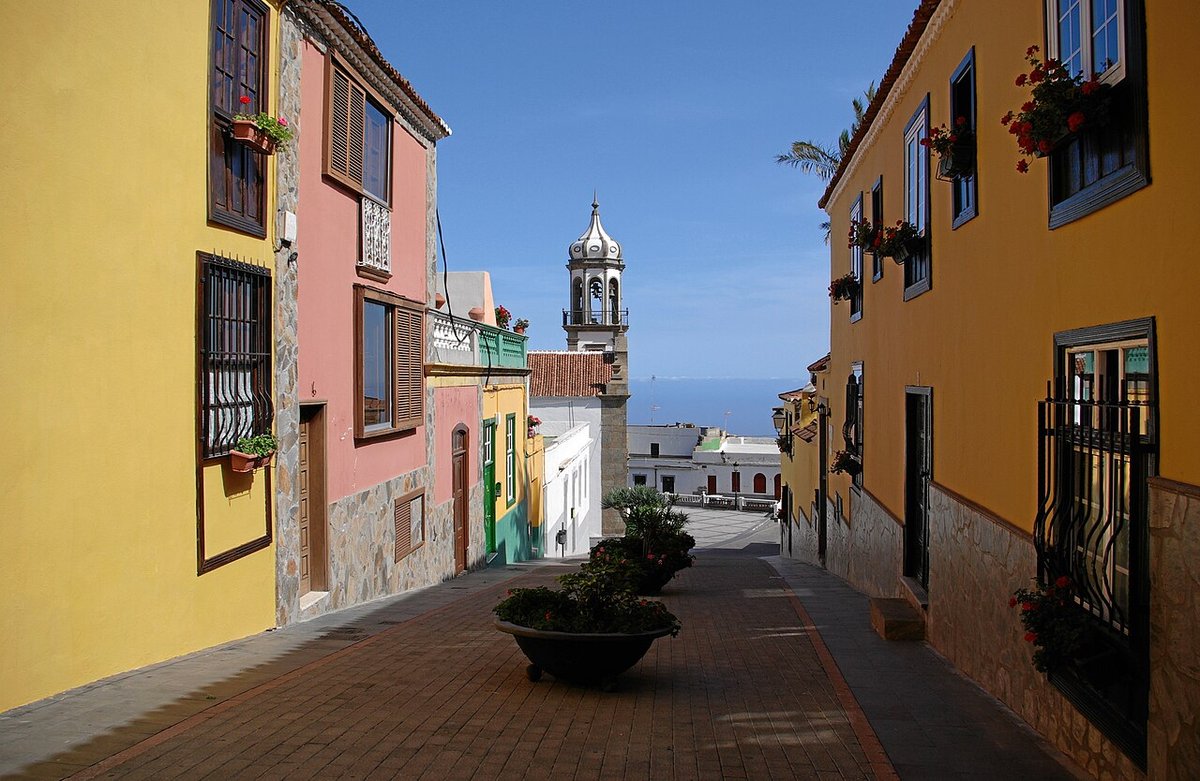
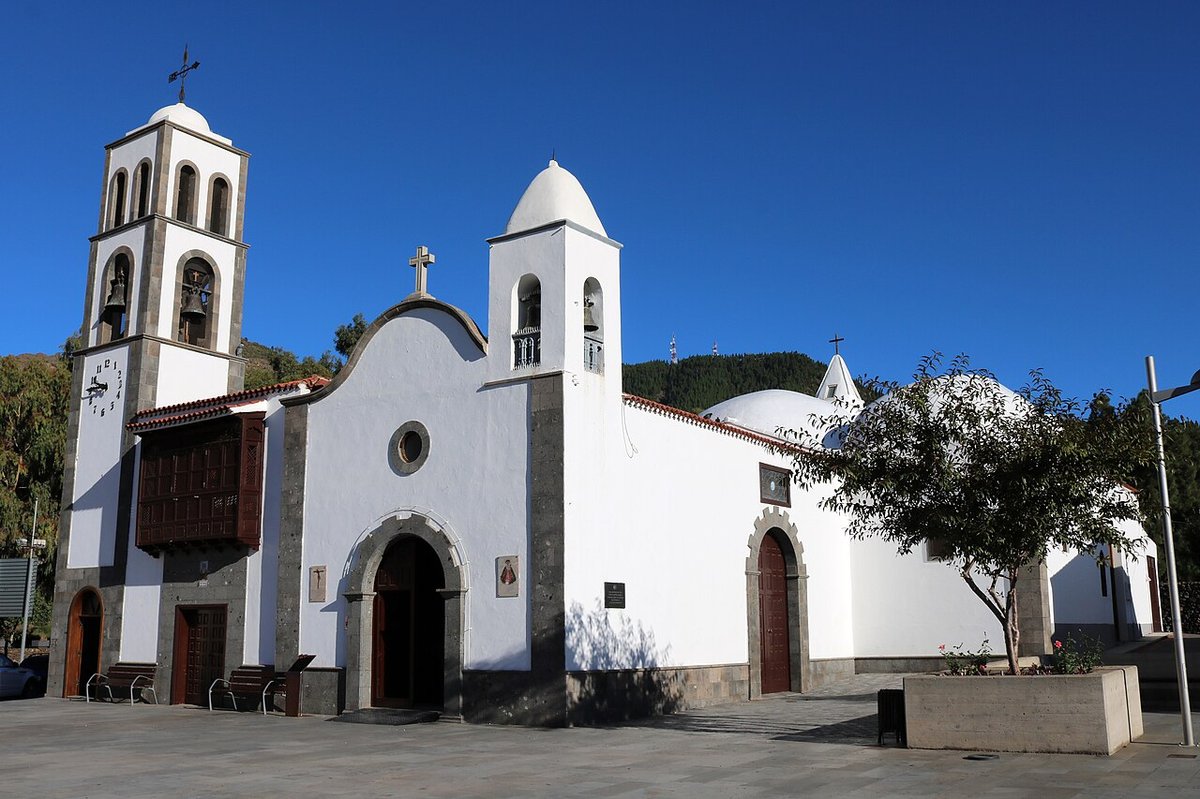
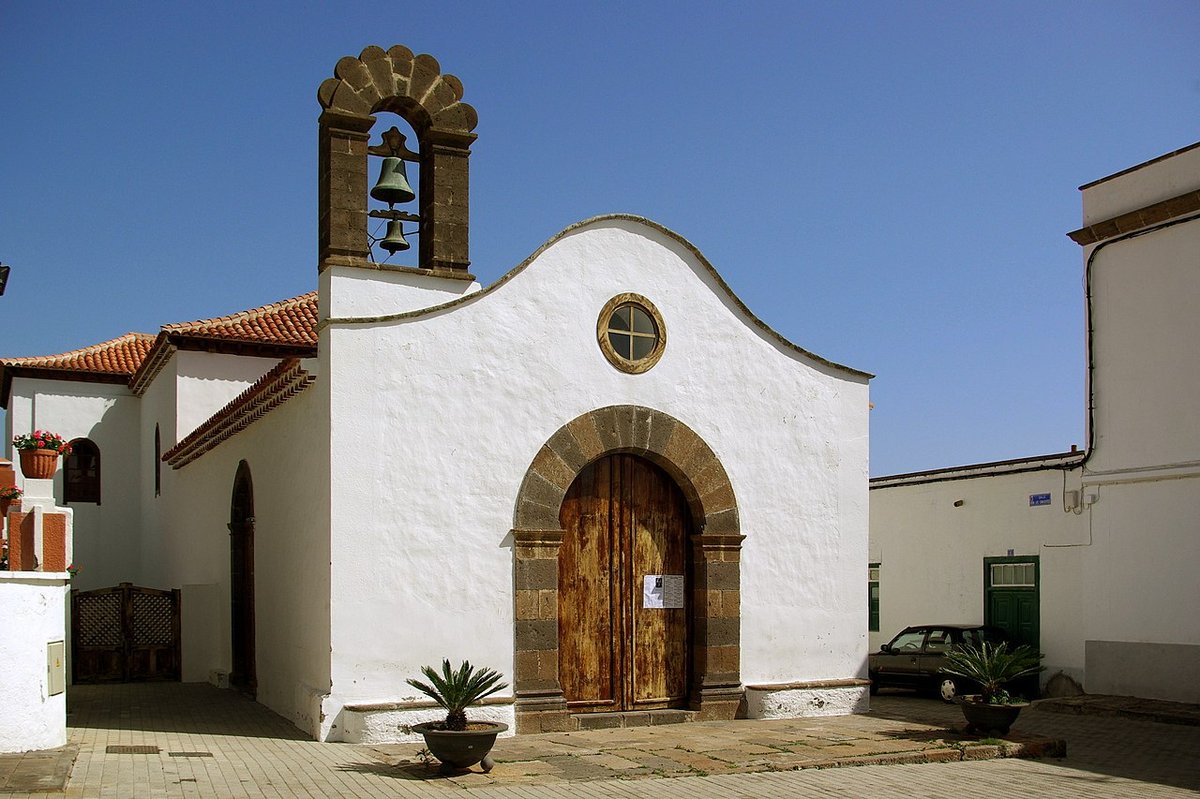
Start in the old centre, where black-basalt houses lean together like old friends. The Iglesia de Santa Úrsula anchors the plaza, its weathered stone cool even when the coast hits 30 °C. Step inside and you'll find a single-aisle nave, cedar choir stalls and a 17th-century Flemish altarpiece that arrived via ships trading sugar for religious art. Outside, the Casa Fuerte sits half-ruined yet defiant, its walls pocked by 18th-century cannon fire from English privateers who fancied the island's wine. Today the courtyard hosts weekend craft stalls; try the almogrote, a pungent cheese spread that tastes like Spain's answer to Marmite.
From here the town tumbles downhill along the Barranco del Infierno, a gorge so deep that phone signals give up halfway down. A permit-only footpath drops 600 m to the island's only year-round waterfall, a 200 m ribbon that turns the rocky bowl surprisingly lush. Only 300 walkers are allowed daily; book after lunch for the following morning and bring proper shoes—the scree is slippery and there's no kiosk to rescue you with an overpriced Coke. The three-hour round trip delivers vultures overhead and, in spring, violet-coloured tajinaste spikes that look Photoshopped.
The Coast that Britain Colonised ( Politely)
Hop on the 473 bus or drive the TF-51 and within ten minutes you're in Costa Adeje, a purpose-built strip that locals simply call "la costa". Playa del Duque's sand was imported from the Sahara, raked daily and accessorised with straw parasols that cost €14 to rent. By 09:30 every sun-lounger sports a towel; arrive earlier or stroll east to Playa de la Enramada where black volcanic grains suck up heat and the crowd thins by half. Lifeguards raise green flags 300 days a year; when they switch to yellow the undertow is strong enough to embarrass even confident swimmers.
Behind the promenade, shopping malls mimic Andalusian squares with prices to match Guildford high street. Yet one road back, the Mercadona supermarket still sells entire legs of jamón for under €40 and stocks Yorkshire Tea for the self-catering brigade—get there before 11 a.m. or the shelf is bare.
La Caleta, five minutes west, offers partial redemption. This was a fishing hamlet long before tour operators arrived; octopus still dry on washing lines and fishermen mend nets beside a shrine to the Virgen del Carmen. The harbourfront restaurants pitch to Brits—menus in Comic Sans, HP sauce on every table—but the prawns arrive straight from the boats. Try Masía del Mar for grilled dorada; they'll fillet it tableside if you ask, and portions are generous enough to share.
Water, Worship and Whales
Siam Park claims the title of world's best water park so often that staff have run out of wall space for plaques. The Thai-themed complex opens at 10 a.m.; by 10:15 the queue for the Tower of Power snakes for 45 minutes. Book online the night before, choose the first time slot and head straight to the Singha coaster where single riders fill empty seats. Bring flip-flops—paths reach 50 °C by midday—and budget €18 for lockers plus a two-person inflatable cabana if you want shade.
When you've had enough chlorinated adrenaline, swap artificial waves for real ones. Whale-watching boats sail from Puerto Colón at 10 a.m., 12 p.m. and 2 p.m.; the strait between Tenerife and La Gomera hosts resident pilot whales year-round. Two-hour excursions cost €25-35 and almost always deliver fins, though operators feed the animals to keep them around—something conservationists wish Brits knew before posting Instagram selfies.
Back on land, Adeje's fiestas reveal the town's other half. October's Santa Úrsula celebrations turn the old centre into a street theatre of drumming troupes and processions carrying the saint's silver effigy. February's carnival is smaller than Santa Cruz's televised spectacular, which means you can actually reach the bar. Pick any side street at 02:00 and you'll stumble into a salsa circle fuelled by €3 cubatas—rum counts as local produce when it's cut with island-grown coke.
Getting About Without Tears
Tenerife South airport sits 17 km away; traffic on the TF-1 backs up badly after 4 p.m. Pre-book a shared shuttle for about £7 or brave the bright-green Titsa bus 111—€3.75 exact change only, cards not accepted. Taxis quote a flat €30 to Costa Adeje; Uber exists but drivers cancel half the time because the rank police get shirty.
Once settled, the 473 and 477 buses link beaches to old Adeje every 30 minutes. A Bono card knocks 30% off fares and works for multiple passengers, handy if three generations want to escape the villa. Hire cars start at €30 a day in winter, €55 in August; parking meters on the coast demand €1.40 an hour and patrols work Sundays. Mountain roads to the upper village of La Quinta are steep and narrow—reverse 200 m if you meet a bus, and don't trust Google to know which lanes are one-way.
When to Drop In
Adeje's climate is engineered by altitude and trade wind. The coast basks in 22 °C January highs and 29 °C August averages, but the old town sits 300 m higher and feels five degrees cooler. Rain is scarce; when it arrives (usually November) roads flood within minutes because there's nowhere for water to soak in. Spring brings yellow tabaiba flowers on the cliffs and comfortable hiking weather. Autumn is equally kind, plus the sea has spent all summer warming up to a bath-like 24 °C.
Avoid UK school holidays if you can. Playa del Duque's promenade becomes a slow-moving conveyor of buggies and inflatable crocodiles, restaurant queues stretch to 45 minutes, and hotel rates jump 70%. Winter sunseekers pack the place too, but at least the mornings are quiet before the northern European vitamin-D rush rolls out of bed.
Parting Shots
Adeje refuses to choose between heritage and holiday commerce, and that tension keeps things interesting. You can breakfast on papas arrugadas with octopus in the 500-year-old plaza, then scream down a 28-metre water slide before lunch. By teatime you might be watching pilot whales glide past your catamaran, and still make it back for carnival fireworks at midnight. It's not undiscovered, nor remotely authentic in the coastal strip—but the two halves rub along well enough that you can sample both within a single, slightly surreal day.