Full Article
about Arico
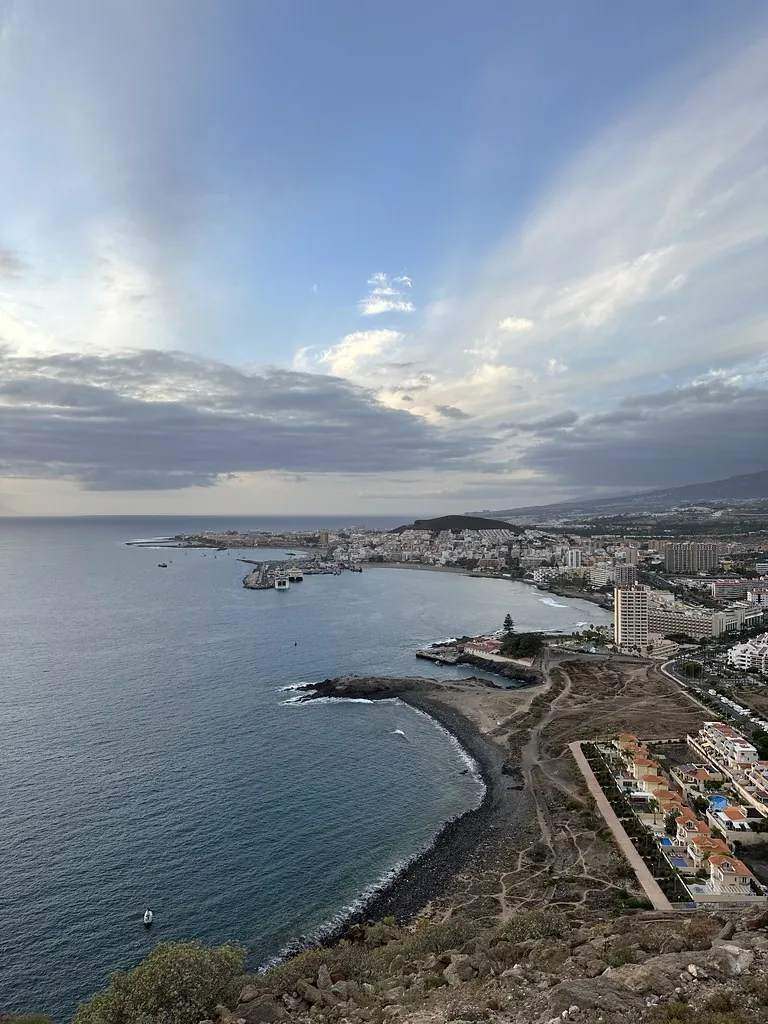
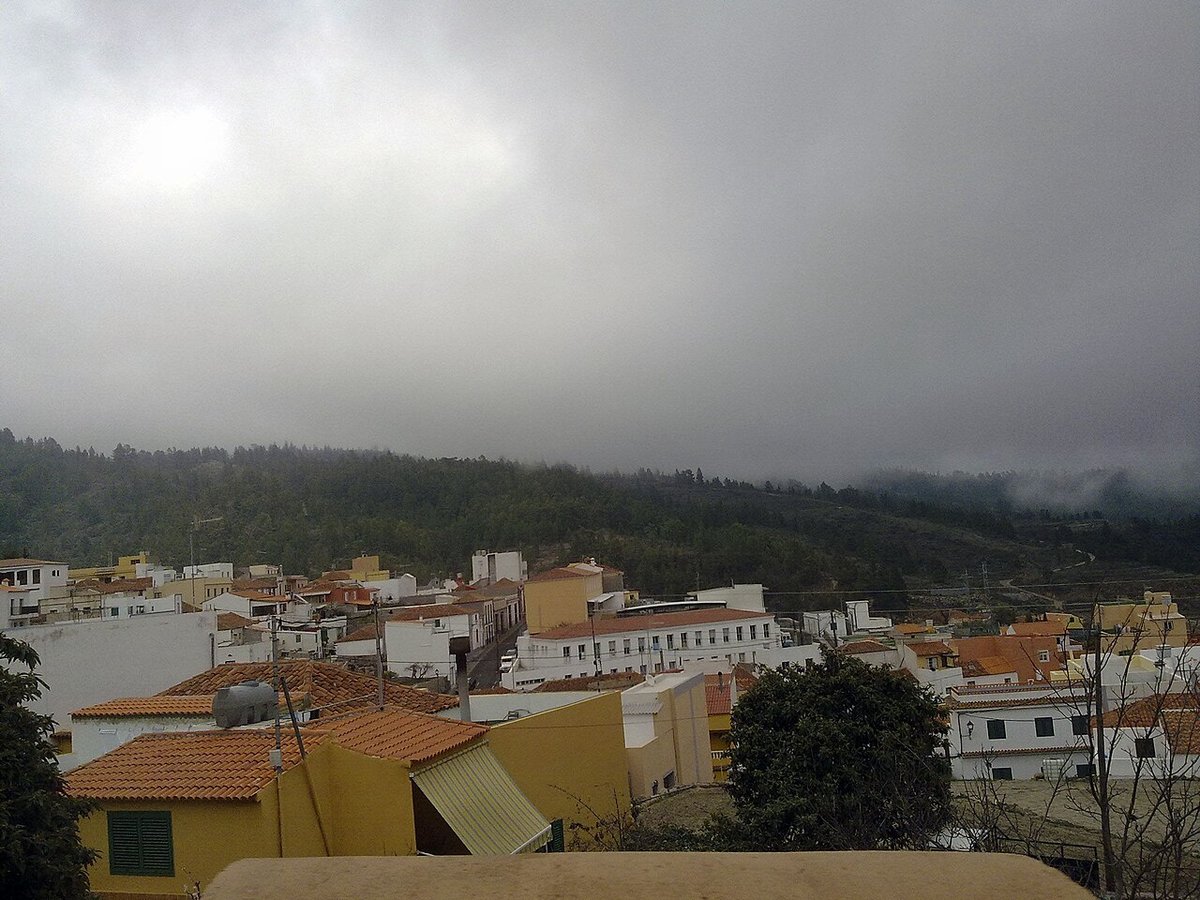
Large municipality stretching from the mountains to the coast; known for its climbing areas, artisan cheeses, and charming little coastal neighborhoods.
Hide article Read full article
A place that’s bigger than it looks
Arico is one of those places where you think you've got the measure of it, until you look at a map. The municipality is huge. I mean, it runs from the coast all the way up to the skirts of Mount Teide. It’s the kind of place where you can drive for twenty minutes, see the landscape change completely, and still be in Arico.
It’s split into a bunch of núcleos that feel miles apart. And to really mess with your head, three of them are called some version of ‘Arico’. That’s when you realise this isn't a simple day out.
Three Aricos, and why it matters
You ask for directions here and get “it's in Arico” as an answer. That’s about as useful as saying “it's on the island.”
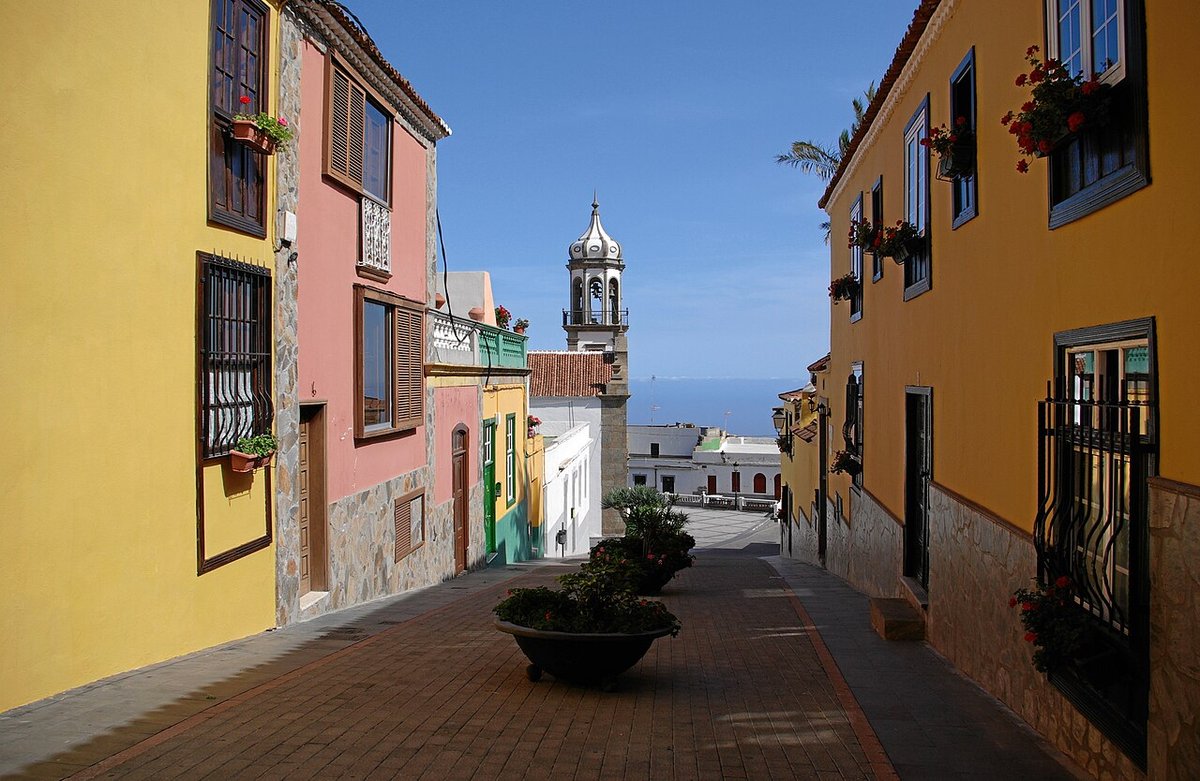
There's Arico el Viejo, which is exactly what it sounds like: the old part. Stone houses, quiet lanes, that kind of vibe. Then there's Arico el Nuevo, which isn't new at all—it just showed up a few centuries ago when everyone fancied a move. And finally, Villa de Arico, which is where the town hall is and where things actually happen.
They're only a few kilometres apart but they feel like different worlds. El Viejo has that settled, mid-altitude village atmosphere. El Nuevo feels more spread out. The Villa is where you'll find people doing their shopping.
My advice? If someone tells you something is “in Arico”, ask which Arico. Your sat-nav will probably get confused too.
The heart of the old town
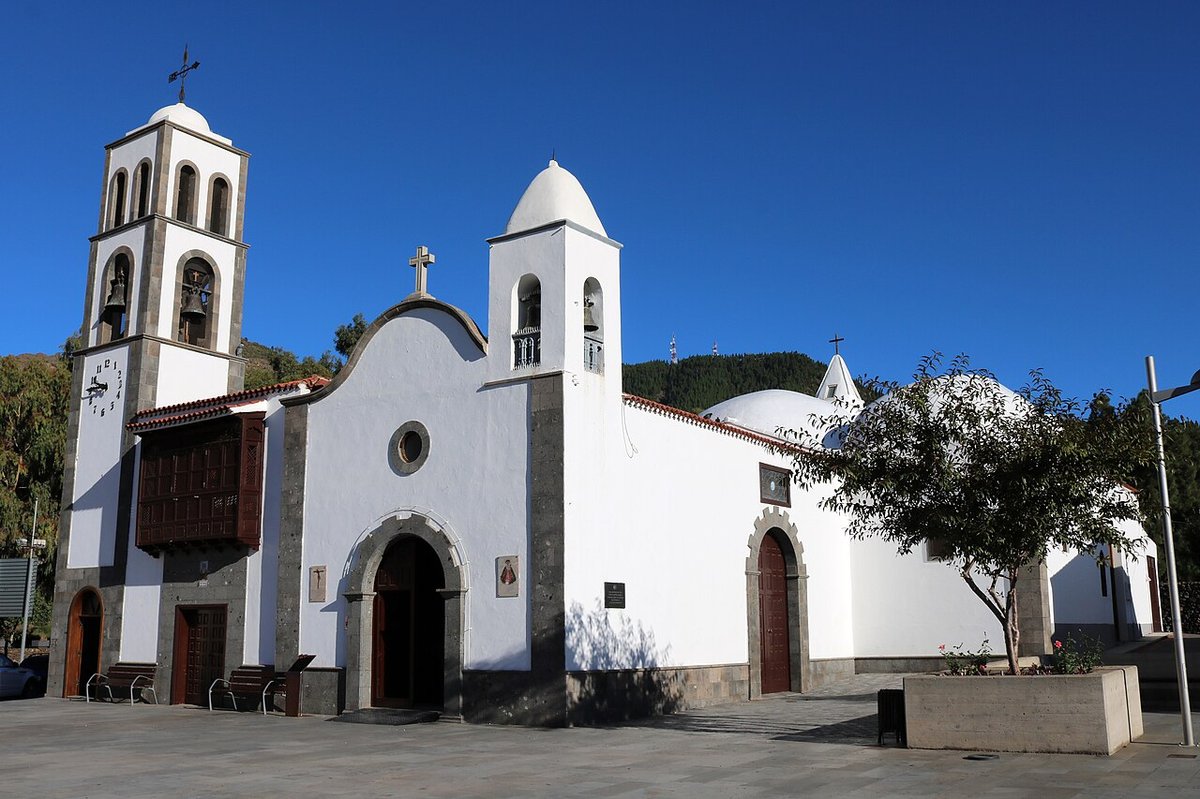
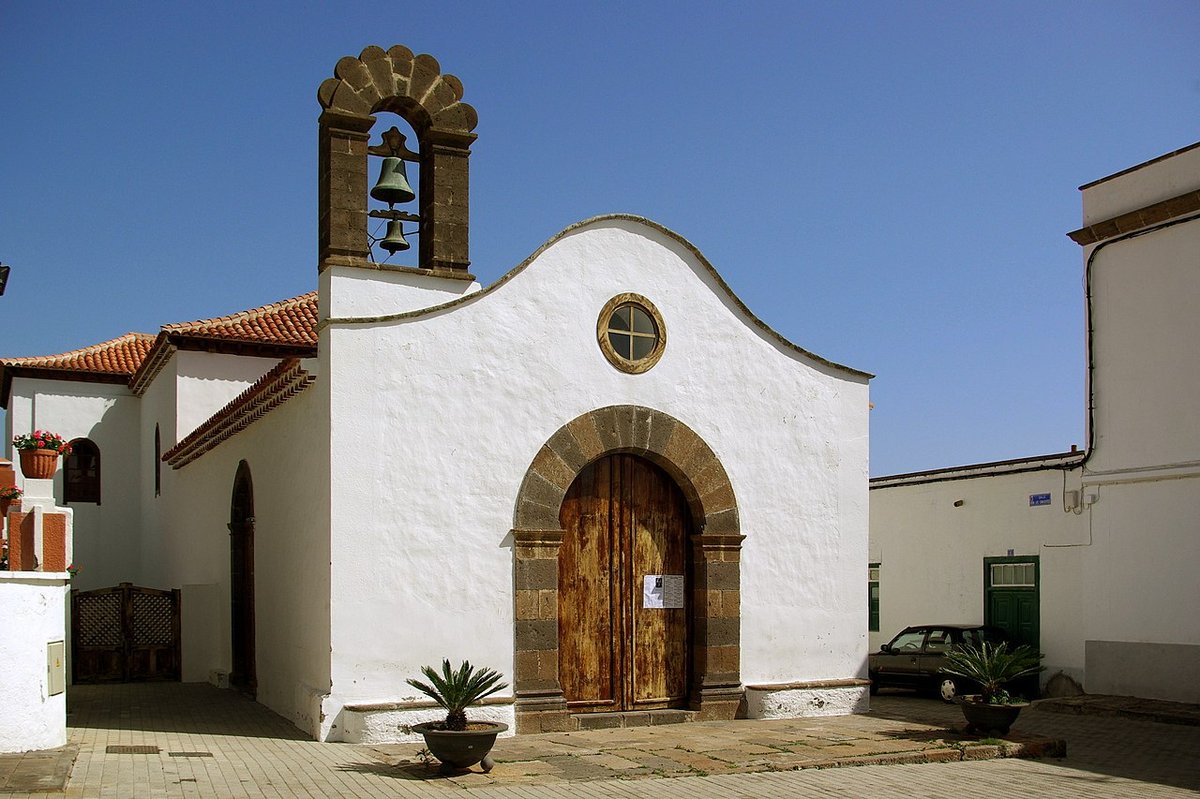
In Arico el Viejo, everything sort of leans towards the church of San Juan Bautista. It was built over a couple of centuries starting in the 1600s. You know those Canarian churches made from dark volcanic rock that look like they grew out of the ground? This is one of them.
Get up close and the walls are thick enough to make you feel small. The black stone against the whitewash on other buildings is a classic Tenerife contrast. Step inside and it smells like old churches everywhere: wax, wood, and cool stone.
The plaza out front isn't big, but it works. It's where people stop to talk for five minutes or just sit in the sun, well away from any coastal breeze.
The tree everyone knows
Over near Cruce de Las Casitas, there's a Canary Island pine everyone calls the Pino de Buen Paso.
You don't just walk past this tree. The trunk is massive—the kind that makes you stop and put a hand on it. Locals will tell you it's centuries old; exact numbers vary, but it was definitely here long before most houses around it.
It used to be a proper meeting point. Some older folks remember parties and gatherings in its shade. These days, you're more likely to see someone pull over for a quick photo before driving on.
I get it. When the summer sun is hammering down, that patch of shade feels like a gift.
Hiking the Barranco de Tamadaya
If you want to stretch your legs, one of the main walking routes here goes through the Barranco de Tamadaya.
It’s classic southern Tenerife terrain: a wide ravine dotted with tabaibas and cardones, with that dry, herbal smell that comes off the land when it's warm. You'll pass old threshing circles and stone ruins—quiet reminders that people worked this land hard.
Don't expect a seaside promenade. It's not technically difficult, but some bits are rocky and there's some up and down involved. Wear decent shoes and bring water; it's common sense.
The good part is it loops you back near where you started. After a couple hours walking, finding a quiet spot to sit feels earned.
What’s on the table
The food here mixes things up in a way that makes sense once you understand the geography.
Take salted fish with chestnuts. Sounds odd, right? But it’s an old recipe that ties together what came from the coast with what grew inland. The salty punch of the fish against the soft sweetness of the chestnut works better than you'd think.
They also make goat's cheese that has a good reputation across Tenerife. Higher up, there are small vineyards tied to the Abona region—this isn't showy wine tourism; it's just what they do here.
So what’s Arico actually like?
Arico doesn't look like most people's idea of south Tenerife. You won't find rows of sunbeds or big resorts here. What you get instead is constant change.
In under thirty minutes by car, you can go from sea level to mid-altitude villages with tiny terraced fields, through ravines and onto empty roads where seeing another car feels like an event. That shift defines the place.
You can do a highlights tour in half a day if you're pressed for time—see the main villages, spot el pino, maybe take a short walk. But slowing down pays off: turning down random lanes for no reason, stopping at miradores without checking their name first. Arico doesn't have one centre or one story. It just sprawls across this chunk of island, and its different parts are linked more by ridges and barrancos than by anything else. And honestly, that’s probably why I remember it so clearly