Full Article
about Arona
One of the island’s main tourism hubs, home to Los Cristianos and Las Américas; tradition in the old centre meets modernity on the coast.
Hide article Read full article
Arona: The Hill and the Sea
Arona is like that friend who moved to the city for work but still goes home every weekend to their village. There’s the old life and the new life, and they exist in the same person, just a half-hour drive apart. That’s this municipality in south Tenerife. The original Arona is a village up in the hills. The name everyone knows now is mostly down by the coast, a world of apartments and promenades.
Nearly 90,000 people live here, which tells you most of them aren’t in that hill village. Change hit the coastline fast. But if you only see the bit by the sea, you’ve missed the point.
The Original Village (It's Up There)
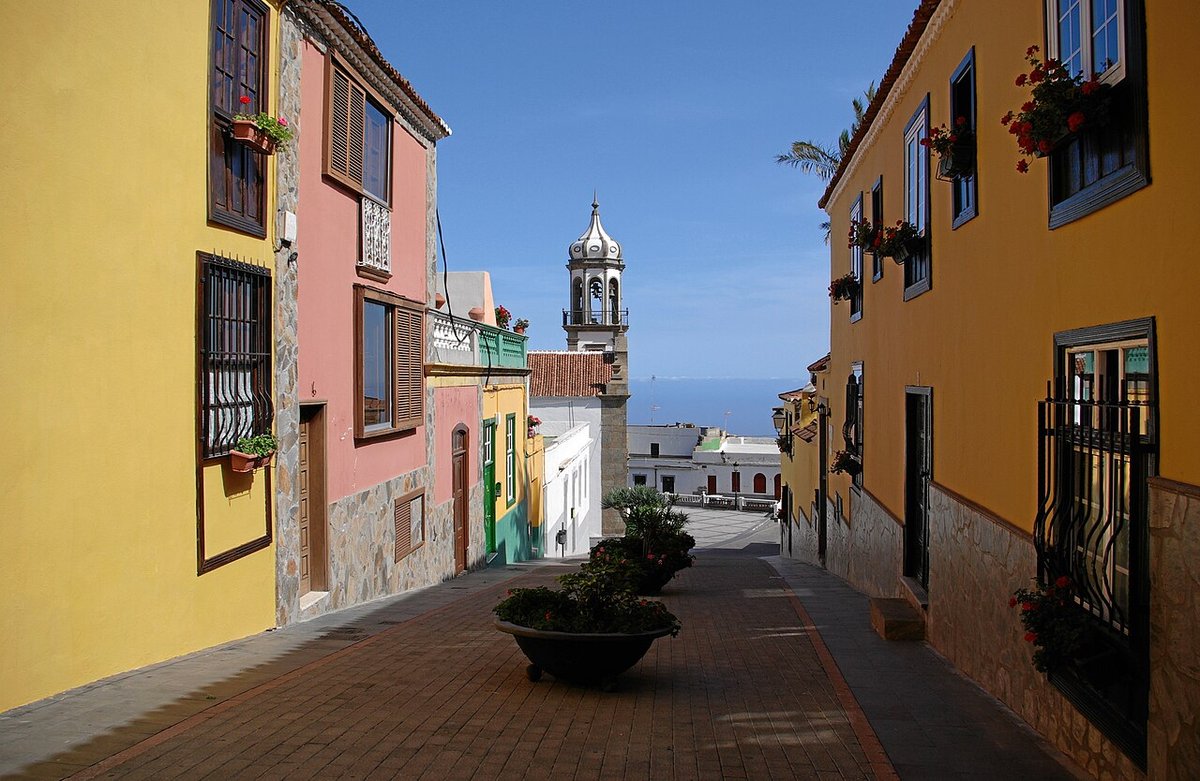
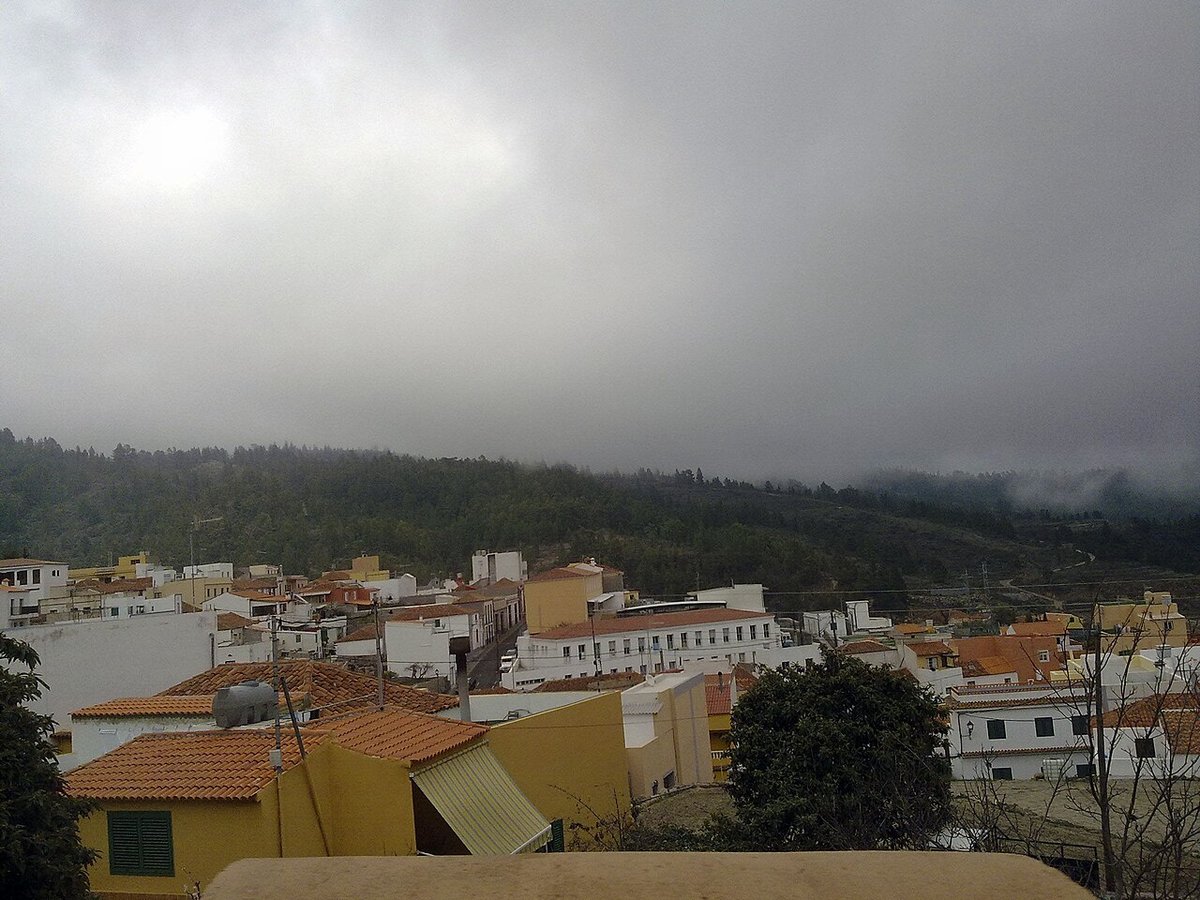
The real Arona is about 600 metres up, holding its ground while everything else sprawled toward the ocean. You take the TF-28 road up, and it feels like you’re leaving a different planet. Suddenly it’s quiet. There’s a square, low houses painted white and terracotta, and a pace that involves more chatting than rushing.
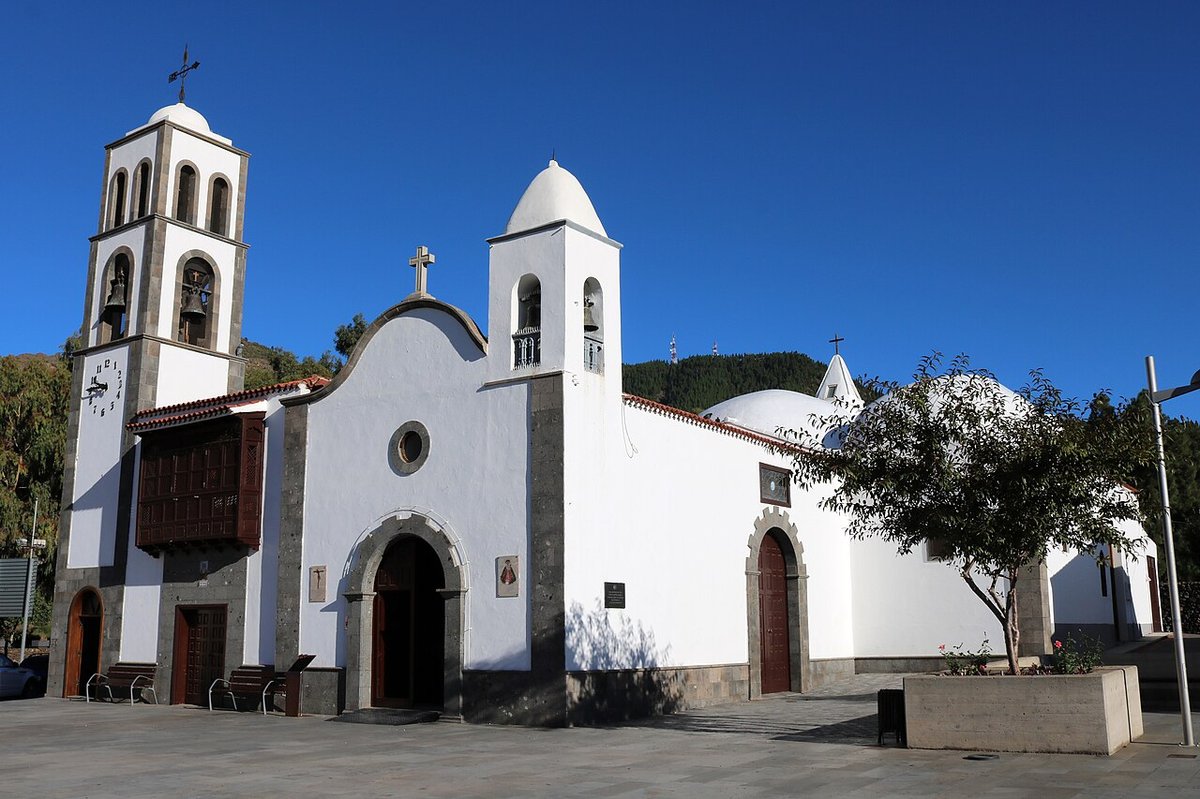
This isn't a postcard set-up. It's functional. You'll see people coming out of the pharmacy, picking up bread, calling across the street to a neighbour. The anchor is the church of San Antonio Abad. They say part of its altarpiece was brought here from a convent in Adeje centuries ago. Try to imagine moving that on a dirt track with a cart. It sets the tone for a place that had to make an effort.
The Coastal Switch-Up
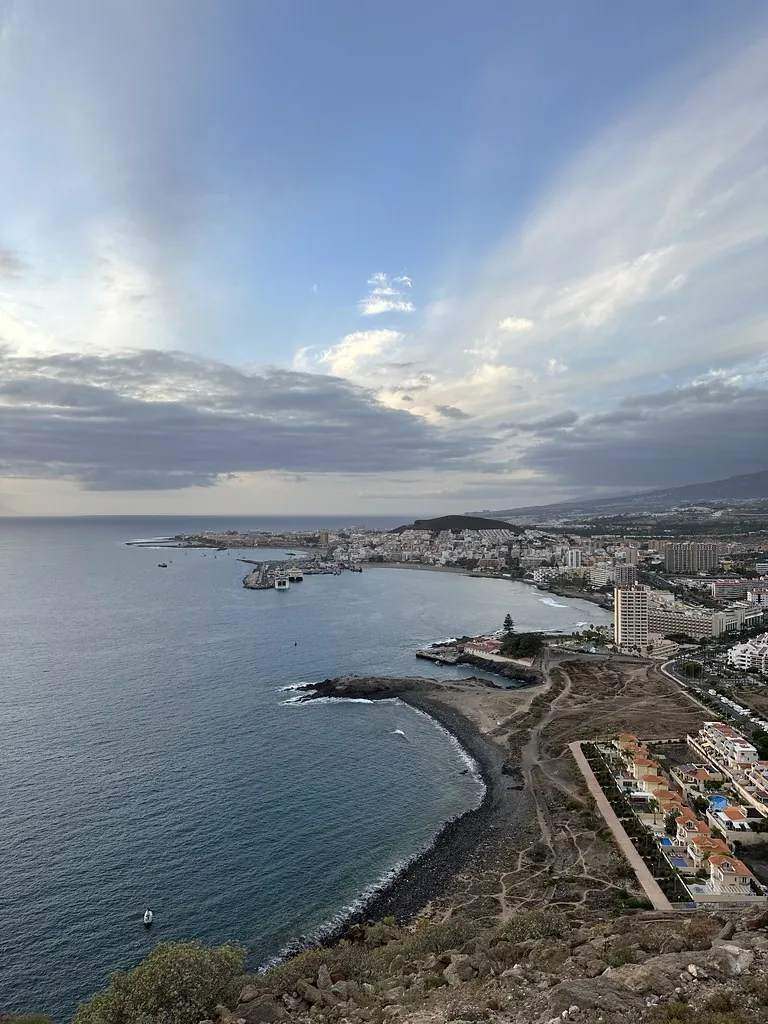
Drive down from that village to Los Cristianos and the shift is jarring. Within minutes, you trade quiet lanes for a seafront buzzing with languages, ferry terminals, and sun loungers. This port started with fishing boats; now it runs on tourism. The old harbour area still has some of that feel, but let's be honest—this is one of the main hubs of southern Tenerife.
The beaches here, like Playa de Los Cristianos or Playa de las Vistas, are popular for simple reasons: they're easy. The sand is fine and imported, the water is usually calm because of the breakwaters, and you have every café or shop you could need two minutes away. They won't win any wild landscape awards, but for a straightforward swim and some sun? They do the job.
Just brace for that Atlantic water. It’s not the Mediterranean. The first plunge is always a shock to the system before you get used to it.
Getting Your Legs Working
If you stay flat in Arona, you're missing half of it. The terrain here goes up and down like a yo-yo.
The hike up Roque del Conde is the classic example. You start already high up and climb towards this massive table-top rock. From near its base, you get this ruler-straight view over almost all of southern Tenerife—the tourist strip looks like a model village, the barrancos cut deep into the land, and Teide looms in the distance if it's clear. It's not technical climbing, but don't think it's a walk in the park either. Bring water. Wear a hat. Take your time.
For something completely different, head to Malpaís de la Rasca. This is raw coast—dark, twisted lava fields that look like someone poured tar over everything and it froze mid-flow. A flat path cuts through this protected area all the way to a lonely lighthouse. Walking here feels strange and quiet; all you hear is wind and waves crashing on rugged rock.
Shade does not exist here either. Even for this flat walk, water isn't optional.
On Eating & Drinking
The food follows Canarian rules: simple, hearty, local where possible.You know what you're getting: papas arrugadas con mojo, fresh grilled fish like vieja, air-dried jareas when they have them.
My rule here? Look at who's eating lunch at 2 p.m.. If it's construction workers in hi-vis vests, families with kids arguing about football, or older couples chatting in thick Canarian accents without glancing at a clock... you're probably in a good spot.
A word on mojo. That red one can sneak up on you with its heat.It's not trying to hurt you; it just has character.
When Things Get Loud
The main fiesta in Arona village revolves around San Antonio Abad in January.This feels local.Residents are out,blessing animals,filling their own streets.It wasn't made for you,but you're welcome to watch.
Down in Los Cristianos,the Carnival is a different beast.It draws big crowds but has managed to keep a slightly less corporate,vibey feel than some of the island's bigger parties.
Then there's July,andthe procession forthe Virgen del Carmen.They take her statue out on a fishing boat,followed bya flotilla.It'sa sincere maritime traditionthat now happenswitha backdropof tourists filming fromthe promenade.A bit surreal,but somehowit works.
So What Is This Place?
Arona feels like two municipalities stitched together.The hill village does its own thing at its own speed.The coast runs on visitor time.They're physically close,but atmospherically miles apart.
You've got massive apartment complexes,and then ten minutes awayyou're walking on thousand-year-old lava flows.There'sa major zoological parkthat feelslike its own universe.Some beaches here have put real work into accessibility—with proper walkways,trained staff,and adapted swimming systems—whichis more thoughtful thanyou findin many places.
And offthat coast,in that channel between Tenoand Rasca,something moves.You'll see boats stopped allthe time.Watchingfor whalesand dolphinsisn'ta gimmickhere;it'sbecausethey actually passthrough.Sightingsare common.No guaranteeswith wild animals,but your oddsare decent.
In short,Arona doesn't giveyou one experience.It givesyoua choice:the quietof an old hill villagewhere life never really changed pace,andthe busy,practical coastthat builtitself around visitors.The trickis seeing both.Take an afternoon,goupthat TF-28road.Havea coffeein that square.Look backdownat whereyou came from.You'llsee exactlywhat I mean