Full Article
about Fasnia
Quiet southeastern municipality with arid farmland, small coves and uncrowded swimming spots.
Ocultar artículo Leer artículo completo
The church bell strikes noon as a farmer manoeuvres his battered Land Rover between two stone terraces, stopping to check the irrigation channel trickling towards rows of bananas. From this vantage point, 400 metres above the Atlantic, you can see the entire municipal puzzle of Fasnia: patchwork fields clinging to volcanic slopes, abandoned fishermen's cottages scattered along a charcoal coastline, and the twin Los Roques islets rising like breaching whales from the surf.
This is Tenerife's quiet southern edge, a twenty-five-minute drive from Tenerife-South airport yet mercifully free of the promotional banners that line the approach to Costa Adeje. Fasnia rarely appears on package-tour itineraries. Its 3,000 residents live in scattered neighbourhoods—some along the TF-1 motorway, others tucked into folds of the terrain where roads narrow to a single car's width and satellite navigation politely gives up.
Between Lava and Ocean
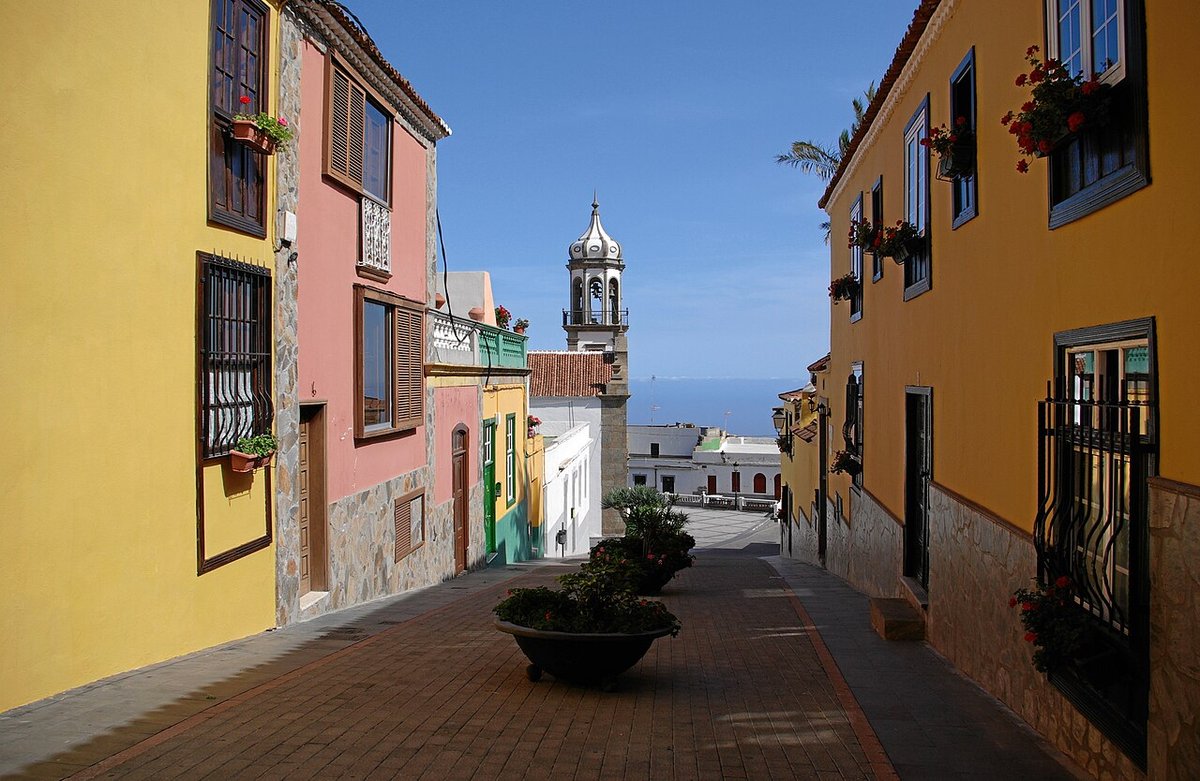
The village's dual personality reveals itself quickly. Head uphill on the TF-28 and you are in la medianía, the mid-zone prized by growers for its mix of moisture-bearing trade-wind mist and dependable sunshine. Stone-walled terraces step down the gradient, planted with bananas, avocados and the occasional vineyard plot whose malvasía grapes produce a honey-coloured dessert wine sold in unlabelled bottles at weekend markets. Traditional houses here are built from black basalt chunks, their red-tiled roofs weighted down against the wind with more stones. The style is functional rather than pretty, designed to keep out Atlantic drizzle and the fine volcanic dust that blows off the surrounding slopes.
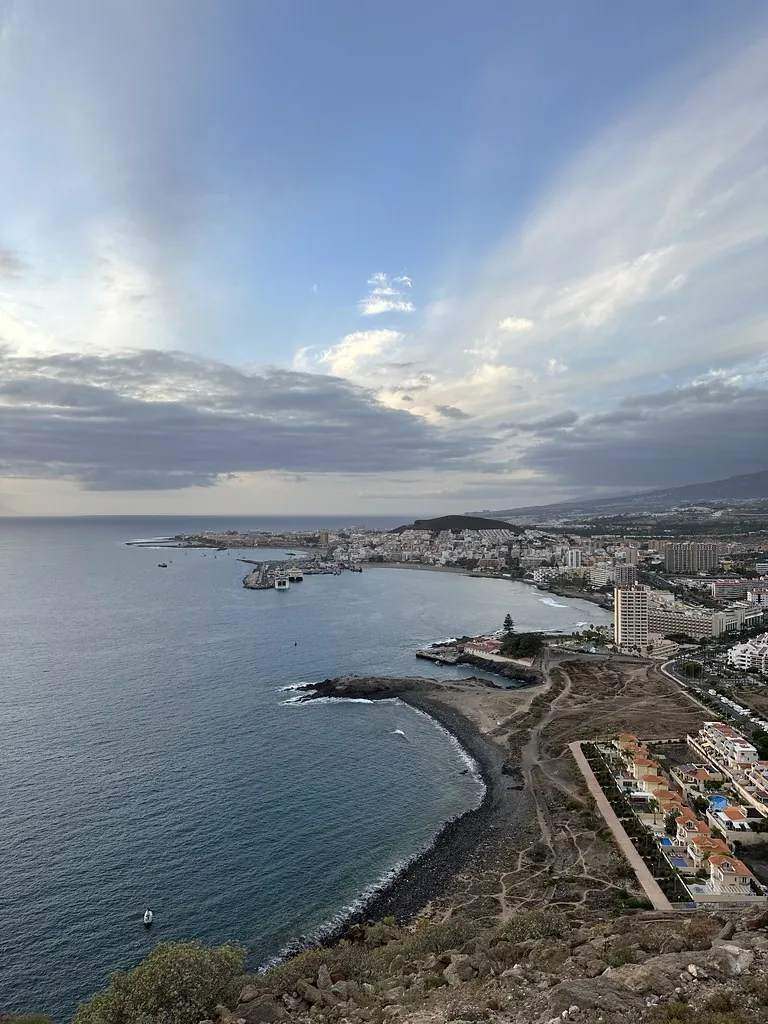
Drop seaward and the temperature rises two degrees within minutes. The coastal road (signposted "Playa") corkscrews down 300 metres through a ravine of bracken and prickly pear until the ocean fills the windscreen. Instead of a sweeping sandy bay you meet a series of rock platforms carved into narrow coves. When the swell is gentle, natural swimming pools form in the lava shelves—perfectly clear but barely waist-deep. On rougher days Atlantic breakers explode against the outer reef, sending salt spray over the low sea wall and reminding everyone why most houses down here stand empty, their green shutters banging in the breeze.
British visitors expecting Caribbean-style sand often look twice. The "beach" at Los Roques is a mixture of coarse black grit and pea-sized lava granules. Bring surf shoes; flip-flops last about five minutes before the undertow claims them. Yet photographers love the setting. At sunset the offshore roques silhouette against orange sky, producing what one Shropshire amateur described on TripAdvisor as "a sort of mini-Garachico moment without the crowds."
Trails and Detours
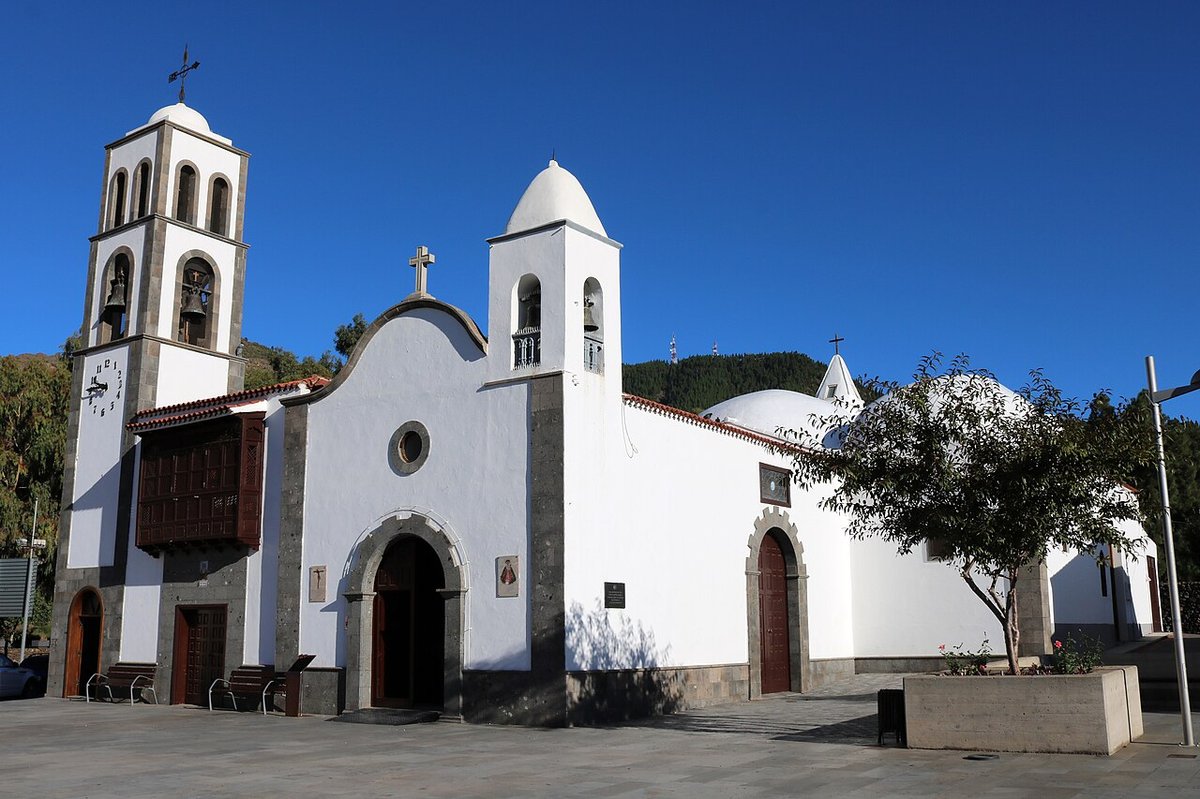
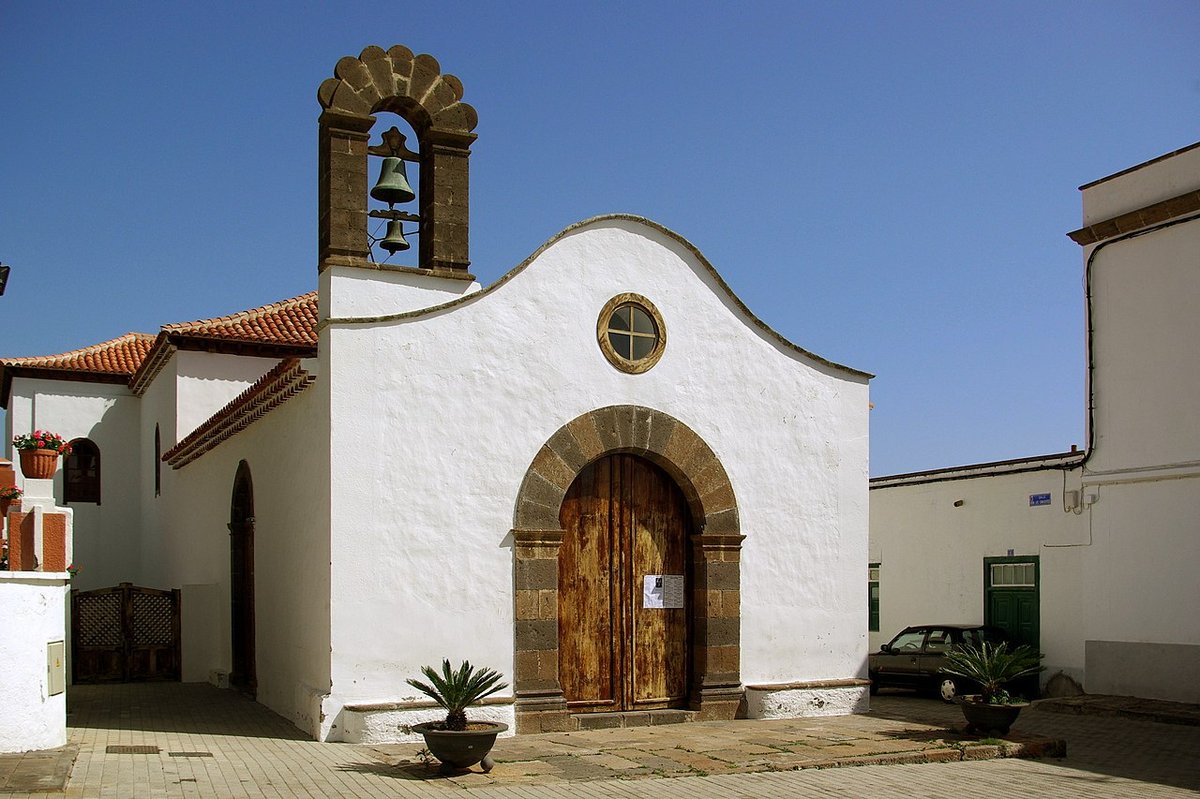
Walking options suit a spectrum of enthusiasm. The simplest circuit starts beside the eighteenth-century Iglesia de San Joaquín in the hill village: a 2 km loop on concrete lanes that skirts banana packing sheds and ends at Bar Los Castillos, where elderly locals play dominoes at 11 a.m. sharp. More energetic ramblers can follow the old camino real from Los Roques toward Las Eras, a fishermen's storehouse now reduced to rubble. The path is unsigned, hugs cliff tops and takes roughly 45 minutes each way; trainers are adequate, but leave the holiday sandals in the car. Midway you pass a stone tide-well once used to salt fish—still filled with seawater on spring tides and guarded by a territorial black lizard population.
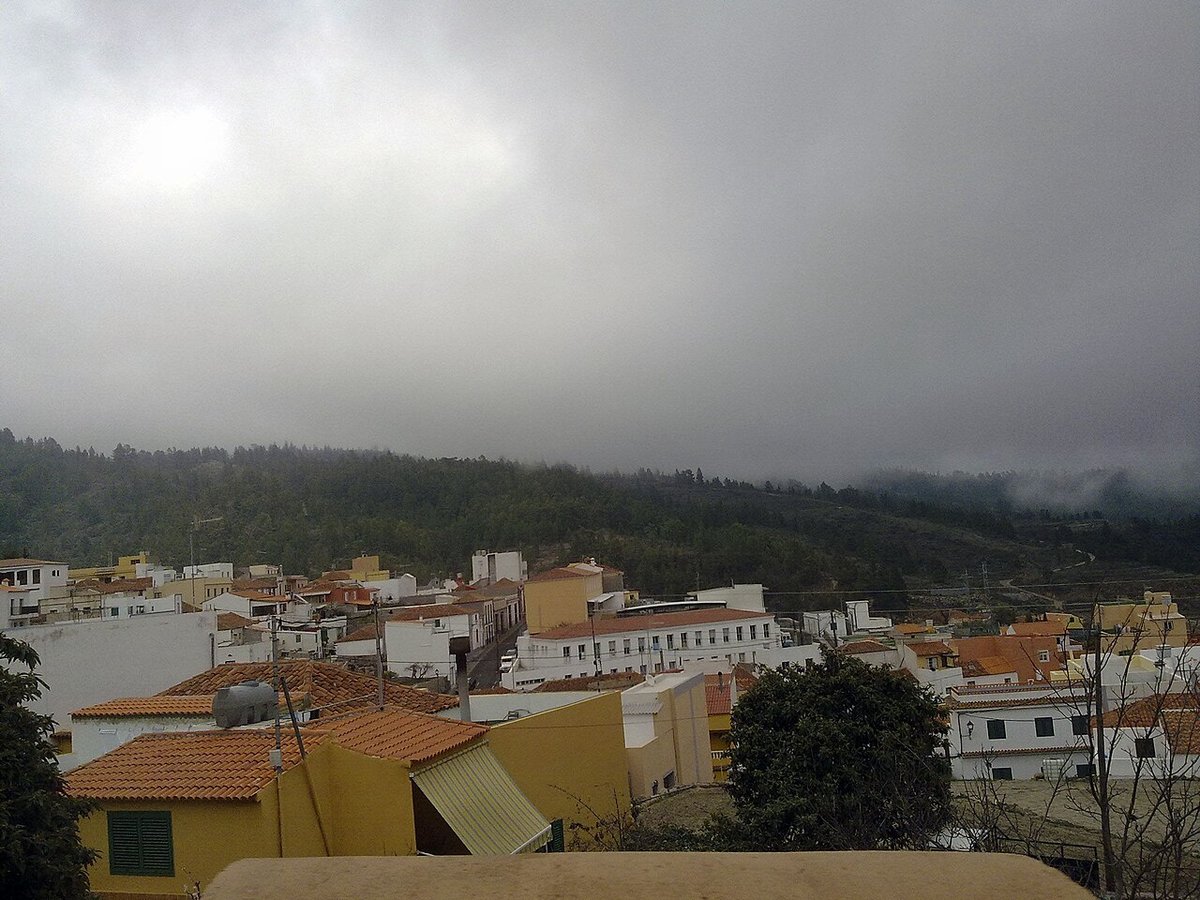
Spring and autumn provide the kindest hiking weather—daytime highs around 22 °C, cool enough to walk at midday. Summer is a different proposition. From July to September thermometers on the coast nudge 30 °C by ten o'clock; sensible visitors shift activities to dawn or late afternoon. Conversely, midwinter can bring cloud banks that spill over the ridge and smother the upper village in mist while the coast stays clear. If you wake to white-out conditions, drive downhill and you will usually find sunshine within five minutes.
What Locals Eat
Fasnia's restaurants mirror its split geography. In the hill village, Restaurante Las Palmeras occupies a converted house opposite the post office. The menu lists grilled cherne (wreck-fish) served with papas arrugadas—small potatoes boiled in heavily salted water until their skins wrinkle—and two types of mojo sauce. The green version, based on coriander and cumin, carries barely any heat by Mexican or even Indian standards; most British children treat it like ketchup. Main courses average €12–14; house wine from the neighbouring Güímar valley costs €2.50 a glass.
Down at sea level options shrink to a beach kiosk open weekends only. Stock up beforehand at the Spar in the village square: local specialities to look for are gofio (toasted maize meal) used to thicken stews, and queso blanco de cabra, a mild goat's cheese wrapped in palm leaves. A half-wheel travels well in hand luggage if you ask the deli counter for vacuum packing.
Getting There, Staying Sane
Public transport exists but follows school and commuter rhythms. Bus 121 links Santa Cruz with Fasnia twice daily; the last return leaves at 17:30, so day-trippers risk being stranded. Car hire is the realistic option. Exit the TF-1 at junction 32, follow signs for Fasnia village, and allow thirty minutes from the airport. Roads are paved but narrow; locals drive decisively—pull left and let them pass. Parking bays above Los Roques hold perhaps fifteen vehicles; arrive before 11 a.m. on a weekday and you will have your pick. Saturday fills with Tenerife families, Sunday with amateur fishermen launching hand-painted boats from the slipway.
Accommodation is limited to a handful of casas rurales. Expect stone walls, timber ceilings and, in one case, a roof terrace that surveys the coastline from El Médano to the Anaga cliffs. Prices hover around €70 a night for a two-bedroom cottage—excellent value if you crave silence broken only by cockerels and the distant hum of the motorway far below.
The Unvarnished Truth
Fasnia will disappoint anyone chasing resort-style facilities. There are no sun-lounger concessions, no beach bars playing Ed Sheeran on loop, and no cash machine within four miles of the coast. Mobile coverage drops to one bar inside the barrancos; download offline maps before you leave the village. The upside is space to breathe. On a Tuesday morning in March you can have an entire lava cove to yourself, watching shearwaters skim the swell while a farmer ploughs the terrace above with a pair of oxen.
Come prepared and the municipality gives back an authentic slice of southern Tenerife life: honest food, working countryside and a coastline shaped more by geology than by tourism boards. Ignore the guidebook clichés and you will discover that Fasnia's real charm lies precisely in what it refuses to provide.