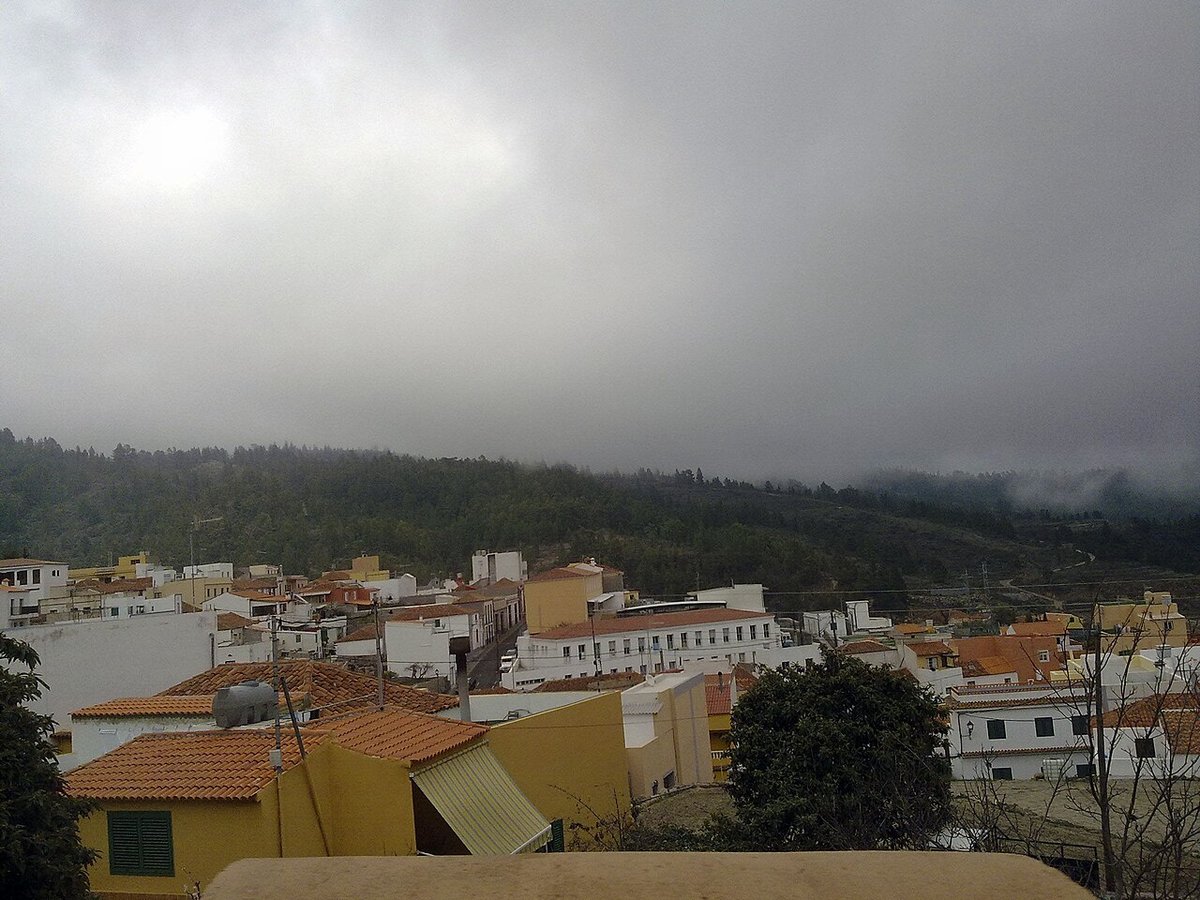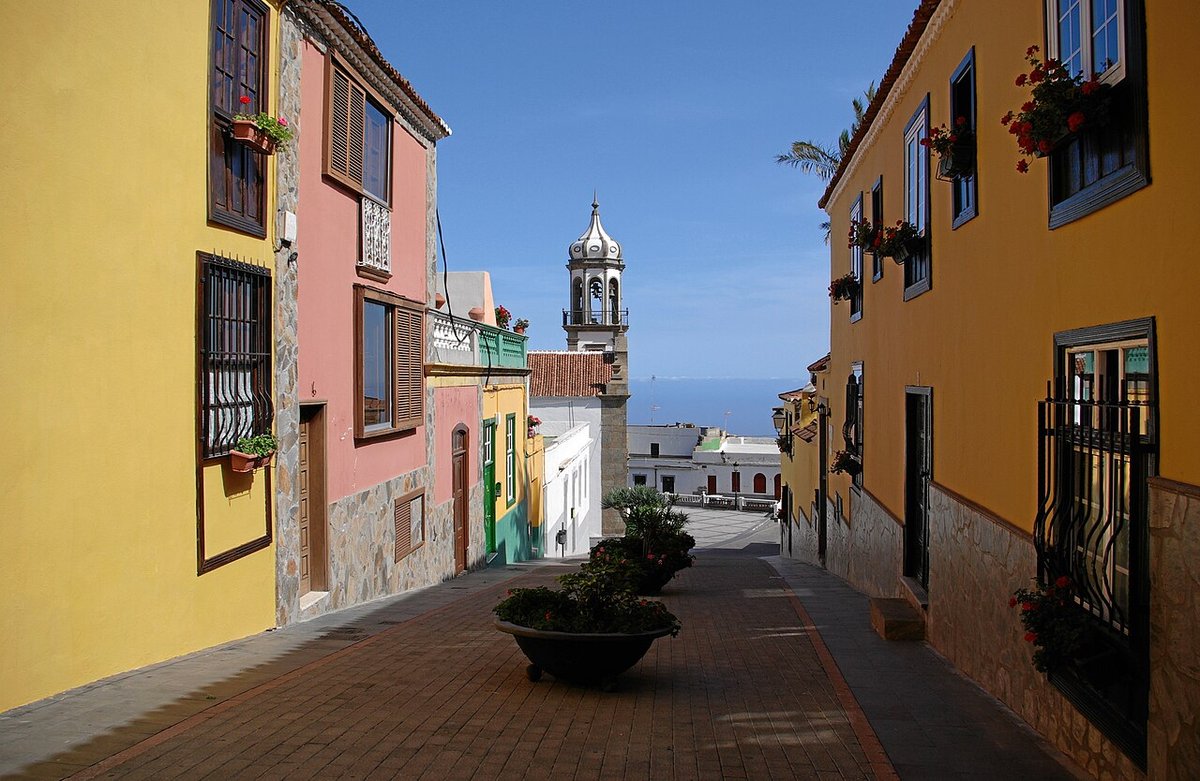
Grandilla BW 3.JPG
Berthold Werner · Public domain
Canarias · Fortunate Islands

Granadilla de Abona

The church bells echo differently here. At 600 metres above sea level, San Antonio de Padua's sixteenth-century tower catches Atlantic winds that n...

58,752 inhabitants · INE 2025
650m Altitude
Coast Atlántico

Why Visit

Coast & beaches El Médano Beach Windsurfing and kitesurfing

Best Time to Visit

year-round

San Antonio de Padua Festival (June) junio

Things to See & Do
in Granadilla de Abona

Heritage

  • El Médano Beach
  • Saint Brother Pedro’s Cave
  • Red Mountain

Activities

  • Windsurfing and kitesurfing
  • hiking to Montaña Roja
  • visit the old town

Festivals
& & Traditions

Fecha junio

Fiestas de San Antonio de Padua (junio)

Las fiestas locales son el momento perfecto para vivir la autenticidad de Granadilla de Abona.

Full Article
about Granadilla de Abona

Large municipality that includes the south airport and El Médano beach; a world-class spot for wind sports.

Ocultar artículo Leer artículo completo

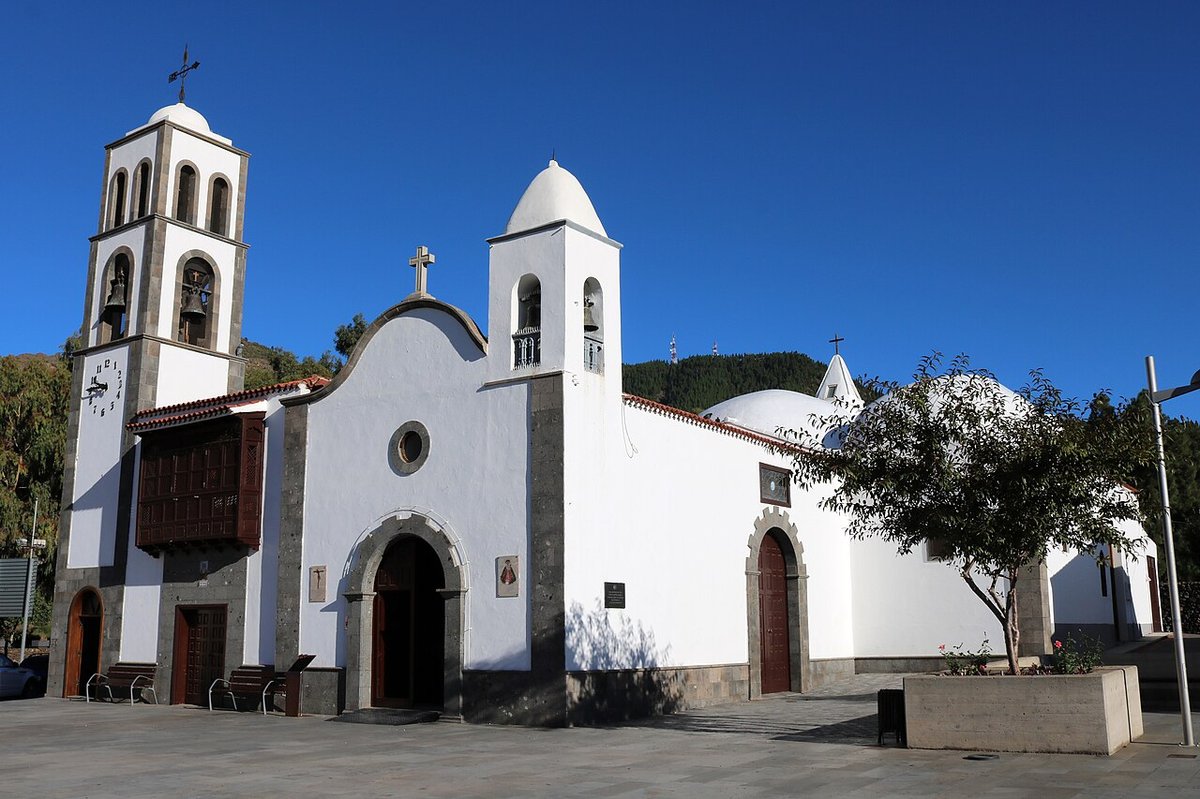
The church bells echo differently here. At 600 metres above sea level, San Antonio de Padua's sixteenth-century tower catches Atlantic winds that never quite reach the package-holiday coastline below. Granadilla de Abona's historic centre floats between two worlds—close enough to Tenerife South Airport that you'll hear departing jets, yet stubbornly attached to an older Canarian rhythm of agricultural cycles and volcanic stone.

This split personality defines the municipality. Drive fifteen minutes downhill and you'll hit El Médano's windswept beaches, where kitesurfers launch themselves into dependable Atlantic breezes. Head uphill instead and the temperature drops five degrees, the architecture shifts to traditional Canarian houses with wooden balconies painted Mediterranean blue, and elderly locals still measure distance in walking time rather than kilometres.

The historic centre rewards early risers. By nine o'clock on Saturday mornings, Calle Arquitecto Marrero's meticulously restored facades catch golden light without a tourist in sight. The street feels more Cartagena than Cádiz—those pastel-coloured colonial details that surprise British visitors expecting mainland Spanish austerity. Volcanic stone foundations support whitewashed walls, while green-painted timberwork hints at the island's Portuguese influences. It's photogenic without trying, particularly when morning mist clings to the surrounding peaks.

Between Barranco and Beach

Granadilla's geography reads like a geology textbook. The town proper sits in the foothills of the Corona Forestal, looking down towards a coastline formed by recent volcanic activity. This elevation creates microclimates within the municipality itself—walkers setting out from the church square might start in cool mountain air and finish sweating on black volcanic sand.

The Barranco del Río trail exemplifies this diversity. Starting barely five minutes from the town centre, the path descends through agricultural terraces that predate the Spanish conquest. Ancient irrigation channels still channel precious water past abandoned watermills and communal washing areas where locals scrubbed clothes until the 1970s. The walking's straightforward for anyone with decent footwear, though the descent becomes a thigh-burner on the return journey. Midweek, you'll likely have it to yourself bar the occasional goat herder.

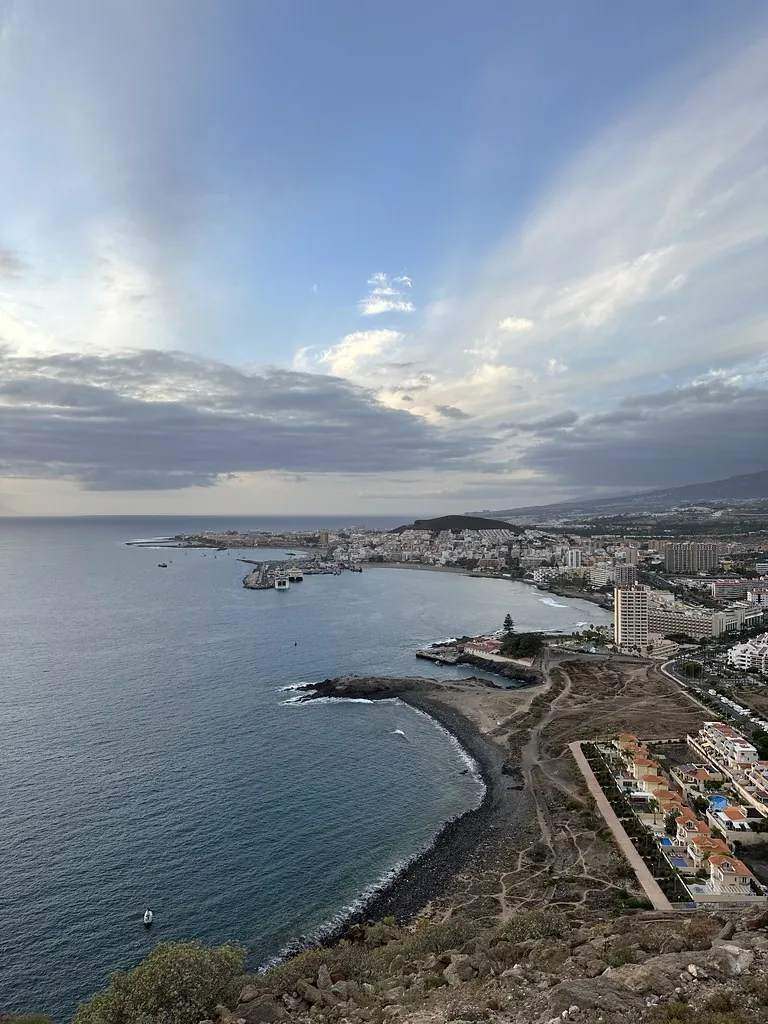
Coastal Granadilla tells a different story. El Médano emerged from fishing village to windsurfing mecca during the 1980s, when enthusiasts discovered that the natural wind tunnel between Montana Roja and the harbour created near-perfect conditions. Today it's refreshingly unpolished—no all-inclusive complexes here, just low-rise apartment blocks, seafood restaurants where morning catch becomes lunch, and a beach culture that mixes German windsurfers with local families. The wind matters more than the weather; when it blows hard, the atmosphere crackles with adrenaline. Calm days feel almost Mediterranean.

La Tejita provides contrast. This natural beach stretches for kilometres beneath Montana Roja's volcanic cone, protected from development by its status as a nature reserve. The sand gets properly hot in summer—flip-flops essential—and swimming can be treacherous when currents run strong. But for space and relative solitude within easy reach of civilisation, it's hard to beat. The adjacent car park fills quickly at weekends; arrive before ten or face a lengthy walk from the overflow.

Practical Realities

British visitors often misjudge the logistics. Granadilla town works brilliantly as a half-day excursion from coastal accommodation, but less well as a base for beach holidays. The fifteen-minute drive from El Médano involves a 500-metre climb on winding TF-64—perfectly manageable in a hire car, less appealing after a late dinner. Public transport exists but requires patience; hourly buses connect to Costa Adeje and Santa Cruz, but services tail off by early evening.

The altitude brings genuine climate differences. Even in August, evenings in the historic centre can feel cool enough for a jumper, while coastal temperatures remain balmy. Winter visitors find the reverse—mountain sunshine feels warmer than you'd expect at this latitude, particularly when the Trade Winds create cloud cover below. Pack layers regardless of season; Tenerife's weather is localised enough that you might need shorts and a fleece on the same day.

Food follows traditional Canarian lines rather than international tourist menus. Local restaurants serve papas arrugadas—small potatoes boiled in seawater until their skins wrinkle—accompanied by green coriander mojo and red pepper sauce. The combination works brilliantly with crisp local white wines made from Listán Blanco grapes grown on volcanic soils. Goat cheese appears in various stages of maturity; the fresh version resembles mild feta, while aged examples develop complex flavours worth exploring. Prices run lower than coastal resorts—a three-course lunch with wine typically costs €12-15.

When the Celebrations Start

Granadilla's festival calendar reveals community priorities. June's San Antonio celebrations transform the historic centre into a hybrid religious celebration and agricultural fair. Locals decorate balconies with embroidered shawls, while farmers display their finest produce in the shadow of the church. The atmosphere feels genuinely participatory rather than performance for tourists—foreign visitors welcome but not essential to the proceedings.

Coastal festivities focus on the sea. August's Virgen del Carmen festival sees El Médano's fishing boats decorated with flowers for maritime processions that combine Catholic ritual with ancient Guanche traditions honouring water spirits. The contrast with inland celebrations illustrates the municipality's dual identity within a few kilometres' distance.

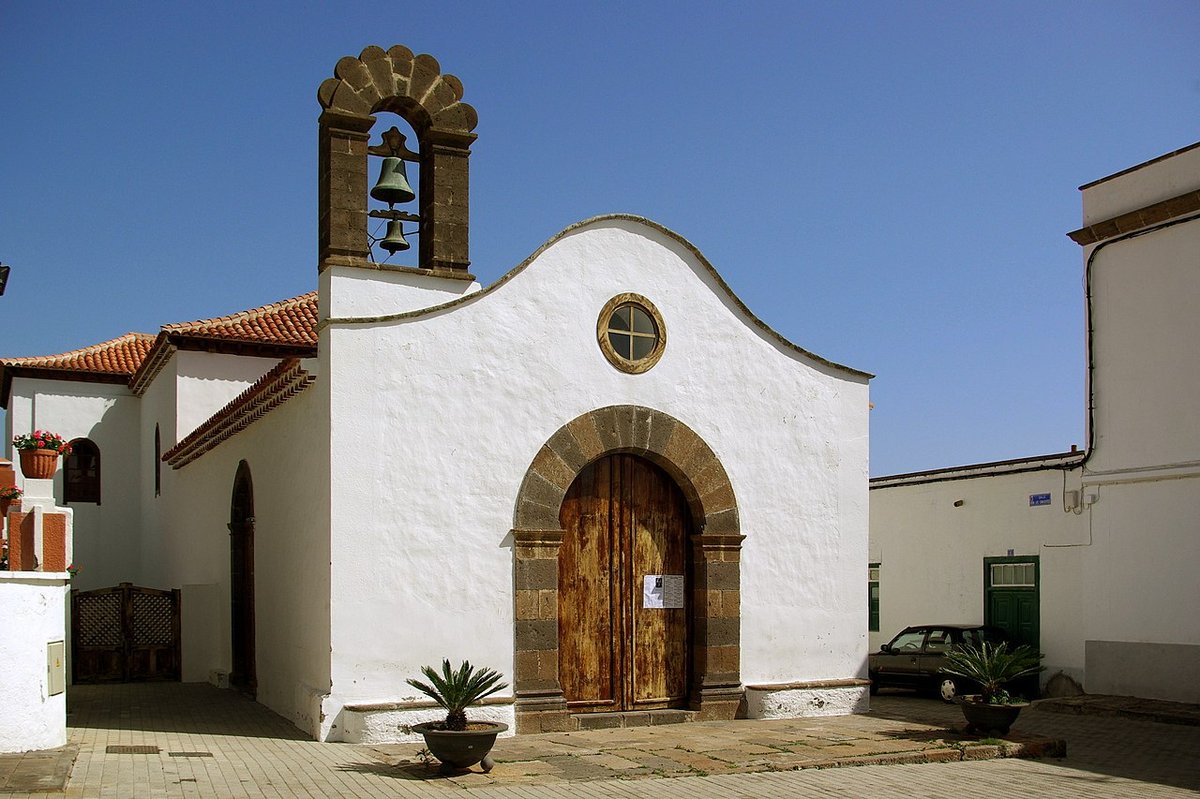
The Romería de San Isidro in May provides perhaps the best introduction to traditional Canarian culture. Locals dress in traditional costume—think flowing skirts and waistcoats rather than flamenco clichés—to parade agricultural produce through streets carpeted with flower petals. The event culminates in communal feasting and folk dancing that continues until dawn. British visitors often stumble upon it accidentally; those who stay find themselves invited to share local wine and stories about emigration to Venezuela in the 1950s.

The Honest Assessment

Granadilla de Abona won't suit everyone. Beach-focused holidaymakers might find the historic centre too quiet after dark, while culture seekers could find El Médano's windsurf scene too specialised. The municipality's strength lies in its variety—you can hike volcanic landscapes, eat traditional food, and watch world-class watersports without driving more than twenty minutes. But this requires planning and probably a hire car.

Summer crowds concentrate on the coast, particularly during July and August when Spanish families holiday. The historic centre remains peaceful even then, though accommodation options are limited—Senderos de Abona's rural hotel provides the standout choice, occupying a carefully restored traditional house with mountain views. Winter brings different challenges; occasional storms can make coastal swimming dangerous, while mountain trails become muddy after rain.

The airport proximity cuts both ways. Transfers are blissfully short, but flight paths occasionally disturb the rural tranquility. Most visitors adapt quickly, treating aircraft noise as background hum rather than intrusion—rather like living near a main road in Britain, noticeable initially then filtered out.

Come for the contrast rather than a single experience. Granadilla works best as a base for exploring Tenerife's quieter side—morning coffee in the historic centre, afternoon on La Tejita's wild beach, evening tapas while watching windsurfers perform aerial ballet against Atlantic sunsets. It's neither hidden nor undiscovered, just honest about what it offers: a working Canarian municipality that happens to contain some exceptional places within its boundaries.

Key Facts

Region
Canarias
District
Sur de Tenerife
INE Code
38017
Coast
Yes
Mountain
No
Season
year-round

Livability & Services

Key data for living or remote work

2024
ConnectivityFiber + 5G
HealthcareHealth center
EducationElementary school
Housing~5€/m² rent · Affordable
CoastBeach nearby
January Climate18.6°C avg
Sources: INE, CNMC, Ministry of Health, AEMET

Official Data

Institutional records and open data (when available).

  • Llanos De Ifara
    bic Zona Arqueológica ~6.5 km
  • Caserío Sobre La Fuente
    bic Sitio Etnológico ~1.4 km
  • Iglesia Y Antiguo Convento Franciscano
    bic Monumento ~0.5 km
  • Iglesia De San Antonio De Padua
    bic Monumento ~0.9 km
  • Secadero De Tabaco
    bic Sitio Etnológico ~0.6 km
  • Ermita De San Isidro Labrador
    bic Monumento ~4.6 km

Planning Your Visit?

Discover more villages in the Sur de Tenerife.

View full region →

More villages in Sur de Tenerife

Traveler Reviews