Full Article
about Guía de Isora
Blends a traditional hillside town with luxury coastal tourism; offers spectacular sunsets over La Gomera.
Ocultar artículo Leer artículo completo
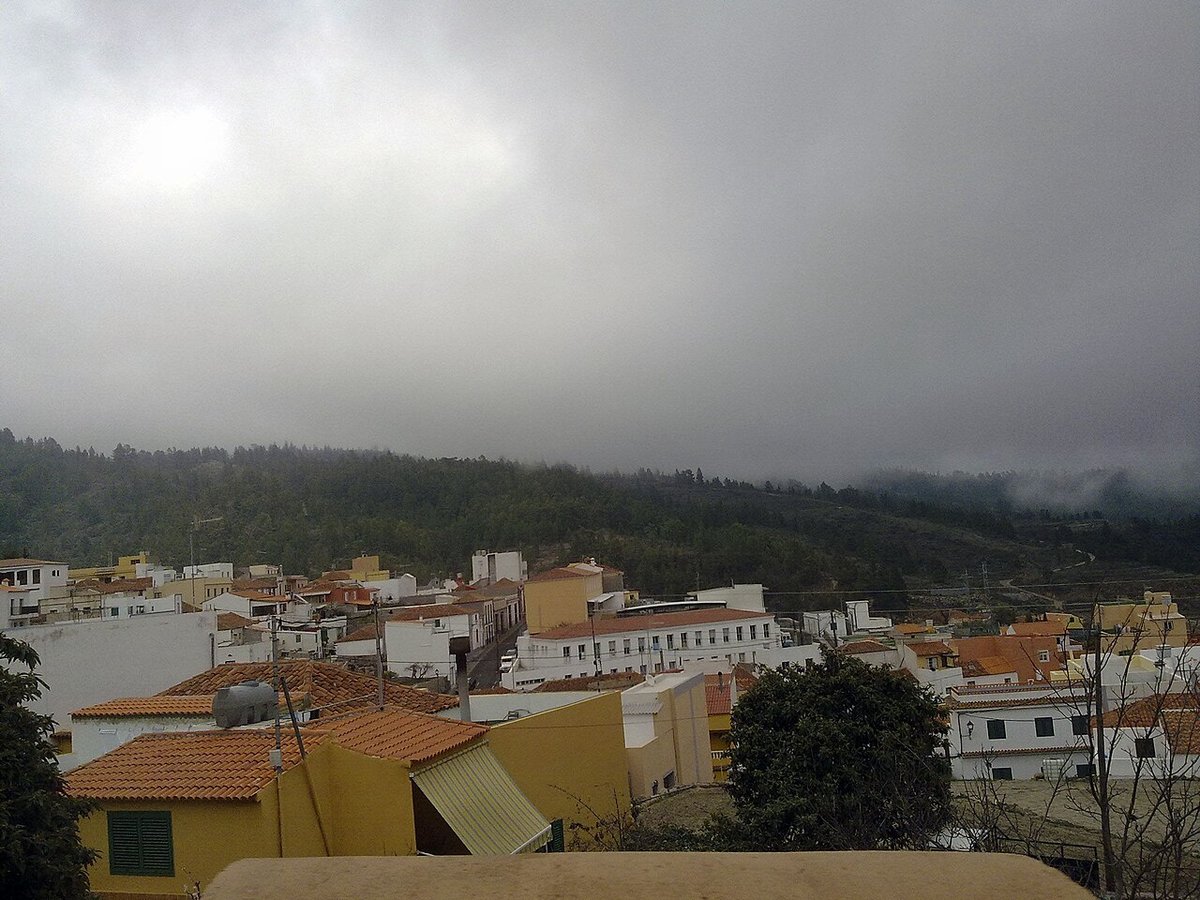
The old road from the autopista corkscrews upward through banana crates and abandoned terraces until the Atlantic suddenly flips below you like a blue coin. At 560 m Guía de Isora’s main square is already cool enough for a jumper in January, yet twelve minutes later you can be toe-deep in black sand at Playa San Juan, coat stuffed in the boot. That vertical shortcut, the TF-82, is the village’s everyday party trick: two climates for the price of one hire car.
Up Top: Stone, Almond Blossom and the Sixteenth-Century Bell
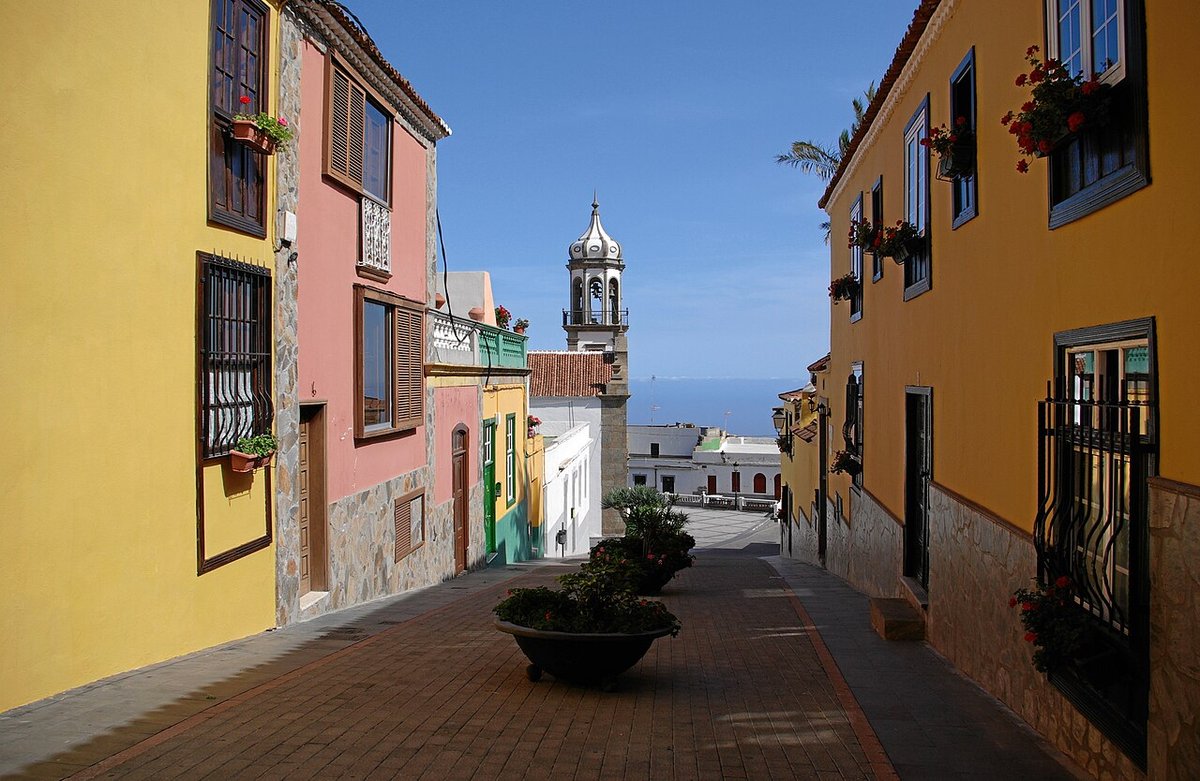
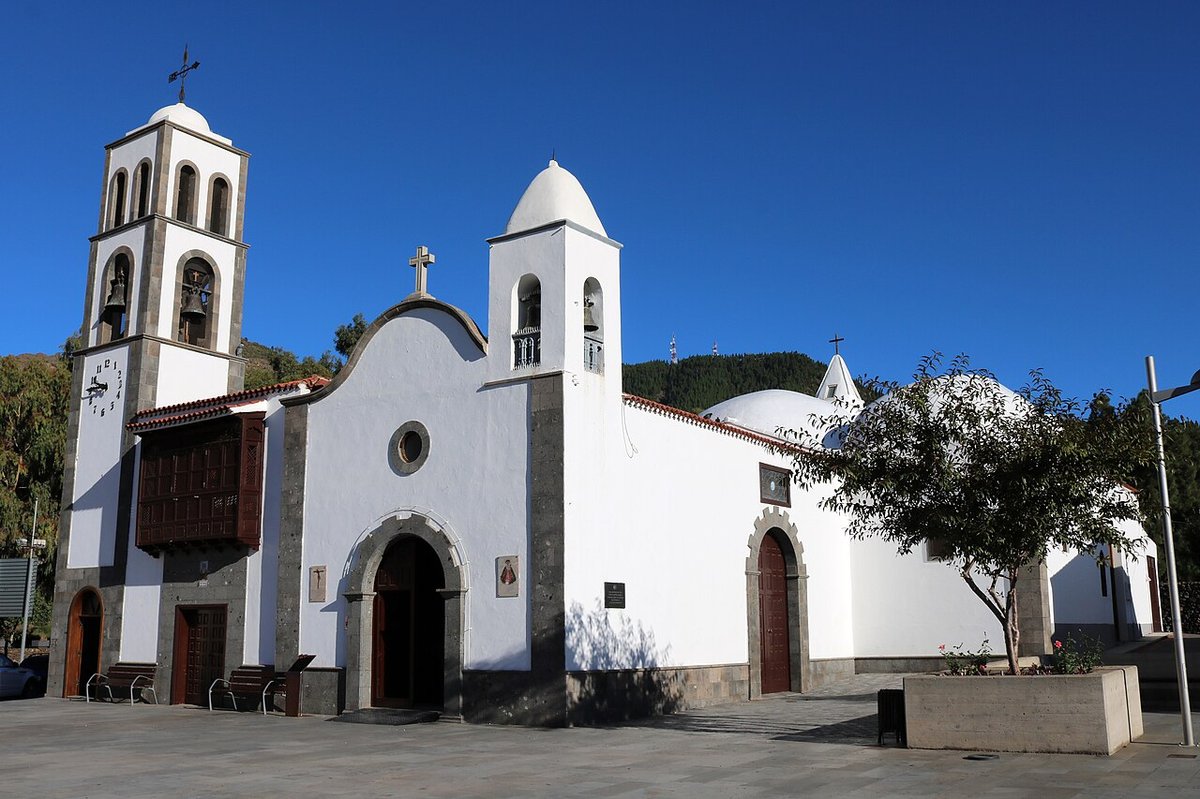
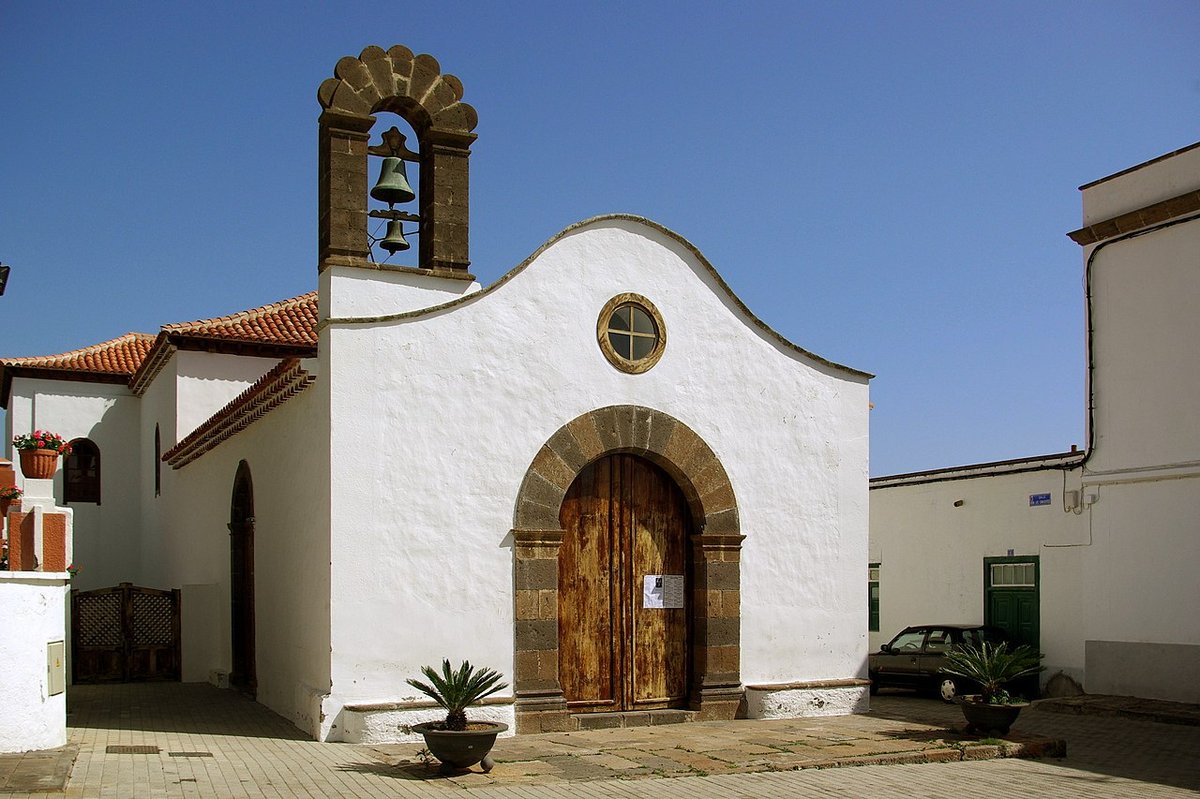
The historic centre is no bigger than a British market town’s car park. Houses of volcanic ashlar lean over lanes just wide enough for a Seat Ibiza and a sleeping cat. The Iglesia de Nuestra Señora de la Luz, begun in 1550, squats at the midpoint; its cedar doors open at 08:00 for mass and again at 18:30, letting the scent of candle wax drift across the plaza where old men already have the bench warm. Inside, a 1940s plaster Virgin wears a mini crown said to have been paid for with coins collected after the Spanish Civil War—local devotion in literal form.
Walk fifty paces east and you hit the old public laundry, a stone trough fed by a piped mountain spring. On Saturday mornings two or three women still scrub rugs while chatting across the suds; photograph quickly, then leave them to it. Beyond the laundry the street dissolves into almond orchards that explode pink in late January—weeks earlier than Kent and a favourite detour for winter-sun pensioners staying down on the coast. There are no entrance fees, no gift shops, only a honesty-box stall selling 250 g bags of salted almonds for €2; bring exact change.
Down Below: Fishermen’s Tapestry and Lava-Rock Pools
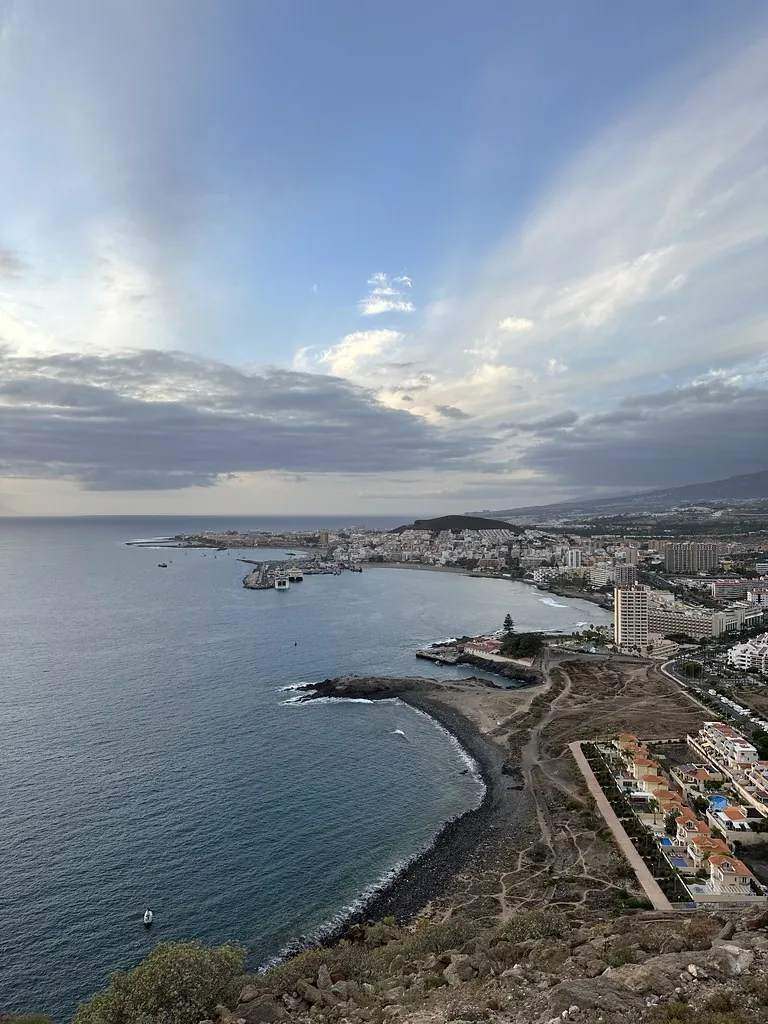
Drop the car into fourth and descend 400 m through vineyards of Listán blanco grapes. The temperature gauge on the dashboard climbs a degree every thirty seconds. Playa San Juan appears first: a horseshoe of black sand, a concrete pier, and a row of cafés whose awnings advertise Full English at €5.50 but secretly prefer to serve grilled cherne with papas arrugadas. The promenade is flat, pushchair-friendly and exactly 1.2 km end to end; early risers walk it before 09:00 when the sun still sits behind the cliff and the benches are in shade.
Carry on another kilometre to Alcalá, where the road is forced to stop by a tongue of lava that entered the sea in 1706. The resulting rock pools warm to bath temperature by midday and are sealed off from big waves by a natural breakwater—safe paddling for toddlers provided the Atlantic isn’t coughing up a swell. On the western headland the fishermen’s co-op opens at 11:00; order the vieja (parrot fish) and it arrives ten minutes later, backbone already removed, tasting like cod that has been to the gym. A plate is €14, half the hotel rate up the hill.
Walking the Lava Scar
Serious boots aren’t required, but flip-flops will be laughed at. From the upper edge of Alcalá a cinder track enters the Barranco de Erques, a five-kilometre volcanic gorge that cuts right back into the mountains. The path is graded “moderate” by the island council, which translates as “no shade, no bins, no mobile signal”. Take two litres of water per person and start before 09:00; by 11:30 the sun ricochets off the basalt walls and the thermometer can add another eight degrees. Reward comes in the form of stone cairns that mark old threshing circles and, halfway up, a view west to La Gomera silhouetted like a cut-out on the horizon.
If that sounds too much like hard work, drive three kilometres inland to the village of Chío where a signed 45-minute loop threads through terraced potato plots and returns you to the bar of the same name. Coffee is €1.20 and they’ll refill your bottle from the cold tap by the door—accepted practice all over the municipality.
Winter Sun Sums
January delivers six hours of sunshine on nine days out of ten; the mercury hovers round 20 °C at sea level but feels like 15 °C once the Atlantic breeze picks up after 16:00. A lightweight fleece earns its luggage space. Rain is possible but usually arrives horizontally and is gone within an hour; the black sand dries fast enough to brush off your shoes. July and August reverse the numbers—30 °C on the coast, 24 °C on the plaza—and parking in Playa San Juan becomes a competitive sport. March and late October give the best compromise: 24 °C, uncrowded pools, almond blossom or early grapes depending on altitude.
Where to Stay, Where to Sip
Most British visitors bed down in the hotel strip between Alcalá and Playa San Juan: Gran Meliá Palacio de Isora, Allegro Isora, and a cluster of self-catering apartments. The resorts are separated from village life by a single coastal road; cross it and hotel prices halve. A caña in the San Juan marina is €2; add another €1.50 for a view of the infinity pool next door. Sunday is supermarket shut-down day—only the Spar in Playa San Juan opens 09:00–14:00, so stock up on Saturday if you’re catering for yourselves.
Wine drinkers should ring ahead to Bodegas Reverón in the upper lanes (English spoken, tours €12 including three glasses). Their malvasía seca clocks in at 13 % and travels well in hold luggage—wrap a T-shirt round the bottle and hope for the best.
Departing Thoughts
Guía de Isora will never tick the “wow” box the way Teide’s crater does, and that is precisely its appeal. It is a working municipality where bananas leave in lorries, not postcards, and where the same family has mended nets on the Alcalá pier since 1952. Come for the climate shortcut, stay long enough to walk the barranco, eat fish you can name, and realise the island still has a ground floor that most airport buses simply bypass. If you leave without climbing the TF-82 at least once, you will have missed the whole point.