Full Article
about San Miguel de Abona
A municipality that blends farming, golf, and coastal tourism; it has a marina and historic sites.
Hide article Read full article
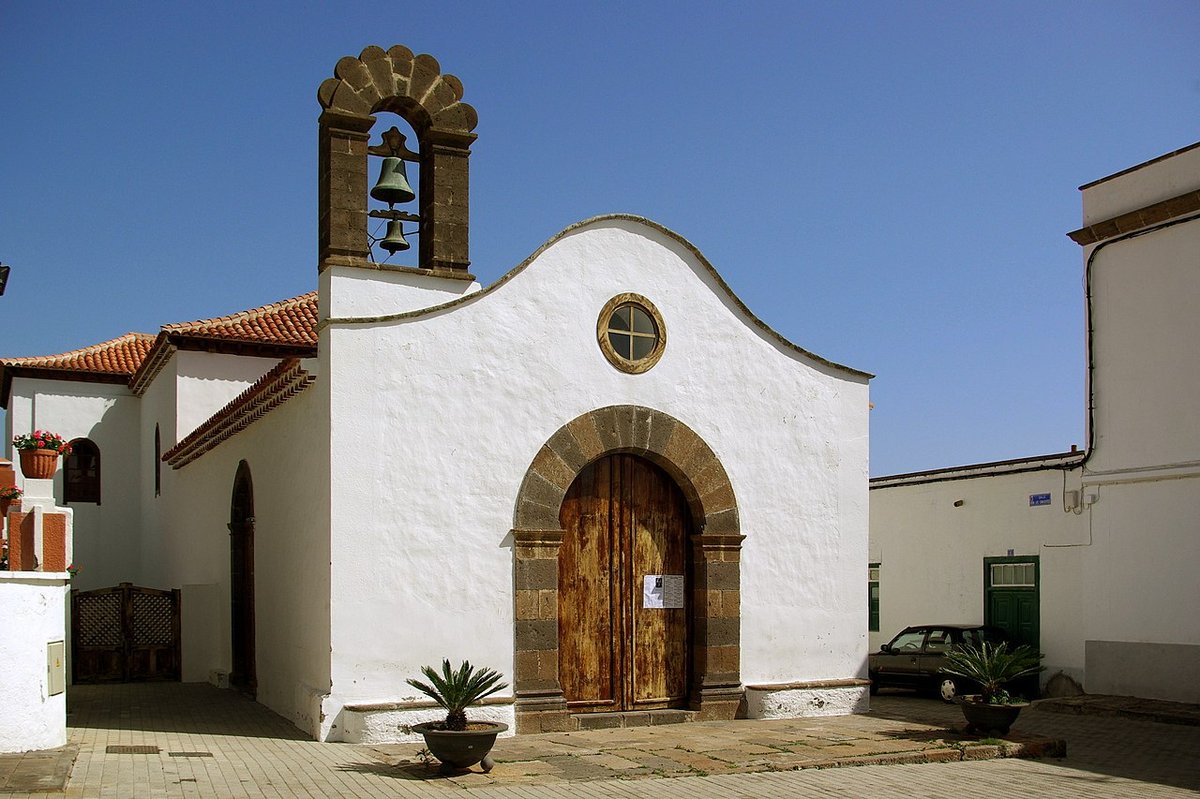
The smell of gofio escaldado reaches you before the village centre comes into view. It is one of those early signs of San Miguel de Abona that rarely appears in brochures. The road climbs inland, and the pace shifts. Volcanic stone streets begin to creak underfoot, houses with pitched roofs show the wear of the wind, and a dry quiet settles over the higher south of Tenerife. Church bells and the occasional early door breaking open are often the only interruptions.
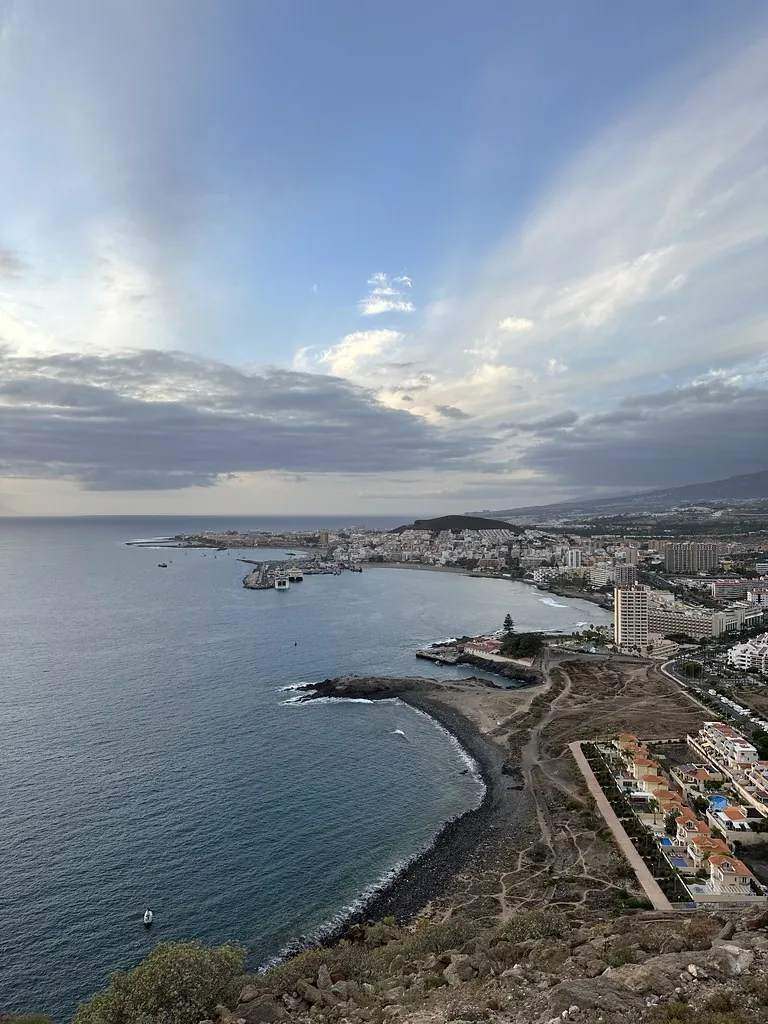
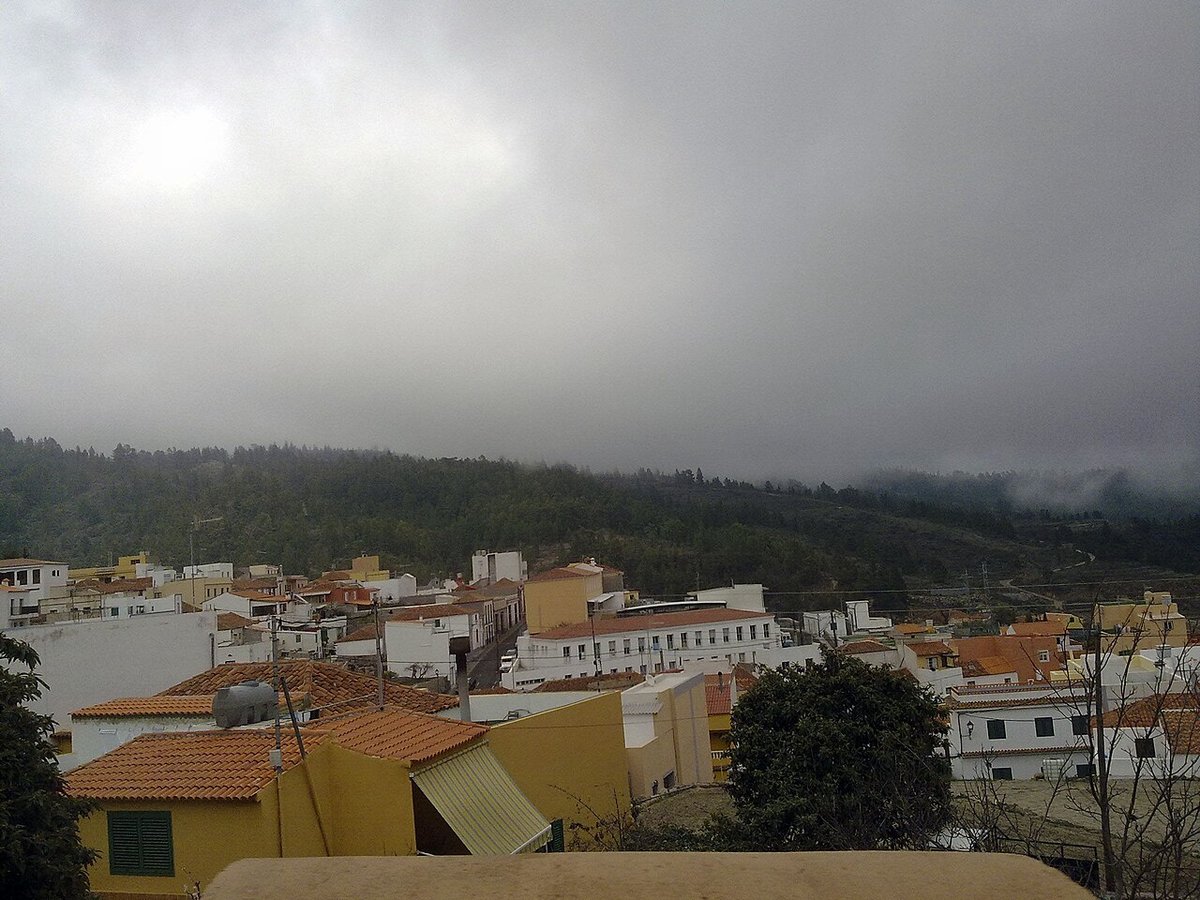
From the viewpoint of La Centinela, the south of the island spreads out like an uneven map. Golf courses sit on what were once volcanic slopes, the Atlantic stretches dark in the distance, and above it all the outline of Teide appears when the air is clear. In this area, rock engravings have been documented and attributed to the ancient Guanche inhabitants of the menceyato of Abona. Circles and markings etched into basalt still face the sea, centuries on.
From the high streets to the marina
Heading down from the historic centre, the resinous scent of pine gives way to salt in the air. Around the marina, boats remain lined up and mostly still, while a few set out towards the channel between Tenerife and La Gomera. When the sea is calm, pilot whales and other cetaceans are sometimes spotted in these waters.
At an unassuming terrace, something typical of the southern coast often appears on the table: jarea asada. These are strips of salted fish, often horse mackerel, grilled until dry on the outside and tender within. It is usually served with papas arrugadas, the wrinkled salted potatoes that are a Canary Islands staple, along with local wine made from grape varieties cultivated on these slopes for generations.
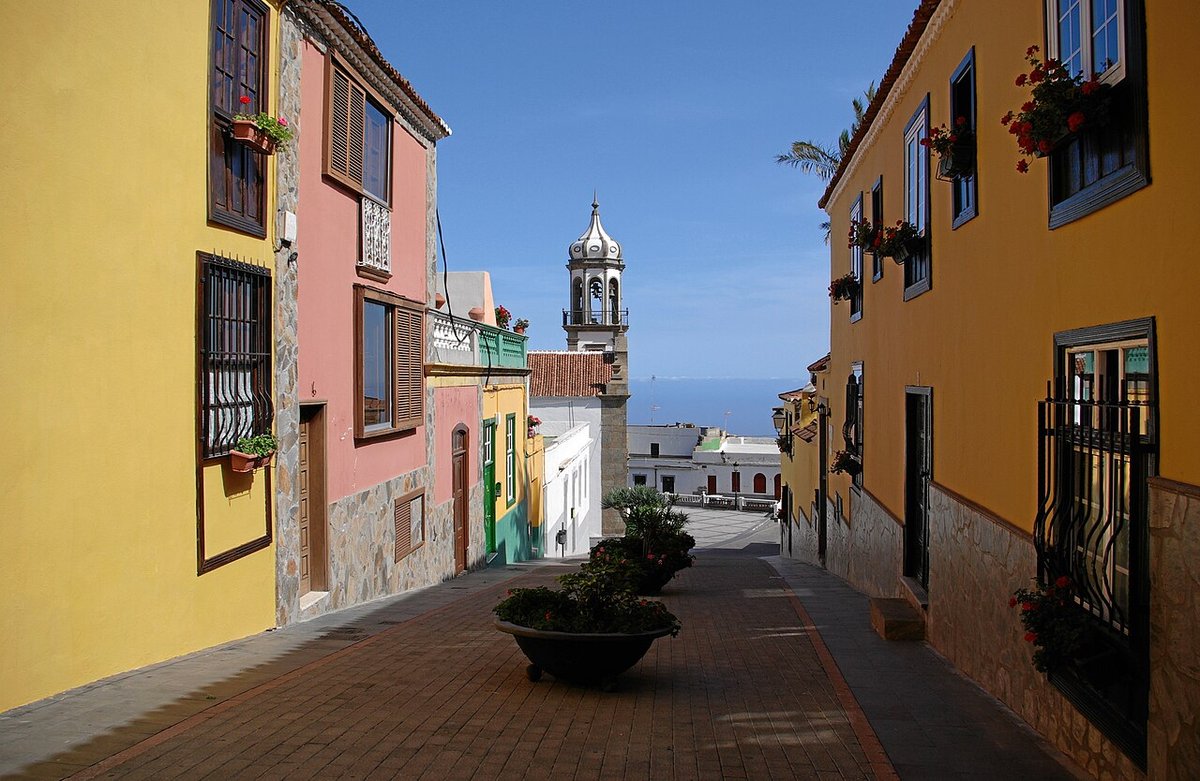
Back uphill, the historic centre makes more sense at a slower pace. Old houses lean into one another, with dark wooden balconies casting shade over the narrow streets. In the Casa de El Capitán, a well-preserved building from the old settlement, there is often activity linked to ceramics. Clay is worked here much as it has been for centuries on the island: simple forms, slow firing, hands marked with earth.
Flavours of the countryside
By midday, the sun falls directly overhead and the air carries the scent of thyme and warm soil. In neighbourhoods such as Las Zocas or scattered rural hamlets across the municipality, cooking still follows long-established ways. Conejo al salmorejo is a regular dish, rabbit marinated with wine, garlic and cumin, then left to cook for hours until it turns dark and thick.
Queso asado also appears frequently. The surface is toasted until almost caramelised, while the inside stays soft. It is usually topped with mojo, sometimes the red variety flavoured with paprika and cumin, and something sweet such as palm honey or floral honey.
Vineyards cover the volcanic slopes, where the soil is black and light. It does not retain much water, yet it holds heat well. Grape varieties such as listán negro and malvasía thrive in these conditions, adapting to constant wind and scarce rainfall. The wineries here tend to be small and closely tied to the agricultural landscape, many still working with fairly traditional methods.
Nights of fire and sound
On the night of San Juan, at the end of June, bonfires fill the square and some of the surrounding neighbourhoods. The smell of burning wood mixes with that of papas arrugadas, and voices carry late into the night. Chácaras, a type of traditional percussion instrument, and drums appear at some point, without much ceremony.
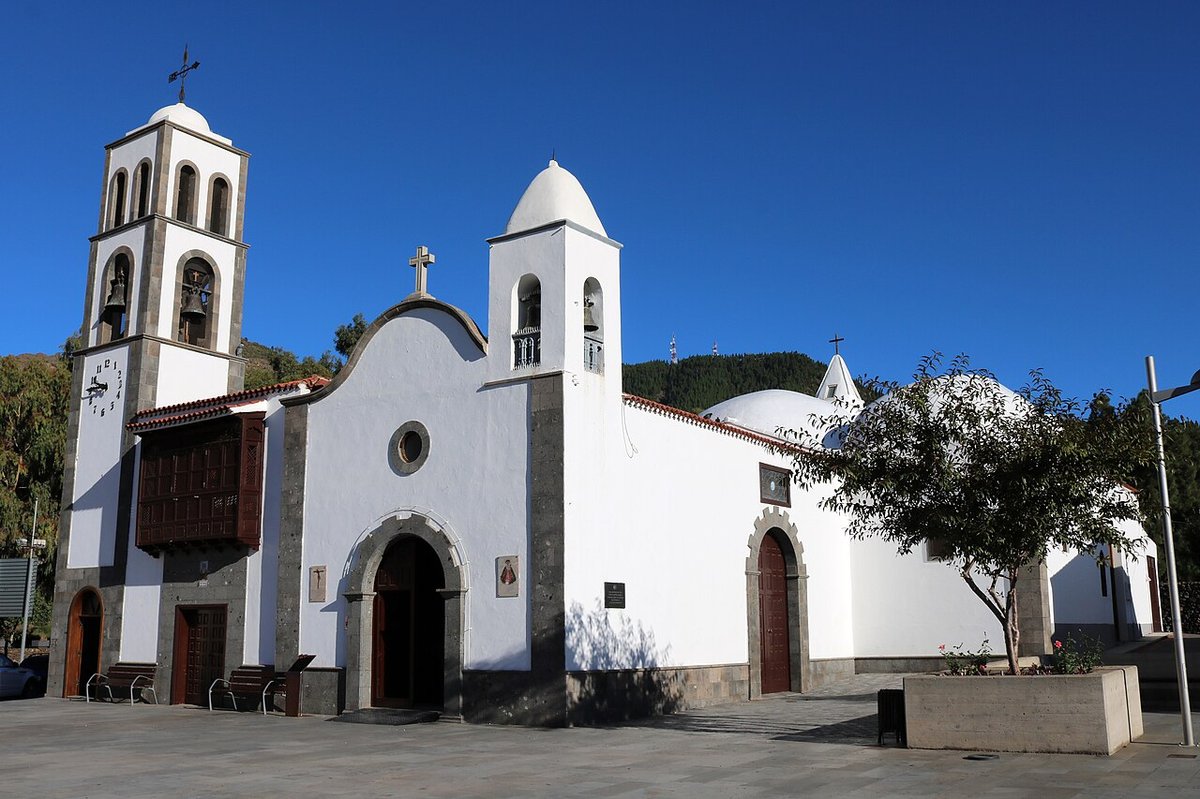
At the end of September, the municipality celebrates the festivities of San Miguel Arcángel, its patron saint. The image is taken in procession through the historic centre, accompanied by bands. During these days the tone of the town shifts. There are more people in the streets, temporary stalls appear, and activity spreads across different neighbourhoods.
If the atmosphere becomes too busy, it only takes a short walk beyond the centre to find quiet again. Paths leading towards the midlands pass old tile kilns, dry stone walls and small caves carved into soft volcanic rock known as tuff.
Timing your visit
Spring is often a good time to explore the municipality on foot. The countryside keeps a little more green than in summer, and the wind tends to be easier to handle. Early in the morning, light arrives at a low angle, clearly defining the volcanic shapes around La Centinela.
August brings a noticeable contrast. The coastal areas become lively, while the historic centre remains relatively calm during the day. In winter, it is worth bringing an extra layer if heading up to higher ground. The wind can be strong, and temperatures drop quickly towards evening.
One way to understand San Miguel de Abona is to move between its different elevations. Starting at La Centinela at sunrise and finishing near the sea, along the path that follows the southern cliffs, brings the whole picture together. Between those two points lies the logic of the municipality: older agricultural life holding on in the midlands, and a coastline reshaped in just a few decades.
Before leaving, stepping into one of the ceramic workshops offers a final glimpse of this continuity, where the rhythm of hands shaping clay still follows patterns set long ago.