Full Article
about Vilaflor de Chasna
One of Spain’s highest municipalities; ringed by pine forests near Teide; clean air and rural quiet.
Ocultar artículo Leer artículo completo
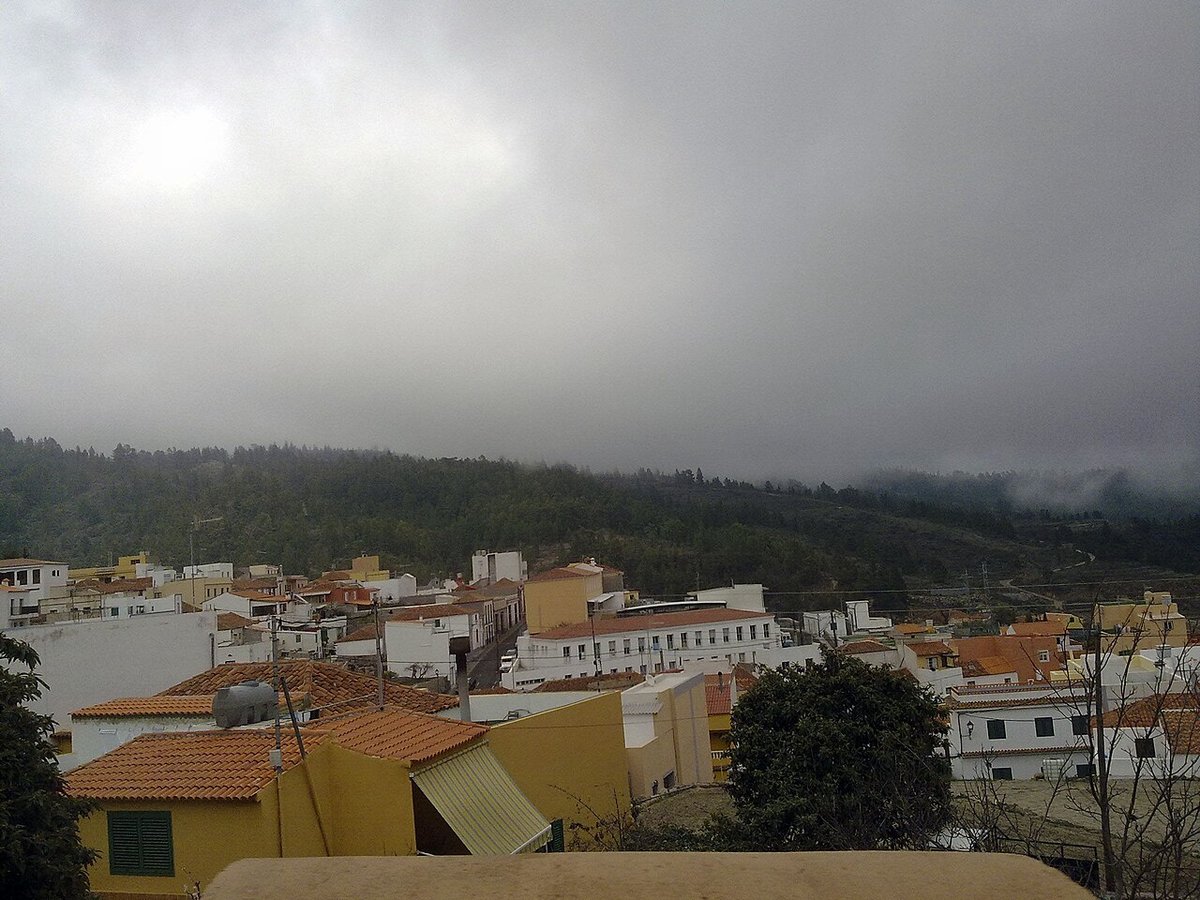
The thermometer outside the chemist reads 14 °C at midday in April, and the pine trunks are still beaded with last night’s drizzle. Most visitors who land at Reina Sofía that morning will be on the coast by now, towels pegged out on sun-loungers, yet here—1,450 m above them—Vilaflor de Chasna keeps its coat on. Cloud drifts across the church square like smoke from an invisible bonfire; someone has lit the wood-burner inside the bakery and the smell of almond biscuits leaks under the door.
Altitude does strange things to an island reputation built on winter sun. The village is only 25 km from Playa de las Américas, but the drive up the TF-21 switchbacks feels like entering a different country. Palms give way to Canarian pines, the air thins, and the souvenir stalls evaporate. What replaces them is the quiet clop of hiking boots on basalt cobbles and the sight of elderly men in flat caps arguing over cards beneath a 400-year-old cedar.
A Square That Still Belongs to Locals
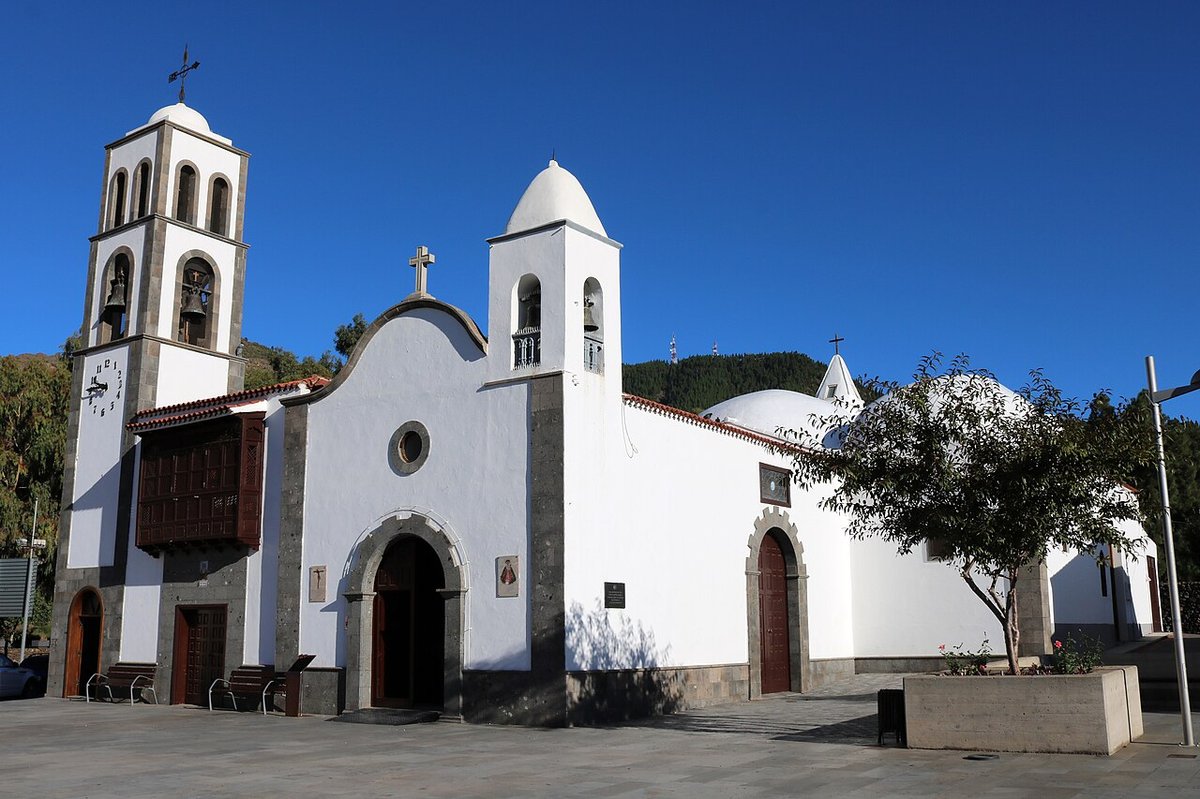
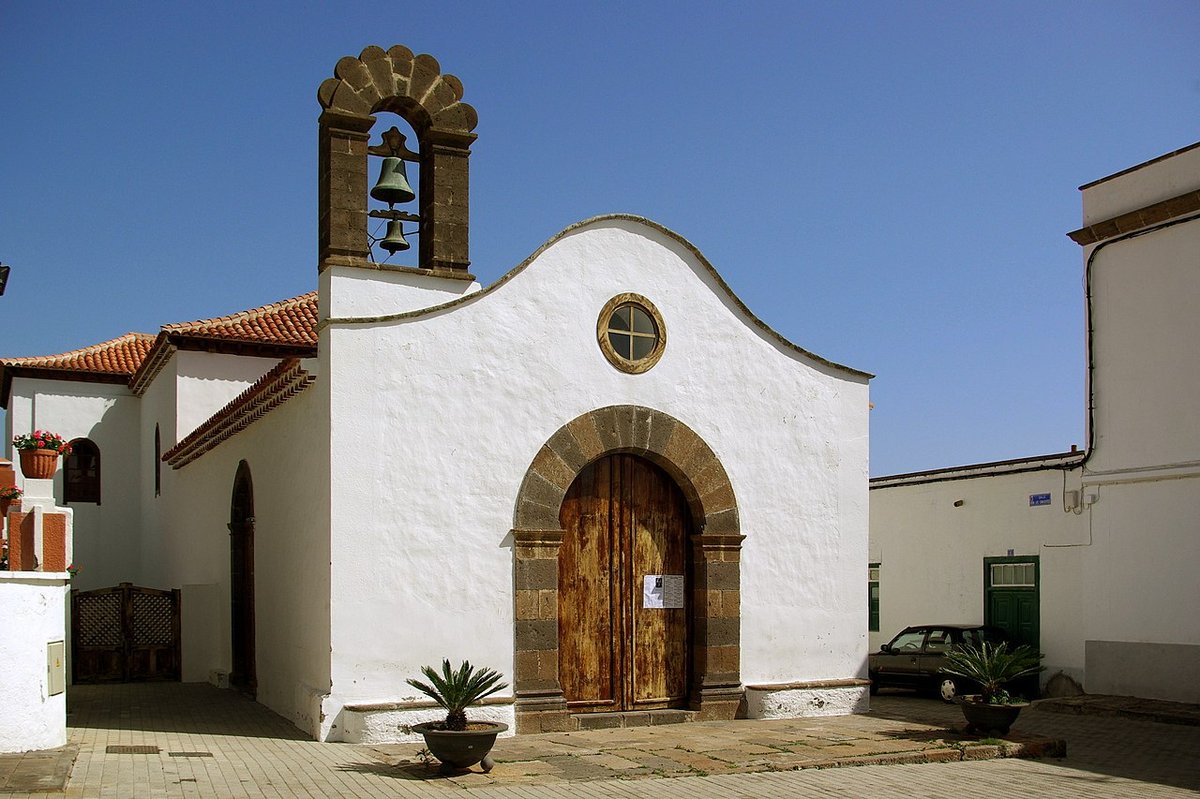
San Pedro Apóstol, butter-coloured and barn-solid, closes one side of the plaza. Its bell tolls the hour at a leisurely pace, as if the altitude has slowed the mechanism. Opposite, the village bakery displays tortas chasneras—shortbread discs flavoured with mountain honey—still warm enough to bend. They sell out by 11 a.m.; after that you get yesterday’s batch, and the woman behind the counter will tell you so without apology. Next door, the cooperative pours malvasía wine into plastic bottles that once held fizzy water. The label reads “D.O. Abona, 1,200 m” and tastes, improbably, like a dry Loire Sauvignon that has been on a sunshine holiday.
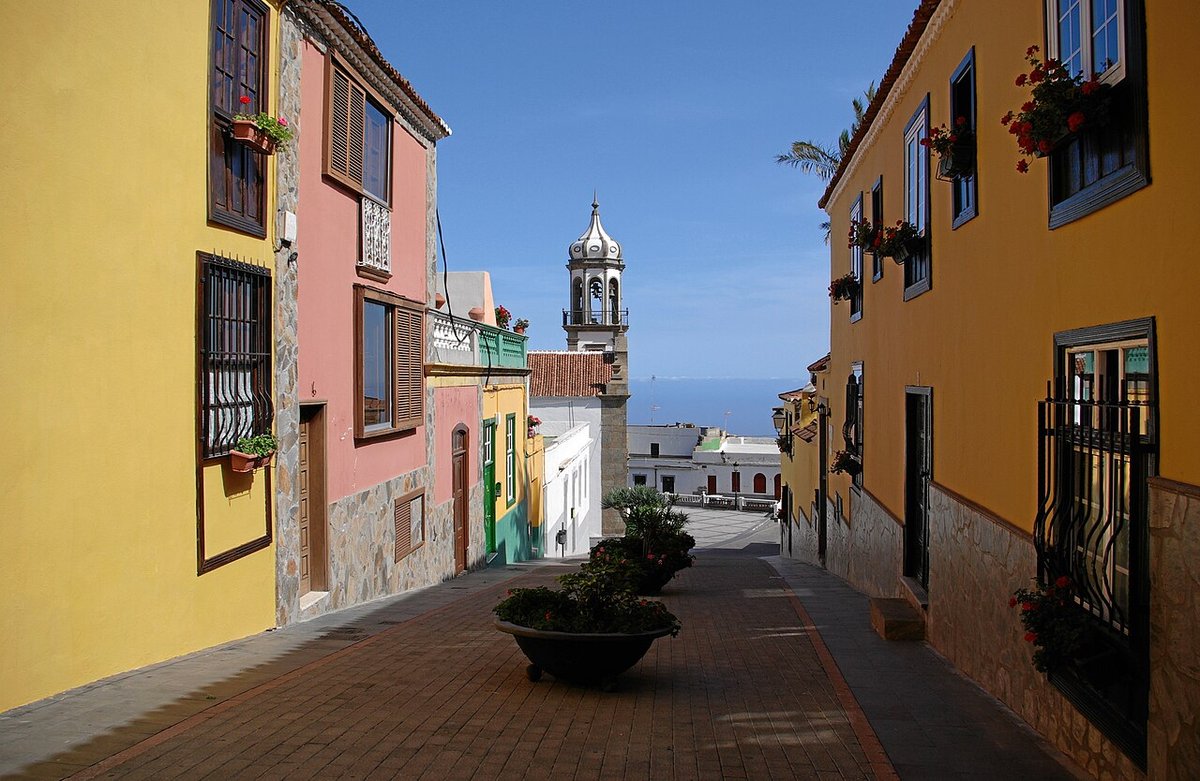
Houses round the square are low, single-storey and roofed with volcanic scree to keep the Atlantic gales from lifting the tiles. Balconies are painted the green of oxidised copper; geraniums drip over in orange waterfalls. Nothing is “restored” in the boutique sense—wood is replaced when it rots, walls whitewashed when they flake. The effect is less postcard, more working museum, and the mobile-phone shop has been squeezed into what was once a goat shed without bothering to hide the feeding trough.
The Almond Snow of Late Winter
Between January and mid-March the slopes below the cemetery turn into a pale blizzard. Almond blossom opens so suddenly that farmers speak of it in the voice normally reserved for rain at Wimbledon. The trees were planted in the 1950s after a vine blight; their nuts now fetch enough to keep smallholdings viable. A footpath marked “SL-143” circles the orchards in 45 minutes—more if you stop to photograph the Teide massif rising like a shark fin above the white petals. Early morning is best: by midday tour buses disgorge walkers who have read about the blossom on a blog and want the selfie without the climb. They stay twenty minutes, buy a bag of sugared almonds, leave again. The village regains its echo.
Pino Gordo and the Lunar Illusion
Five minutes by car (fifteen if you walk the lane) stands the island’s most over-achieving tree. Pino Gordo—Fat Pine—measures 45 m round the base and 25 m tall, a geriatric grandfather in a forest of saplings. A wooden platform lets you gawp without spraining your neck; information panels give the girth in Olympic swimming pools, a unit nobody asked for. The spot is really a drive-through lay-by, but it marks the start of the PR-TF72, the so-called Lunar Landscape route.
Ignore the name: the trail is half moonscape, half quarry. Erosion has scooped ochre gullies into the volcanic ash, and when the mist drops it feels like hiking through a bowl of stale trifle. The full circuit demands four hours and 600 m of ascent; turn round at the first ridge and you still get the orange-and-indigo geology without the knee torture. Footing is slippery grit—trainers suffice in dry weather, but British hikers in May have met sleet here; pack a windproof and don’t trust the coast-based forecast.
Eating Above the Clouds
Vilaflor’s restaurants close early and without ceremony—kitchens finish at 21:00 even on Saturday. Guachinche Vi-la-flor, a shed tacked onto someone’s garage, serves a chuletón for two that covers the entire plate. The meat arrives sizzling on a terracotta tile; chips are optional and largely pointless. Start with queso asado drizzled in palm honey—mild, nutty, none of the goaty after-taste that puts children off. House red comes from a barrel labelled “vino de la casa”; ask for it fresco and you get something chilled, almost Beaujolais-like, perfect after a day on scree.
If you prefer cutlery that matches, head to Hotel Villalba’s dining room. Their three-course menú del día costs €22 and includes water plus a quarter-bottle of local wine—civilised, if less fun than negotiating the communal tables at the guachinche. Either way, finish with rosquetes de vino, biscuits flavoured with dessert wine that soften spectacularly when dunked in English breakfast tea back at the B&B.
Getting Stuck, Getting Out
Public transport exists but only just. TITSA bus 342 trundles up from Costa Adeje at 08:15 and 15:00; the return leaves Vilaflor at 12:30 and 16:30. Miss the last one and a taxi to the beach resorts is €70—more than the hire car you turned down at the airport. If you drive, fill the tank in the south; the village petrol station locks its pumps at 14:00 and all day Sunday. Snow chains are mandatory above 2,000 m between November and March; car-hire firms won’t supply them, so check the weather before setting off for the Teide cable car, still another 25 minutes uphill.
Accommodation is limited to a handful of small hotels and rural houses. The smartest, the Villalba, has a spa burrowed into the basalt—book the evening session and you’ll share the thermal pool with German hikers discussing blister tape. Budget beds are available in the Hostal La Casona, where walls are a foot thick and Wi-Fi drifts in and out like the cloud. Sundays are genuinely quiet: the supermarket shutters, the bakery sells only coffee, and even the church bells seem to sleep in.
Why You Might Leave After Lunch
Vilaflor does not do “full days”. Two hours buys you the square, the church, the blossom path and a bag of warm biscuits. Stretch it to four by walking part of the lunar trail, add another for lunch and you have still clocked off before siesta. The village works best as a breather between coast and crater—somewhere to remember what pine resin smells like when nobody is trying to sell it to you in a candle. Arrive expecting medieval grandeur and you will be disappointed; arrive wanting cooler air, quiet pavements and wine that costs less than a London pint and you will stay till the last bus down.