Full Article
about Mogán
Tourist destination with the island’s best climate; known for Puerto de Mogán (“Little Venice”) and its deep ravines.
Hide article Read full article
When the light plays tricks
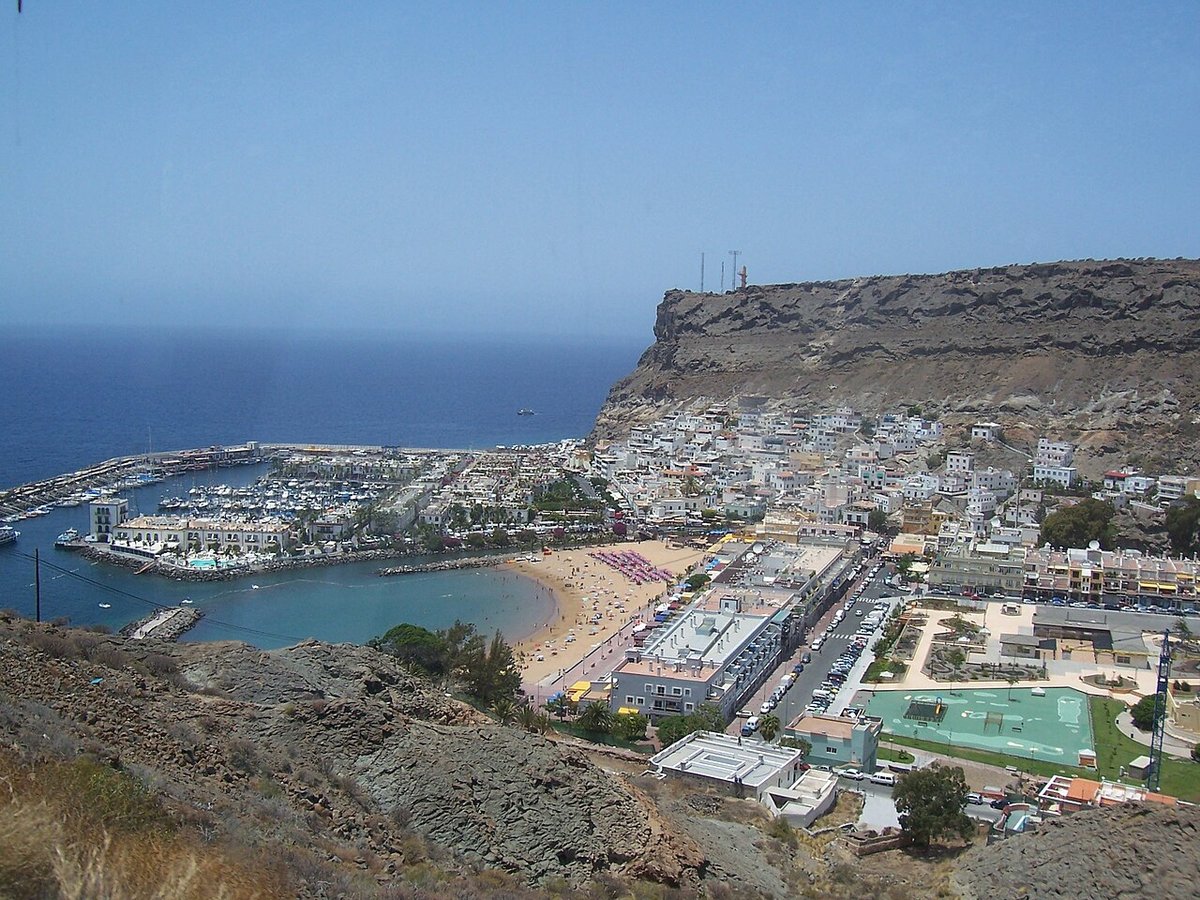
There is a moment, around four in the afternoon, when Mogán looks almost artificial. The sun drops low enough that the houses around the Puerto seem like painted props, and the sea turns the kind of colour you might expect from a 1970s magazine. It lasts about ten minutes. That brief shift explains something essential about this part of Gran Canaria. With more than three hundred days of sunshine a year, even the sky seems to settle into a routine and repeat it.
A municipality larger than it first appears
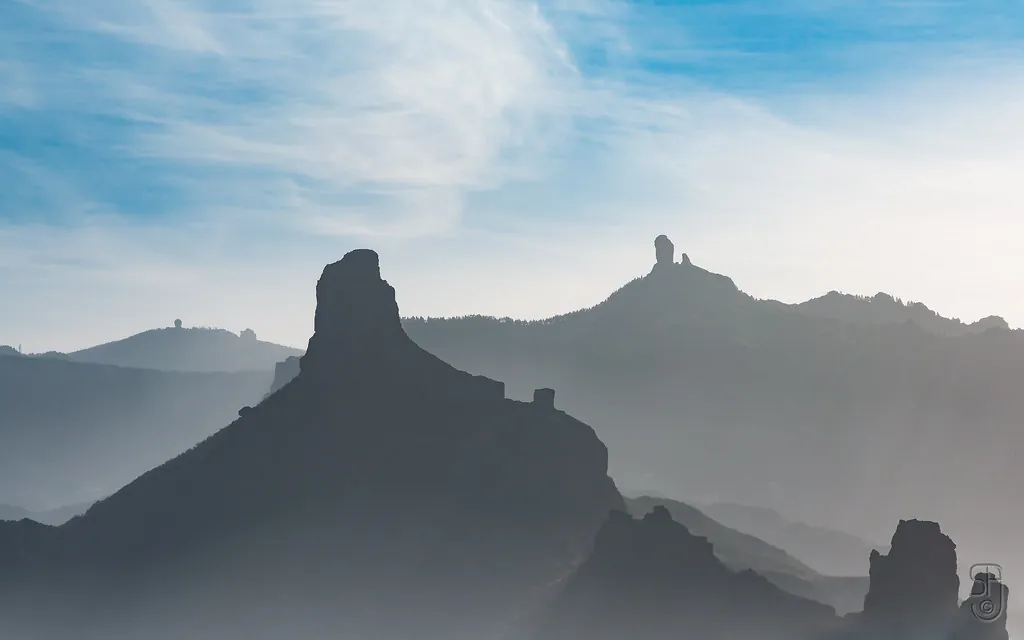
Mogán is the second largest municipality on Gran Canaria, though it rarely feels that way on arrival. Many visitors stay around the Puerto, often promoted as “the Canarian Venice”, and assume the rest of the area is simply the road leading there. A glance at the map tells a different story. Mogán stretches across roughly 170 square kilometres, running from the coast up into the high ground, with ravines climbing close to 1,500 metres. It feels as if the island began with a strip of shoreline and then folded upwards into hills and valleys.
The history follows a pattern seen across much of the Canary Islands. For centuries, life here was defined by isolation and demanding agricultural work. Change arrived in the twentieth century, when tourism reshaped the coastline. Mogán did not become an independent municipality until the nineteenth century. Before that, the land sat between neighbouring territories and was used mainly for grazing and crops. Over time came the church of San Antonio, export agriculture linked to foreign traders, and later, in the 1970s, the development of the marina that transformed the coastal area.
Canals, crowds and quiet moments
Puerto de Mogán is easy to like, though not always easy to take in large doses. Some days are calm, others feel busy enough to resemble an open-air terminal. Fridays tend to bring a sizeable market, filling the promenade with people browsing stalls and carrying bags.
Arrive earlier in the day and the tone shifts. Before the heat builds, the small bridges and canals are quieter, and there is still the everyday movement of fishermen getting ready for the day. At that hour, the place feels less arranged and more lived in.
The “Venice” comparison owes more to marketing than to history. The canals are part of the design of the development built around the marina. Still, they do their job. People pause on the bridges to take photos, and the water below is often clear enough to spot fish moving beneath the surface.
Heading inland
The character of Mogán changes quickly once you leave the coast. A short drive inland brings a different landscape altogether. Within a few kilometres lies Mogán village, where the pace slows noticeably. White houses, shade in the square, and a sense that time is less pressing define daily life here.
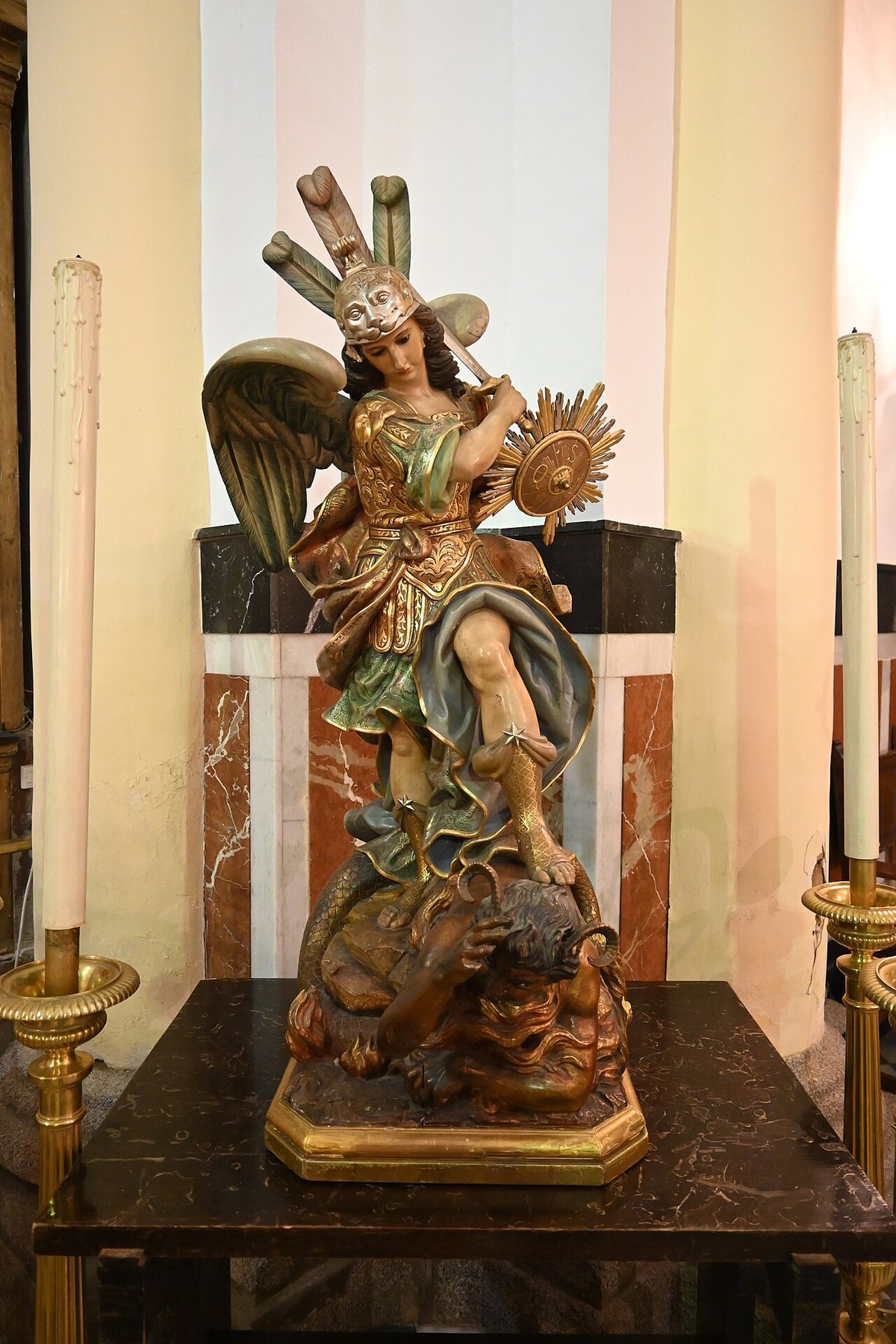
Local celebrations help shape the rhythm of the year. The festivities of San Antonio are among the most prominent, with a romería, a traditional procession, and people wearing local dress filling the streets. It is one of those occasions when the village becomes lively, though the crowd tends to be made up of people from across the island rather than only visitors.
From this area, several walking routes follow the ravines. One of the best known leads down towards the coast via Lomo de los Gatos, where remains of an ancient indigenous settlement can still be found. It is not a large, signposted archaeological site. Instead, there are stones, open ground, and a quiet sense of walking through a place that was inhabited many centuries ago.
What the photos tend to miss
Mogán holds a surprising number of archaeological sites scattered across its ravines. Many are small and lie outside the usual routes, which means they often go unnoticed.
Another point of interest is the Molino Quemado, an old structure that still stands above the valley. Its name is literal. A fire more than a century ago left part of the building marked, and those traces remain visible today. It stands somewhat alone, overlooking the ravine as if keeping watch.
Food, of course, is part of the experience. In this area of Gran Canaria, the foundations are familiar: papas arrugadas served with mojo sauce, salted fish prepared in the style of sancocho, and plenty of gofio, a traditional toasted grain flour used in different ways. Gofio escaldado, for instance, can look slightly unusual at first. Once tasted, it becomes clear why it still appears regularly on local tables.
Making the most of the day
The Puerto works well as a starting point for a short walk, but it does not need to take up the entire day. A couple of hours is usually enough to get a clear sense of the place.
From there, heading into the ravines changes the perspective completely. Inland Mogán offers a quieter atmosphere and a different view of the municipality, often with far fewer people around.
Anyone planning to walk should carry water. The south of Gran Canaria is known for having one of the most stable climates in Europe. In practical terms, that means long hours of sunshine and limited shade.
A place that repeats itself
Mogán ends up feeling a bit like someone who always talks about the weather. It might sound simple at first, almost repetitive. Then the pattern starts to make sense. The light shifts, the landscape changes with a short drive, and the same sun that feels constant manages to look different depending on where you stand.