Tías - Flickr
Miguel. A. Gracia · Flickr 4
Canarias · Fortunate Islands

Tías

The church bell in Tías strikes eleven. Within minutes, the hum of conversation on Plaza de San Bartolomé thins to a murmur, chairs are stacked ins...

21,613 inhabitants · INE 2025
200m Altitude
Coast Atlántico

Why Visit

Coast & beaches Puerto del Carmen Nightlife

Best Time to Visit

year-round

Candelaria Festival (February) junio

Things to See & Do
in Tías

Heritage

  • Puerto del Carmen
  • José Saramago House-Museum
  • Puerto del Carmen beaches

Activities

  • Nightlife
  • Diving
  • Sun-and-beach tourism

Festivals
& & Traditions

Fecha junio

Fiestas de la Candelaria (febrero), San Antonio (junio)

Las fiestas locales son el momento perfecto para vivir la autenticidad de Tías.

Full Article
about Tías

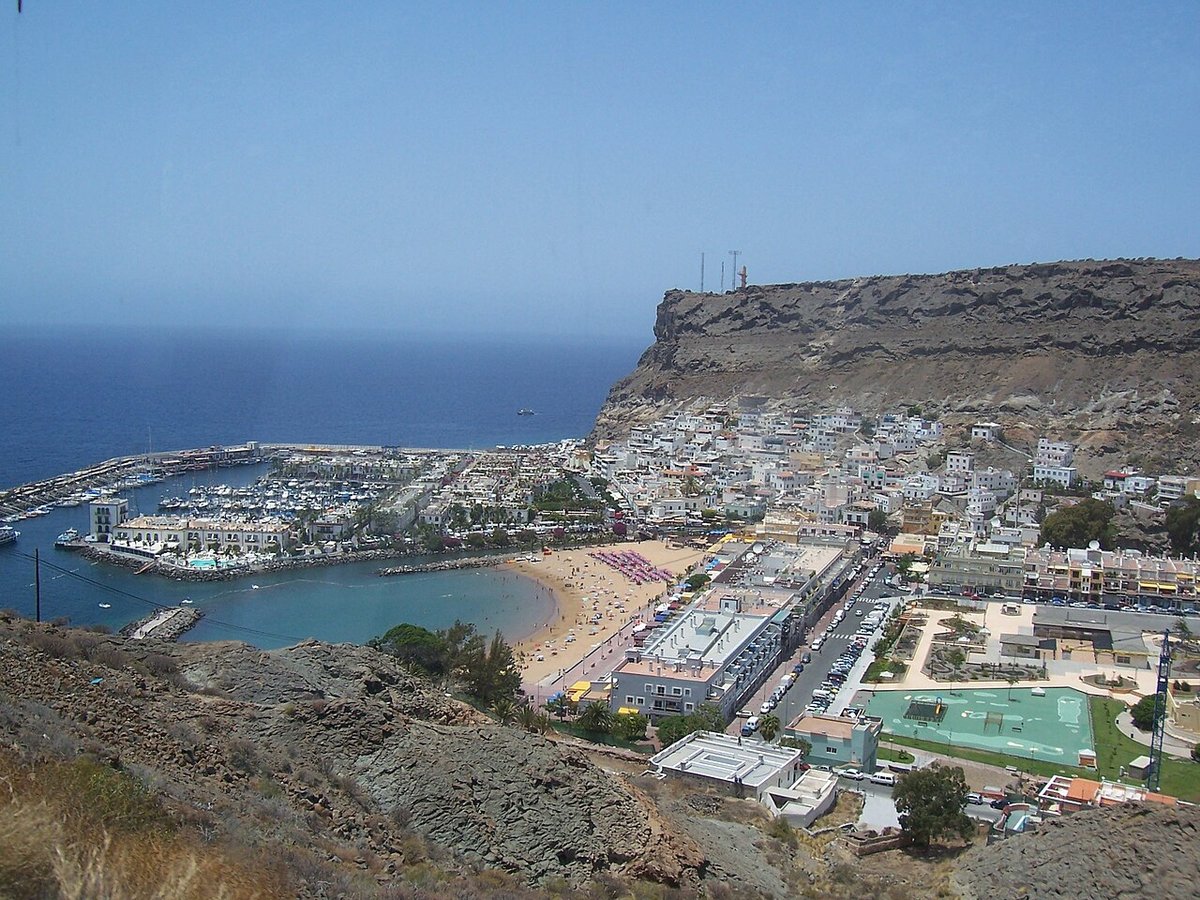
Tourist municipality home to Puerto del Carmen, Lanzarote’s main leisure and beach area; it still has a traditional inland village.

Ocultar artículo Leer artículo completo

The church bell in Tías strikes eleven. Within minutes, the hum of conversation on Plaza de San Bartolomé thins to a murmur, chairs are stacked inside La Cabana, and the only lights left on belong to a lone cash machine that shuts itself down with an audible sigh. For British visitors fresh from the neon karaoke mile of Puerto del Carmen, six kilometres downhill, the silence can feel almost surgical—until the Atlantic breeze carries the clink of a final coffee cup and someone laughs in Spanish at closing time.

Tías sits 200 metres above that breeze, far enough up a volcanic slope to escape the stag-party flatlands but close enough to smell salt on the air. The village houses 5,000 permanent residents, a number that swells when autumn pensioners return to their whitewashed villas and shrinks again in July when the wind becomes tiresome. It is not picturesque in the postcard sense—there are half-finished breeze-block extensions and satellite dishes bolted to 19th-century walls—but it is alive, and it is honest about what it can and cannot give you.

Morning Above the Lava, Afternoon Beside the Sea

Start early. By 08:30 the sun already has weight, and the volcanic gravel that carpets the surrounding vineyards glints like cinders. Farmers—some born here, some relocated from Surrey—hoe between vines planted in pits scooped out of solidified lava. Each hollow is banked with a crescent of dry-stone wall, a windbreak called a zoco. The technique traps overnight moisture; without it the malvasía grapes would shrivel to raisins before flowering. You can watch the process from a lay-by on the LZ-30, or wander into Finca La Florida where the owner will let you taste three wines and sell you a bottle for €9. He also keeps a visitor’s book thicker than the Lanzarote phone directory, crammed with comments in biro: “Better than Duty-Free—packed four cases in the hold.”

Downhill, the same road corkscrews to the coast in eight minutes if you ignore the speed cameras. Playa de los Pocillos, technically part of Tías, is a four-kilometre arc of pale sand that the council rakes every dawn. On calm days the water is bath-temperature and waist-deep for 100 metres out; when the trade wind pipes up, lifeguards raise red flags and kitesurfers replace swimmers. There is no promenade of Irish pubs—those start two kilometres closer to the airport—just a single row of cafés where a café con leche still costs €1.80 and they will give you a jug of hot milk rather than a thimbleful.

A Village That Forgot to Install Tourist Buffers

Back in the upper town, the architecture is stubbornly utilitarian. The 18th-century church of San Bartolomé squats at the top of a sloping square; its tower was rebuilt after an earthquake in 1755 and looks slightly surprised to find itself still standing. Thursday is market morning: canvas stalls sell pimiento seedlings, gofio (roast-maize flour that tastes like Weetabix), and knock-off Arsenal shirts. British accents outnumber Spanish some weeks, yet prices stay local. An empanadilla the size of a Cornish pasty costs €1; ask for picadillo and you get spicy beef rather than the standard tuna.

The village does not repel outsiders—it simply refuses to reorganise itself around them. The municipal pool opens at 10 a.m. sharp and closes for siesta at 1 p.m.; turning up at 12:55 is regarded as bad form. There is no tourist office, only a glass cabinet outside the town hall with a faded map bleached illegible by UV. Instead, information circulates by word of mouth: which barranco is closed after last week’s rockfall, whose cousin runs a boat trip where you pay in cash and bring your own beer.

When the Wind Arrives, Everything Changes

Between May and August the north-east trade wind can reach 30 knots. Locals call it la panza, the belly, because it distends the flags and whips the sea into white horses you can see from the village square. On those afternoons Tías smells of dust and dry stone; garden hoses flap like serpents and even the geckos cling to the lee side of walls. British residents learn to close their patio umbrellas or fish them out of the neighbour’s pool. The reward comes at sunset, when the wind drops as suddenly as it rose and the horizon sharpens to a blade of orange. From the Mirador de las Mujeres, 400 metres above sea level, you can watch the last ferry leave Arrecife and feel smug that you are already home.

Eating Without Showmanship

Evening food is straightforward. La Cabana will serve lamb cutlets with proper chips and does not flinch if you ask for mint sauce; they have a bottle for regulars. Across the square, Cervecería San Miguel writes its tapas menu on a blackboard in English underneath the Spanish, a courtesy that annoys the Academia Real but spares you accidental morcilla. The house wine comes from San Bartolomé, the next village inland, and tastes of volcanic iron and apricot. Expect to pay €14 for two courses if you skip the prawns.

Vegans struggle. One restaurant offers a “vegetable stew” that arrives with jamón sprinkled on top; when challenged, the waiter replied, “Just for flavour.” Self-catering is simpler: the SPAR on Calle León y Castillo stocks Alpro soya milk, Cadbury’s drinking chocolate and tins of Heinz at €1.39 each—comfort food for homesick teenagers.

Getting Up, Getting Down, Getting Around

Car hire is almost compulsory. The bus down to the coast (linea 03) runs every 40 minutes and stops at 22:15; a taxi back costs €12–15 depending how apologetic the driver feels about your missed stop. The road climbs 180 metres in 4 km—enough to make a post-pub stroll feel like a fell run. Flip-flops are a false economy; the pavement is polished volcanic grit and treacherous when dusty.

Petrol is 30% cheaper than the UK and motorway-standard roads are empty after dusk. From Tías you can reach Timanfaya’s lava fields in 20 minutes, the Sunday craft market at Teguise in 15, and the airport in 12—close enough to have breakfast on your terrace and still make an 09:30 flight, provided you remember to return the hire car with a quarter tank.

The Quiet Months

January brings la nieve de sal: salt spray blown inland so fine it settles on car roofs like frost. Daytime highs still reach 21°C but the village feels hollow; many bars close for their own holidays and the municipal band stops rehearsing. Conversely, late September is bliss. The sea has spent all summer warming up, the wind slackens, and hotel prices drop 25% the instant UK schools reopen. If you time it right you will share the pool with four German cyclists and a retired couple from Norwich who know which bakery sells same-day Guardian print editions.

What Tías Will Not Give You

There is no nightclub, no sandy beach within walking distance, and no cathedral to photograph. The souvenir shop stocks tea towels printed with chillies and the word “Lanzarote” spelled incorrectly. The village fiesta in August is loud—fireworks start at 06:00 and the plaza smells of diesel generators—but it is designed for locals; outsiders are welcome but not catered to. If you need constant entertainment, stay downhill.

Yet for travellers who have outgrown the strip but still want the Canaries’ reliable sunshine, Tías works as a base camp. You can read the Times over toast at 09:00, hike across solidified lava before lunch, swim in the Atlantic at 15:00, and be back in time for a pint of Dorada at €2.50 while the church bell counts down to curfew. Just remember the Spanish rule: when the lights go off, the night is not on pause—it is finished. Walk home quietly; the volcanoes have heard enough English already.

Key Facts

Region
Canarias
District
Sur
INE Code
35028
Coast
Yes
Mountain
No
Season
year-round

Livability & Services

Key data for living or remote work

2024
ConnectivityFiber + 5G
HealthcareHospital
EducationHigh school & elementary
Housing~5€/m² rent · Affordable
CoastBeach nearby
January Climate15.2°C avg
Sources: INE, CNMC, Ministry of Health, AEMET

Planning Your Visit?

Discover more villages in the Sur.

View full region →

More villages in Sur

Traveler Reviews