Full Article
about Santa Lucía de Tirajana
A municipality that blends Vecindario’s commercial area with a historic center of great beauty in the Tirajana caldera.
Hide article Read full article
A Wednesday that belongs to the market
On Wednesday mornings, Vecindario turns into a steady flow of people moving down Avenida de Canarias. This is not staged for visitors. It is a working market that has drawn residents from across much of the island for decades. People come to buy queso de flor, papas negras and the mantecados that bakeries in Santa Lucía begin preparing as winter approaches.
The rhythm is practical rather than decorative. Stalls and shops supply everyday needs for much of the south-east of Gran Canaria. The atmosphere follows that purpose: direct exchanges, familiar products and a sense that this is part of the weekly routine rather than an event to be observed from the side.
A volcanic basin open to the wind
Santa Lucía sits at the base of a wide volcanic basin that opens to the sea through a narrow gap. Wind funnels through this cut with force and reaches Pozo Izquierdo, a beach well known among windsurfers for the consistency of its gusts. Around the rest of the basin, steep slopes and rock outcrops form a natural amphitheatre where several landscapes appear within a short distance.
Higher up, pine forests and low cloud are common. Lower down, palm groves take over and the ground turns a deep reddish colour known locally as almagre, a soil that crumbles easily in the hand. The shifts are quick and visible, making it easy to read the terrain from one level to the next.
Geography also explains the history of the area. The indigenous population chose the Ansite plateau as a refuge during the final years of the conquest. From that height, the coastline could be watched while still allowing retreat inland through the ravine. The conquest of Gran Canaria ended here at the end of the 15th century. La Fortaleza, a group of caves and platforms carved into the rock, remains one of the island’s best-known archaeological sites. There are no visible walls because the mountain itself served that role.
Cheese, vines and ovens before dawn
The Tirajana area maintains one of the oldest cheesemaking traditions on Gran Canaria. Queso de flor, made using plant-based rennet from thistle, is still produced in small dairies scattered across the interior of the municipality. When young, it has an intense aroma and a delicate texture. Many prefer it slightly matured, when the characteristic bitter notes of the thistle become more pronounced.
Viticulture arrived later. Over time, local grape varieties adapted to these volcanic soils, and today several wineries in the municipality operate under the island’s designation of origin. Production is small in scale and closely tied to plots spread along the slopes of the ravine.
Bread ovens are lit in the early hours as well. In some neighbourhoods, pan de millo with aniseed is still prepared, a dense loaf that tends to sell out by mid-morning. It rarely appears in tourist circuits and circulates mainly through local demand and family orders.
Festivities that reflect everyday ties
Each December, the town centre of Santa Lucía celebrates the feast of its patron saint. The image of the saint leads the religious events, followed the next day by the Día del Labrador. This relatively recent romería, a traditional rural procession, has grown into one of the largest gatherings of decorated carts on Gran Canaria. The pace of the town changes for the day, with draught animals, traditional music and families making their way towards the square.
In autumn, a livestock fair is usually held around Vecindario. For a couple of days, shepherds, breeders and farmers from different parts of the island come together. It functions less as a spectacle and more as a working meeting point, with exchanges of animals, discussions about prices and machinery, and direct, practical dealings.
Three ways to read the valley
One of the clearest routes for understanding the landscape circles around La Fortaleza de Ansite and descends towards the La Sorrueda reservoir. Starting from the town of Santa Lucía, the path traces a loop along the edge of the ravine. The reservoir, built in the 20th century, appears in many older photographs of southern Gran Canaria. Water levels vary from year to year, but the surrounding palm grove remains one of the most recognisable scenes in the valley.
For a closer look at how water shaped life here, sections of the Tirajana ravine can be walked. Parts of the path follow old agricultural routes and reveal remains of acequias and channels that once carried water to cultivated land. These traces point to a time when farming extended higher up the slopes than might seem possible today.
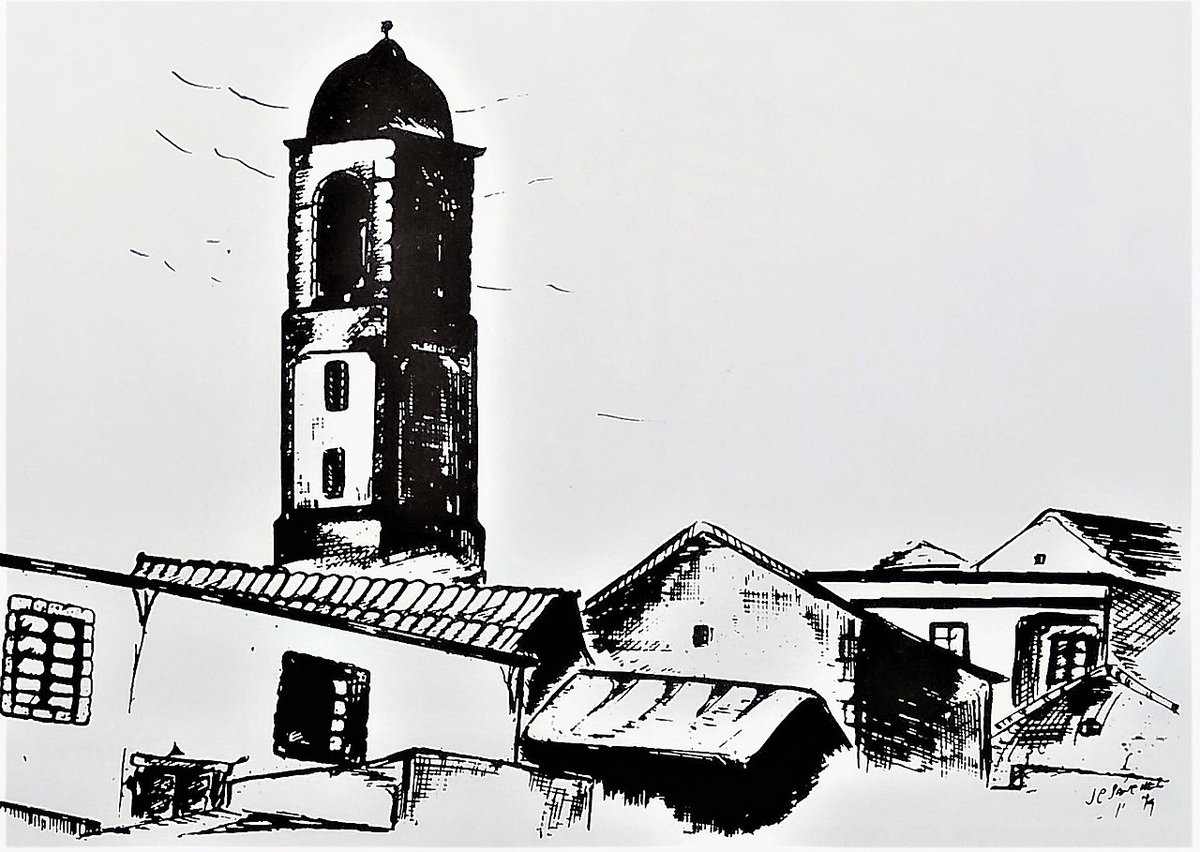
A third option is to stay within the town itself. In the square, facing the parish church rebuilt at the beginning of the 20th century, the afternoon often arrives with wind coming up the ravine and the smell of baking. Schoolchildren cross the forecourt in white smocks while older residents pause by shop windows to read the day’s notices. Santa Lucía is perhaps easiest to understand here, by watching how daily life moves around the square.