Full Article
about Puerto de la Cruz
Pioneer of tourism in the Canaries; a charming coastal town with botanical gardens and the famous Lago Martiánez by Manrique.
Hide article Read full article
Puerto de la Cruz: el abuelo con estilo de Tenerife
Puerto de la Cruz es como ese tío que fue el más guapo del pueblo en los setenta. Sabe que ya no está en su mejor momento, pero se viste bien, sale a pasear y no le importa que vean sus arrugas. Aquí empezó todo el turismo en Canarias, mucho antes de que existieran los complejos hoteleros del sur. Eso se nota. No tiene la energía frenética de otros sitios; tiene la tranquilidad de quien ya no necesita demostrar nada.
Ocho kilómetros cuadrados y un paseo marítimo
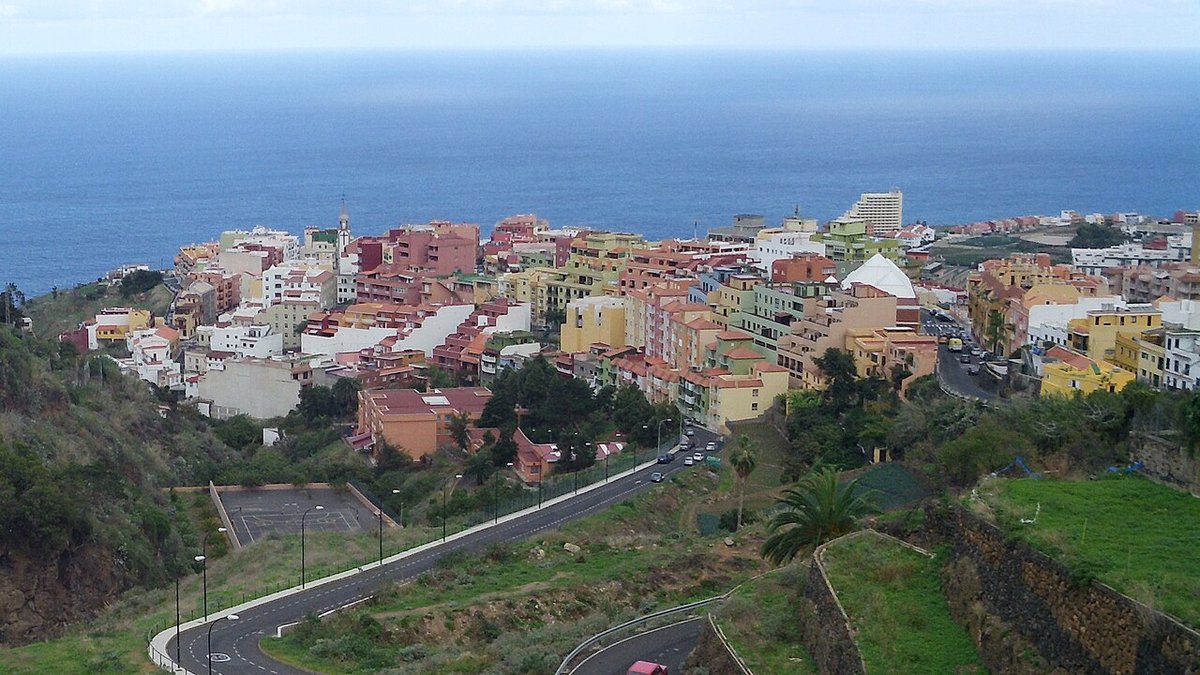
El municipio mide ocho kilómetros cuadrados. Para que te hagas una idea, es más pequeño que el barrio de Chamberí en Madrid, pero aquí viven más de 30.000 personas. La clave está en que todo está apretado, en un buen sentido.
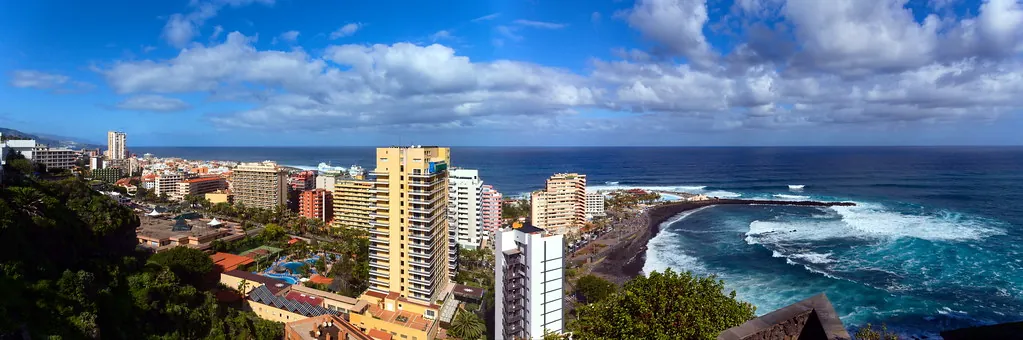
El paseo marítimo es tu punto de referencia constante. A un lado, el Atlántico rompiendo contra la roca volcánica. Al otro, las callejuelas que se abren a plazas pequeñas. Si te despistas, el sonido del mar te vuelve a orientar. No hay distritos claros; en diez minutos pasas del bullicio de una calle comercial a la quietud de mirar al océano.
El ritmo tranquilo de los 'guiris' veteranos
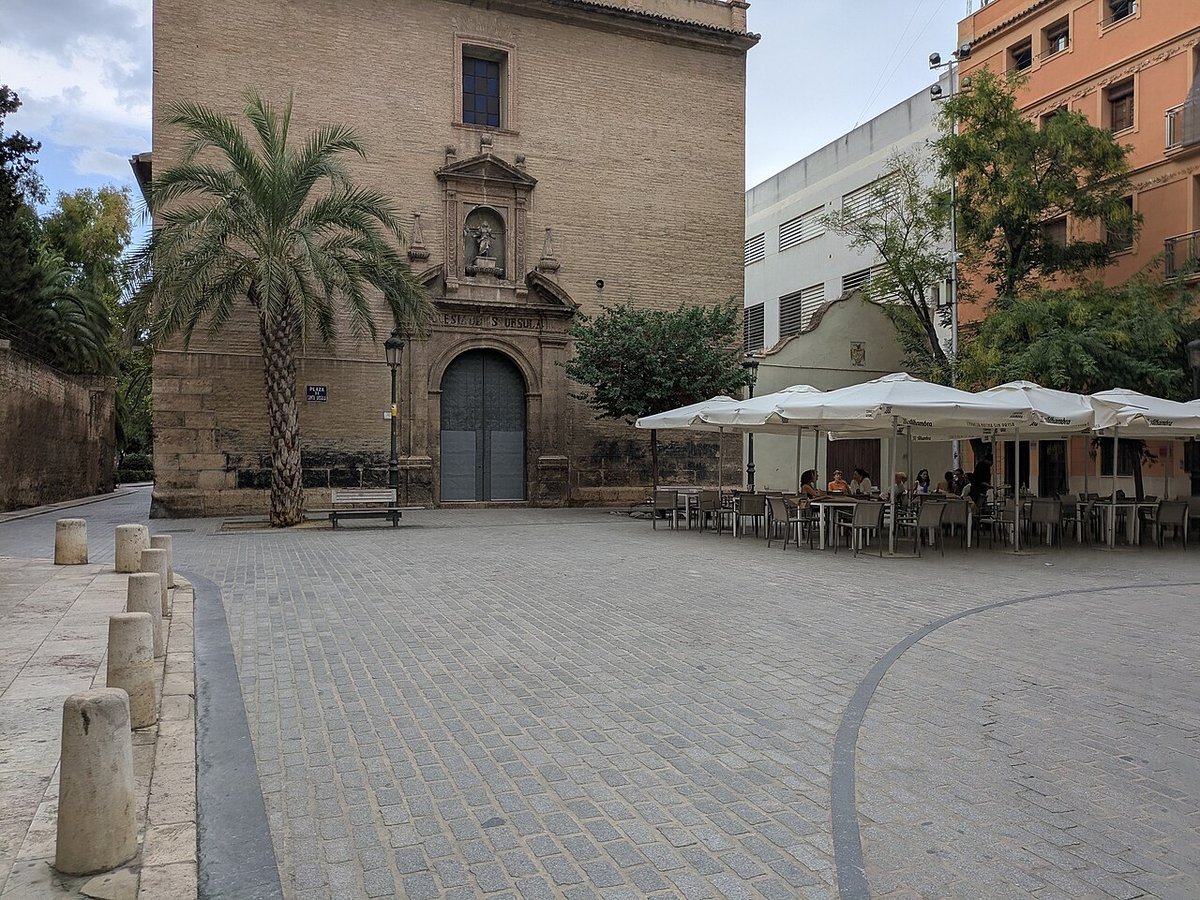
Si te sientas en la Plaza del Charco con un café, escucharás más idiomas que en un aeropuerto. Pero no es el inglés bullicioso de las vacaciones baratas. Es el de gente que lleva viniendo cuarenta años. Británicos y alemanes, principalmente, que empezaron a venir por el invierno suave y se quedaron enganchados.
El resultado es curioso: ves a un hombre con acento de Liverpool comprando el pan como si nada, mientras unos jubilados alemanes leen la prensa y unos tinerfeños comentan el último partido del CD Tenerife. La mezcla no es un espectáculo; es lo normal aquí. Eso le quita toda esa presión por parecer “auténtico” para el forastero.
Lago Martiánez: la piscina con vistas (y oleaje)
Lago Martiánez es la postal inevitable. Lo diseñó César Manrique cuando el turismo empezaba a crecer, y su idea era simple: unas piscinas de agua salada rodeadas de roca volcánica, con el mar al lado.
Desde arriba parece un grupo de lagunas negras junto al azul del Atlántico. Cuando el mar está bravo –que pasa a menudo–, agradeces poder nadar aquí con calma. Y si hay suerte y está despejado, verás al Teide asomando al fondo, como un decorado permanente.
Un consejo práctico: por la mañana temprano suele estar más tranquilo. A partir del mediodía, sobre todo en temporada, se nota que todo el pueblo tiene la misma idea que tú.
El Jardín Botánico: donde las plantas son las protagonistas
El Jardín Botánico está un poco por encima del centro, en una zona donde siempre hace algo más de fresco. Se creó en el siglo XVIII para aclimatar plantas traídas de América y Asia antes de mandarlas a Europa.
No hace falta saber nada de botánica para disfrutarlo. El simple paseo vale la pena: ficus enormes con formas imposibles, palmeras que no verás en ningún vivero y bambús tan altos que parece una selva. Muchas de estas plantas solo las habías visto en documentales.
Aquí aprendes cosas básicas y útiles. Por ejemplo, cómo crece realmente un platanero (no es como te lo imaginas). Se te pasa la hora sin darte cuenta.
Carnaval sin multitudes (relativamente)
El Carnaval aquí no pretende competir con el megaevento de Santa Cruz. Tiene otro rollo: más local, menos escenario gigante y más gente del valle disfrazada porque les apetece.
La Plaza del Charco se convierte en una especie salón comunitario al aire libre. Suenan murgas, pasan comparsas y tú vas dando vueltas sin plan alguno. Lo bueno es que no hay grandes distancias entre escenarios; en cinco minutos pasas de una batucada a un grupo disfrazado de los Picapiedra tomando una cerveza como si tal cosa.
Cómo llevarse bien con Puerto
Puerto tiene sus cosas obvias: lleva décadas viviendo del turismo y algunas zonas necesitan un repaso arquitectónico puntual. En temporada alta se nota la presión sobre sus calles pequeñas.
Y ojo: no vengas buscando playas paradisíacas o baños tranquilos todo el año. El norte tiene mar más fuerte y arena oscura (volcánica). Para nadar sin pensar hay otras partes de la isla.
Su punto fuerte es otro: funciona mejor si lo tomas con calma. Es para perderse por las calles sin mapa fijo. Para sentarte a observar ese cóctel raro entre pueblo costero canario y destino histórico para media Europa. Para dejar que te enseñe lo que tiene cuando le apetezca. No intentes verlo todo rápido; él ya ha visto pasar demasiadas prisas