Full Article
about Limpias
Miracle of the Christ of Limpias
Ocultar artículo Leer artículo completo
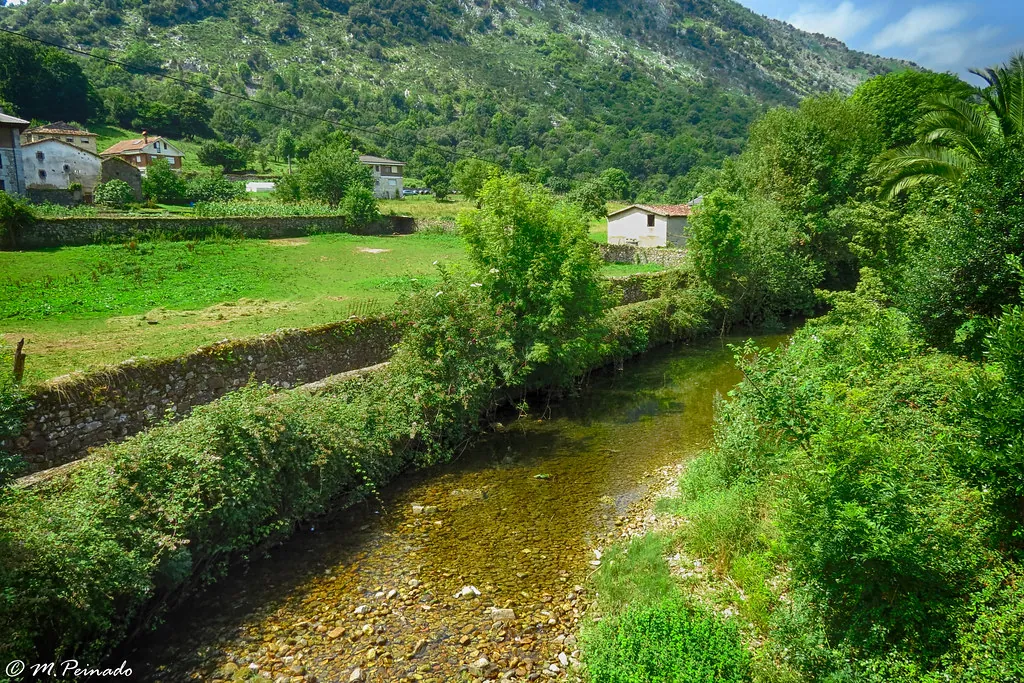
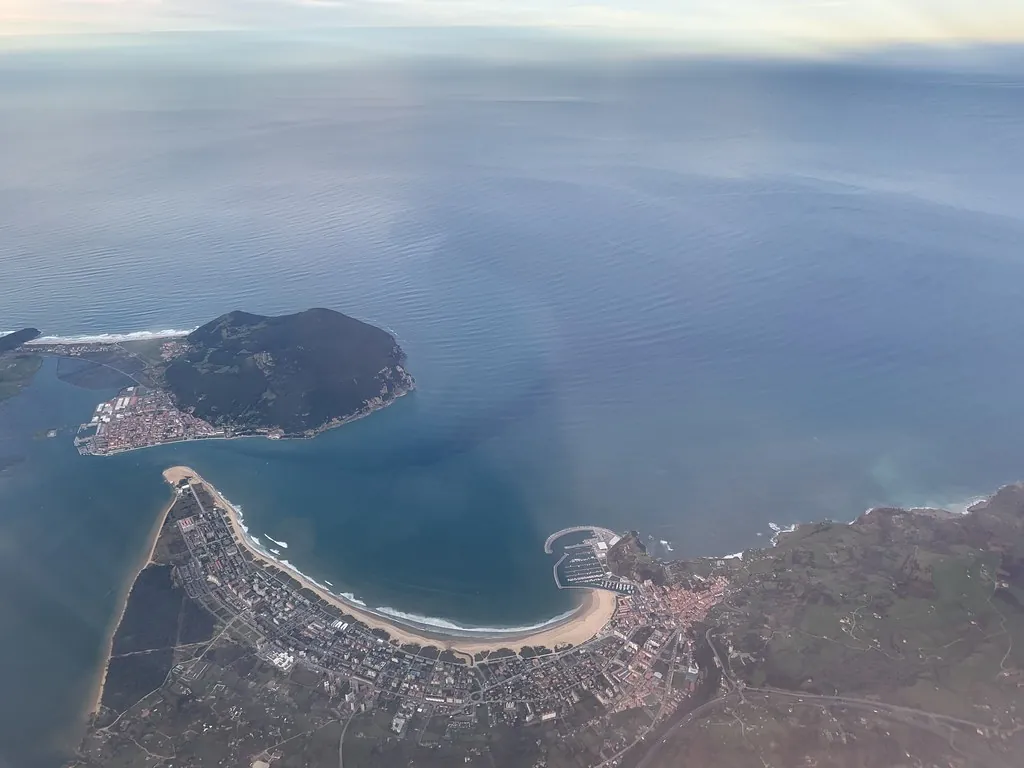
The first thing you notice is the Asón sliding past the Parador’s lawn, wide and tidal, carrying herons rather than yachts. Limpias sits fifteen kilometres upstream from the Cantabrian coast, close enough to smell salt on a westerly breeze but far enough to ignore beach towels and parking meters. That half-in, half-out position shapes the day: you come for river light and manor-house façades, then bolt to Santoña for anchovies if the mood takes you.
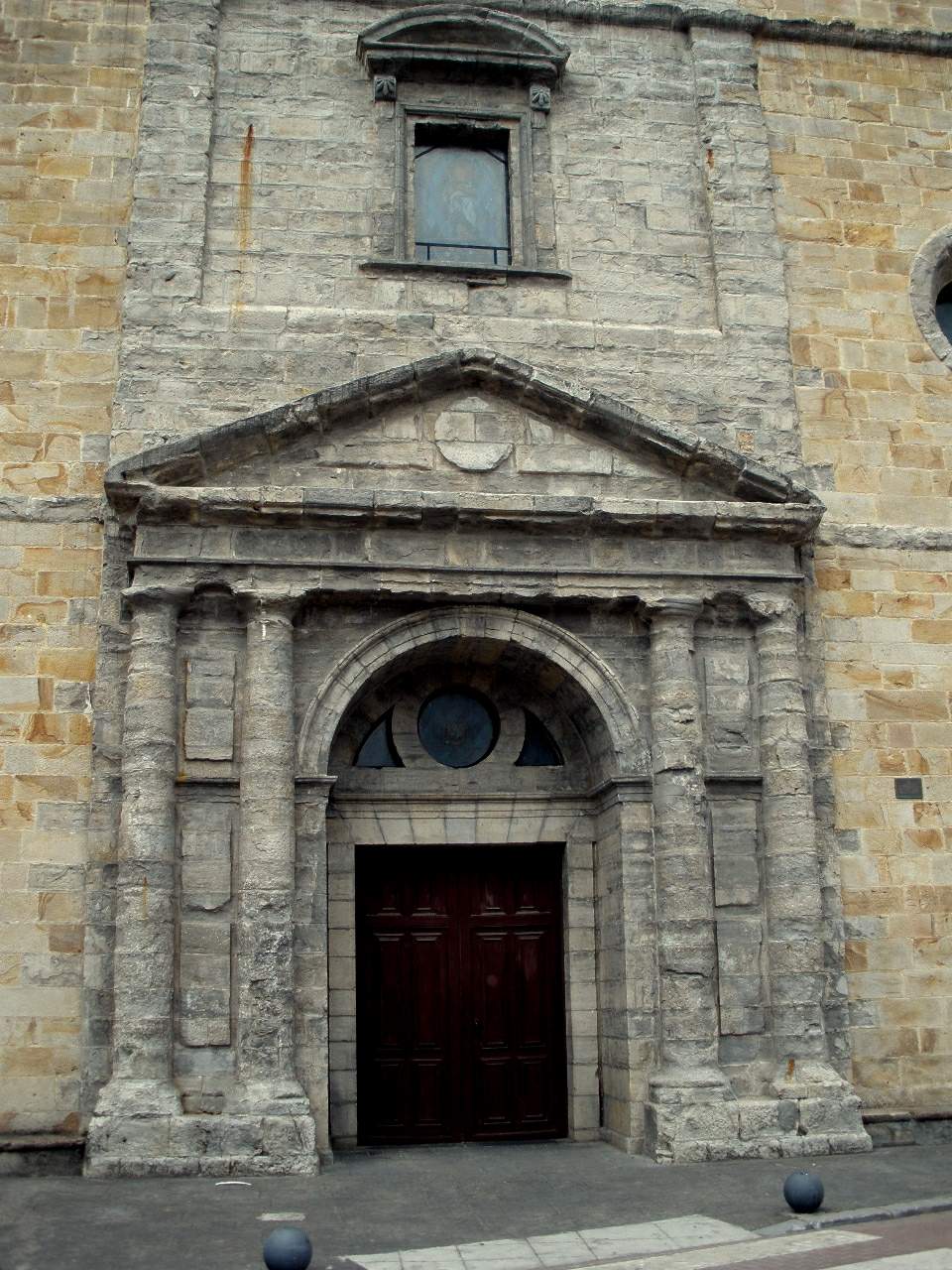
Most maps mark the village for one reason only. Inside the baroque Santuario del Santísimo Cristo de la Agonía hangs a life-size crucifix that, in 1919, reportedly blinked and wept in front of several witnesses. The story still pulls coachloads of pilgrims each September, yet the building itself is worth the detour even if miracles leave you cold. Twin bell towers frame a plaza barely larger than a tennis court; step inside and the nave smells of candle wax and old timber, the acoustics swallowing mobile-phone chatter whole. If a service is under way, stand at the back: the priest’s Castilian carries effortlessly to the door, proof that the architects knew exactly how sound travels through limestone.
Outside, the village reverts to everyday Cantabria. Calle Real, the single traffic artery, runs arrow-straight from the medieval bridge to a small square where teenagers loop on bicycles. Either side stand the houses built when the Asón moved timber and flour instead of Sunday day-trippers: granite lintels, coats of arms worn smooth, balconies wide enough for a chair but rarely used. Nothing is postcard-perfect; paint flakes, weeds sprout, and the effect is oddly reassuring. You can cover the lot in twenty minutes, yet slowing down pays off. Peer through the iron gate of the Casa de las Cadenas and you’ll spot the original 1600s staircase; glance up at No. 23 to find a gargoyle whose nose vanished in last century’s storm.
The riverbank path, signed simply “Paseo del Asón”, is the other essential thread. It’s flat, pram-friendly, and lasts exactly forty-five minutes if you dawdle to watch the tide push salt water inland, turning the water the colour of strong tea. Interpretation boards list kingfishers and otters; locals promise both are there if you arrive before breakfast. Mid-morning you’re more likely to meet retired men casting for sea trout—catch-and-release only, they’ll explain, because no one wants to eat what’s travelled through the local paper mill.
Practicalities weave in without fuss. You’ll need wheels: Limpias lost its railway in 1981 and the nearest ALSA bus stop is a twenty-minute walk from the centre. Santander airport is fifty minutes west on the A-8, a cruise-controlled glide past eucalyptus plantations and the occasional freight lorry. Hire cars collect a small surcharge if you start at the terminal, but the desk staff rarely queue after 18:00. Once arrived, parking is free on Calle San Roque; avoid the double-yellow semicircle outside the Parador—tow trucks patrol on feast days.
Accommodation splits neatly in two. The Parador de Limpias occupies the former county hospital, its mustard façade reflected in the river at dusk. British guests tend to book half-board: three courses, carafe of house white, and a pool that opens June to September, all for roughly €65 per person if you reserve online early. Rooms facing the water can pick up church-bell chimes on the hour; ask for the east wing if you’re a light sleeper. Budget alternatives cluster in neighbouring Colindres, five kilometres away, but then you lose the late-evening riverside hush when traffic dies and swallows replace engines.
Food is uncomplicated. Within the village, Bar Agonía does a respectable cocido montañés—white beans, black pudding, and a hunk of pork shoulder that defeats most appetites by the halfway mark. Order a media ración unless you’re fresh off the Camino. The Parador’s menu del día plays safer: grilled hake, chips, chocolate mousse, glass of Albariño, all served on a terrace that catches the afternoon sun but shelters from the wind. For variety, drive fifteen minutes to Santoña, where La Cantina fries fresh anchovies in olive oil so light you’ll reconsider the tinned variety forever. Pair them with a small beer before 13:00 and you’ll beat the tour group that spills out of the coach at half past.
Walkers can stretch the visit into a full day by heading north-east along the estuary cycle path, a former railway that ends at the ruined Napoleonic battery in Playa de Berria. The round trip is fourteen kilometres, pancake-flat, and delivers sudden coastal views just when you thought Cantabria had run out of surprises. Alternatively, aim south into the valley’s oak woods: signposts point toward the Cueva de Covalanas, a palaeolithic painted cave that admits twelve visitors per hour and closes Mondays. Book at the regional website; tickets are €6 and the guide speaks slow, clear Spanish that even rusty GCSE ears can follow.
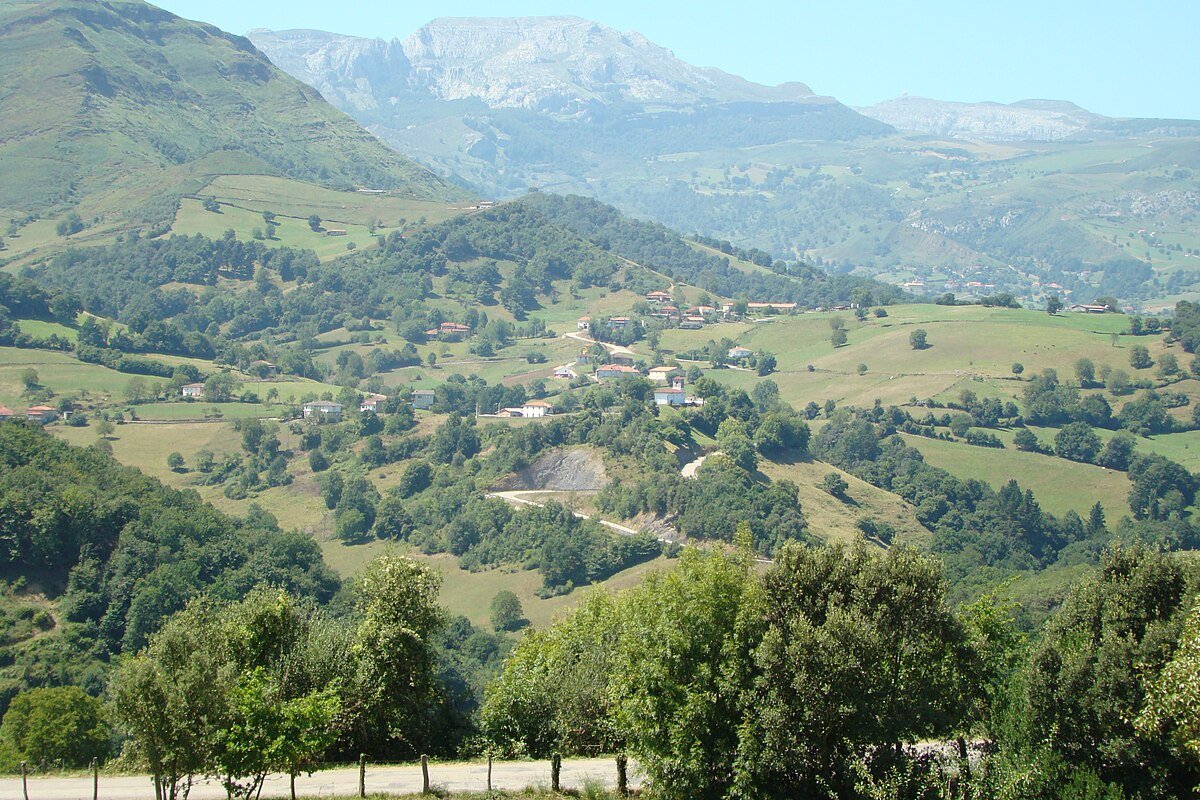
Weather deserves a realistic paragraph. The Asón valley traps moisture—expect sixty wet days a year, most of them between October and April. Summer, by contrast, is rarely brutal; 24 °C feels warm when you’re only fifteen metres above sea level and every plaza has shade. If the forecast threatens rain, bring a light jacket rather than full hiking armour: showers pass quickly and the granite cobbles dry faster than you can finish a coffee.
Crowds hinge on the church calendar. Ordinary weekends see perhaps a dozen foreigners, half of them staying in the Parador. Mid-September, when the Cristo fiesta swings into action, population triples and the village smells of incense and churros. Parking becomes competitive; arrive before 10:00 or surrender to the overflow field by the sports pitch. Conversely, January’s San Hermenegildo brings only locals and a single brass band—atmospheric, but hotel rates drop to winter levels and the pool is firmly shut.
Leaving is as easy as arriving. The A-8 west reconnects with Santander airport in under an hour if you drop the car before 17:00; eastward lies Bilbao and the Guggenheim if your flight home is the following day. Either way, Limpias works best as a comma rather than a full stop: a single night, a riverside stroll, and the realisation that Cantabria’s interior can hold your attention without a single grain of sand.